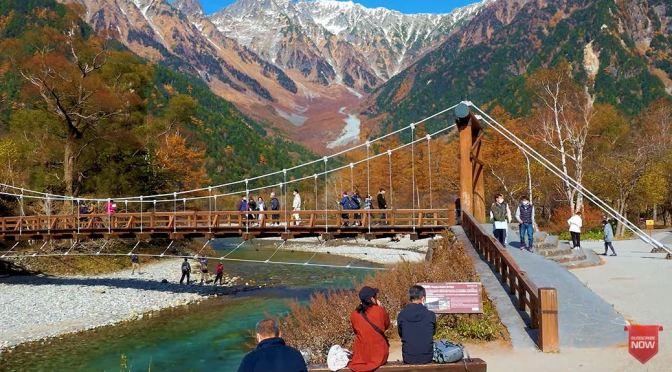
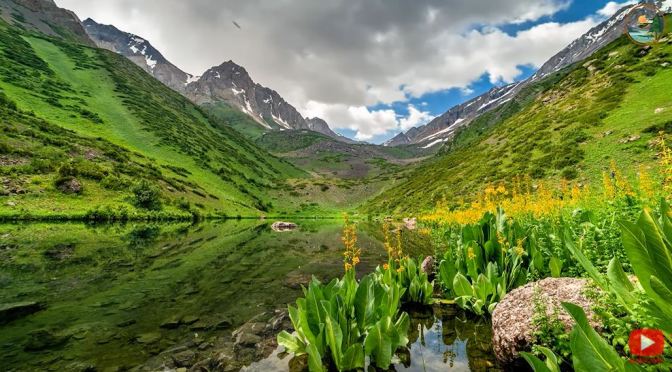
Kamikōchi is a remote mountainous highland valley within the Hida Mountains range, in the western region of Nagano Prefecture, Japan. It has been preserved in its natural state within Chūbu-Sangaku National Park.
Video timeline: 0:00 Taisho Pond 2:44 Mt. Yakedake 7:00 Tashiro Pond 11:14 Azusa River 21:30 Kappa Bridge (Kappabashi)
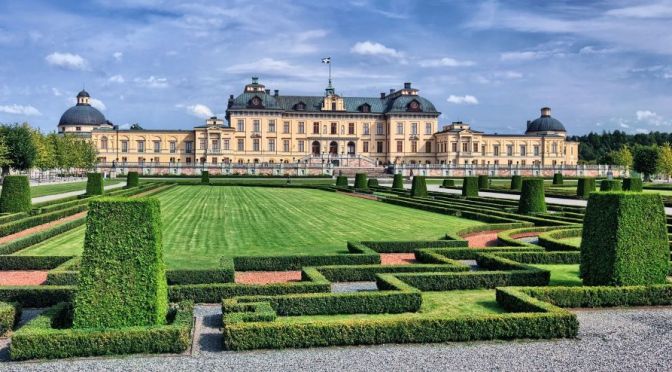
Drottningholm’s gardens and park are among Sweden’s most prominent contributions to Europe’s garden design and landscaping. As you stroll around, you’ll explore different artistic ideals from various centuries.
The history of the gardens begins when Drottningholm was taken over by the Dowager Queen Hedvig Eleonora in 1661. To help her develop a new pleasure garden, she commissioned Nicodemus Tessin, who was inspired by the French landscape architect André Le Nôtre’s proposal for the Château of Vaux-le Vicomte in France. Tessin was also heavily inspired by the gardens of the Palace Versailles.
The Baroque parterre garden—closest to the palace—has an intricate embroidery design originally inspired by Vaux-le Vicomte. Walking further into the park, you are greeted by a water parterre with ten pools and cascades. Beyond the cascades, there are four hedge groves surrounded by pine hedges, and the finale: a large bush called “the star.” The garden would later receive an outer frame with four linden tree-lined avenues. The oldest lindens are from Hedvig Eleonora’s time.
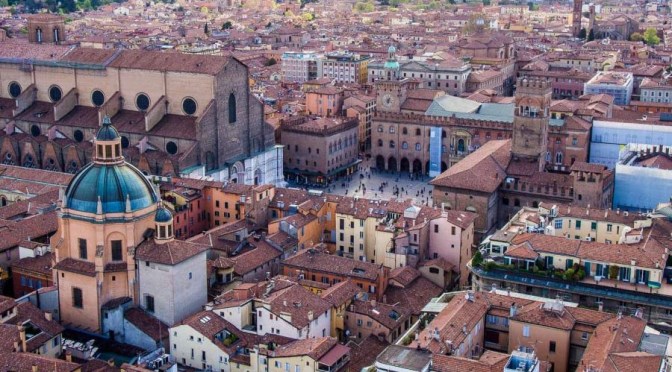
Bologna is the capital and largest city of the Emilia-Romagna region in Northern Italy. It is the seventh most populous city in Italy with about 400,000 inhabitants and 150 different nationalities. Its metropolitan area is home to more than 1,000,000 people. It is known as the Fat, Red, and the Learn’d City due to its rich cuisine, red Spanish tiled rooftops, and being home to the oldest university in the western world.
Originally Etruscan, the city has been one of the most important urban centres for centuries, first under the Etruscans (who called it Felsina), then under the Celts as Bona, later under the Romans (Bonōnia), then again in the Middle Ages, as a free municipality and signoria, when it was among the largest European cities by population. Famous for its towers, churches and lengthy porticoes, Bologna has a well-preserved historical centre, thanks to a careful restoration and conservation policy which began at the end of the 1970s. Home to the oldest university in the Western world, the University of Bologna, established in AD 1088, the city has a large student population that gives it a cosmopolitan character. In 2000 it was declared European capital of culture and in 2006, a UNESCO “City of Music” and became part of the Creative Cities Network.[14] In 2021 UNESCO recognized the lengthy porticoes of the city as a World Heritage Site.
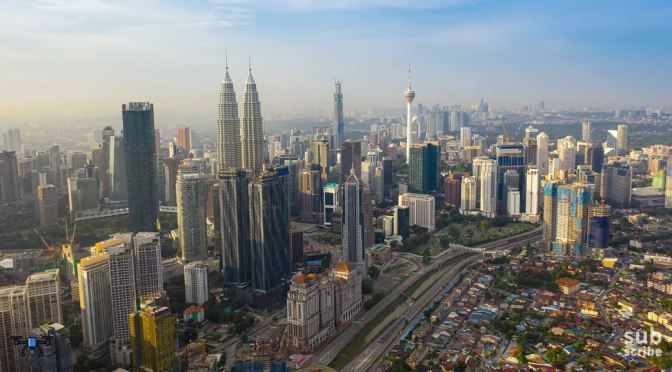
Kuala Lumpur is the capital of Malaysia. Its modern skyline is dominated by the 451m-tall Petronas Twin Towers, a pair of glass-and-steel-clad skyscrapers with Islamic motifs. The towers also offer a public skybridge and observation deck. The city is also home to British colonial-era landmarks such as the Kuala Lumpur Railway Station and the Sultan Abdul Samad Building.
A designated UNESCO World Heritage site, Banff is also Canada’s oldest national park and one of its most popular. Encompassing 6,641 square kilometer of pristine alpine wilderness, the park sits in the heart of the Canadian Rockies and is home to some of North America’s most spectacular scenery. Emerald lakes, snowcapped peaks, waterfalls, glaciers and rich forest provide the backdrop to a wealth of wildlife.
Banff National Park is Canada’s oldest national park, established in 1885. Located in Alberta’s Rocky Mountains, 110–180 kilometres west of Calgary, Banff encompasses 6,641 square kilometres of mountainous terrain, with many glaciers and ice fields, dense coniferous forest, and alpine landscapes.
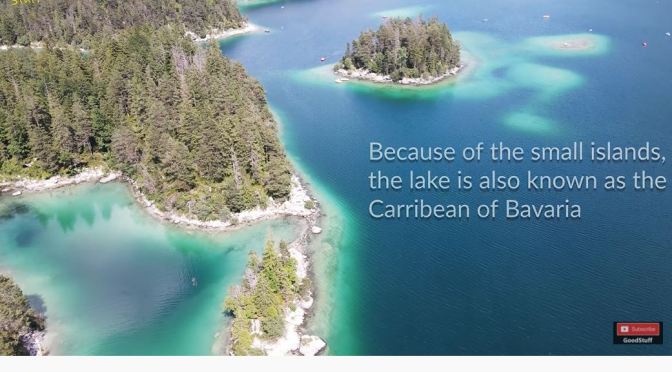
Eibsee is a lake in Bavaria, Germany, 9 km southwest of Garmisch-Partenkirchen and roughly 100 km southwest of Munich. It is at the northerly base of the Zugspitze, Germany’s highest mountain.
Known as the Carribean of Bavaria, this lake in Germany has 8 unusual Islands and it is absolutely breath taking.
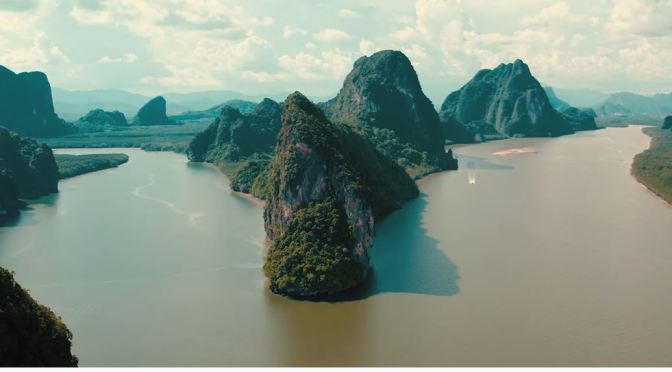
Phang Nga Bay lies between southern Thailand’s mainland and Phuket Island. Also known as Ao Phang Nga National Park, it’s characterized by limestone cliffs and rock formations, as well as mangrove forests and small islands. Among the islands are Koh Tapu, known as James Bond Island for its appearance in a Bond film. Koh Phanak Island is known for its caves and lagoons. The bay’s waters are dotted with coral reefs.
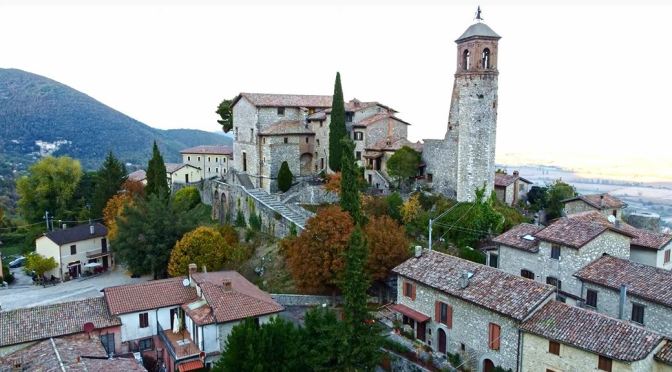
Greccio is an old hilltown and comune of the province of Rieti in the Italian region of Lazio, overhanging the Rieti valley on a spur of the Monti Sabini, a sub-range of the Apennines.
Greccio was founded, according to tradition, by a Greek colony or family, who fled or exiled from their homeland following wars and destruction who fell in love with the amenity of the place and the comfort of natural defense it offered, and settled there. Hence the name Greece, Grece, Grecce and finally Greccio. The first certain information dates back to the 10-11th century. when the fragmentary possessions of the Abbey of Farfa were reunited and the fortification of the curtis proceeded. The Benedictine monk Gregorio da Catino (1062-1133) refers to the locality of Greccio (curte de Greccia) in his work “Regesto Farfense”.
Geneva is a city in Switzerland that lies at the southern tip of expansive Lac Léman (Lake Geneva). Surrounded by the Alps and Jura mountains, the city has views of dramatic Mont Blanc. Headquarters of Europe’s United Nations and the Red Cross, it’s a global hub for diplomacy and banking. French influence is widespread, from the language to gastronomy and bohemian districts like Carouge.
Europe’s villages are some of the most magical places in the world! Enjoy this 4K travel guide across Europe’s most scenic villages. From lakeside wonders of Varenna, to the views of Wengen, there’s just something special about villages that you can experience in other places like cities.
News, Views and Reviews For The Intellectually Curious



 Boomers Daily