Including beautiful full-color reproductions of the artworks, A Month in Siena is about what occurred between Matar, those paintings, and the city. That month would be an extraordinary period in the writer’s life: an exploration of how art can console and disturb in equal measure, as well as an intimate encounter with a city and its inhabitants. This is a gorgeous meditation on how centuries-old art can illuminate our own inner landscape—current relationships, long-lasting love, grief, intimacy, and solitude—and shed further light on the present world around us.
From the Pulitzer Prize–winning author of The Return comes a profoundly moving contemplation of the relationship between art and life.
Listen to an excerpt below:
After finishing his powerful memoir The Return, Hisham Matar, seeking solace and pleasure, traveled to Siena, Italy. Always finding comfort and clarity in great art, Matar immersed himself in eight significant works from the Sienese School of painting, which flourished from the thirteenth to the fifteenth centuries. Artists he had admired throughout his life, including Duccio and Ambrogio Lorenzetti, evoke earlier engagements he’d had with works by Caravaggio and Poussin, and the personal experiences that surrounded those moments.
Hero Traveler’s favorite places to visit and things to do in Mongolia include:
UlaanBatar, Gobi Desert, Ugly City Eagle Hunters
“Through Our Lens'” celebrates the beauty of a destination through the point of view of one of our spirited creators. Come along with filmmaker and Hero Traveler Contributor Kay Van Huisseling as he takes us on a breathtaking cinematic journey through Mongolia.
In this gorgeously illustrated collection of airline route maps, Mark Ovenden and Maxwell Roberts look to the skies and transport readers to another time. Hundreds of images span a century of passenger flight, from the rudimentary trajectory of routes to the most intricately detailed birds-eye views of the land to be flown over. Advertisements for the first scheduled commercial passenger flights featured only a few destinations, with stunning views of the countryside and graphics of biplanes. As aviation took off, speed and mileage were trumpeted on bold posters featuring busy routes. Major airlines produced highly stylized illustrations of their global presence, establishing now-classic brands. With trendy and forward-looking designs, cartographers celebrated the coming together of different cultures and made the earth look ever smaller.
A nostalgic and celebratory look back at one hundred years of passenger flight, featuring full-color reproductions of route maps and posters from the world’s most iconic airlines, from the author of bestselling cult classic Transit Maps of the World.
Inside, the small store has a good selection of literary fiction ranging from classics to current publications. There is also a great selection of books about New Orleans and local culture. There is, of course, a dedicated area, almost shrine-like, for Faulkner’s works, and the shop owner will let you take a look at those more expensive books, “if you want to get in trouble with your wallet.”
Blink while passing through New Orleans’s French Quarter, and you may miss this small, charming bookstore. But step inside, and you’ll steal a quick peek at the space where William Faulkner himself lived while in the city.
Though he later penned famous works like The Sound and the Fury and As I Lay Dying, Faulkner wasn’t much of anybody yet when he moved to New Orleans, and in fact published his first work in a local journal. There is a historical plaque outside the building that states that Faulkner wrote his first novel, Soldiers’ Pay, while in residence there in 1925.
Once owned by the Medici family, this 2,700-acre, 800-year-old medieval village in Montaione fell away from the public eye—that is, until lifestyle hotel brand TUI Blue saw its potential. With the help of the surrounding village’s government, the town has been resurrected into a sprawling five-star resort. Il Castelfalfi, the region’s first new-build hotel in years, offers suites with both sunrise and sunset patio views. Across the street, a disused tobacco factory is now an adjacent boutique hotel, ruinous farmhouses have become holiday homes, and acres of surrounding lands now make up Tuscany’s largest golf course.
The property feels miles away from anywhere thanks to the rolling hills that surround it on all sides, but the village offers a few quaint distractions including a small alimentari (grocery store) as well as a pizzeria, Il Rosmarino. At the entrance of the village is the tower of the ancient castle, La Rocca, now home to La Rocca di Castelfalfi, whose patio is a beautiful place to watch the sunset over Tuscan specialties like Ribollita and ravioli.
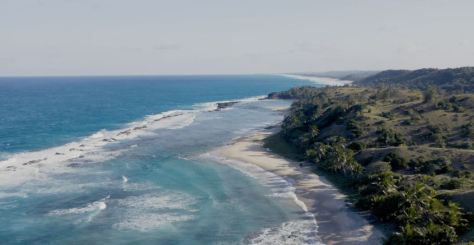
This is kind of what I felt during my holidays in Madagascar. This is certainely one of the most exciting thing I saw and I try to resume it in 2 minutes.
I decided to edit in an optimistc way despite what you can hear about this island. I choosed this point of view cause Malagasy people transmitted to me their strenght and their way of life.
Some sounds were recorded directly. For example what you can hear at 1:12 is the yell of the biggest lemur, the Indri Indri. Their yell can be heard from 5 km !
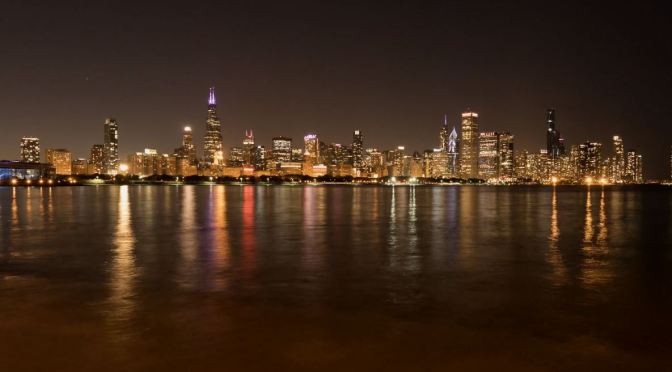
I spent a couple of days compiling clips of Chicago and put it all together into one minute. This is a combination of Time Lapse, Hyperlapse and Video created using Nikon, Timelapse Plus, Syrp Genies and Osmo Pocket. Locations are The Chicago Cultural Center, The Flamingo at the Federal Building, The Bean, the Chicago Skyline from the Planetarium, the Chicago “L” train, and sunrise from the Sheraton Grand Hotel.




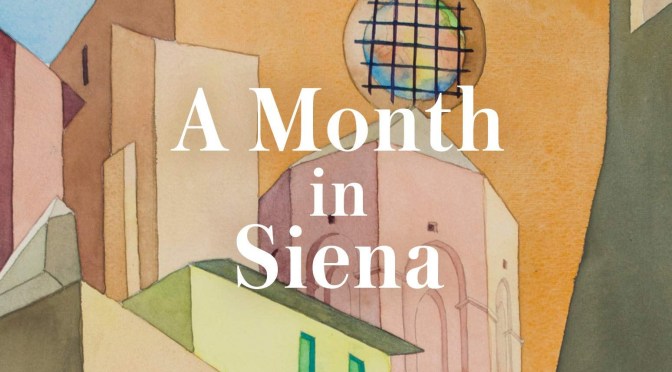
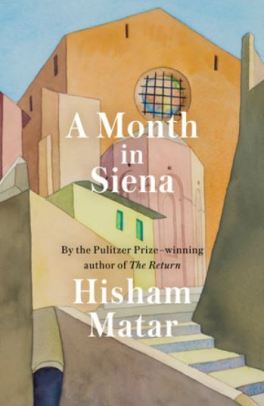 Including beautiful full-color reproductions of the artworks, A Month in Siena is about what occurred between Matar, those paintings, and the city. That month would be an extraordinary period in the writer’s life: an exploration of how art can console and disturb in equal measure, as well as an intimate encounter with a city and its inhabitants. This is a gorgeous meditation on how centuries-old art can illuminate our own inner landscape—current relationships, long-lasting love, grief, intimacy, and solitude—and shed further light on the present world around us.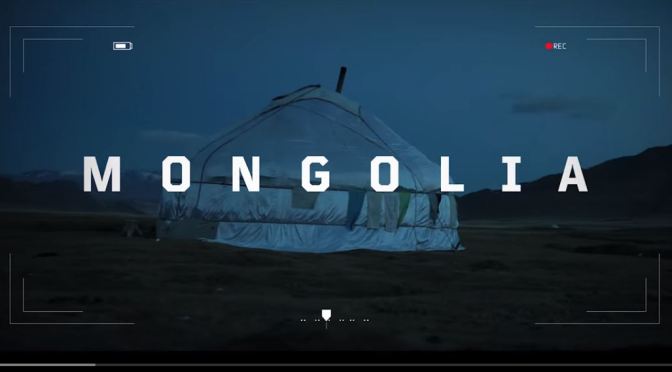


 In this gorgeously illustrated collection of airline route maps, Mark Ovenden and Maxwell Roberts look to the skies and transport readers to another time. Hundreds of images span a century of passenger flight, from the rudimentary trajectory of routes to the most intricately detailed birds-eye views of the land to be flown over. Advertisements for the first scheduled commercial passenger flights featured only a few destinations, with stunning views of the countryside and graphics of biplanes. As aviation took off, speed and mileage were trumpeted on bold posters featuring busy routes. Major airlines produced highly stylized illustrations of their global presence, establishing now-classic brands. With trendy and forward-looking designs, cartographers celebrated the coming together of different cultures and made the earth look ever smaller.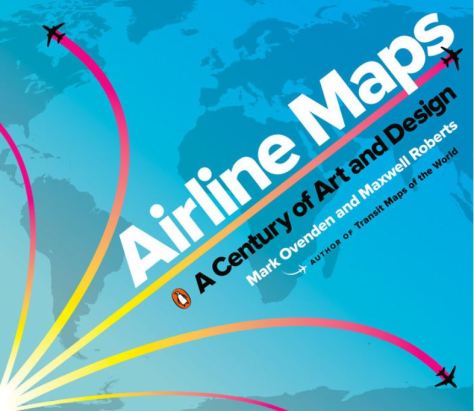
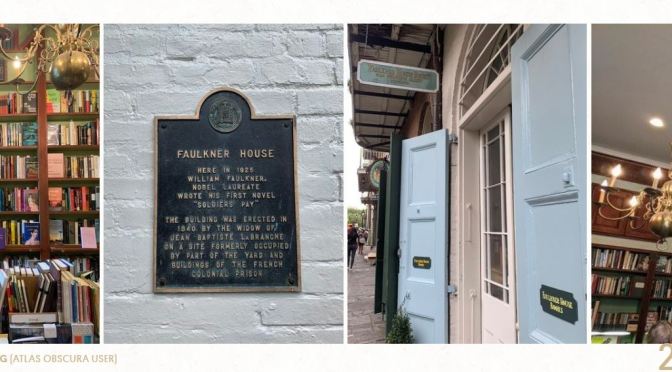
 Inside, the small store has a good selection of literary fiction ranging from classics to current publications. There is also a great selection of books about New Orleans and local culture. There is, of course, a dedicated area, almost shrine-like, for Faulkner’s works, and the shop owner will let you take a look at those more expensive books, “if you want to get in trouble with your wallet.”


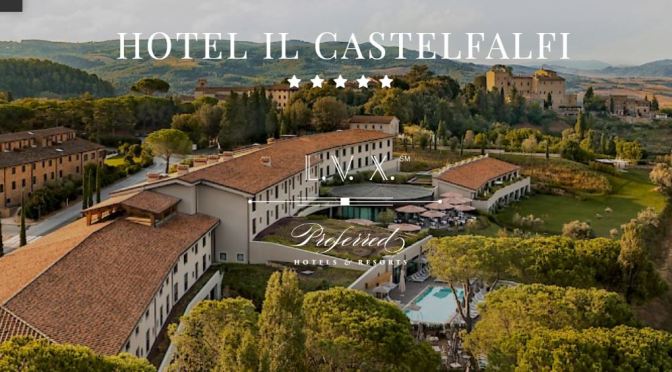
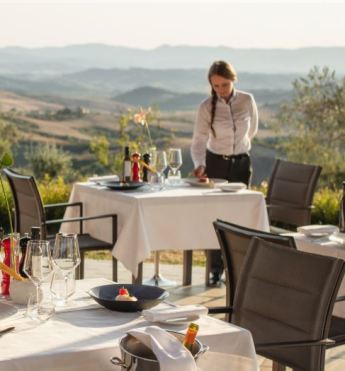 Once owned by the Medici family, this 2,700-acre, 800-year-old medieval village in Montaione fell away from the public eye—that is, until lifestyle hotel brand TUI Blue saw its potential. With the help of the surrounding village’s government, the town has been resurrected into a sprawling five-star resort. Il Castelfalfi, the region’s first new-build hotel in years, offers suites with both sunrise and sunset patio views. Across the street, a disused tobacco factory is now an adjacent boutique hotel, ruinous farmhouses have become holiday homes, and acres of surrounding lands now make up Tuscany’s largest golf course.


 Boomers Daily