Category Archives: Research

Research Preview: Nature Magazine – May 23, 2024

Volume 629 Issue 8013

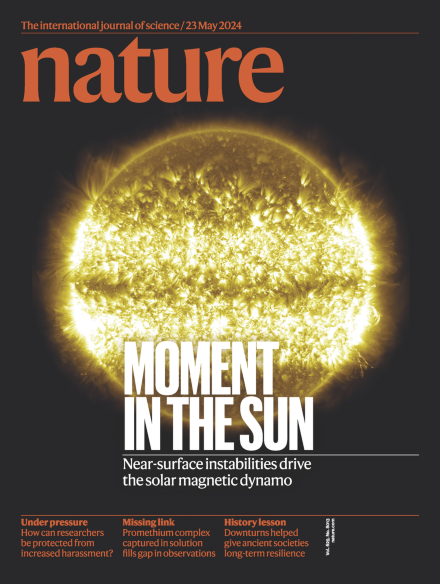
Nature Magazine – May 22, 2024: The latest issue cover features ‘Moment In The Sun’ – Near-surface instabilities drive the solar magnetic dynamo…

How cheesemaking could cook up an antidote for alcohol excess

A gel made from a milk protein reduces alcohol levels in the blood of intoxicated mice.

Organoids merge to model the blood–brain barrier

Combining a brain organoid with a blood-vessel organoid yields a system similar to a protective mesh in the brain.

Africa’s lush tropical forests face a surprising threat: fire

Climate change and deforestation have increased the frequency of blazes in the humid forests of West and Central Africa.

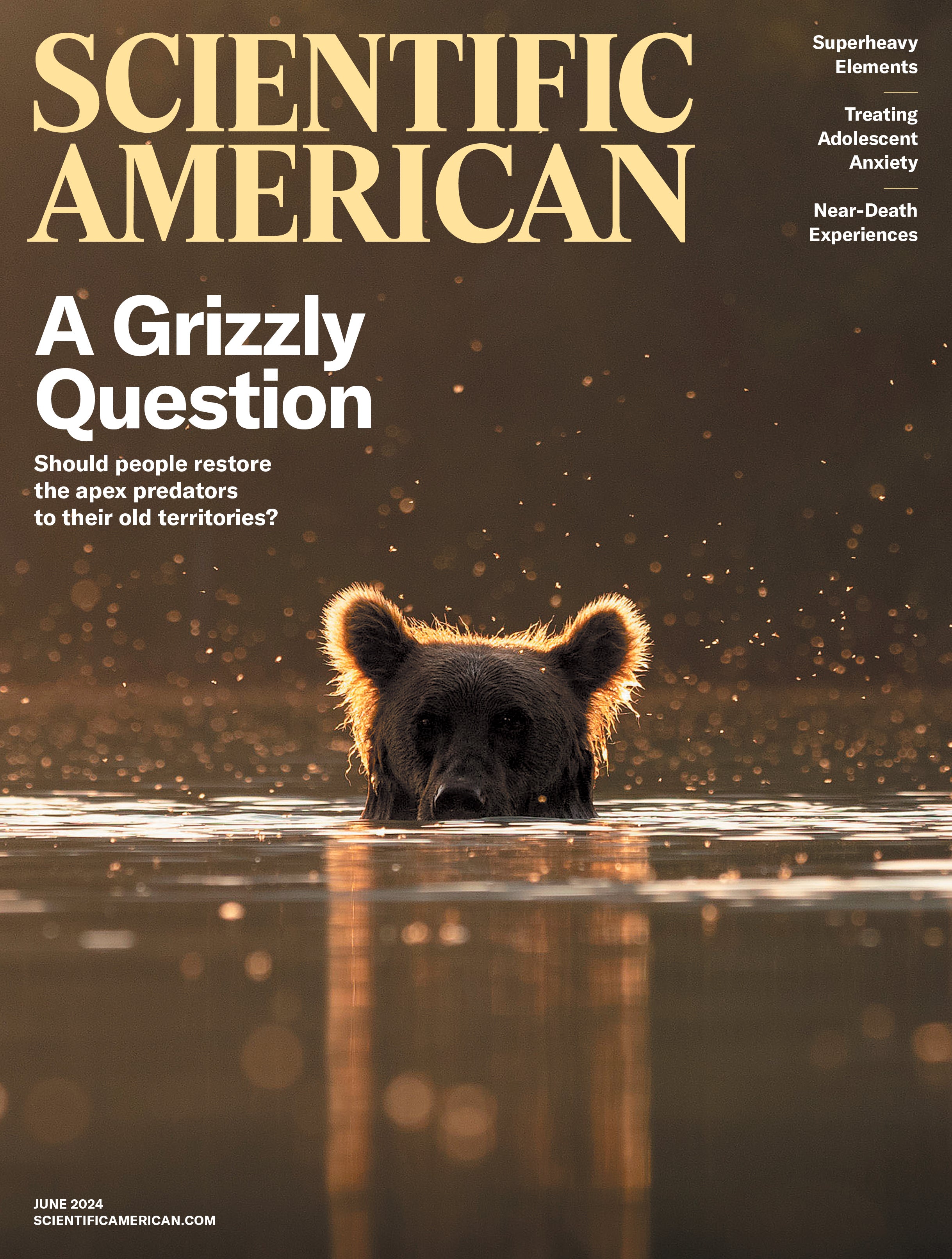
Scientific American Magazine – June 2024

Readers Respond to the February 2024 Issue | Scientific American

Scientific American (May 15, 2024)The June 2024 issue features:

Grizzly Bears Will Finally Return to Washington State. Humans Aren’t Sure How to Greet Them

BENJAMIN CASSIDY

Lifting the Veil on Near-Death Experiences

RACHEL NUWER

Research Preview: Science Magazine – May 10, 2024

Science Magazine – May 9, 2024: The new issue features ‘Volcanic Moon’ – Billions of years of activity on Jupiter’s moon Io…

Australia bets big on optical quantum computing

In AU$940 million deal, PsiQuantum will build “utility scale” facility

Report offers harsh verdict on global polio vaccine switch

Draft evaluation calls 2016 decision to change oral vaccines a “failure”

To probe outbreak, BSL-3 labs plan to infect cows with flu virus

Novel effort comes as study finds key receptor for avian flu virus in udders, where the virus flourishes

Research Preview: Nature Magazine – May 9, 2024

Volume 629 Issue 8011

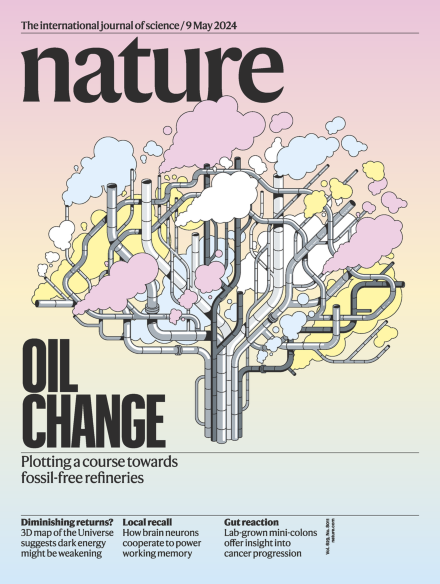
Nature Magazine – May 8, 2024: The latest issue cover features ‘ Oil Change’ – Plotting a course towards fossil-free refineries…

What China’s mission to collect rocks from the Moon’s far side could reveal

The Chang’e-6 mission aims to land in the Moon’s oldest and largest crater, where it will collect rocks to bring back to Earth.

First fetus-to-fetus transplant demonstrated in rats

The tissue developed into functioning kidneys and produced urine

Superconductivity hunt gets boost from China’s $220 million physics ‘playground’

From extreme cold to strong magnets and high pressures, the Synergetic Extreme Condition User Facility (SECUF) provides conditions for researching potential wonder materials

Research Preview: Science Magazine – May 3, 2024

Current Issue Cover

Science Magazine – May 2, 2024: The new issue features ‘Superspreading Seeds’ – Influencers spread health messages across remote villages; making sense of evidence on early childhood education; Brain and muscle clocks cooperate to resist aging…

A scientist is likely to win Mexico’s presidency. Not all researchers are rejoicing

A helicopter in midair with three bighorn sheep suspended from it.

Claudia Sheinbaum Pardo would be first researcher to lead the country, but critics worry she’ll be as hostile to science as her predecessor

Which wild animals carry the COVID-19 virus? An ambitious U.S. project aims to find out

Scientists test bighorn sheep, bears, moose, rats, and dozens of other species to track how SARS-CoV-2 moves between humans and wildlife

Preview: MIT Technology Review – May/June 2024

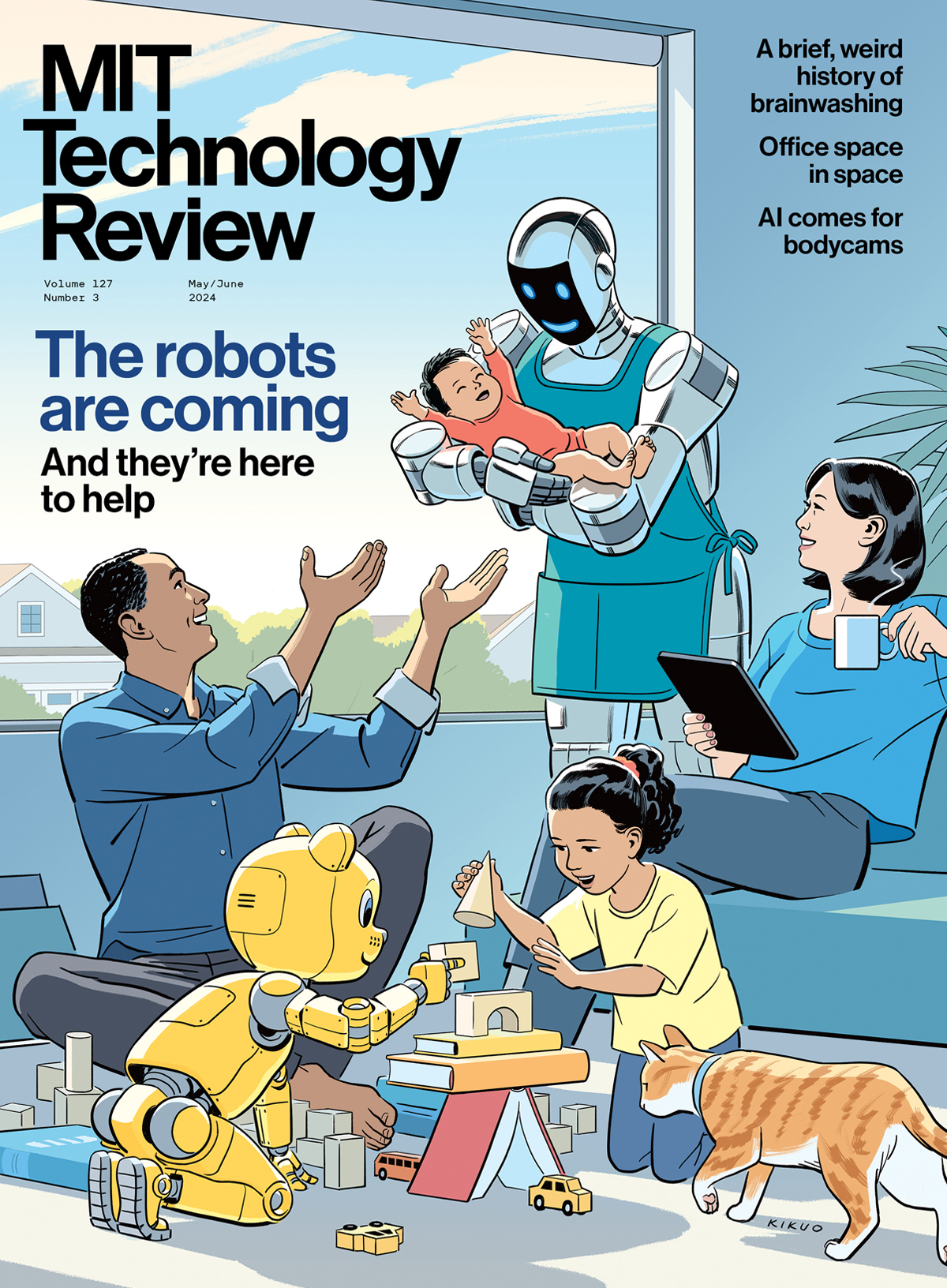
MIT Technology Review (April 29, 2024): The new issue features ‘The Robots Are Coming’ – And they’re here to help; A brief, weird history of brainwashing; Office space in space; AI comes for bodycams…

The Build issue

Who says we can’t still build things? In this issue: a look at the robots we’ve always wanted; a new model for space exploration; and efforts to flood-proof Louisiana’s coastline. Plus a wild, weird history of brainwashing; designing cheese with AI; and glow-in-the dark petunias.

Is robotics about to have its own ChatGPT moment?

Researchers are using generative AI and other techniques to teach robots new skills—including tasks they could perform in homes.Stretch Robot Presents Rose in its gripper

Research Preview: Science Magazine – April 26, 2024

Science Magazine – April 25, 2024: The new issue features ‘Born to Explore’ – Exploratory tendency leads to diversification; Can science address loneliness?; Vitamin D, microbiota, and cancer immunity; A safer version of a 140-year-old chemical reaction…

Microbes and vitamin D aid immunotherapy

Vitamin D modulates intestinal epithelial cell function to enhance antitumor microbes

The gut microbiome has been shown to modulate the response of cancer patients to therapy, but precisely how microbiota affect anticancer immunity is still being elucidated. Giampazolias et al. report that vitamin D bioavailability in mice influences the composition of the gut microbiome (see the Perspective by Franco and McCoy). After dietary manipulation, vitamin D levels were observed to affect gut bacteria, which in turn improved cancer immunotherapy and antitumor immunity. In humans, low vitamin D levels were correlated with tumor development, and gene signatures of vitamin D activity were associated with improved patient responses to immunotherapy. These findings highlight the connection between vitamin D and the immune system through gut bacteria and may have applications for improving cancer therapies.

The power of curiosity

Lake Tanganyika contains one of the most impressive adaptive radiations, with about 250 species of cichlid occupying a variety of niches. Much research has focused on understanding the drivers of this and other adaptive radiations. Trembo et al. looked in depth at 57 of these cichlid species with regard to their behavior, ecomorphology, and genomics. They found that one behavior in particular, a tendency to explore, was related to niche adaptation, and they identified a regulatory gene that is highly associated with this behavior. These findings suggest the existence of an adaptive syndrome driven in part by a tendency to explore what is new.

Research Preview: Nature Magazine – April 25, 2024

Volume 628 Issue 8009

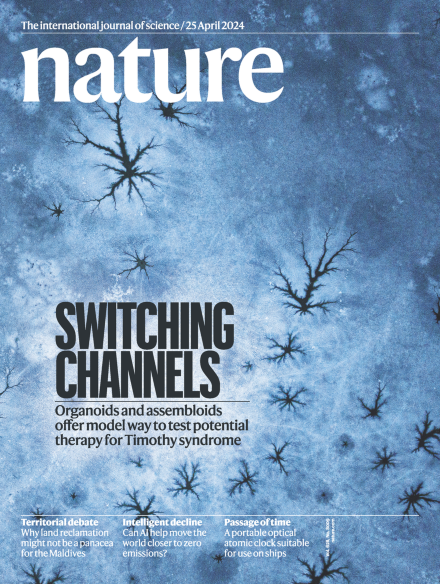
Nature Magazine – April 24, 2024: The latest issue cover features ‘ Switching Channels’ – Organoids and assembloids offer model way to test potential therapy for Timothy syndrome…

Detectors deep in South Pole ice pin down elusive tau neutrino

Antarctic observatory gathers the first clear evidence of mysterious subatomic particles from space.

A spa session for humpback whales

The gigantic animals have worked out an unusual way to exfoliate — a perfect way to deal with whale lice.

This water bottle purifies your drink with energy from your steps

Static electricity generated by the foot striking the ground can be captured to kill pathogens.

Burnt remains of Maya royalty mark a dramatic power shift

Finds in pyramid at Guatemalan site suggest that remains were disinterred and desecrated in a public ritual.

Research Preview: Science Magazine – April 19, 2024

Current Issue Cover

Science Magazine – April 18, 2024: The new issue features ‘Designed To Bind’ – Deep learning for protein and ligand modeling…

Brightest gamma ray burst ever emerged from collapsing star

NASA’s JWST telescope traces burst to a supernova but finds a puzzling lack of heavy elements

Native lizards taught to avoid toxic toads by released toadlets

Exposing monitor lizards to thousands of young cane toads helped them survive once the adult toads invaded

Hiring ban disrupts research at Florida universities

Suit seeks to overturn state law targeting graduate and postdocs from China and other “countries of concern”

Giant planets ran amok soon after Solar System’s birth

Meteorites suggest tumult occurred around the time of the Moon’s formation

Research Preview: Nature Magazine – April 18, 2024

Volume 628 Issue 8008

Nature Magazine – April 17, 2024: The latest issue cover features ‘Large mammals benefitting from responsible logging through forest certification…

Sea spray carries huge amounts of ‘forever chemicals’ into the air

Long-lived compounds emitted by industry reach the oceans and are then ferried by bubbles into the atmosphere.

An exoplanet is wrapped in glory

Astronomers spot the first planet outside the Solar System to boast a phenomenon reminiscent of a rainbow.

How to supercharge cancer-fighting cells: give them stem-cell skills

The bioengineered immune players called CAR T cells last longer and work better if pumped up with a large dose of a protein that makes them resemble stem cells.