
Read by: A Poetry Channel
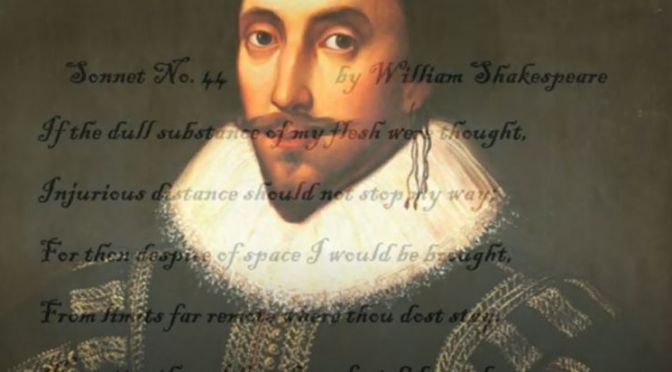
Sonnet 44 is one of 154 sonnets written by the English playwright and poet William Shakespeare. It is a member of the Fair Youth sequence, in which the poet expresses his love towards a young man. Sonnet 44 is continued in Sonnet 45.
Sonnet XLIV
If the dull substance of my flesh were thought,
Injurious distance should not stop my way;
For then despite of space I would be brought,
From limits far remote, where thou dost stay.
No matter then although my foot did stand
Upon the farthest earth removed from thee;
For nimble thought can jump both sea and land
As soon as think the place where he would be.
But ah! thought kills me that I am not thought,
To leap large lengths of miles when thou art gone,
But that, so much of earth and water wrought,
I must attend time’s leisure with my moan,
Receiving nought by elements so slow
But heavy tears, badges of either’s woe.

 In the latest episode in their series of Close Readings, Seamus Perry and Mark Ford look at the life and work of Robert Frost, the great American poet of fences and dark woods.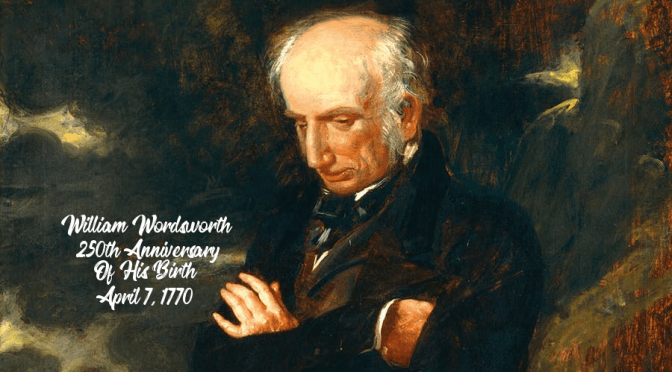
 ‘We are fond of tracing the resemblance between Poetry and Painting,’ wrote William Wordsworth
 When, in 1840 or so, a well-meaning houseguest called Margaret Gillies made a drawing of the 70-year old Mrs Wordsworth, everyone agreed that it was an excellent likeness; but her kind act was rewarded with a testy and somewhat ungracious sonnet from the sitter’s husband. He preferred to visualise Mary in her salad days: ‘’tis a fruitless task to paint for me, / Who, yielding not to changes Time has made, / By the habitual light of memory see / Eyes unbedimmed, see bloom that cannot fade, / And smiles that from their birth-place ne’er shall flee / Into the land where ghosts and phantoms be’.
 Boomers Daily