
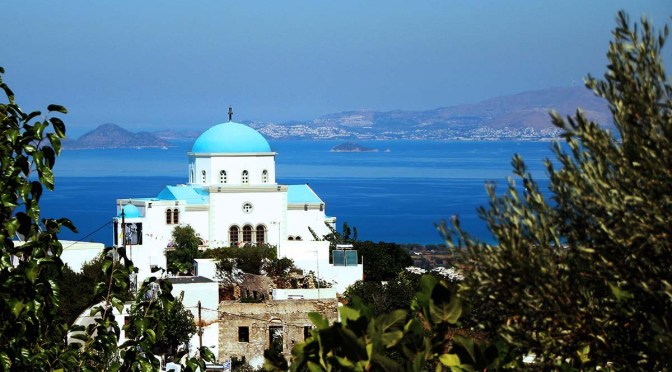
With long sandy beaches, a balmy climate and monuments from various historical eras, Kos was among the first Aegean islands to attract visitors –during the 1930s, under Italian rule. Despite its touristic role, Kos is in fact one of the most fertile Greek islands, with rich volcanic soil and an adequate water supply from its single mountain range.
Local melons have long been famous – old-timers as far away as the Cyclades remember the melon-peddlers from Kos – and they’re still sold at the roadside. Agriculture continues to co-exist with tourism, baled hay and grazing cattle (there are said to be almost as many cows as people – 18,000 – on Kos) found just behind beachfront hotel complexes.
As a strategic border island with Turkey, a military presence is inevitable if usually not intrusive – though it’s quite possible to catch a glimpse of exercising tanks, cattle and hotel wings all at once.
 Boomers Daily