
Medical wearables are quickly becoming a potential solution in a world where tele-health is gaining ground. Here are three examples of challenges in designing medical wearables, and how to overcome them.
Tag Archives: Wearables
Digital Health: The Future Of Wearable Devices
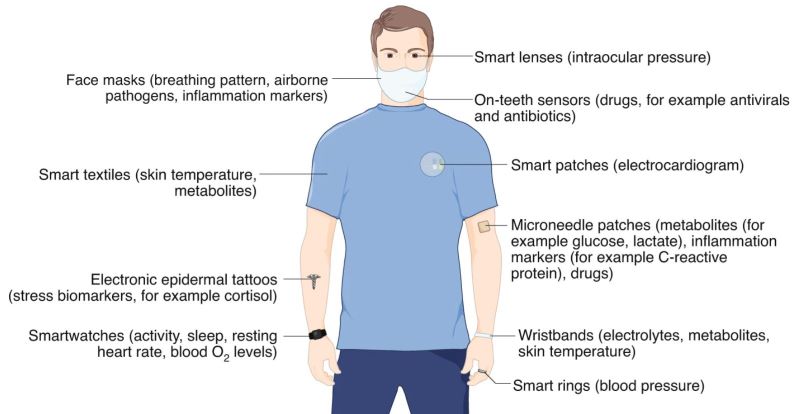

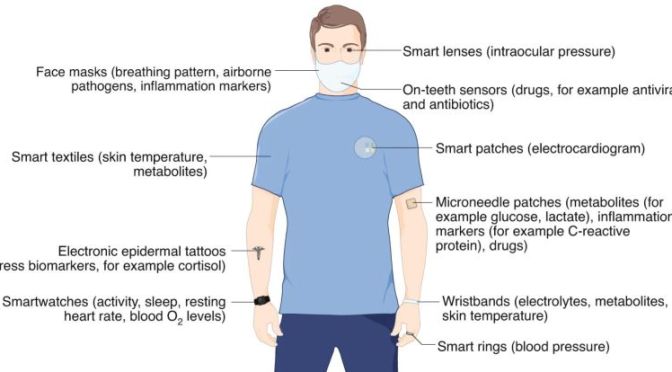
Currently, smartwatches provide information such as heart rate, sleep time and activity patterns. In the future, this could be augmented with new classes of wearable devices that monitor, for example, concentrations of cortisol for tracking stress (using electronic epidermal tattoos), biomarkers of inflammation and levels of blood O2 (microneedle patches), skin temperature (electronic textiles), blood pressure (smart rings), concentration of ions (wristbands), intraocular pressure (smart contact lenses), the presence of airborne pathogens and breathing anomalies (face masks), and the concentration of therapeutic drugs (on-teeth sensors)2,10,12,13,14,15,16. Such emerging low-cost wearable sensing technologies, monitoring both physical parameters and biochemical markers, could be used to identify symptomatic and pre-symptomatic cases in future pandemics. The devices could also be used to remotely monitor the recovery of individuals undergoing treatment or self-isolating at home.
Health: Scripps Research “DETECT” Wearable APP Study – A Viral Illness Early Warning System
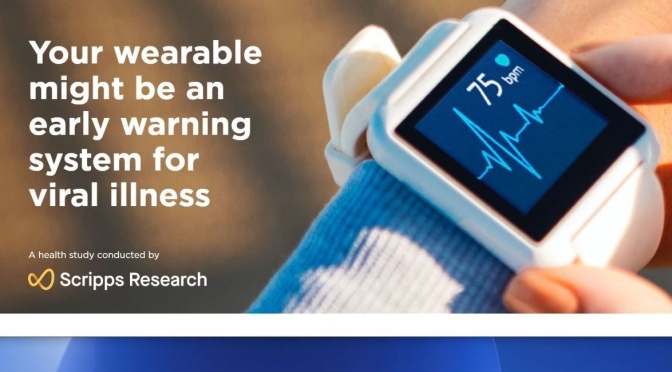
 When your heart beats faster than usual, it can mean that you’re coming down with a cold, flu, coronavirus, or other viral infection. That’s the conclusion of recent medical research.
So wearable devices that measure your resting heart rate—made by Apple, Fitbit, Garmin, and others—might help scientists spot viral outbreaks, and also give you more insight into your own health.
Scripps Research designed DETECT (Digital Engagement & Tracking for Early Control & Treatment), a study that will monitor your heart rate and allow you to record symptoms like fever or coughing.
 Boomers Daily