Tag Archives: Village Walks

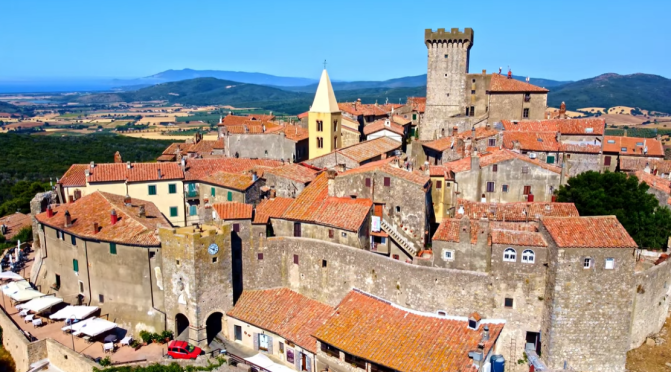
Village Walks: Capalbio In Grosseto, Western Italy

Capalbio, in the province of Grosseto, is called the small Athens, due to its position and the historical and artistic importance assumed in the Renaissance era. Located in the south of Tuscany, Capalbio stands on a hill covered by the typical Maremma scrub. The municipality was awarded with the 5 sails and it is in first place in the Blue Guide for the reception and quality of its area.

Video Timeline: 0:00 – [Drone intro] 3:00 – [Walking tour begins / Start at Piazza Giordano⛲] 4:50 – [Porta Senese (Siena Gate)☀️🏰] 6:20 – [History of Capalbio…more later…at 11:10] 9:34 – [Piazza Magenta⛲] 11:00 – [Panorama and tour around the walls👣] 11:10 – [📋𝗕𝗿𝗶𝗲𝗳 𝗛𝗶𝘀𝘁𝗼𝗿𝘆📋] 14:50 – [Via delle Campane (Bells’ Alley)] 20:30 – [Piazza della Chiesa (Church Square)] 21:40 – [Aldobrandini Castle / Collacchioni Palace🏰] 22:10 – [Church of St.Nicola – *tour inside*☀️⛪] 26:10 – [D’Annunzio’s poem of Capalbio🎼] 27:50 – [Northern Gate🏰] 28:35 – […touring the narrow medieval alleys of Capalbio…👣] 53:20 – [Walking along the walls – history of the walls☀️🏰] 1:01:00 – [☕️…some relax after this beautiful walk!…minutes of Ambient Sounds☕️]

Its history is closely connected to the Tre Fontane Castle of Rome, which today dominates the valley below. The different and characteristic neighboring hamlets make the village very famous. All small and characteristic, some of the hamlets are also known for the wonderful beaches, which offer numerous services and are suitable for families with children and for young people looking for fun.
Lakeside Village Walks: Morcote, Switzerland (4K)

The former fishing village of Morcote is situated on the shore of Lake Lugano and is undoubtedly one of the most frequently photographed places in Ticino. It was not without just cause that picturesque Morcote was voted Switzerland’s most beautiful village in 2016.

The overall appearance of Morcote is characterised by its division into two parts: a secular part on the Lake and an ecclesiastical part on the slope. Both parts have their own characteristic buildings.

The bank of the lake is lined with numerous imposing buildings such as Palazzo Paleari, as well as a number of simple buildings. The row of houses by the lake, with their magnificent arcades, is one of the most distinctive features of Morcote and characterises the view of the village from the lake in particular. Just behind these, the winding, cobbled laneways of the village centre unfold. Even today, these still clearly reveal its mediaeval origins.

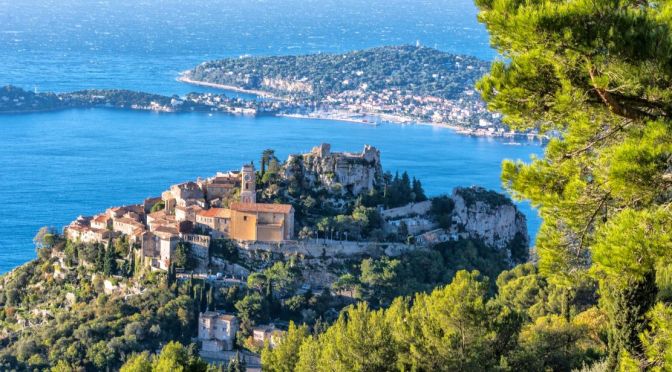
Village Walk: Dolceacqua In Northwestern Italy (4K)

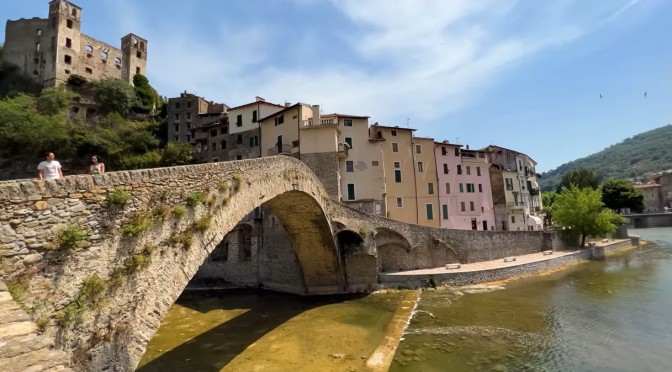
Dolceacqua is a comune in the Province of Imperia in the Italian region Liguria, located about 120 kilometres southwest of Genoa and about 35 kilometres west of Imperia, on the border with France.

The first official document that quotes Dolceacqua dates back to 1151, when the accounts of Ventimiglia had the first heart of the castle built at the top of the rocky speron overlooking the creek where the valley tightens and forks: the Roja valley on one side, the Val Nervia on the other.

In 1270 Dolceacqua was purchased by the Doria of Genoa and over the centuries the “Earth” was developed in the town that stands at the foot of the castle.

Village Walks: Amalfi In Southwestern Italy (4K)

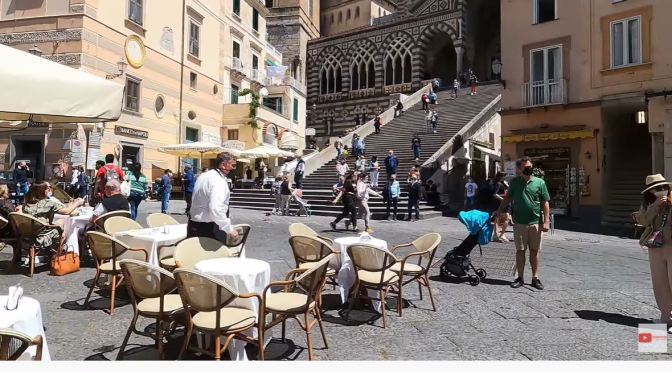
Amalfi is a town in a dramatic natural setting below steep cliffs on Italy’s southwest coast. Between the 9th and 11th centuries, it was the seat of a powerful maritime republic. The Arab-Norman Sant’Andrea cathedral at the heart of town, with its striped Byzantine facade, survives from this era. The Museo Arsenale Amalfi is a medieval shipyard-turned-exhibition space. 

Video Timeline Links: 00:00 Intro Amalfi, Italy Waling Tour 08:51 Flavio Gioia Square 11:27 Cathedral Square 12:17 Amalfi Cathedral 17:49 Cloister of Paradise 26:30 Municipio Square 31:37 Amalfi Main Beach 43:03 Nativity Scenes Fountain 1:00:52 Belvedere Cimitero Monumentale 1:10:54 Atrani 1:23:30 Atrani Umberto I Square 1:30:24 Atrani Collegiate St. Maria Maddalena

Village Walks: Varenna On Lake Como, Northern Italy

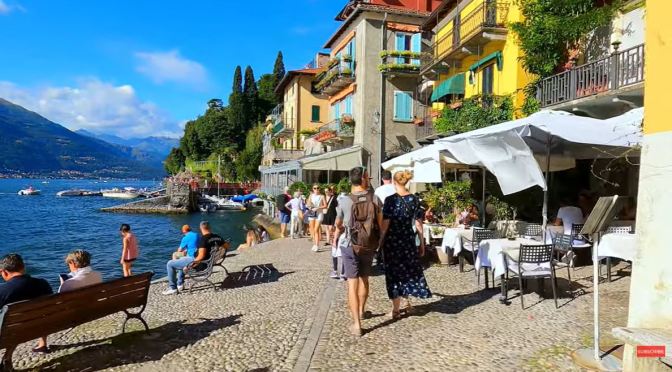
Varenna is a very romantic and suggestive place, overlooking the waters of the Lario. In Lombardy, it is perhaps the most suitable destination if you want to treat yourself to an alternative weekend. Varenna, just over 700 inhabitants, is a village located in the province of Lecco, about 20 minutes from the city.

The beating heart of the village is its central square, overlooked by the Church of San Giorgio. The building, dating back to the thirteenth century, was built on the foundations of an ancient Roman temple and is a splendid example of medieval Lombard architecture. A few steps away, on the opposite side of the square, we can admire the Church of San Giovanni Battista, dating back to the 11th century. Both religious buildings preserve, inside them, precious frescoes and some pictorial fragments of ancient origins.

Village Walks: Frigiliana In Southern Spain (4K)

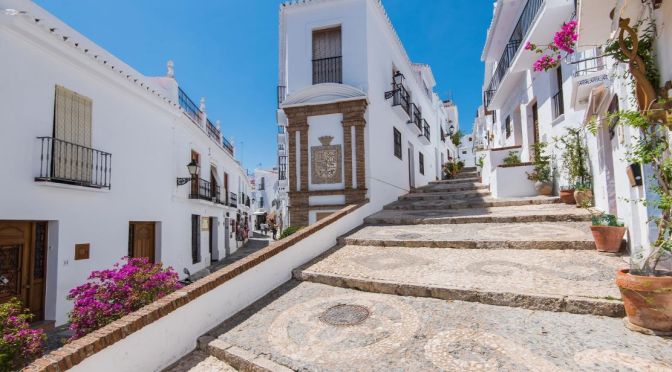
Frigiliana is a town in southern Spain. It’s known for its Moorish old quarter and narrow streets decorated with ceramic mosaics. El Ingenio is a 16th-century Renaissance palace now housing a sugar cane factory. Exhibits at the Archaeological Museum include Neolithic bones, Phoenician pottery and a 16th-century dagger. Sierras de Tejeda, Almijara y Alhama Natural Park shelters Spanish ibex and peregrine falcons. 

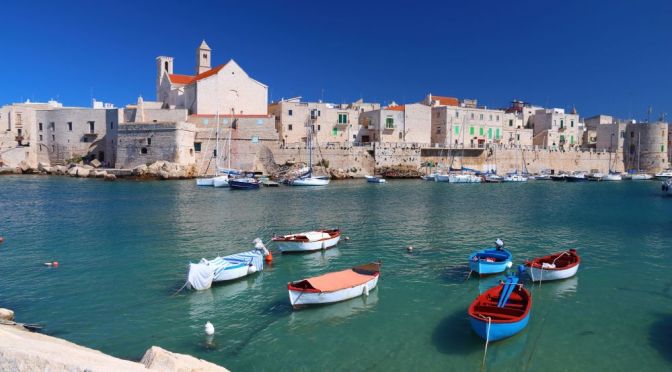
Village Walks: Giovinazzo, Puglia, Southeastern Italy

Giovinazzo is a town and former bishopric within the Metropolitan City of Bari, Apulia region, southeastern Italy. It was a small fortified centre of the Romans, who called it Natolium, maybe built on the ruins of the Peucete Netium which was destroyed during the Punic Wars. The main sights are: the Co-cathedral, dedicated to Santa Maria Assunta (Mary’s Assumption), built in the Norman period 1150–1180, in characteristic Apulian Romanesque style featuring Eastern and Western elements and the Ducal Palace. In the neighbourhood is Castel del Monte, one of the most famous castles in southern Italy.

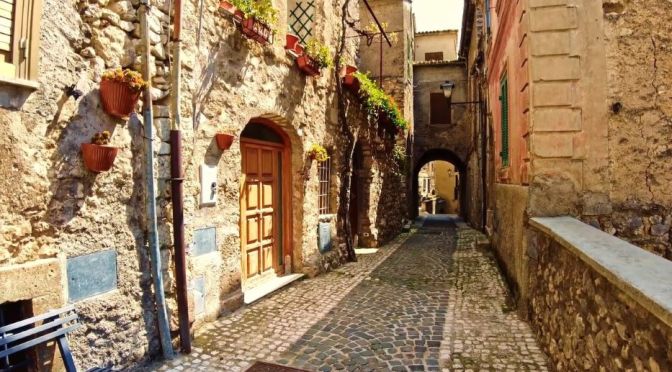
Village Walks: Guarcino In Lazio, Central Italy (4K)

A walking tour in Guarcino, region 𝗟𝗮𝘇𝗶𝗼, central Italy, province of Frosinone, a small town of about 1.500 inhabitants.

The origins of Guercino date back to the 8th century BC, when it was a settlement with the name of Vercenum of the Ernici, a pre-Roman Italic people, and strategic point in the valley of the Aniene river. Nowadays it is a favorite starting point for excursions into the limestone mountains, amid age old trees, spring waters and picturesque grottos.

Village Walks: Pitigliano In Tuscany, Italy (4K)

A breathtaking town carved into the Tufo rock, in the heart of the Tuscan Maremma, Pitigliano is one of the most beautiful villages in Italy.

Also known as Little Jerusalem, thanks to the large Jewish community it hosted within its walls in the 16th century, Pitigliano is definitely one for the bucket list next time you’re in Tuscany.

Perched on a cliff of local stone known as ‘tufo’, the town stands majestically at the crossroads of the valleys of the Lente, Meleta and Prochio, with a wonderful view of the wild and unspoiled Tuscan Maremma countryside.