

7 million liters of beer are drunk on average during Munich’s Oktoberfest . A tough job for the waiters who are serving the tables in the festival tents. Especially, if you’re an absolute beginner like Euromaxx reporter Brant Dennis. His challenge: to work as a server for one day, carrying 10 one-liter-mugs of beer at a time like the pros. Will he make it?
Tag Archives: Travel
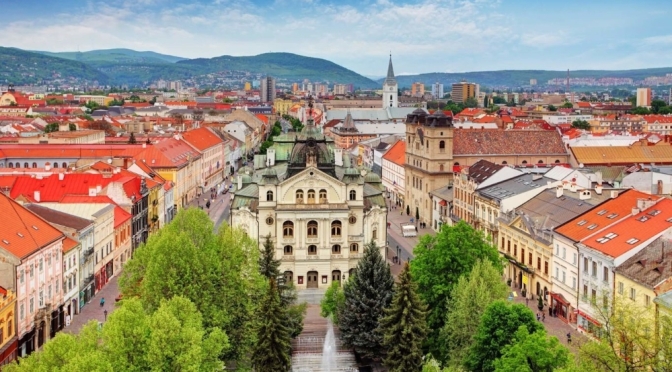
Summer Walks: Košice In Eastern Slovakia (4K)
Košice is a city in eastern Slovakia, close to the Hungarian border. Its origins go back to the medieval period, and the central Lower Gate archaeological complex preserves fortifications from the 13th century. Hlavné námestie, the main square, is home to 2 Gothic churches: the huge St. Elisabeth Cathedral and the 14th-century St. Michael Chapel. Nearby, St. Urban’s Tower contains a museum of wax figurines.
Filmed in September 2022.
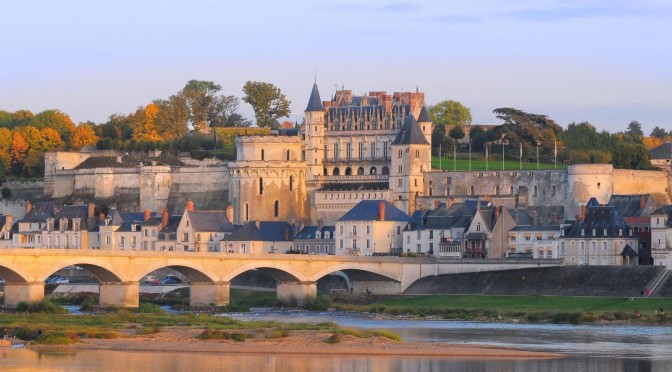
Walking Tour: Amboise In The Loire Valley, France
Amboise is a town in central France’s Loire Valley. It’s known for the Château d’Amboise, the grand 15th-century residence of King Charles VIII featuring Leonardo da Vinci’s tomb, as well as royal chambers, gardens and underground passageways. Just outside town, Château du Clos Lucé is Leonardo’s former home, where he lived until his death in 1519. It houses a small museum displaying working models of his designs.
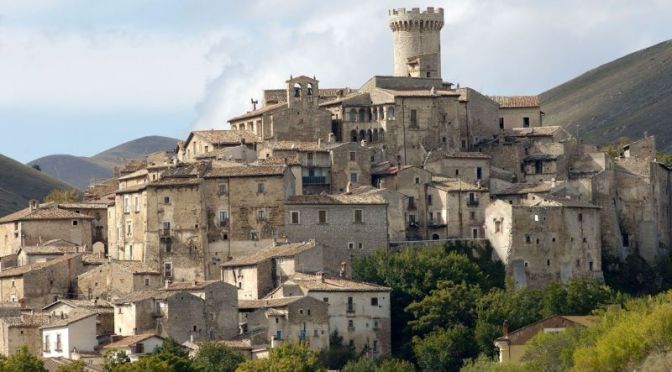
Walks: Santo Stefano di Sessanio In Southern Italy
Santo Stefano di Sessanio is a comune and hill town in the province of L’Aquila in the Abruzzo region of southern Italy. Located in the Gran Sasso e Monti della Laga National Park, in the highest region of the Apennines, this medieval hill town sits adjacent to the high plain of Campo Imperatore.
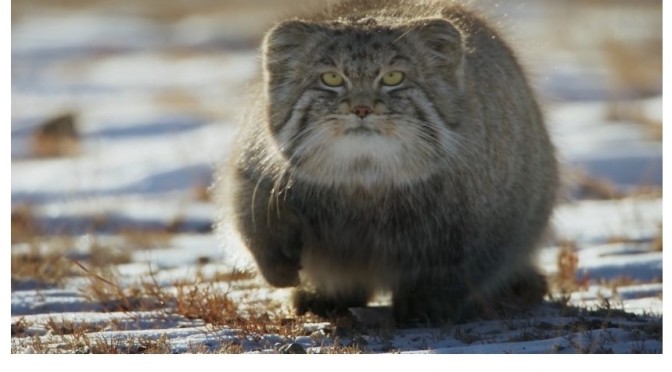
Wildlife: A Pallas’s Cat In The Steppes Of Mongolia
Dinnertime is a gamble for Pallas’s cats, and this one’s hangry. Relative to their body size, they have the shortest legs of any cat, which makes attacking prey in a timely fashion somewhat tricky…
The Pallas’s cat, also known as the manul, is a small wild cat with long and dense light grey fur. Its rounded ears are set low on the sides of the head. Its head-and-body length ranges from 46 to 65 cm with a 21 to 31 cm long bushy tail.
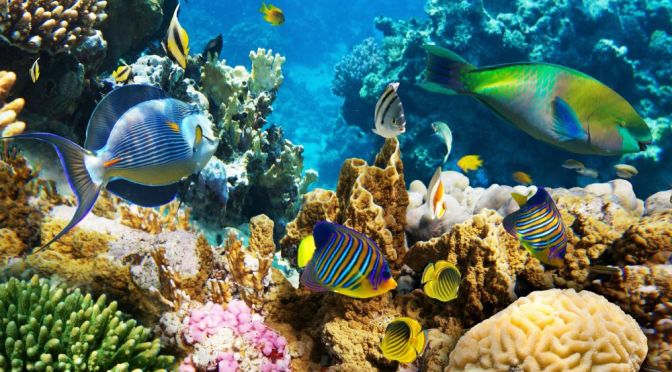
360° Views: Underwater Life In Marsa Alam, Egypt
A 360° underwater view in the waters off Marsa Alam, Egypt.
Marsa Alam is a resort town on the Red Sea in Egypt. It’s renowned for its sandy beaches and coral reefs. The U-shaped Abu Dabab Bay is known for its sea turtles and dugongs (sea cows). Kite-surf site El Naaba Lagoon is separated from the open sea by a coral reef. Wadi el-Gemal National Park, south of the town, encompasses desert, seagrass beds, reefs and islands.

Tibet Views: A Journey To Yumbu Lhakhang Palace
A journey to Yumbu Lhakhang, the first palace of Tibet. It was built before the Potala Palace for Nyatri Tsenpo, the first king of Tibet, in the 2nd century at the top of the Tashi Ciri hill in Tsedang. Tsedang, 149 kilometers from Lhasa city, is the cradle of Tibetan civilization.
The first palace, the first farmland, the first Tibetan people…. the earliest everything in Tibet was discovered from this place. On the way to Yumbu Lakhang, I visited Lhamo La-tso, the almost smallest but the most sacred lake for Tibetans. We Tibetans believe that we can see our past life on the surface of this holy lake. Like a gorgeous pearl hidden in the valley, this lake is a place of pilgrimage for we Tibetans.

Summer Walks: Le Marais In Central Paris, France
The fashionable Marais district in the 4th arrondissement, also known as SoMa (South Marais), is filled with hip boutiques, galleries, and gay bars. Once the city’s Jewish quarter, the area still hosts numerous kosher restaurants. The grassy Place des Vosges is home to elegant arcades and the Musée Victor Hugo, where the writer lived. Streets around Saint-Paul metro lead to the Maison Européenne de la Photographie.
Filmed in September 2022.

Sea Of Galilee Views: A Walk In Tiberias, Israel (4K)
Tiberias is an Israeli city on the western shore of the Sea of Galilee. Its Old City holds important Jewish and Christian pilgrimage sites including the Tomb of Maimonides and Abulafia (Etz Chaim) Synagogue.
Route timestamps: 00:00 Sea of Galilee 07:20 The city of Tiberias 27:14 Rambam’s Grave 31:31 Ancient city of Tiberias
The waterfront features the restaurant-lined Yigal Allon Promenade, a marina and a fish market. South of the city, Hamat Tiberias National Park is home to famed mineral hot springs dating to antiquity.
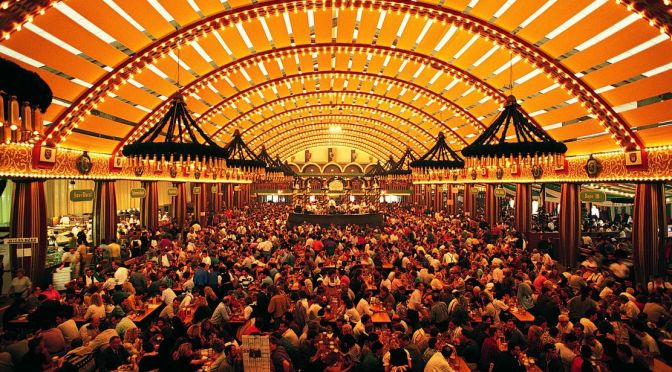
Travel & Culture: Visiting Munich’s Oktoberfest
Following a two-year break, Munich’s Oktoberfest is back! Dhruv Rathee and partner Juli visit the world’s largest Volksfest. The 17-day event kicks off with the traditional ‘parade of Wiesn landlords and breweries”.
Video timeline: 0:00 Intro 0:47 What is the Oktoberfest? 1:48 Parade of Wiesn landlords and breweries 2:58 A brief history of the Oktoberfest 3:39 Getting there 4:50 Dirndl and lederhosen 5:52 O’zaft is! – the opening tradition 7:10 Beer tents 8:28 Food 10:17 Rides and attractions 11:29 Tips for families
Dressed in their dirndls and lederhosen, they explore the many rides and attractions on the Wiesn – the field where it all takes place. Along with sampling some culinary delights, they of course have to drop in to one of the famous beer tents.
 Boomers Daily