

From a Cotswold Life online interview/review:
 “I suppose I started off with a fairly literal view of the world,” he says. “But, quite early on, it became clear to me that there was much more going on than simply the picture I was seeing; that the natural world had an agenda of its own; that it was going to live out life, regardless of how we viewed it and how we used it; and, indeed, regardless of the fancy metaphors that we used.”
Oh my goodness. Where to begin?
I could start with the ‘Praying Beech’ – a tree whose (‘whose’? The human possessive feels simultaneously wrong and yet just right) two branch stubs clasped each other like hands. Once, when the rain fell in an apocalyptic burst, Richard Mabey watched its bark melt in front of his eyes. It was, of course, no stranger to extremes of weather: one summer past, the tree had been split by lightning, bees hunkering down in its newly-created hollows. Sometime later, a storm had toppled it, leaving fungi free to colonise its delicious surfaces: knobbly coral spots; dead man’s fingers rising corpse-like from the tree’s own rot; white porcelain tufts, like Royal Worcester plates awaiting a delicate slice of egg-yellow sponge.
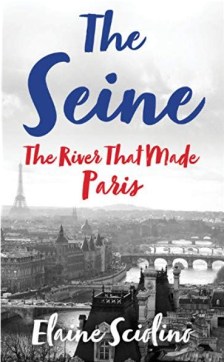 Sciolino’s keen eye and vivid prose bring the river to life as she discovers its origins on a remote plateau of Burgundy, where a pagan goddess healed pilgrims at an ancient temple. She follows the Seine to Le Havre, where it meets the sea. Braiding memoir, travelogue, and history through the Seine’s winding route, Sciolino offers a love letter to Paris and the river at its heart and invites readers to explore its magic.
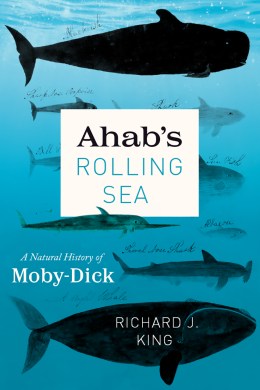 A revelation for Moby-Dick devotees and neophytes alike, Ahab’s Rolling Sea is a chronological journey through the natural history of Melville’s novel. From white whales to whale intelligence, giant squids, barnacles, albatross, and sharks, Richard J. King examines what Melville knew from his own experiences and the sources available to a reader in the mid-1800s, exploring how and why Melville might have twisted what was known to serve his fiction. King then climbs to the crow’s nest, setting Melville in the context of the American perception of the ocean in 1851—at the very start of the Industrial Revolution and just before the publication of On the Origin of Species.
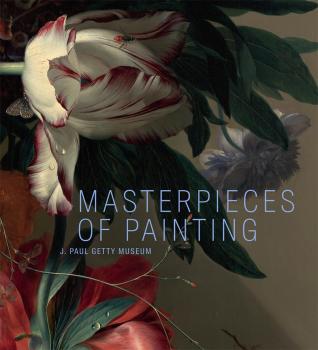 Masterpieces of Painting surveys more than one hundred of the most exquisite and significant paintings displayed in the museum’s famed, daylight-suffused galleries. Vibrant full-color illustrations and engaging descriptions of these masterworks reveal their fascinating histories and cultural, social, and religious meanings. Sure to enchant and edify all art lovers, this book is a spellbinding tour through the history of Western painting.
 Rooted in a passion for the Italian Renaissance as well as Dutch and Flemish Baroque works, the original collection of J. Paul Getty (1892–1976) has been transformed over four decades to include seminal pieces by celebrated masters such as Masaccio, Titian, Parmigianino, Cranach, El Greco, Rubens, van Dyck, Rembrandt, Poussin, Canaletto, Fragonard, Turner, Manet, Degas, Renoir, Monet, van Gogh, Cézanne, and Ensor.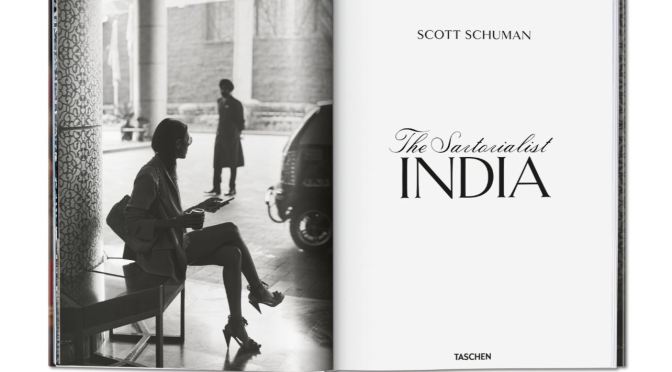
 I wanted this book to be a bit different. It’s not an encyclopaedia of India, but I really tried to go to a lot of different places and photograph whatever I saw that I thought seemed really visually intriguing. I went to music festivals, sporting events, wrestling…and there’s cricket and horse racing in this book too. There’s fashion week, and then small villages in Odisha. As a photographer, if you’re picky like I am, I didn’t want to just include say, a horse racing photograph, but I wanted to put myself in that position, and if I came up with something good, that would be great. I just wanted to try and put myself in a lot of different positions to see different elements of India.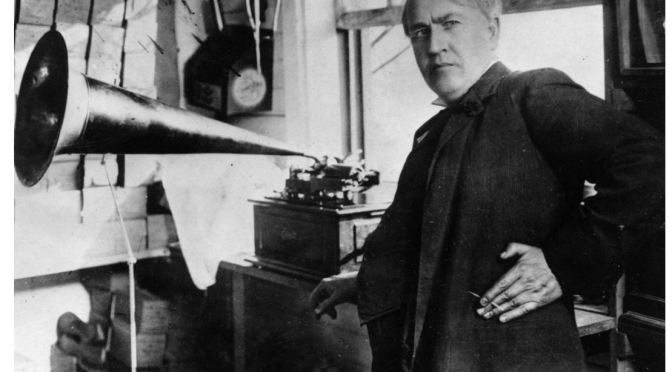
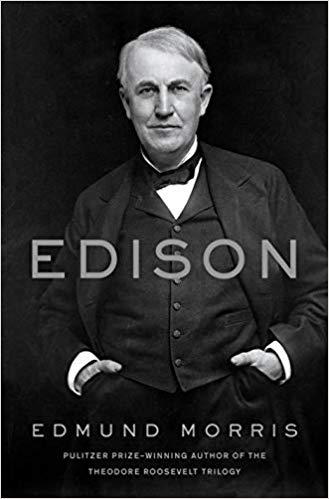 Not until July 16 did Edison feel that he had a device worth patenting. The application he signed that day specified multiple timpani that “reproduced” vocal inflections and a sibilant-sensitive diaphragm. But a laboratory visitor (spying for Bell) found the instrument more powerful than clear, with the word schism sounding more like kim.
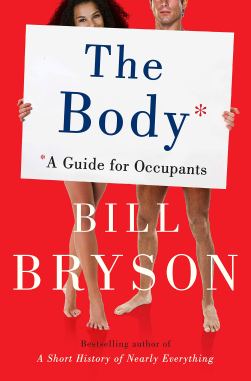 The single most astounding thing I found was that if you took all your DNA and formed it into a single fine strand, it would stretch to Pluto. I don’t think I’ve ever come across a fact that blew me away more than that — that there’s enough of me or you or anyone else to stretch to Pluto. There’s 10 billion miles of DNA inside you. That just seems unbelievable. The surprise is not that there’s so much to understand about the body but that we understand as much as we do.


 America’s most storied urban underdog, Brooklyn has become an internationally recognized brand in recent decades—celebrated and scorned as one of the hippest destinations in the world. In Brooklyn: The Once and Future City, Thomas J. Campanella unearths long-lost threads of the urban past, telling the rich history of the rise, fall, and reinvention of one of the world’s most resurgent cities.
 Noted Harvard-trained geriatrician Louise Aronson uses stories from her quarter century of caring for patients and draws from history, science, literature, popular culture, and her own life to weave a vision of old age that’s neither nightmare nor utopian fantasy—a vision full of joy, wonder, frustration, outrage, and hope about aging, medicine, and life itself.
 Boomers Daily