

 This week’s Nature podcast looks at how skin’s unusual response to stretching is finally explained, a coronavirus update and the latest in a huge effort to map DNA.
In this episode:
01:06 Stretching skin
For decades it’s been known that stretching skin causes more skin to grow, but the reasons why have been a mystery. Now, researchers have uncovered a mechanism to explain the phenomenon. Research Article: Aragona et al.; News and Views: Stretch exercises for stem cells expand the skin
07:49 Coronapod
We discuss how the coronavirus pandemic has affected scientific meetings and how the learned societies that organise them are adapting. How scientific conferences will survive the coronavirus shock; How scientific societies are weathering the pandemic’s financial storm;
A year without conferences? How the coronavirus pandemic could change research
18:18 Research Highlights
A genetic trait for pain-resistance, and the accessibility-aware ancient Greeks. Research Highlight: A gene helps women in labour to skip the painkillers; Research Highlight: This temple was equipped with accessibility ramps more than 2,000 years ago
20:42 ENCODE updates
The ENCODE project aims to identify all the regions in the human genome involved in gene regulation. This week, data from its third iteration has been published and we examine the highlights. Research Article: Snyder; News and Views: Expanded ENCODE delivers invaluable genomic encyclopaedia
28:50 Briefing Chat
We take a look at some highlights from the Nature Briefing. This time we look at how smallpox may be much older than previously thought, and how the Earth’s atmosphere rings like a bell. Nature News: Smallpox and other viruses plagued humans much earlier than suspected; Physics World:
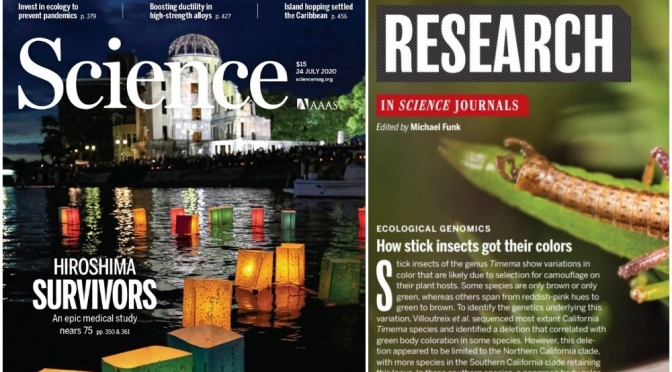

 Contributing Correspondent Dennis Normile talks about a long-term study involving the survivors of the Hiroshima and Nagasaki bombings. Seventy-five years after the United States dropped nuclear bombs on the two cities in Japan, survivors are still helping scientists learn about the effects of radiation exposure.



 Boomers Daily