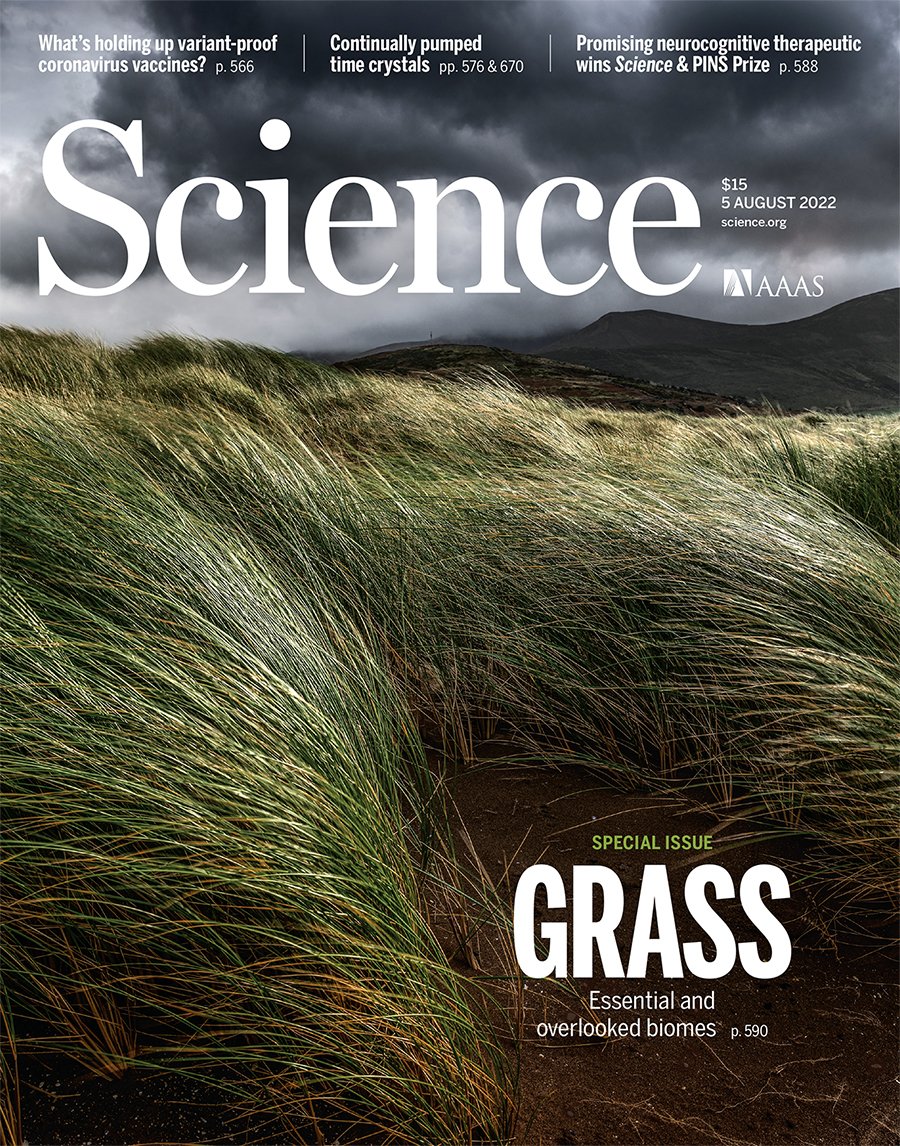
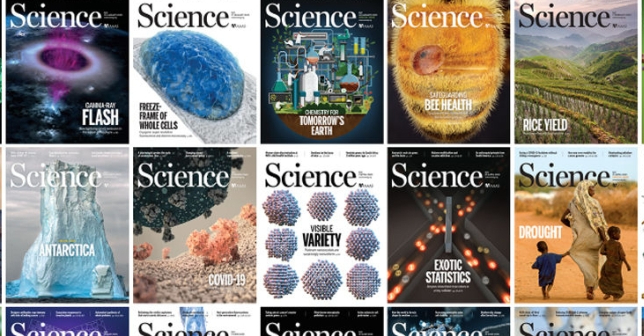
Marram grass, or beachgrass, grows on and stabilizes coastal sand dunes on Ireland’s Dingle Peninsula. Grasses, whether terrestrial or submarine, tend to be undervalued but have influenced the trajectory of human history through their domestication as food staples, as well as natural ecosystems worldwide. If restored and conserved appropriately, grasslands can benefit climate change mitigation efforts. See the special section beginning on page 590.
A new special issue of Science explores the unrecognized value of grass: https://fcld.ly/bo80dpr
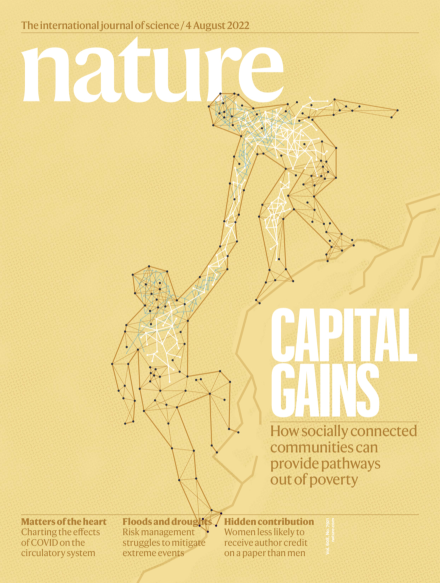
An individual’s social network and community — their ‘social capital’ — has been thought to influence outcomes ranging from earnings to health. But measuring social capital is challenging. In two papers in this week’s issue, Raj Chetty and his colleagues use data on 21 billion friendships from Facebook to construct a Social Capital Atlas containing measures of social capital for each ZIP code, high school and college in the United States. The researchers measure three types of social capital: connectedness between different types of people, social cohesion and civic engagement. They find that children who grow up in communities where people of low and high socio-economic status interact more have substantially greater chances of rising out of poverty. The team then examines what might limit social interactions across class lines, finding a roughly equal contribution from lack of exposure — because children in different socio-economic groups go to different schools, for example — and friending bias, the tendency for people to befriend people similar to them.
Giant study of ancient pottery and DNA challenges common evolutionary explanation for lactase persistence
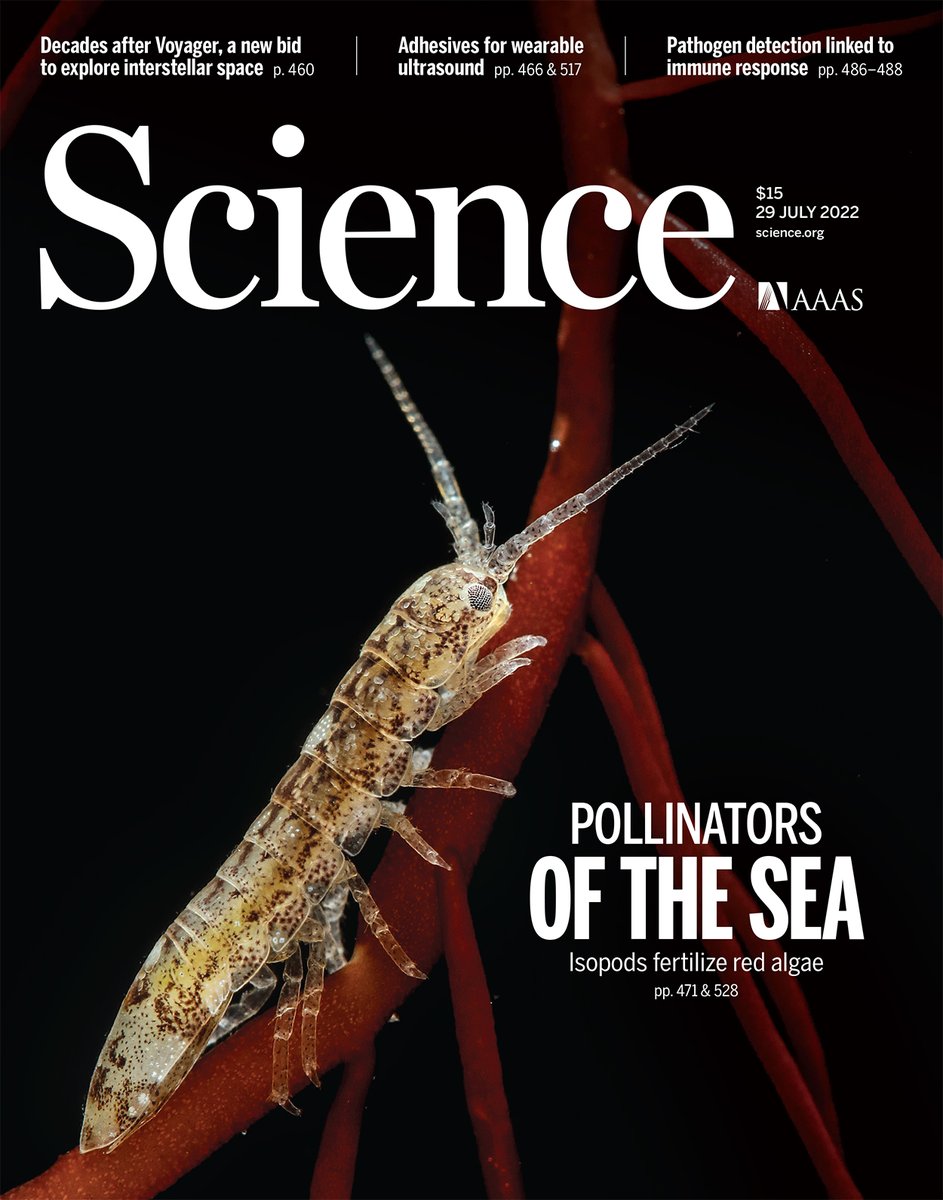
A small marine isopod plays a role in fertilizing red seaweed, according to a new report that presents evidence of animal-mediated “pollination” in the marine environment. Read that study and more this week in Science: https://fcld.ly/fhhe8ba
Ewen Callaway News 27 Jul 2022 – Dual action of ketamine confines addiction liabilityExperiments in mice show that although ketamine has positive reinforcement properties, which are driven by its action on the dopamine system, it does not induce the synaptic plasticity that is typically observed with addiction.
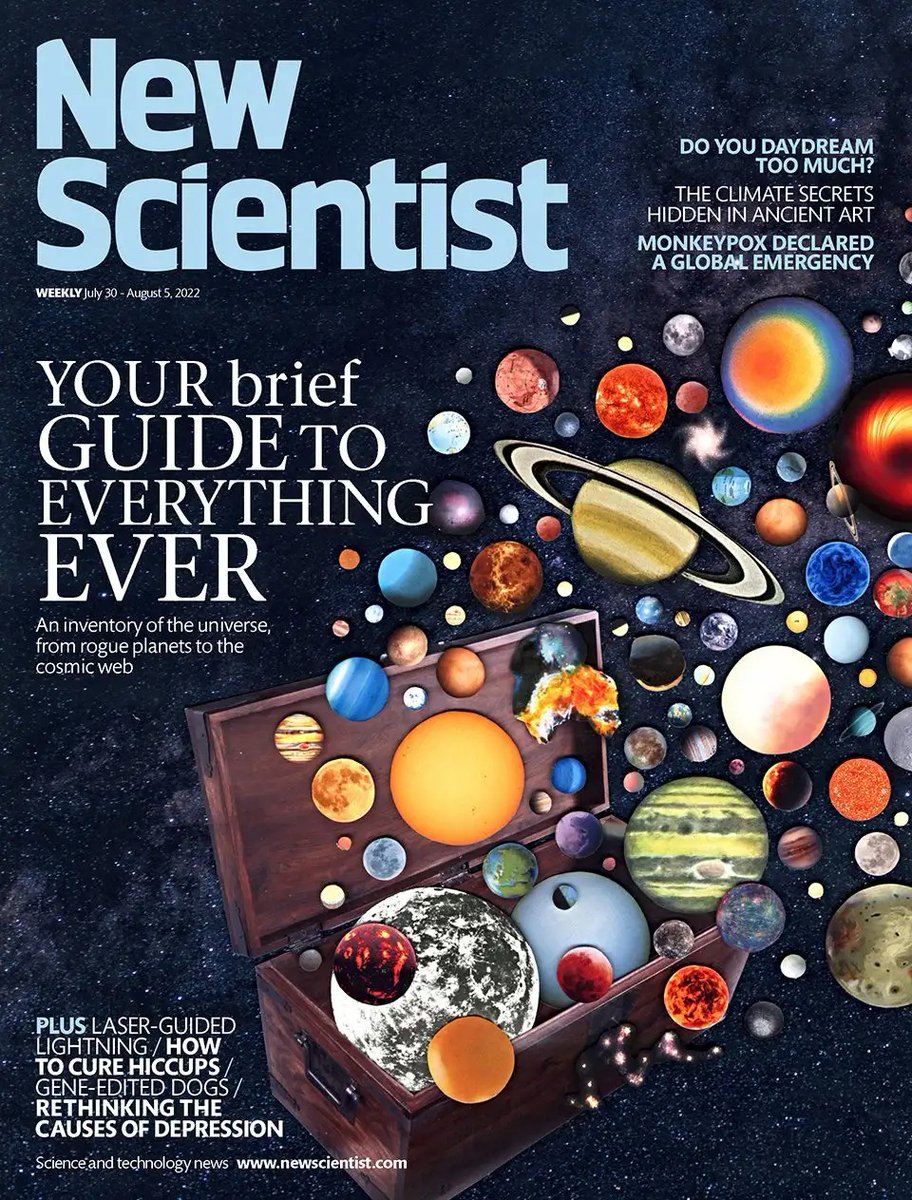
Excitingly, scientists say that alternative universes are allowed by physics. We find out about the leading multiverse theories, and establish whether they could harbour an alternate version of you.
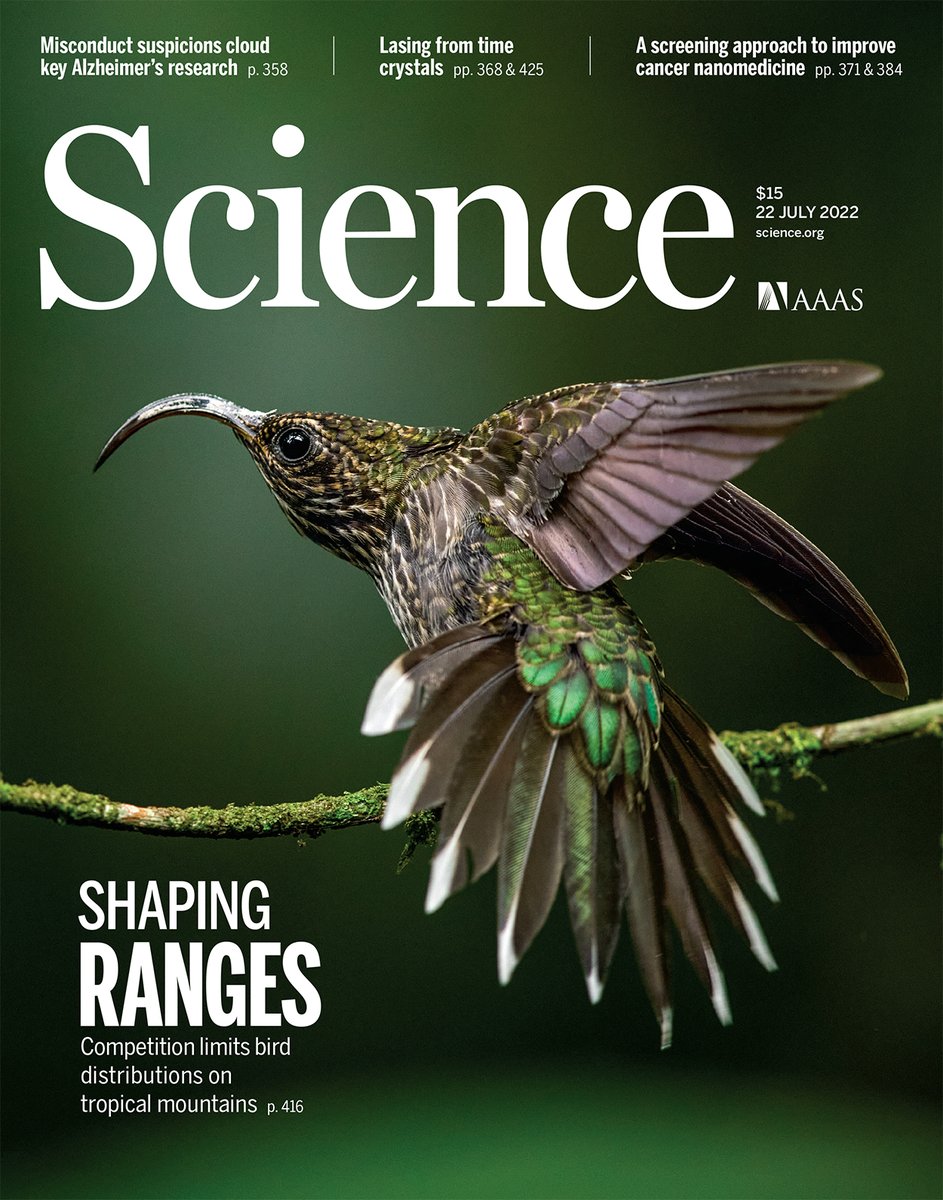
Species tend to live in narrower slices of mountainside on tropical versus temperate mountains. Stronger competition in the tropics explains this pattern for birds. For example, the habitable range of this white-tipped sicklebill (Eutoxeres aquila) is limited as a result of competition with its close relative, the buff-tailed sicklebill (Eutoxeres condamini). See page 416.
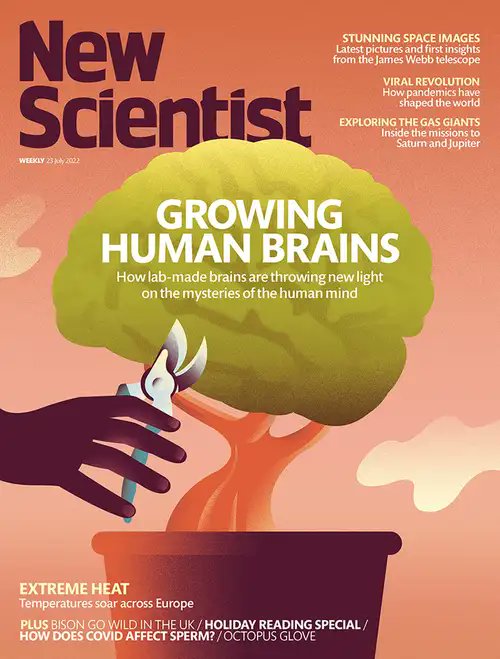
What lab-grown ‘mini-brains’ are revealing about this mysterious organ
Blobs of human brain cells cultivated in the lab, known as brain organoids or “mini-brains”, are transforming our understanding of neural development and disease. Now, researchers are working to make them more like the real thing
FEATURES – Historical plagues led to revolutions – could coronavirus do the same?
FEATURES – Scott Bolton on his missions to the gas giants of the solar system
FEATURES – What lab-grown ‘mini-brains’ are revealing about this mysterious organ
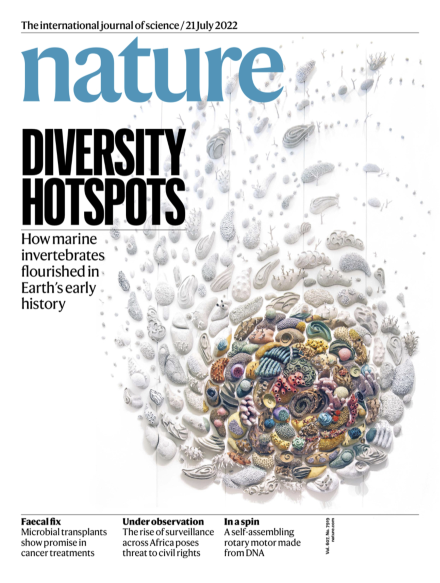
The cover shows an artistic impression of marine life in Indonesia’s coral reefs. The question of whether there are limits to biodiversity in the seas is typically addressed by examining the fossil record. In this week’s issue, Pedro Cermeño and his colleagues present a model that combines the fossil record with plate tectonics and Earth’s environmental conditions to offer insight into regional diversification of marine invertebrates. The researchers used the model to examine how biodiversity recovered after mass extinctions during the Phanerozoic eon, covering
some 500 million years of Earth’s history. They found that throughout the Phanerozoic, less than 2% of area of the globe covered by water showed signs of diversity levels reaching saturation. The team also note that as Pangaea broke up into continents, the stability of Earth’s environmental conditions allowed the development of diversity hotspots that helped to drive an increase in biodiversity in the late Mesozoic and Cenozoic eras.
News, Views and Reviews For The Intellectually Curious


 Boomers Daily