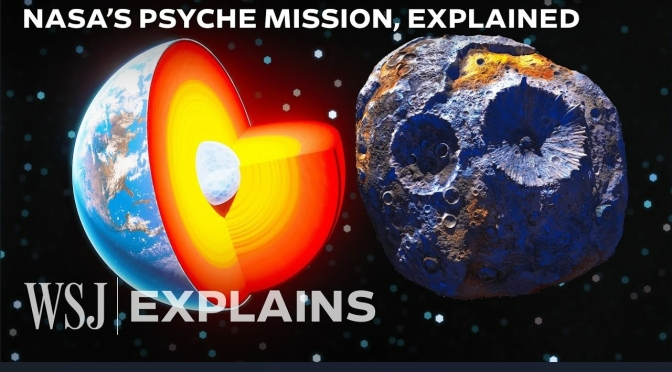
Wall Street Journal (October 13, 2023) – NASA launched a spacecraft on Friday to study the Psyche asteroid, which is believed to be made out of metal.
Video timeline: 0:00 NASA’s mission 0:46 The psyche asteroid 1:45 Why metal matters 3:04 What we can learn from the mission
The rocky inner planets of our solar system are thought to have mostly metallic cores. WSJ breaks down why this mission matters and what it could tell us about Earth’s origins.
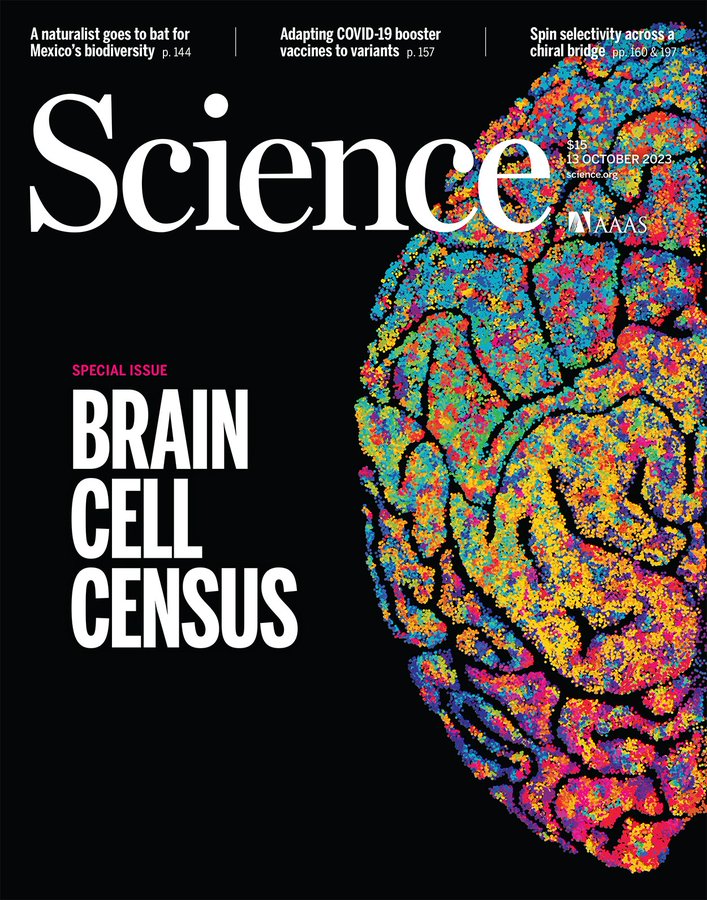
A cell census provides information on the source of human brain specialization
The brain is composed of multiple regions associated with distinct functions, which have become further specialized in the human lineage. To define how this specialization is implemented, how it arises during development, and how it has emerged over the course of human evolution, a detailed understanding of the cells that make up the human brain is required.
The ecology of whales in a changing climate
Some whale populations are exhibiting unexpected cycles of boom and bust
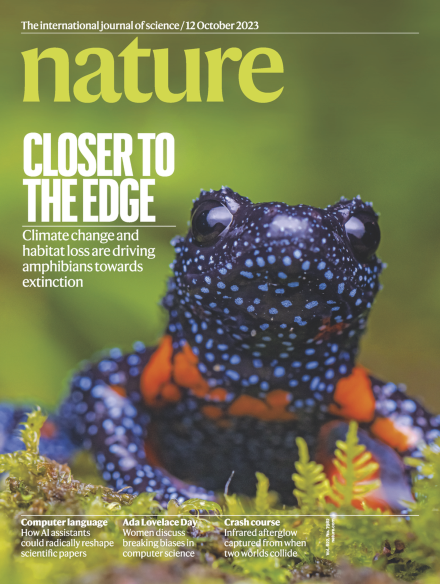
nature Magazine – October 12, 2023: The latest issue features the results of a comprehensive re-evaluation of the conservation status of amphibians since 2004.
Companies say the technology will contribute to faster drug development. Independent verification and clinical trials will determine whether this claim holds up.
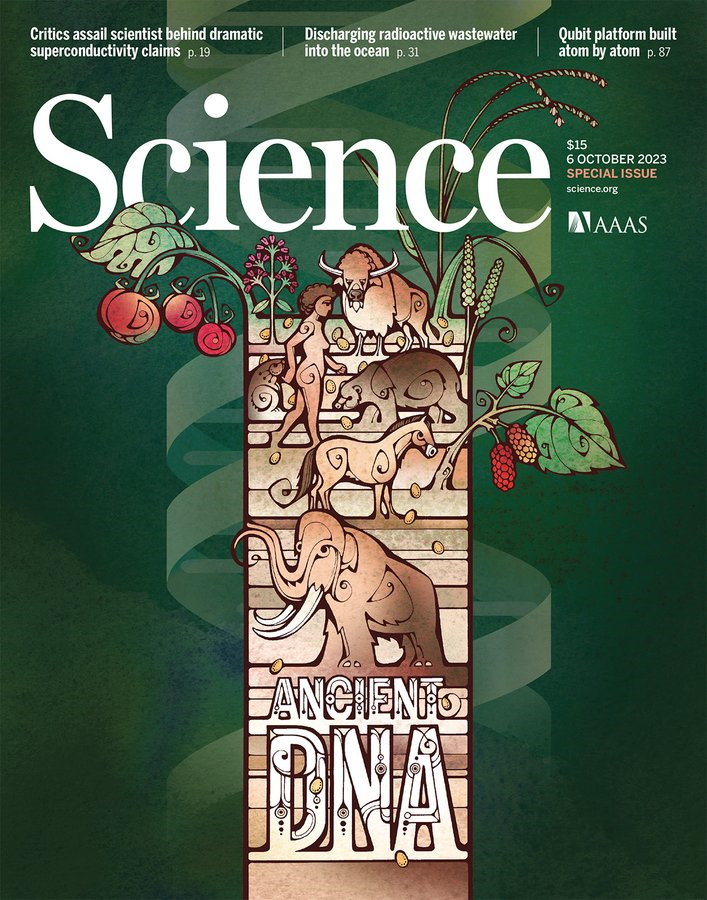
Science Magazine – October 6, 2023: The new issue features Ancient DNA; The risks of radioactive waste water release; Dating the arrival of humans in the Americas; and more…
The wastewater releas e from the Fukushima Daiichi nuclear plant is expected to have negligible effects on people and the ocean
In 2011, the east coast of Japan suffered an earthquake and tsunami that resulted in the meltdown of three of the reactors at the Fukushima Daiichi nuclear plant. This led to an uncontrolled release of large amounts of radioactive material to the surrounding land and to the Pacific Ocean.
A debate about the age of ancient footprints continues
Dating the oldest evidence for the presence of Homo sapiens in the Americas is a matter of ongoing debate. One view is that the earliest such evidence is from 16,000 to 14,000 years ago, after the Last Glacial Maximum (LGM), when people would have crossed the Beringian strait from Siberia over a dry land bridge.
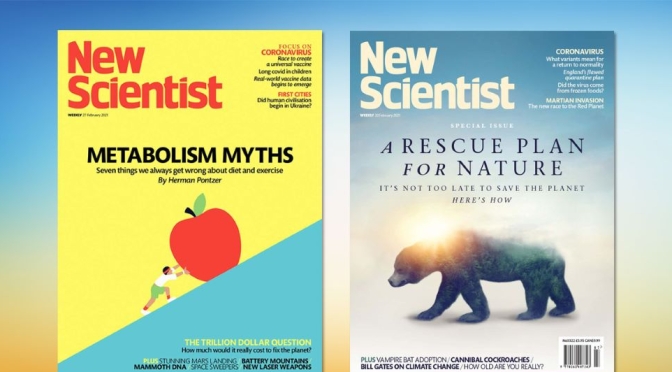
New Scientist Magazine (October 7, 2023): This issue features ‘You And Your Microbiome’; How the microbiome changes our idea of what it means to be human; The best way to care for your microbiome to keep it healthy as you age; and more…
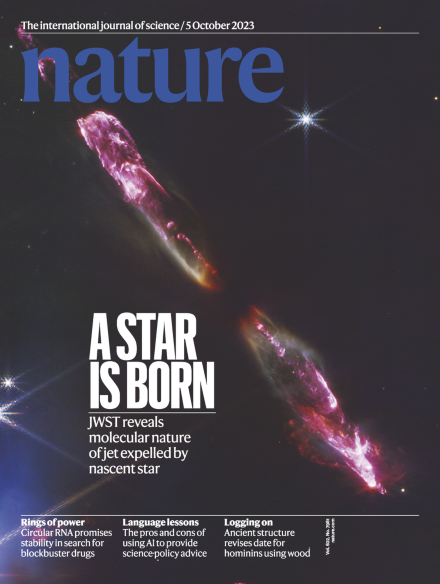
nature Magazine – October 5, 2023: The latest issue features a composite near-infrared image of Herbig-Haro 211, a striking interstellar jet emanating from a young star in the Perseus Molecular Cloud, captured by Tom Ray and his colleagues using the James Webb Space Telescope.
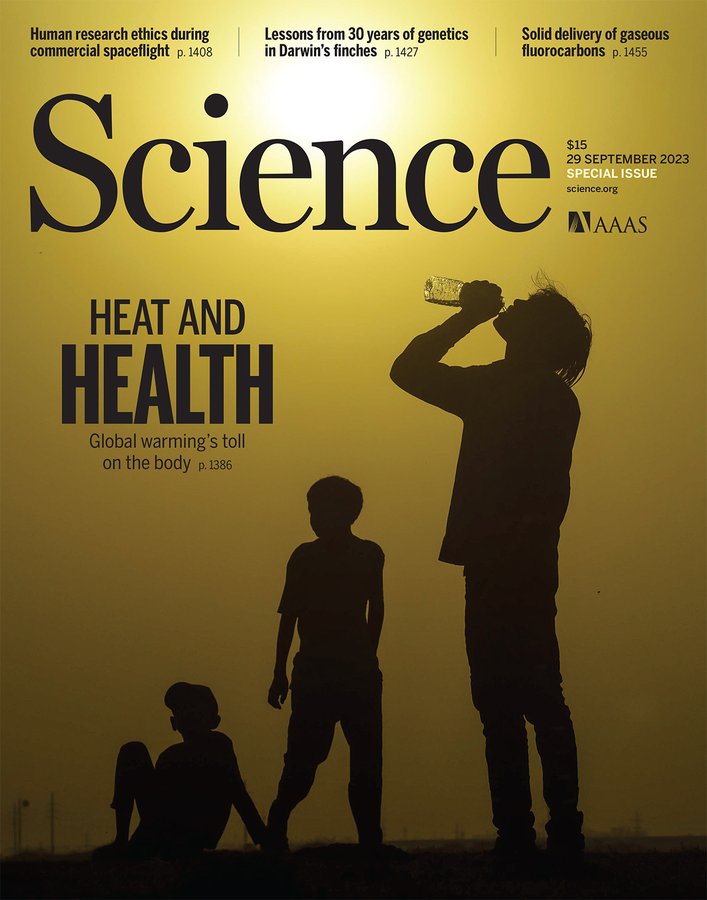
Earth scientists often call climate change a “great global experiment,” which humanity is heedlessly performing as we pump greenhouse gases into the atmosphere. The dire consequences are already becoming clear—not just for the workings of the planet, but for our own health. Over the next few days, the stories in this special package will explore the threats, and how we can minimize them.
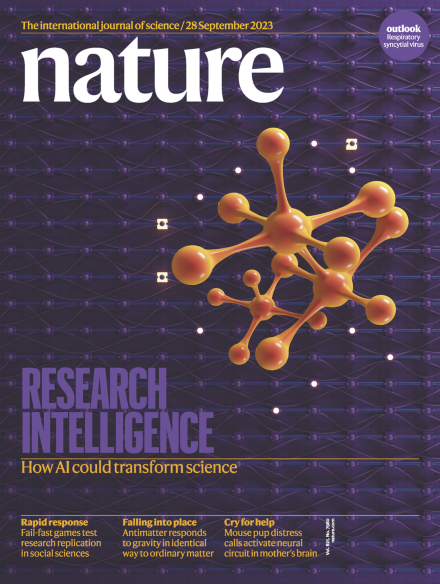
From cold viruses to influenza to respiratory syncytial virus, viruses that spread through the air cause billions of infections each year. That makes it important to understand how they will respond to climate change. But little is known so far, except that different viruses will react differently. Measles, for instance, spreads efficiently in all climates, suggesting global warming will make little difference to its transmission.
Deceptive videos and images created using generative AI could sway elections, crash stock markets and ruin reputations. Researchers are developing methods to limit their harm.
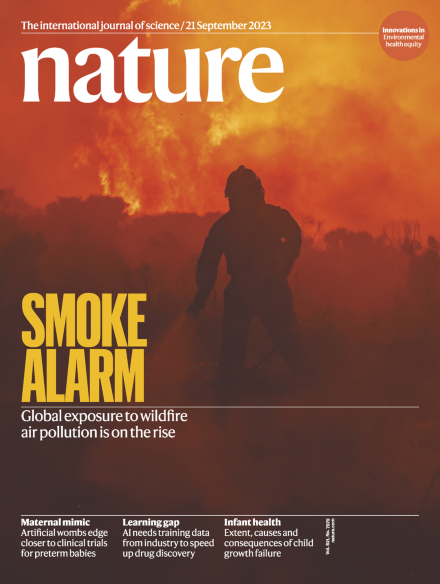
nature Magazine – September 21, 2023: In this week’s issue, an estimate of global human exposure to air pollution from landscape fires (dominated by wildfires, but also including planned or controlled open land fires) between 2000 and 2019.
As many countries head into autumn, they are targeting vaccinations at people in high-risk categories, leaving those at lower risk uncertain about what to do.
Climate change, civil war and international sanctions all contributed to the devastation caused by some of Libya’s worst flooding ever, researchers say.
News, Views and Reviews For The Intellectually Curious







 Boomers Daily