


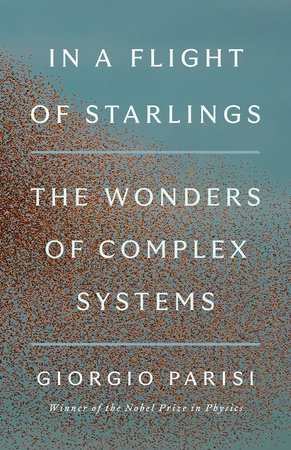
In a Flight of Starlings: The Wonders of Complex Systems by Giorgio Parisi
From the 2021 Nobel Prize winner in Physics, an enlightening and personal journey into the practice of groundbreaking science
With In a Flight of Starlings, celebrated physicist Giorgio Parisi guides us through his unorthodox yet exhilarating work, starting with investigating the principles of physics by observing the flight of flocks of birds. Studying the movements of these communities, he has realized, proves an illuminating way into understanding complex systems of all kinds—collections of everything from atoms and planets to other animals, such as ourselves.

I Feel Love: MDMA and the Quest for Connection in a Fractured World by Rachel Nuwer
In I Feel Love, science journalist Rachel Nuwer separates fact from fantasy, hope from hype, in the drug’s contested history and still-evolving future. Evidence from scientific trials suggests MDMA, properly administered, can be startlingly effective at relieving the effects of trauma. Results from other studies point to its usefulness for individual and couples therapy, for treating depression, alcohol addiction, and eating disorders, and for cultivating personal growth. Yet scientists are still racing to discover how MDMA achieves these outcomes, a mystery that is taking them into the inner recesses of the brain and the deep history of evolution.
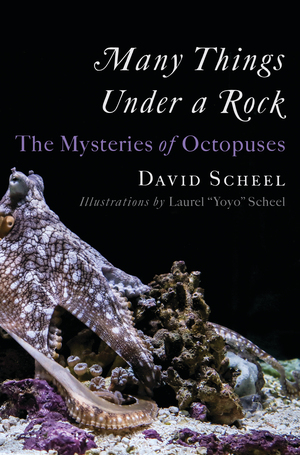
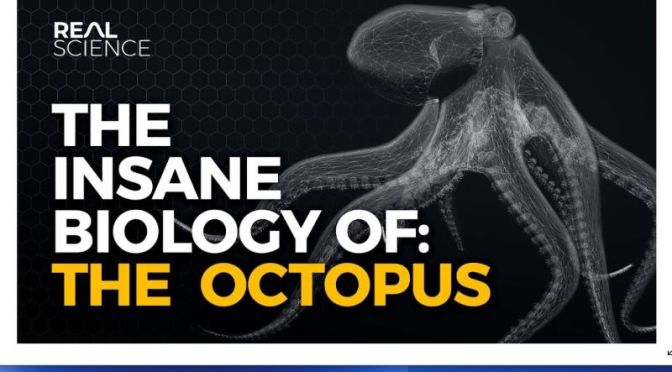
Many Things Under a Rock: The Mysteries of Octopuses by David Scheel
A behavioral ecologist’s riveting account of his decades-long obsession with octopuses: his discoveries, adventures, and new scientific understanding of their behaviors.
Of all the creatures of the deep blue, none is as captivating as the octopus. In Many Things Under a Rock, marine biologist David Scheel investigates four major mysteries about these elusive beings. How can we study an animal with perfect camouflage and secretive habitats? How does a soft and boneless creature defeat sharks and eels, while thriving as a predator of the most heavily armored animals in the sea? How do octopus bodies work? And how does a solitary animal form friendships, entice mates, and outwit rivals?

A fascinating exploration of the uncrackable codes and secret cyphers that helped win wars, spark revolutions and change the faces of nations.
There have been secret codes since before the Old Testament, and there were secret codes in the Old Testament, too. Almost as soon as writing was invented, so too were the devious means to hide messages and keep them under the wraps of secrecy
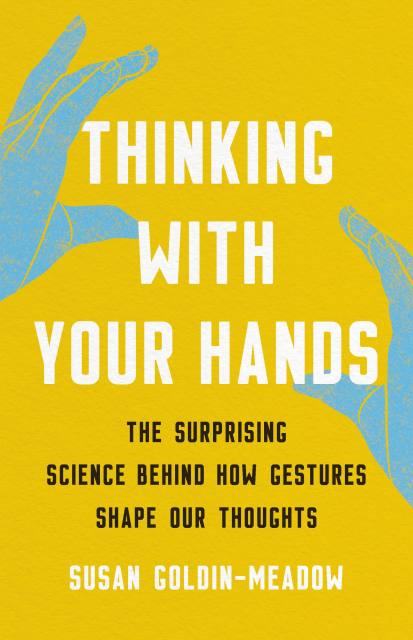
An astounding account of how gesture, long overlooked, is essential to how we learn and interact, which “changes the way you think about yourself and the people around you.” (Ethan Kross, bestselling author of Chatter)
In Thinking with Your Hands, esteemed cognitive psychologist Susan Goldin-Meadow argues that gesture is vital to how we think, learn, and communicate. She shows us, for instance, how the height of our gestures can reveal unconscious bias, or how the shape of a student’s gestures can track their mastery of a new concept—even when they’re still giving wrong answers. She compels us to rethink everything from how we set child development milestones, to what’s admissible in a court of law, to whether Zoom is an adequate substitute for in-person conversation.

 Boomers Daily