Tag Archives: Mount Fuji

Timelapse Travel Views: ‘Magnificent Japan’ (4K)

“雄大 (YUDAI)” means magnificent in Japanese. The film is a Timelapse and Hyperlapse depiction of magnificent Japan.

Japan, island country lying off the east coast of Asia. It consists of a great string of islands in a northeast-southwest arc that stretches for approximately 1,500 miles (2,400 km) through the western North Pacific Ocean. Nearly the entire land area is taken up by the country’s four main islands; from north to south these are  Hokkaido  (Hokkaidō),  Honshu  (Honshū),  Shikoku, and Kyushu (Kyūshū). Honshu is the largest of the four, followed in size by Hokkaido, Kyushu, and Shikoku. In addition, there are numerous smaller islands, the major groups of which are the Ryukyu (Nansei) Islands (including the island of Okinawa) to the south and west of Kyushu and the IzuBonin (Ogasawara), and  Volcano  (Kazan) islands to the south and east of central Honshu. The national capital, Tokyo (Tōkyō), in east-central Honshu, is one of the world’s most populous cities.

Filmed and Edited by: Daisuke Shimizu
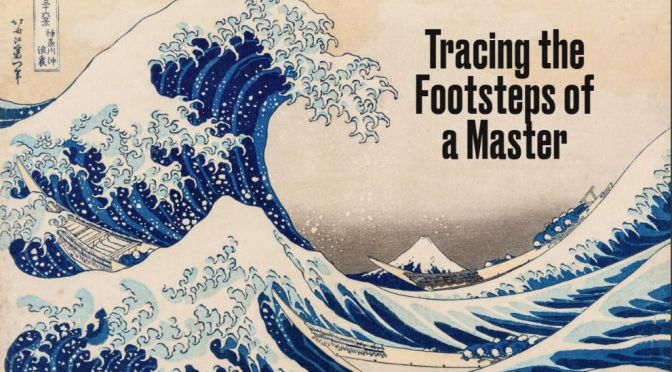
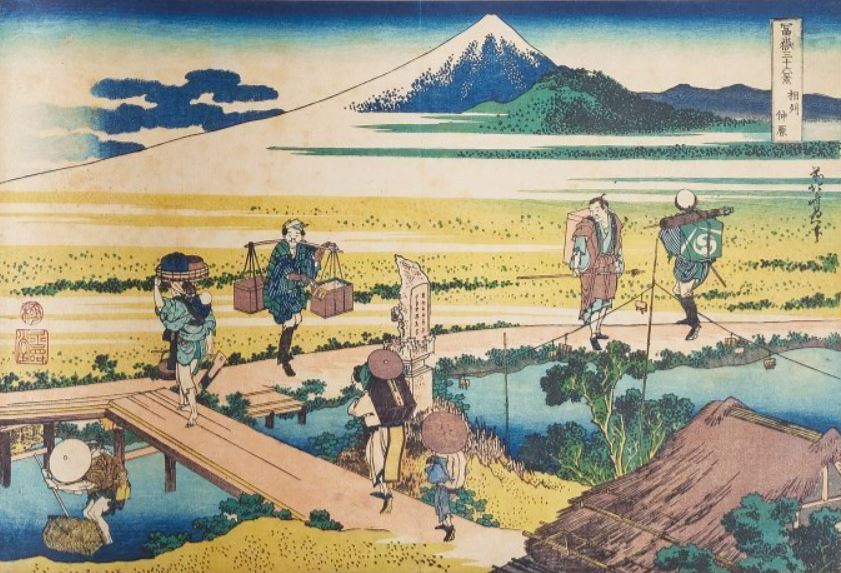
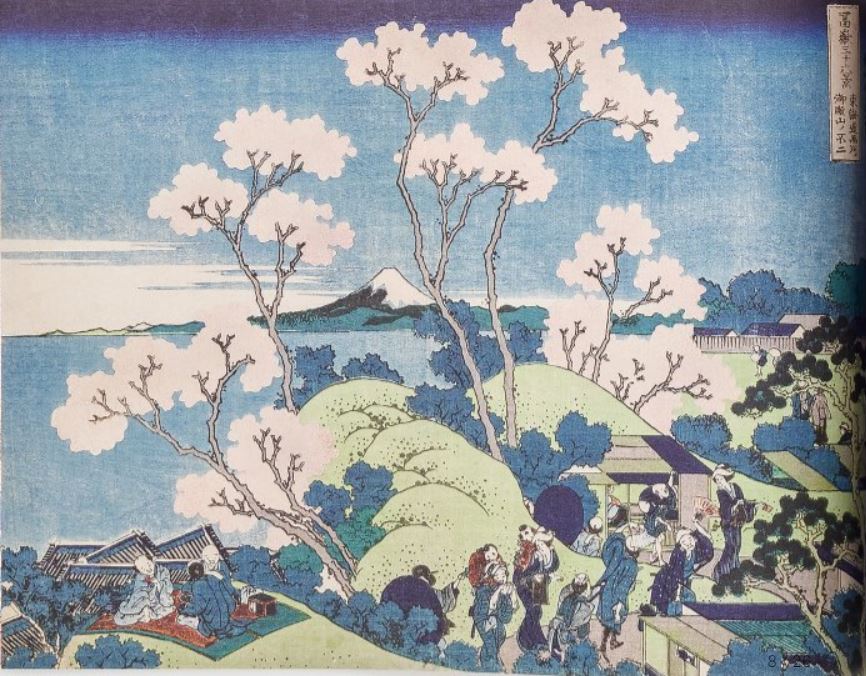
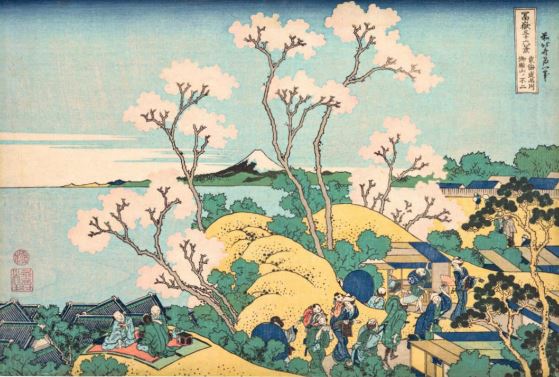
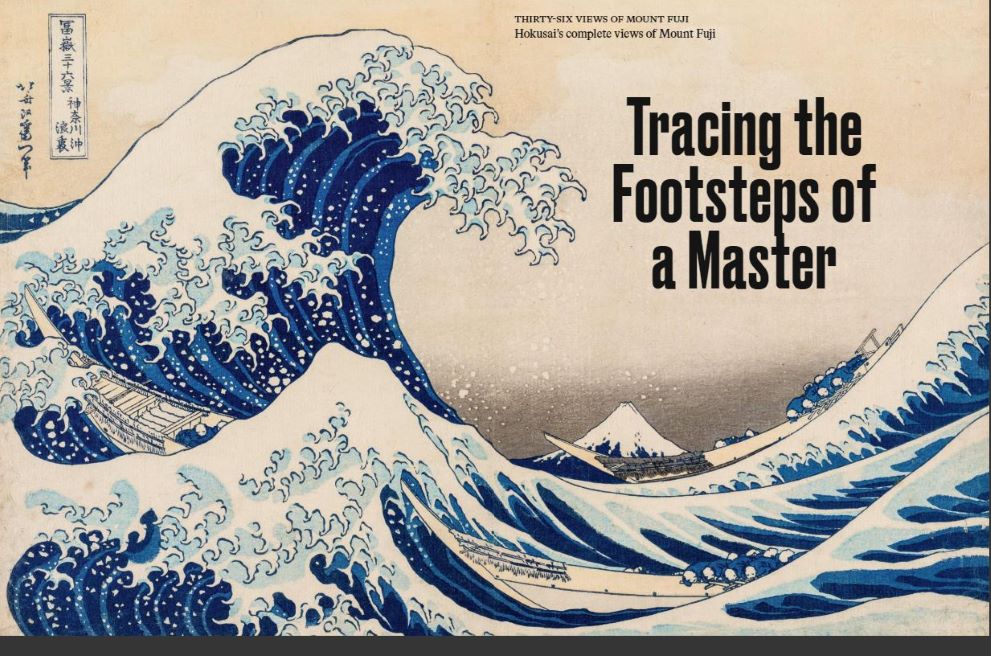
Art: ‘Hokusai. Thirty-Six Views Of Mount Fuji’

Mount Fuji has long been a centerpiece of Japanese cultural imagination, and nothing captures this with more virtuosity than the landmark woodblock print series Thirty-six Views of Mount Fuji by Katsushika Hokusai (1760–1849).

The renowned printmaker documents 19th-century Japan with exceptional artistry and adoration, celebrating its countryside, cities, people, and serene natural beauty. Produced at the peak of Hokusai’s artistic ambition, the series is a quintessential work of ukiyo-e that earned the artist world-wide recognition as a leading master of his craft.

The prints illustrate Hokusai’s own obsession with Mount Fuji as well as the flourishing domestic tourism of the late Edo period. Just as the mountain was a cherished view for travelers heading to the capital Edo (now Tokyo) along the Tōkaidō road, Mount Fuji is the infallible backdrop to each of the series’ unique scenes. Hokusai captures the distinctive landscape and provincial charm of each setting with a vivid palette and exquisite detail. Including the iconic Under the Great Wave off Kanagawa (also The Great Wave), this widely celebrated series is a treasure of international art history.

Read more

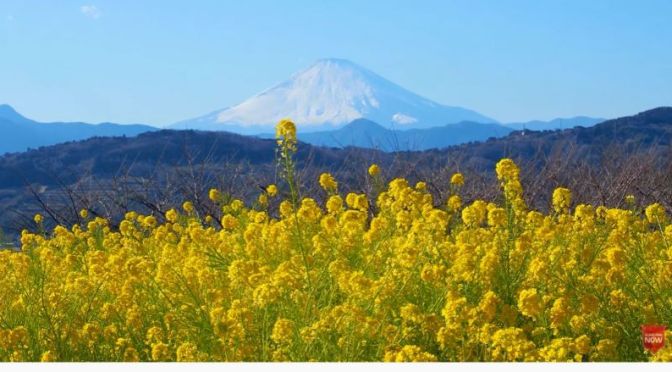
Early Spring Views: ‘Mount Fuji, Japan Framed By Wild February Flowers’ (Video)

Filmed on February 9, 2021

Shizuoka Prefecture (静岡県, Shizuoka-ken) is a prefecture of Japan located in the Chūbu region of Honshu.[1] As of December 2019, Shizuoka Prefecture has a population of 3,637,998 and has a geographic area of 7,777.42 km2 (3,002.88 sq mi). Shizuoka Prefecture borders Kanagawa Prefecture to the east, Yamanashi Prefecture to the northeast, Nagano Prefecture to the north, and Aichi Prefecture to the west.

Shizuoka is the capital and Hamamatsu is the largest city in Shizuoka Prefecture, with other major cities including FujiNumazu, and Iwata.[2] Shizuoka Prefecture is located on Japan’s Pacific Ocean coast and features Suruga Bay formed by the Izu Peninsula, and Lake Hamana which is considered to be one of Japan’s largest lakes. Mount Fuji, the tallest volcano in Japan and cultural icon of the country, is partially located in Shizuoka Prefecture on the border with Yamanashi Prefecture. Shizuoka Prefecture has a significant motoring heritage as the founding location of HondaSuzuki, and Yamaha, and is home to the Fuji International Speedway.

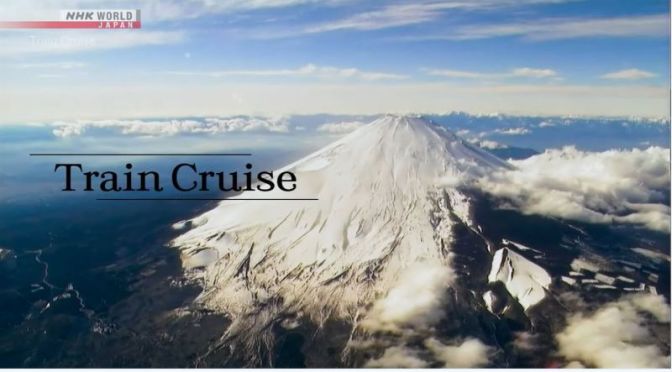
Train Travel: Countryside Around ‘Mt. Fuji, Japan’

Take a trip back in time and trace the paths of past travelers in the post towns and sacred spaces found in the majestic mountains of the Japanese countryside.

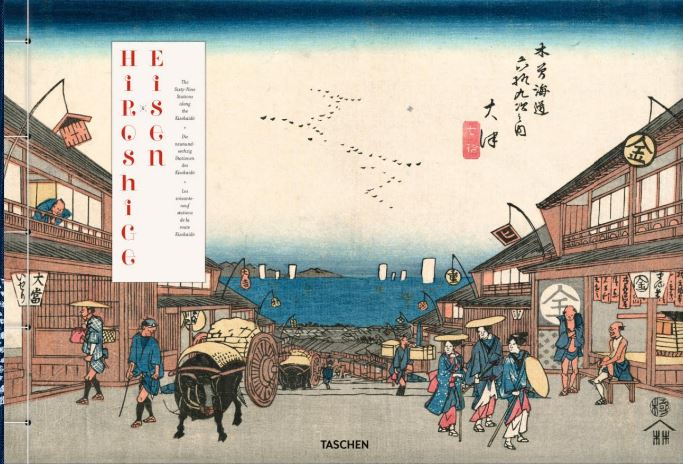
Japan’s Mt. Fuji is an active volcano about 100 kilometers southwest of Tokyo. Commonly called “Fuji-san,” it’s the country’s tallest peak, at 3,776 meters. A pilgrimage site for centuries, it’s considered one of Japan’s 3 sacred mountains, and summit hikes remain a popular activity. Its iconic profile is the subject of numerous works of art, notably Edo Period prints by Hokusai and Hiroshige.