


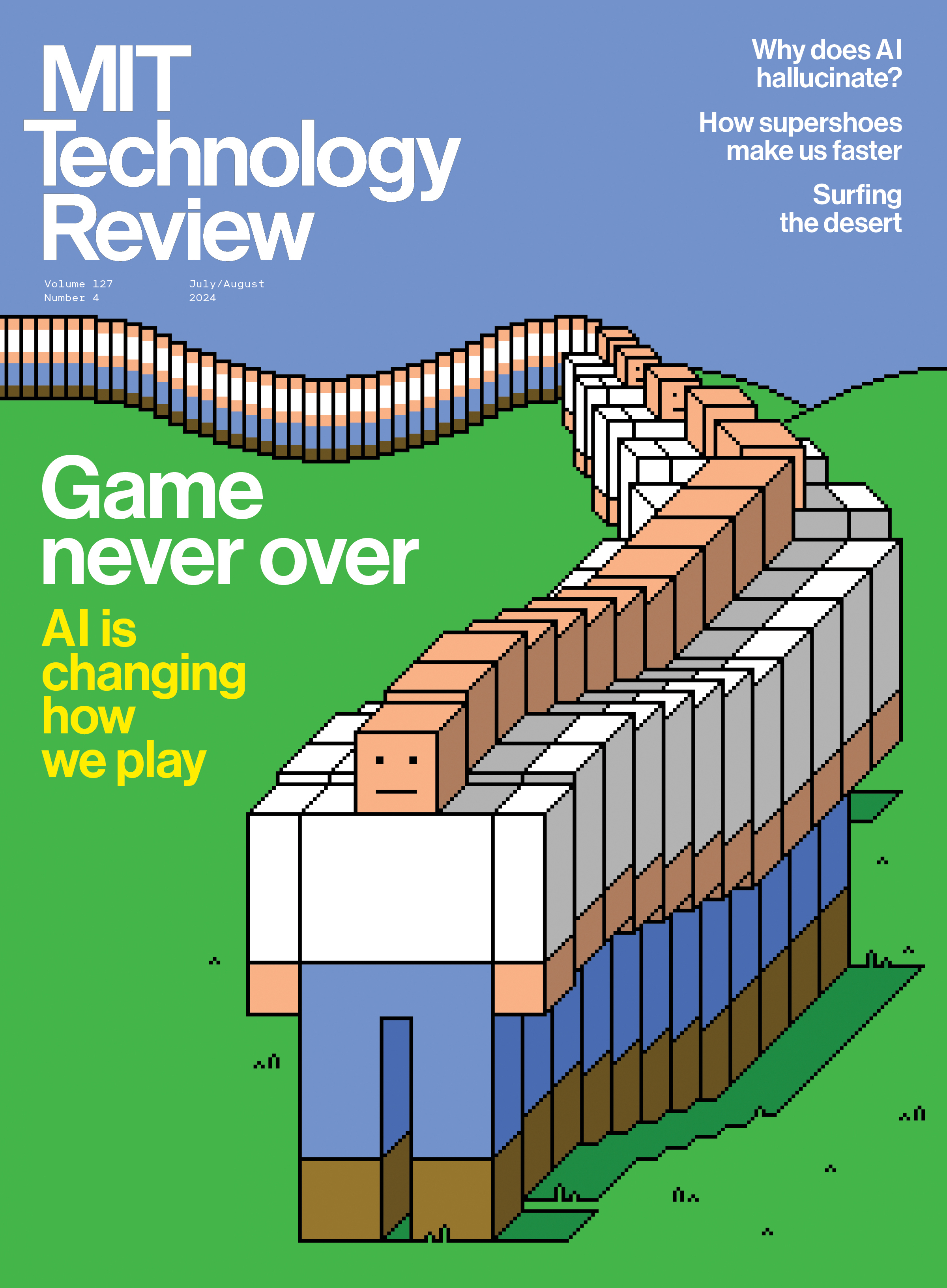
Gamification was always just behaviorism dressed up in pixels and point systems. Why did we fall for it?
Kenyan runners, like many others, are grappling with the impact of expensive, high-performance shoes.
AI-powered NPCs that don’t need a script could make games—and other worlds—deeply immersive.
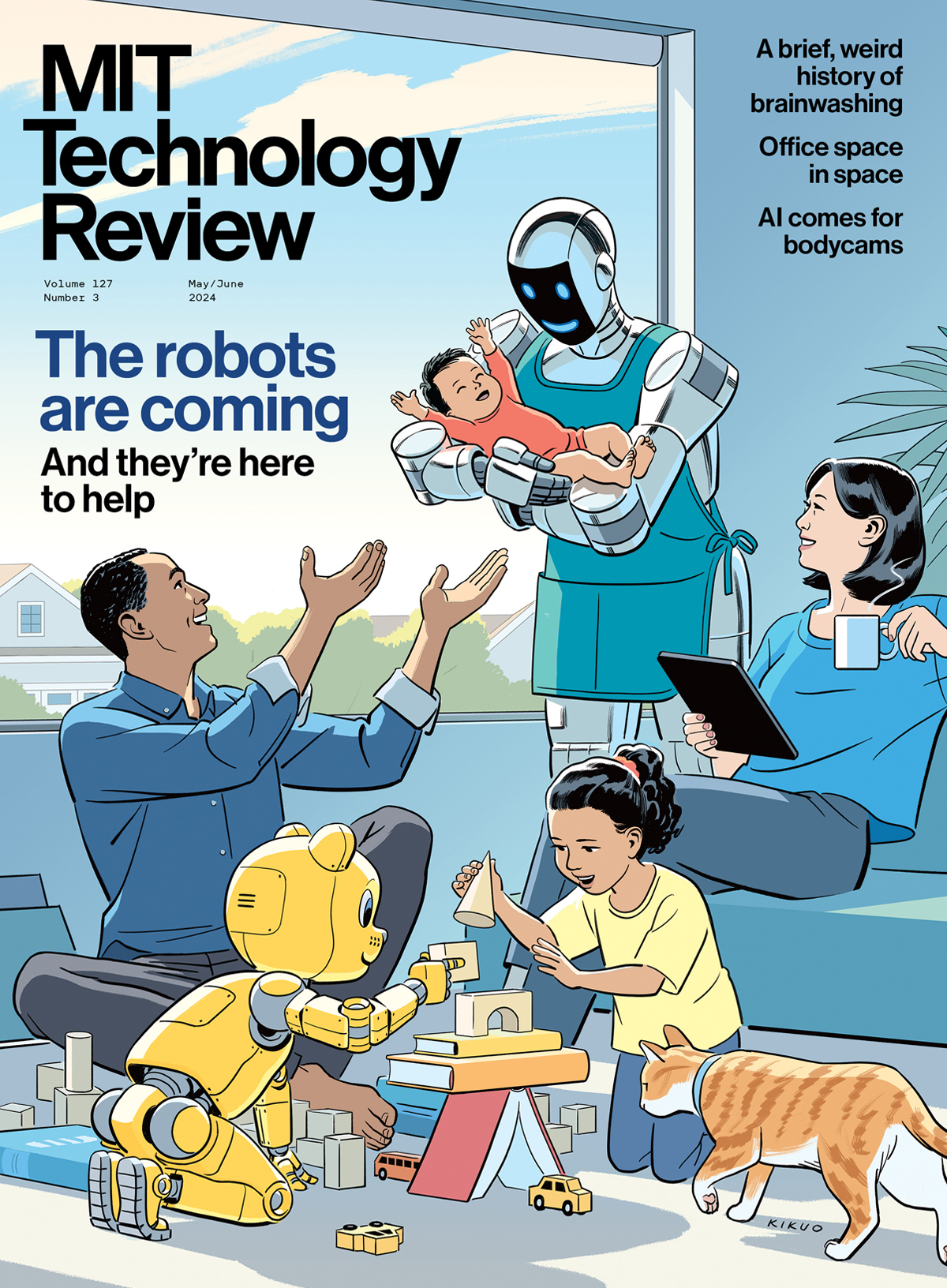
Who says we can’t still build things? In this issue: a look at the robots we’ve always wanted; a new model for space exploration; and efforts to flood-proof Louisiana’s coastline. Plus a wild, weird history of brainwashing; designing cheese with AI; and glow-in-the dark petunias.
Researchers are using generative AI and other techniques to teach robots new skills—including tasks they could perform in homes.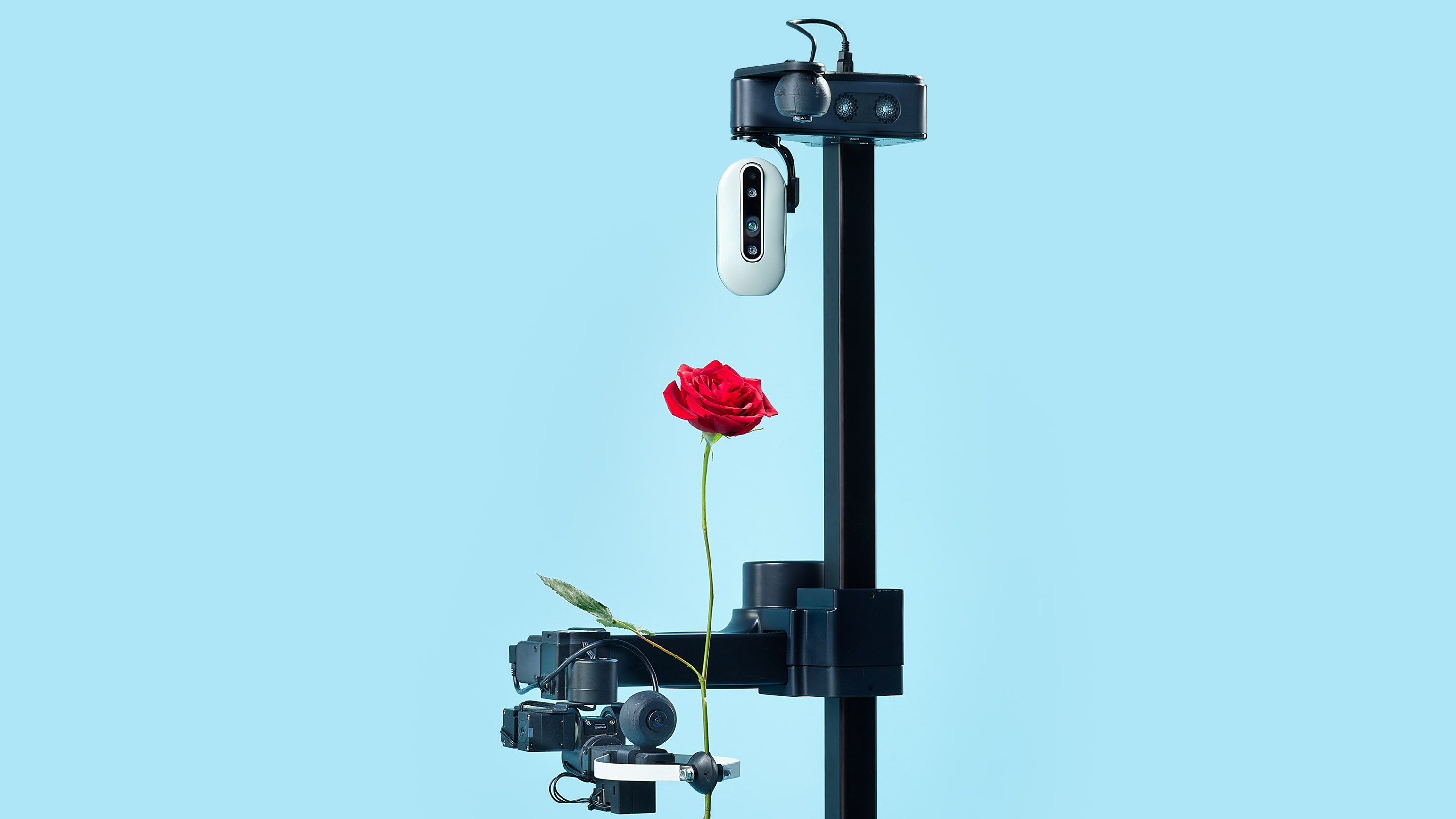
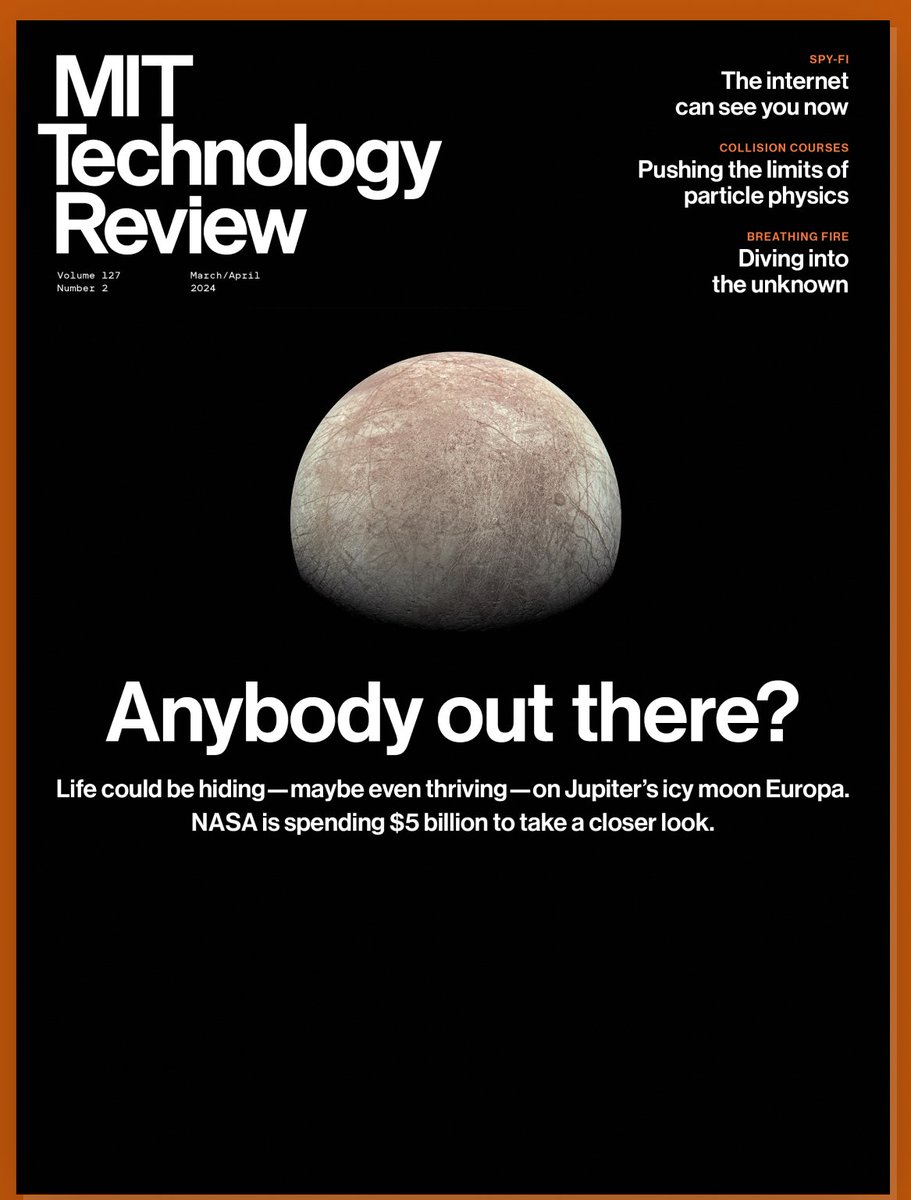
NASA’s Europa Clipper mission will travel to one of Jupiter’s largest moons to look for evidence of conditions that could support life.
The Large Hadron Collider hasn’t seen any new particles since the discovery of the Higgs boson in 2012. Here’s what researchers are trying to do about it.
Figuring out how the human body can withstand underwater pressure has been a problem for over a century, but a ragtag band of divers is experimenting with hydrogen to find out.
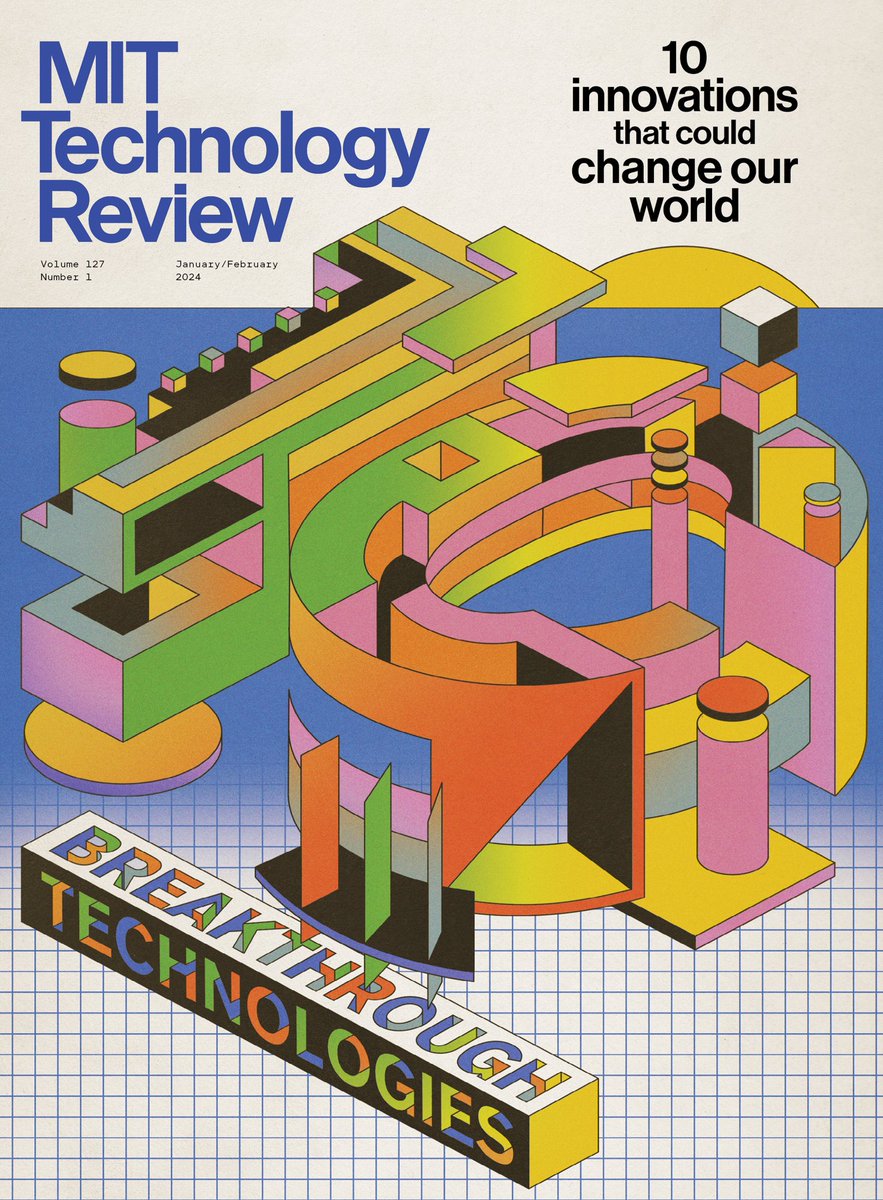
Every year, we look for promising technologies poised to have a real impact on the world. Here are the advances that we think matter most right now.
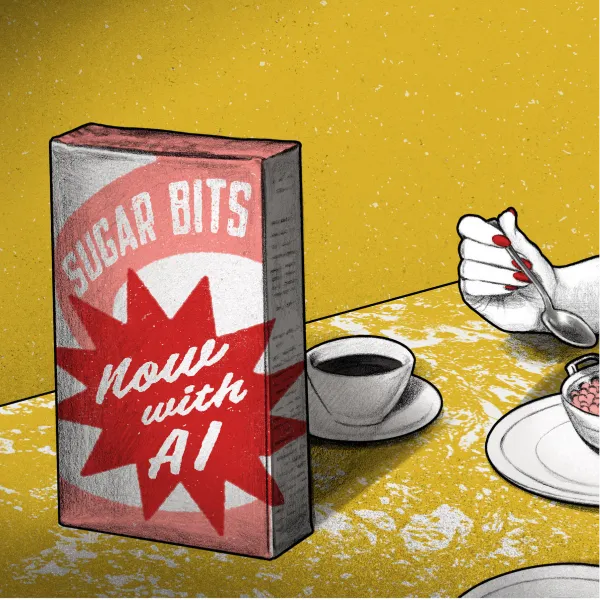
We now live in the age of AI. Hundreds of millions of people have interacted directly with generative tools like ChatGPT that produce text, images, videos, and more from prompts. Their popularity has reshaped the tech industry, making OpenAI a household name and compelling Google, Meta, and Microsoft to invest heavily in the technology.
Solar power is being rapidly deployed around the world, and it’s key to global efforts to reduce carbon emissions. But most of the sunlight that hits today’s panels isn’t being converted into electricity. Adding a layer of tiny crystals could make solar panels more efficient. WHY IT MATTERS
Apple will start shipping its first mixed-reality headset, the Vision Pro, this year. Its killer feature is the highest-resolution display ever made for such a device. Will there be a killer app? It’s early, but the world’s most valuable company has made a bold bet that the answer is yes. WHY IT MATTERS
The global rise in obesity has been called an epidemic by the World Health Organization. Medications like Mounjaro and Wegovy are now among the most powerful tools that patients and physicians have to treat it. Evidence suggests they can even protect against heart attacks and strokes. WHY IT MATTERS
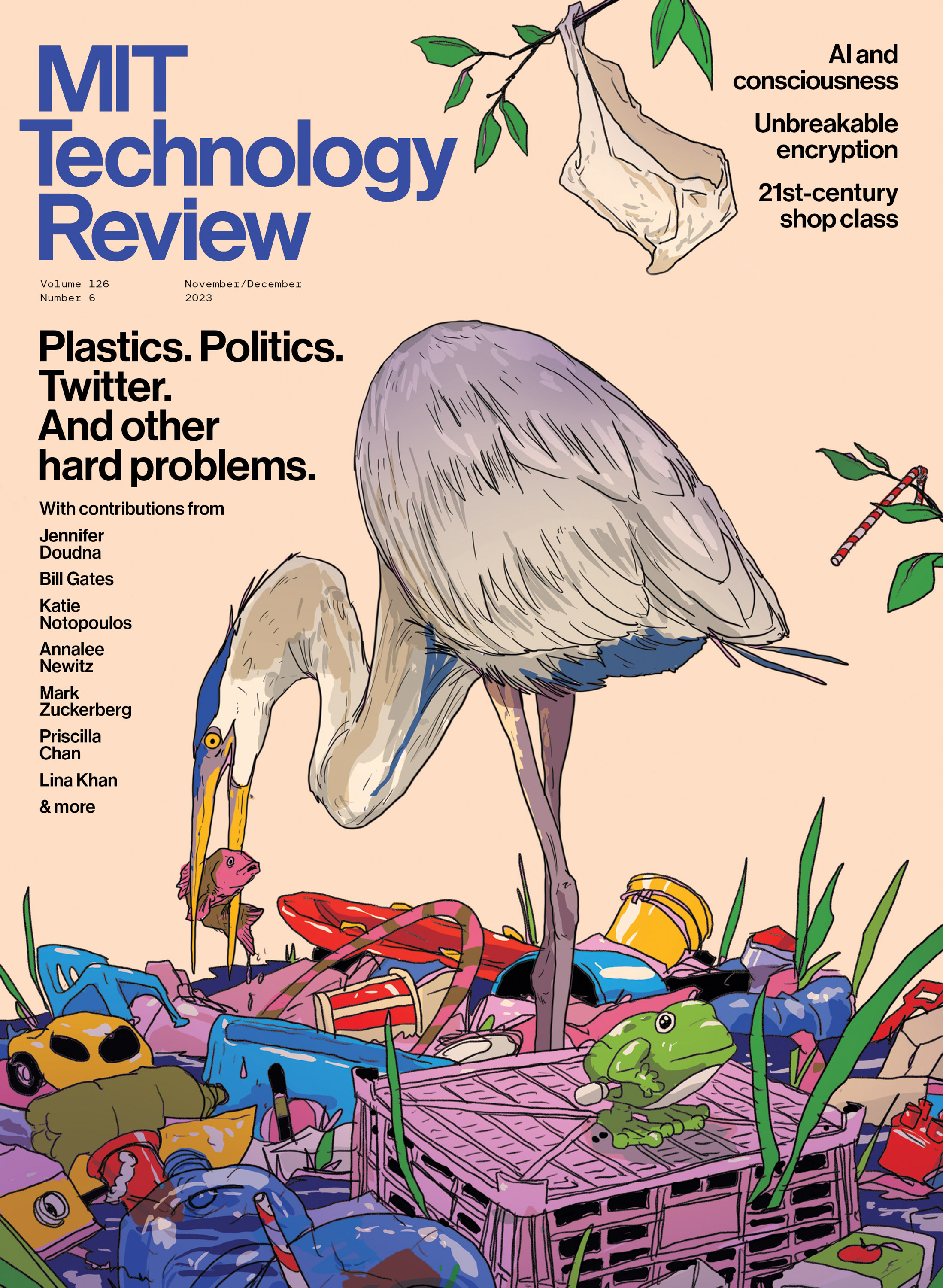
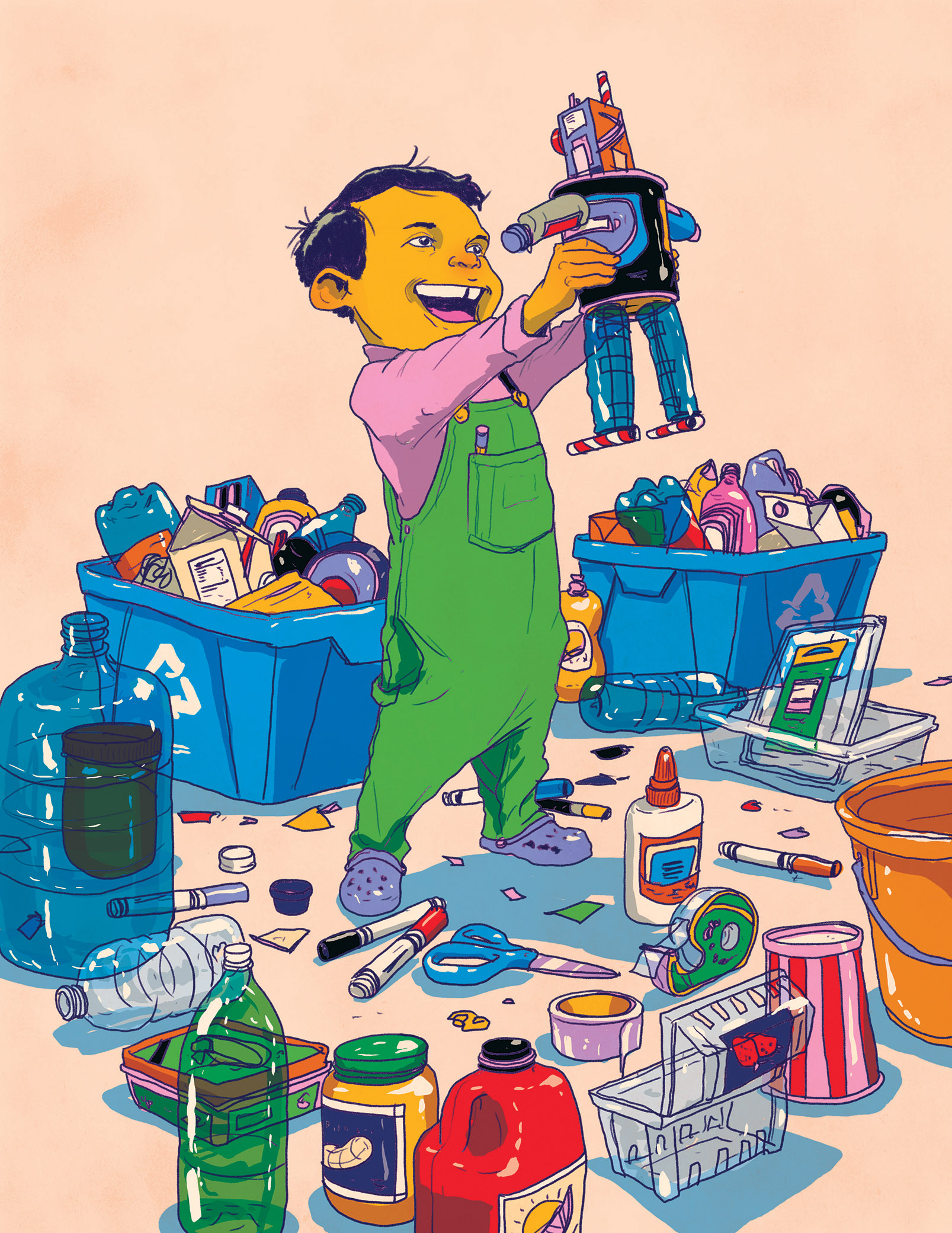
Plastic is cheap to make and shockingly profitable. It’s everywhere. And we’re all paying the price.
Plastic, and the profusion of waste it creates, can hide in plain sight, a ubiquitous part of our lives we rarely question. But a closer examination of the situation can be shocking.
Indeed, the scale of the problem is hard to internalize. To date, humans have created around 11 billion metric tons of plastic. This amount surpasses the biomass of all animals, both terrestrial and marine, according to a 2020 study published in Nature.
Currently, about 430 million tons of plastic is produced yearly, according to the United Nations Environment Programme (UNEP)—significantly more than the weight of all human beings combined. One-third of this total takes the form of single-use plastics, which humans interact with for seconds or minutes before discarding.
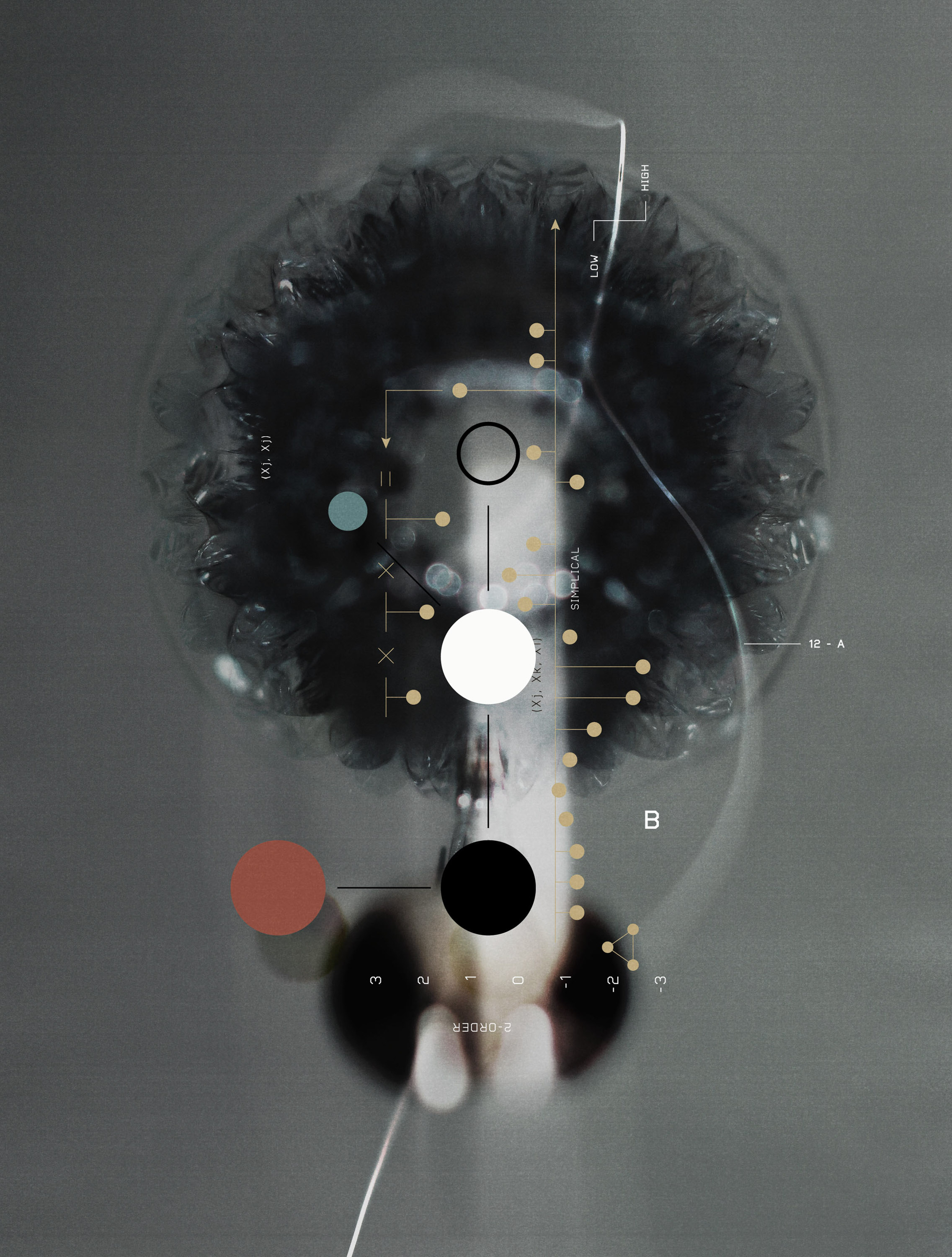
Philosophers, cognitive scientists, and engineers are grappling with what it would take for AI to become conscious.
David Chalmers was not expecting the invitation he received in September of last year. As a leading authority on consciousness, Chalmers regularly circles the world delivering talks at universities and academic meetings to rapt audiences of philosophers—the sort of people who might spend hours debating whether the world outside their own heads is real and then go blithely about the rest of their day. This latest request, though, came from a surprising source: the organizers of the Conference on Neural Information Processing Systems (NeurIPS), a yearly gathering of the brightest minds in artificial intelligence.
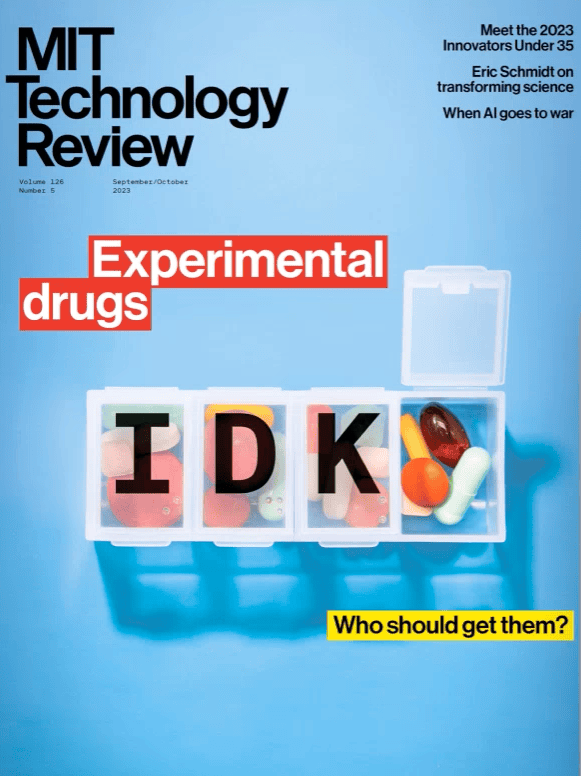
For many patients, pushing for access to unproven treatments is their best chance of survival. And that’s worth the risk.
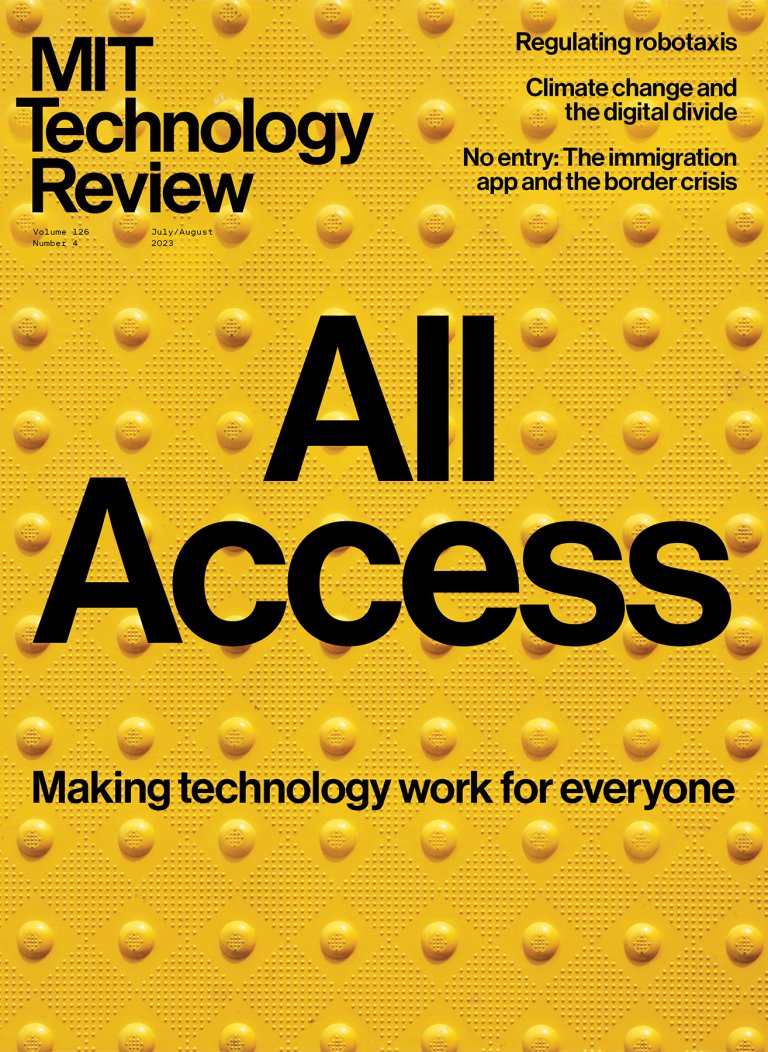

We need to take steps toward a more inclusive future—one that we all can inhabit.
“Technology,” wrote the late historian of technology Melvin Kranzberg Jr., “is neither good nor bad, nor is it neutral.” It’s an observation that often doesn’t stick with people as they think about technologies related to accessibility.

For people who can’t speak, there has been depressingly little innovation in technology that helps them communicate.
A piece of hardware, however impressively designed and engineered, is only as valuable as what a person can do with it. After the iPad’s release, the flood of new, easy-to-use AAC apps that LoStracco, Shevchenko, and their clients wanted never came.
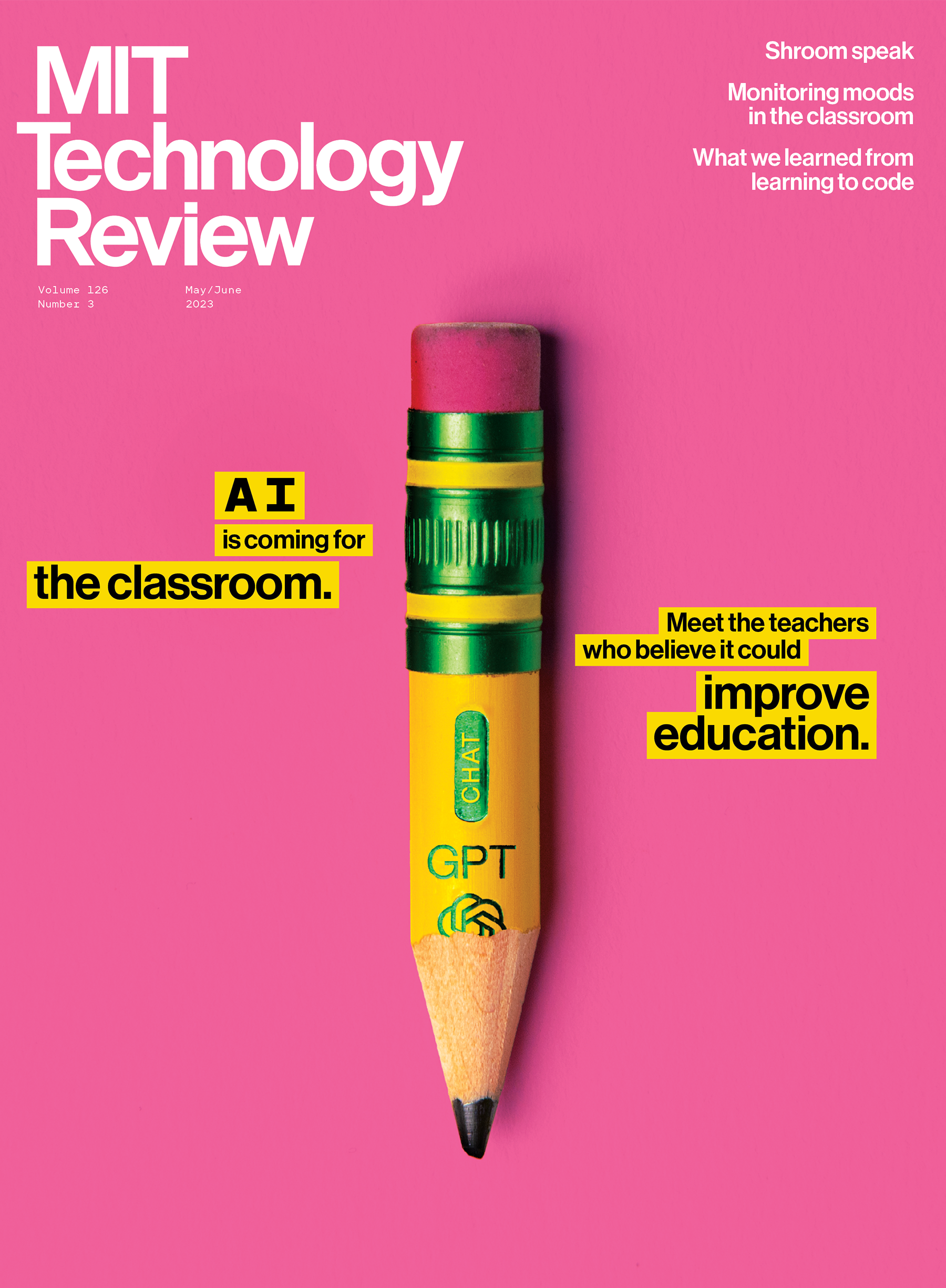

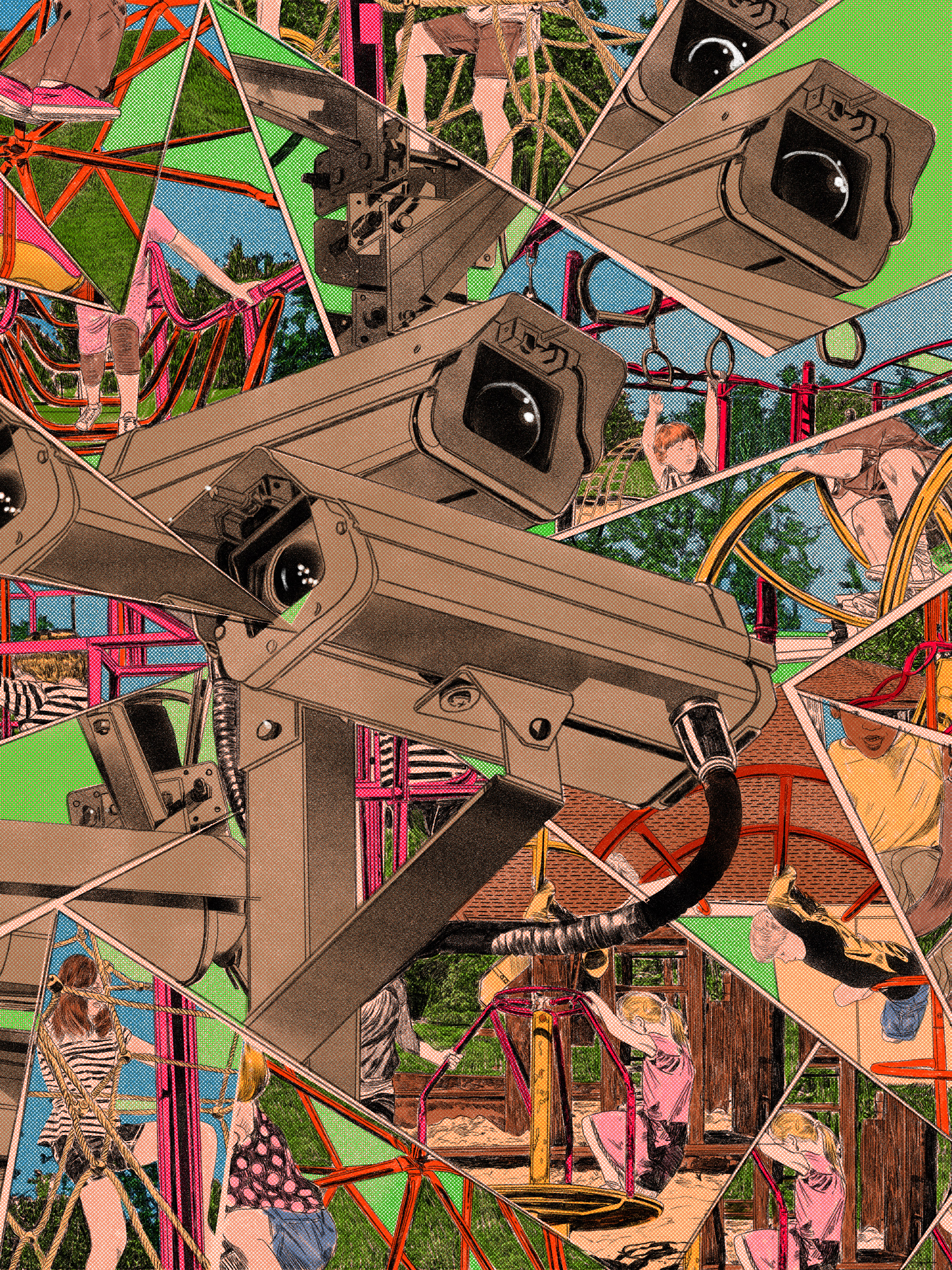
Companies say the software can help improve well-being, but some experts worry it could have the opposite effect.

The historians of tomorrow are using computer science to analyze how people lived centuries ago.
It’s an evening in 1531, in the city of Venice. In a printer’s workshop, an apprentice labors over the layout of a page that’s destined for an astronomy textbook—a dense line of type and a woodblock illustration of a cherubic head observing shapes moving through the cosmos, representing a lunar eclipse.
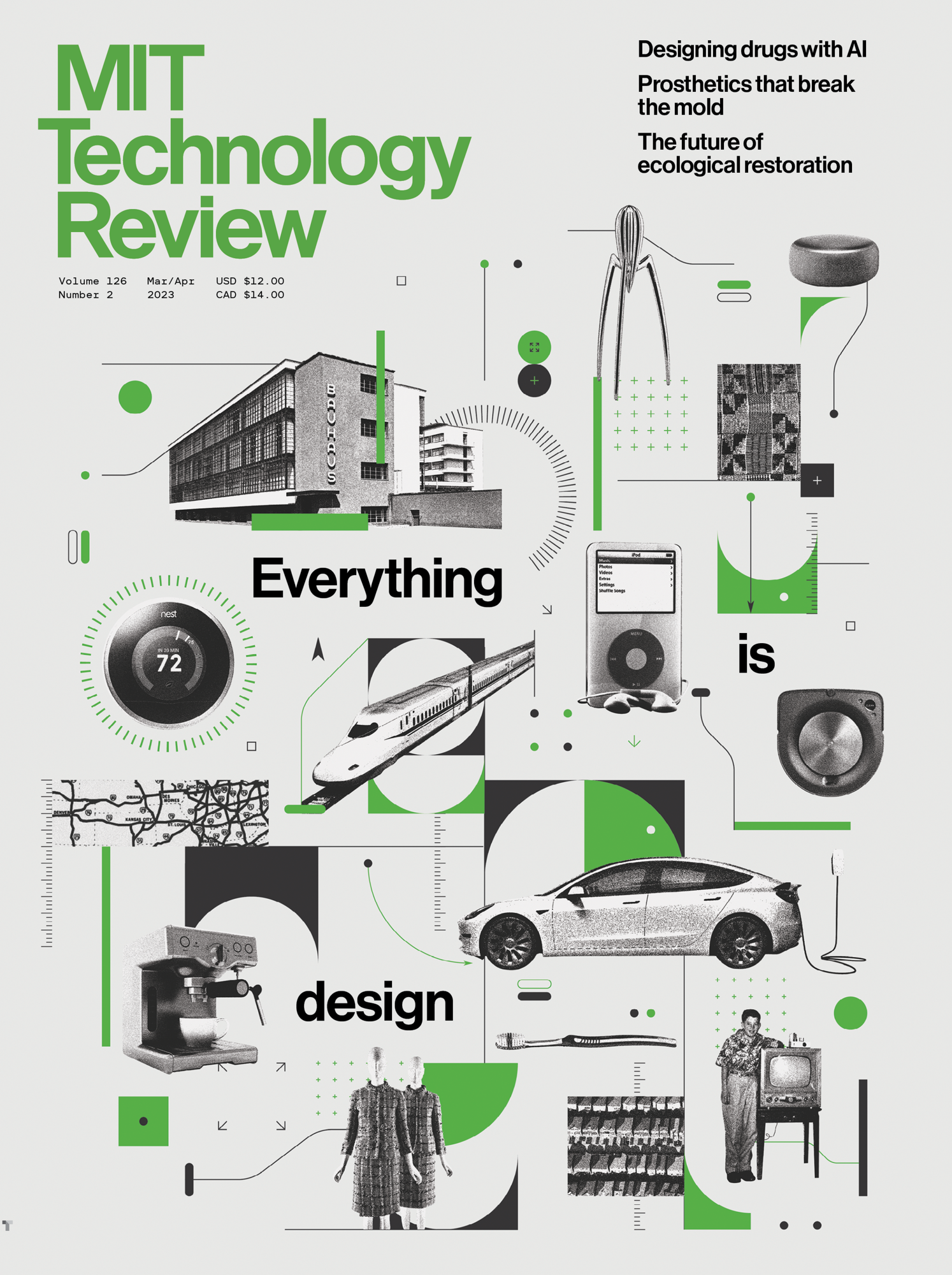
When we unpack its current meaning, we may find that we want—and need—to retool the word yet again.
An approach that promised to democratize design may have done the opposite.
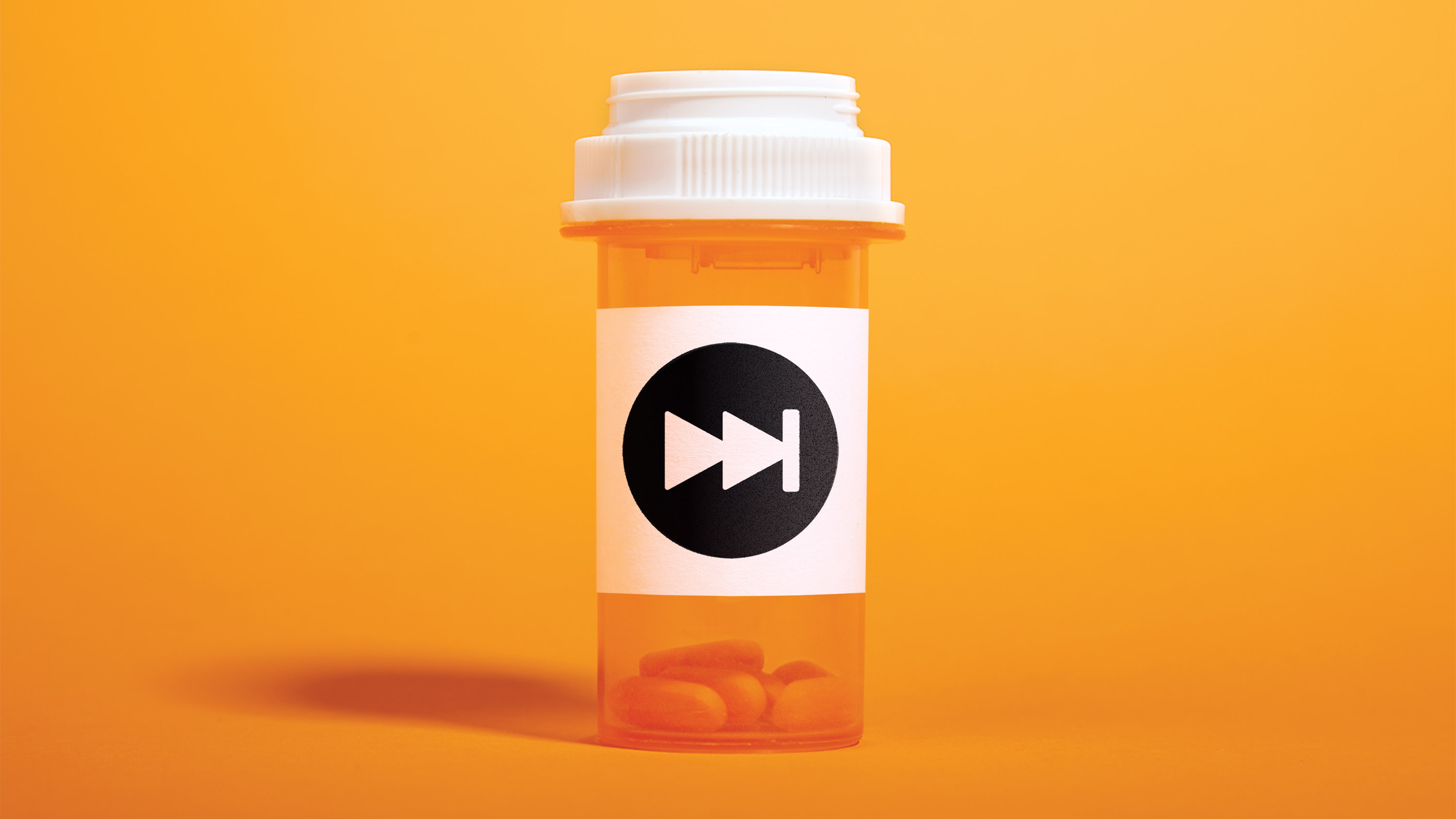
AI automation throughout the drug development pipeline is opening up the possibility of faster, cheaper pharmaceuticals.
 Boomers Daily