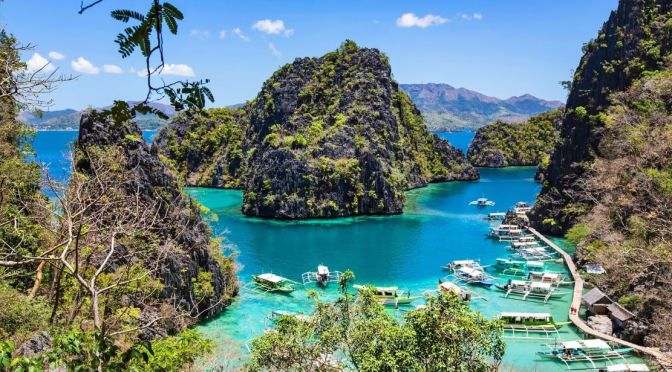

Video timeline: 00:00 Intro 00:58 From Manila to Boracay 01:54 Boracay island 04:05 El Nido, Palawan island 04:44 Manila 05:46 Siargao island 07:58 Sorsogon, Province of Bico, Kasanggayahan Festival

Video timeline: 00:00 Intro 00:58 From Manila to Boracay 01:54 Boracay island 04:05 El Nido, Palawan island 04:44 Manila 05:46 Siargao island 07:58 Sorsogon, Province of Bico, Kasanggayahan Festival
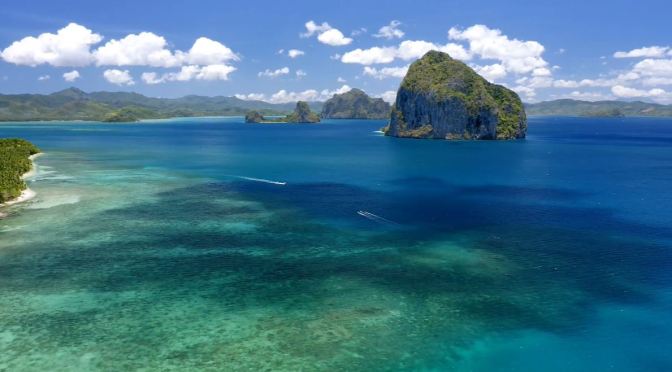
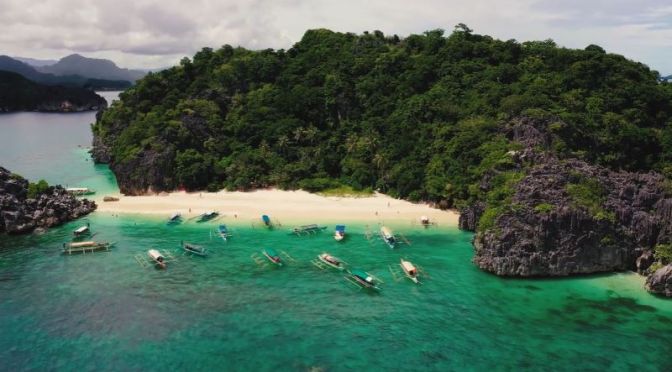
The Philippines, officially the Republic of the Philippines, is an archipelagic country in Southeast Asia. It is situated in the western Pacific Ocean, and consists of about 7,640 islands, that are broadly categorized under three main geographical divisions from north to south: Luzon, Visayas, and Mindanao.
From London, to Manila, to Melbourne, Chinatowns in cities around the world share similar design elements. And that’s on purpose. Their distinct “Chinatown” style can be traced back to a single event: the 1906 San Francisco earthquake, which came on the heels of decades of violence and racist laws targeting Chinese communities in the US. The earthquake devastated Chinatown. But in the destruction, San Francisco’s Chinese businessmen had an idea for a fresh start: a way to keep their culture alive, by inventing a completely new one. Chinatown carved out a place for itself under the threat of hate and violence. Today, that legacy is staring us in the face.
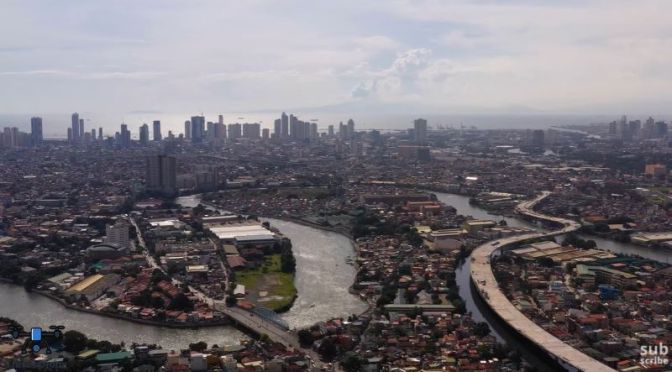
Manila, the capital of the Philippines, is a densely populated bayside city on the island of Luzon, which mixes Spanish colonial architecture with modern skyscrapers. Intramuros, a walled city in colonial times, is the heart of Old Manila. It’s home to the baroque 16th-century San Agustin Church as well as Fort Santiago, a storied citadel and former military prison.
Luzon sits at the northern end of the Philippines, and is the country’s largest and most populous island. It’s known for its mountains, beaches and coral reefs, and is home to Manila, the national capital. Set on a deep bay with famed sunsets, the city has many Spanish-colonial landmarks, national memorials and monuments, a centuries-old Chinatown and a diversity of museums.
Manila, the capital of the Philippines, is a densely populated bayside city on the island of Luzon, which mixes Spanish colonial architecture with modern skyscrapers. Intramuros, a walled city in colonial times, is the heart of Old Manila. It’s home to the baroque 16th-century San Agustin Church as well as Fort Santiago, a storied citadel and former military prison.


 Boomers Daily