Edinburgh calls to readers, its pearl-grey skies urging them to curl up with a book. Maggie O’Farrell, the author of “Hamnet,” suggests reading that best reflects her city.
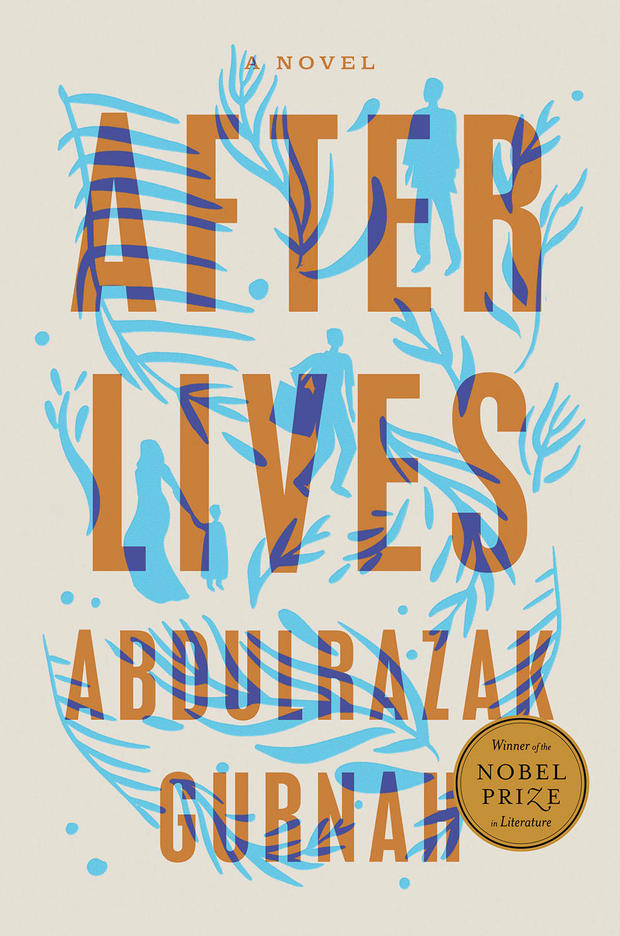
When Abdulrazak Gurnah won the Nobel Prize in literature last year, most Americans had never read anything by this fascinating author.
Born in 1948 in Tanzania, Gurnah fled to England after the 1964 uprising in Zanzibar. Over the years, he’s written 10 critically-acclaimed novels.
The latest, “Afterlives” (Riverhead), offers an intimate look at village life in East Africa during the period of German colonialism at the start of the 20th century. This is a book that reclaims forgotten history and honors lost people in a way that’s heartbreaking and revelatory.
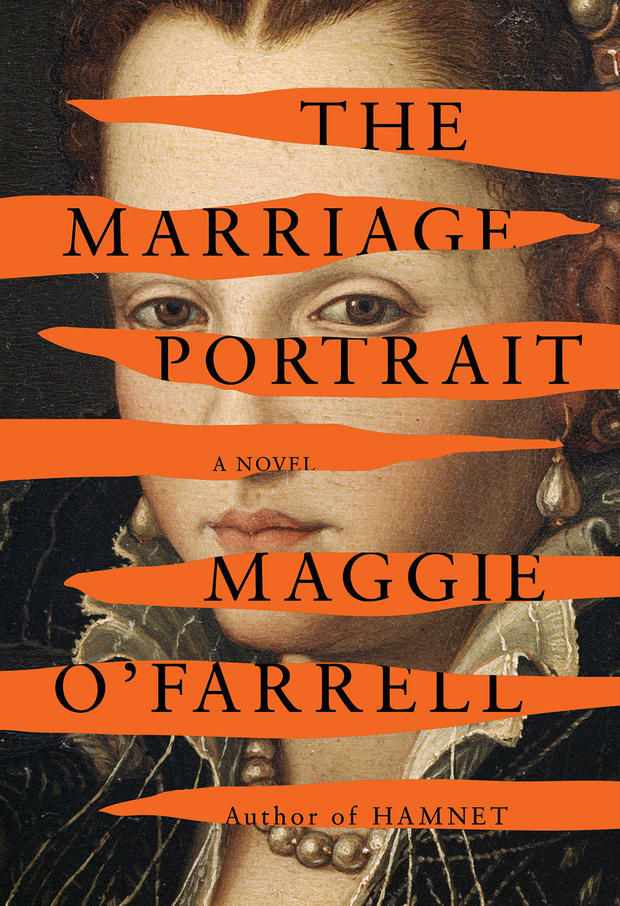
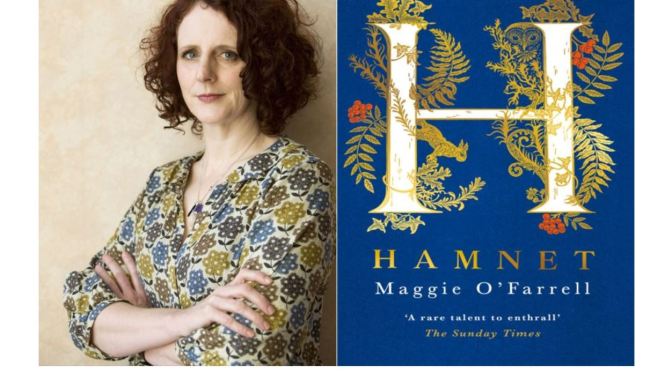
Maggie O’Farrell’s novel “Hamnet,” about the death of William Shakespeare’s only son, was one of the best books of 2020.
Now O’Farrell is back with “The Marriage Portrait” (Knopf), a terrific historical thriller that drops us into the panicked mind of a teenage girl who knows her husband is plotting to kill her.
The girl is Lucrezia de’ Medici, immortalized by Robert Browning’s poem, “My Last Duchess.” History tells us she died in 1561 before she could celebrate her first anniversary, but O’Farrell will have you guessing ’til the very last page.
What if Americans elected a narcissistic psychopath to the White House?
Some people might say we’ve already seen what that would be like. But James Patterson’s breathless new thriller, “Blowback” (Little, Brown), takes that scenario to the brink of World War III.
Written with Brendan DuBois, “Blowback” imagines a president determined to defeat America’s enemies once and for all.
A pair of secret agents are honored to help the president’s plan – until they realize he’s about to destroy the country.
“Blowback” by James Patterson and Brendan DuBois (Little, Brown and Company), in Hardcover, Large Print Trade Paperback, eBook and Audio formats, available via Amazon, Barnes & Noble and Indiebound
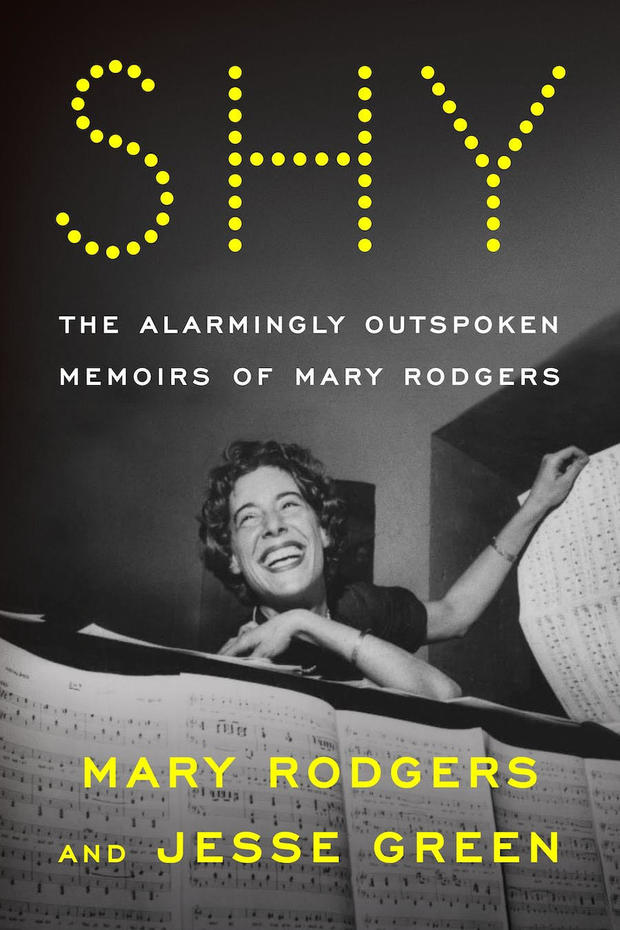
Mary Rodgers, who died in 2014, lived her life in the melodies of American musical theater. She was Richard Rodgers’ daughter, composer Adam Guettel’s mother, and Stephen Sondheim’s friend – and she was an accomplished composer and author herself.
Through painful relationships and happy ones, disappointments and successes, Rodgers is never anything but candid, forgiving and witty. So, take a seat and let the curtain rise.
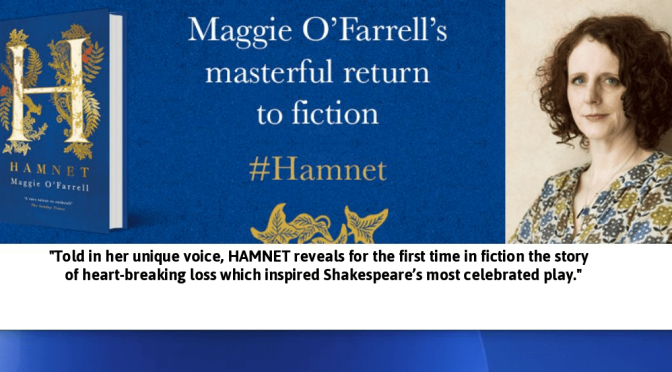
Maggie O’Farrell’s “Hamnet,” one of last year’s most widely acclaimed novels, imagines the life of William Shakespeare, his wife, Anne (or Agnes) Hathaway, and the couple’s son Hamnet, who died at 11 years old in 1596.
On this week’s podcast, O’Farrell says she always planned for the novel to have the ensemble cast it does, but that her deepest inspiration was to capture a sense of the young boy at its center.
“The engine behind the book for me was always the fact that I think Hamnet has been overlooked and underwritten by history,” she says. “I think he’s been consigned to a literary footnote. And I believe, quite strongly, that without him — without his tragically short life — we wouldn’t have the play ‘Hamlet.’ We probably wouldn’t have ‘Twelfth Night.’ As an audience, we are enormously in debt to him.”
BBC Radio 4 “Books And Authors” Talks To Maggie O’Farrell on her new novel, “Hamnet”
On a summer’s day in 1596, a young girl in Stratford-upon-Avon takes to her bed with a fever. Her twin brother, Hamnet, searches everywhere for help. Why is nobody at home?
Their mother, Agnes, is over a mile away, in the garden where she grows medicinal herbs. Their father is working in London. Neither parent knows that one of the children will not survive the week.
Hamnet is a novel inspired by the son of a famous playwright. It is a story of the bond between twins, and of a marriage pushed to the brink by grief. It is also the story of a kestrel and its mistress; flea that boards a ship in Alexandria; and a glovemaker’s son who flouts convention in pursuit of the woman he loves. Above all, it is a tender and unforgettable reimagining of a boy whose life has been all but forgotten, but whose name was given to one of the most celebrated plays ever written.






 BBC Radio 4 “Books And Authors” Talks To Maggie O’Farrell on her new novel, “Hamnet”
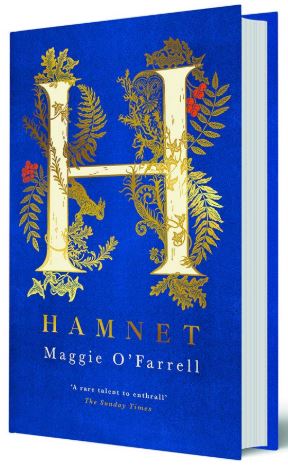 On a summer’s day in 1596, a young girl in Stratford-upon-Avon takes to her bed with a fever. Her twin brother, Hamnet, searches everywhere for help. Why is nobody at home?
 Boomers Daily