
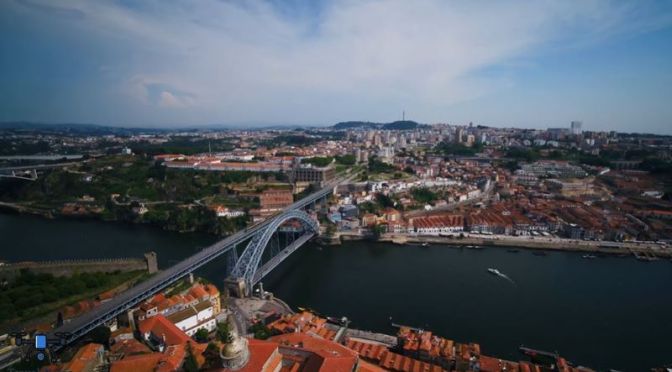
Porto is a coastal city in northwest Portugal known for its stately bridges and port wine production. In the medieval Ribeira (riverside) district, narrow cobbled streets wind past merchants’ houses and cafes. São Francisco Church is known for its lavish baroque interior with ornate gilded carvings. The palatial 19th-century Palácio de Bolsa, formerly a stock market, was built to impress potential European investors.
Tag Archives: Iberian Peninsula

Walking Tours: Marbella, Costa Del Sol, Spain (Video)
A stroll along the beaches in Marbella – from Playa de la Fontanilla to Playa de la Venus.
Marbella beaches have been the favourite destination of both Spanish and international tourists. With 27 kilometres of coast, Marbella boasts a beautiful variety of beaches. Whether you are looking for calm away from the tourist trail or seeking full on activities and eateries, Marbella has an idyllic spot you’ll fall in love with. 🎬 Filmed: November 9th, 2020 (⏱ 2pm)
Marbella is a city and resort area on southern Spain’s Costa del Sol, part of the Andalusia region. The Sierra Blanca Mountains are the backdrop to 27 km of sandy Mediterranean beaches, villas, hotels, and golf courses. West of Marbella town, the Golden Mile of prestigious nightclubs and coastal estates leads to Puerto Banús marina, filled with luxury yachts, and surrounded by upmarket boutiques and bars.
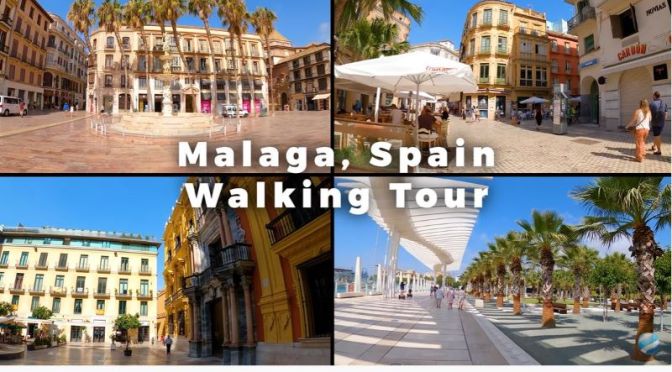
Walking Tour Videos: ‘Málaga’ – Southern Spain
We recorded this 4k ultra hd video during our trip to Malaga, Spain on July 2020.
Malaga city is a Mediterranean seaport on the Costa del Sol in the Andalusia region of southern Spain. With a population of 571,026 in 2018, it is the second-most populous city in Andalusia after Seville and the sixth most populous in Spain. This birthplace of Picasso and Antonio Banderas is also famous for rich architectural history, Mediterranean cuisine, local wines and sandy beaches. Our guided walking tour is about 4.66 miles (7.5 km) long, starts at La Malagueta Bullring, ends at Málaga Harbor and covers most attractions and historic sites of Malaga.
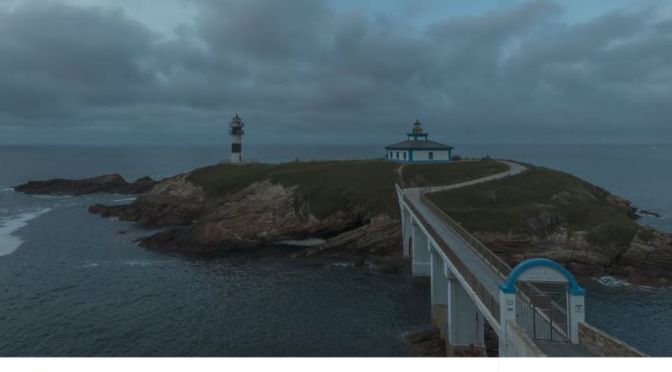
Timelapse Travel: ‘The Sea – Coastlines Of Spain’ (2020)
Filmed and Edited by: Martin Zalba
Timelapse of the coastlines of Spain.
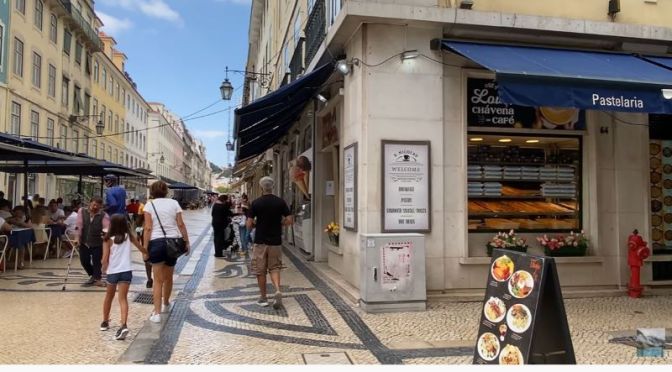
Walking Tour Video: ‘Rua Augusta, Lisbon, Portugal’
Filmed on August 12th, 2020. A walk in Lisbon, Portugal.
Lisbon is Portugal’s hilly, coastal capital city. From imposing São Jorge Castle, the view encompasses the old city’s pastel-colored buildings, Tagus Estuary and Ponte 25 de Abril suspension bridge. Nearby, the National Azulejo Museum displays 5 centuries of decorative ceramic tiles. Just outside Lisbon is a string of Atlantic beaches, from Cascais to Estoril.
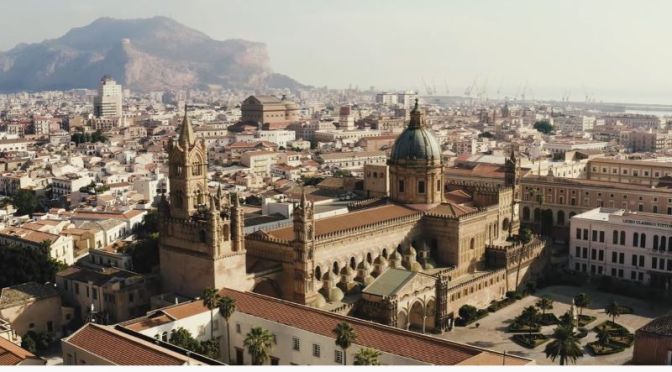
Aerial Travel: Madrid, Barcelona & Cadiz, Spain
Madrid – Madrid is by far the largest city in Spain with a population of over 3.3 million. While the size of the place might seem intimidating to some, there is a vast amount to see in this fine European capital. Getting around is also fairly straightforward thanks to the city having a superb metro system. Whether you’re looking for an unforgettable party holiday or a cultural visit to some of Spain’s best known landmarks, Madrid has everything to offer. Among the many sites to see in Madrid is the enormous central square (Plaza Mayor), the stunning Royal Palace, the Puerta de Alcala and the Plaza de Cibeles.
Barcelona – Barcelona is Spain’s second-largest city with a population of about two million. It is the capital of the region of Catalonia and you’ll hear the Catalan language being spoken here considerably more often than you’ll hear Spanish. The city offers plenty of sightseeing opportunities and a legendary nightlife scene. Barcelona was first established as a Roman town about 2,000 years ago. Sightseeing in Barcelona largely revolves around the Old Town, known locally as “Cuitat Vella.” The area is also home to the Barri Gotic, the city’s Gothic Quarter. One of Spain’s most famous landmarks, La Sagrada Familia is also located in Barcelona. One of the most stunning structures in the world, the church has been under construction since 1882 and is only now nearing completion.
Cadiz – For lovers of history, Cadiz certainly won’t disappoint. Founded by the Phoenicians as early as 1104BC, it is the oldest continuously inhabited city in the Iberian Peninsula. The city is located in the very south of Spain. It has a population of only 130,000 making it an easy place to explore on foot. Cadiz boasts a vast number of historical landmarks including the central Plaza de Mina, the Plaza de San Antonio, Cadiz Cathedral, the Roman theatre, the City Walls and the Fortress of Candelaria. Cadiz is also home to some of Spain’s best beaches, especially the Playa de la Caleta. Another popular beach is the Playa de la Victoria, a three kilometer stretch of sand near the city.
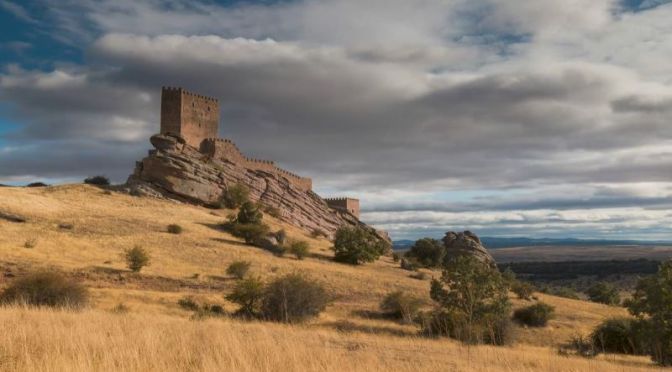
Timelapse Travel Videos: ‘Castles In Spain’ (2020)
Filmed and Edited by: Martin Zalba
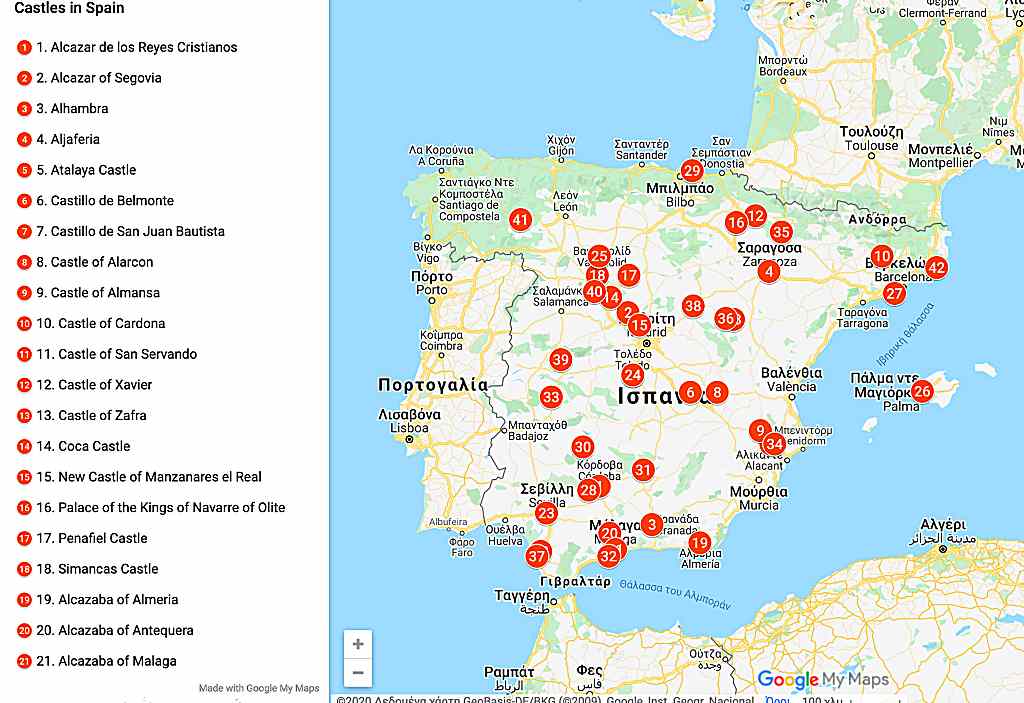
Spain’s turbulent history has resulted in a multitude of hilltop fortresses ranging from extravagant fairytale-like palatial palaces to oppressive military fortresses and, of course, the architectural delights of the Moorish Alcazars.
With roughly 2,500 castles to explore, whether they stand in near-perfect preservation or are now just atmospheric ruins, here are some of the best castles in Spain that you must see.

Road Trip Travel: ‘Curves – Portugal’ (2020 Video)
Filmed and Edited by: Stefan Bogner
The land that is now Portugal has been inhabited for thousands of years and its national boundaries have been defined for eight centuries. This long history is reflected in a particular culture that is the result of the mixture of the many peoples who settled here and those that the Portuguese encountered on their journeys of Discovery.
It is found in the villages and towns, in the monuments and traditions, which bring together influences that the Portuguese have applied creatively. And the omnipresent sea has also shaped our personality and taken us beyond the continent of Europe, enabling us to learn and share with the rest of the world.
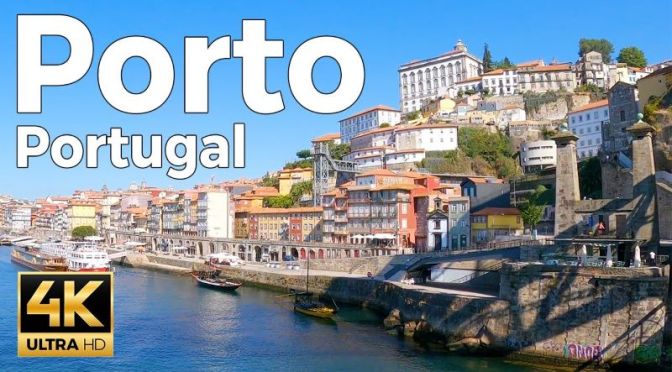
New Walking Tour Videos: ‘Porto, Portugal’ (2020)
Porto is a coastal city in northwest Portugal known for its stately bridges and port wine production. In the medieval Ribeira (riverside) district, narrow cobbled streets wind past merchants’ houses and cafes. São Francisco Church is known for its lavish baroque interior with ornate gilded carvings. The palatial 19th-century Palácio de Bolsa, formerly a stock market, was built to impress potential European investors.
We recorded this 4k ultra hd video during our trip to Porto, Portugal on July 2020.
Video Timeline Links: 00:00 – Porto, Portugal Walking Tour Intro 01:49 – Luís I Bridge 06:24 – Ribeira Pier 09:57 – Ribeira Square 12:43 – Prince’s House 13:59 – Prince Henry Square 14:41 – St. Francis Church 15:59 – Stock Exchange Palace 22:20 – Vitória Viewpoint 27:45 – Portuguese Centre of Photography 30:32 – Porto University 32:56 – Carmo Church 36:30 – Clérigos Tower 39:50 – Clérigos Church 43:26 – Liberty Square 48:41 – Porto City Hall 51:33 – Holy Trinity Church 58:39 – Chapel of Souls 1:08:30 – Sá da Bandeir Theatre 1:11:06 – Santo António Church 1:13:40 – São Bento Train Station 1:21:16 – Porto Cathedral

Travel & Wildlife: The “Iberian Lynx” Of The Sierra Morena In Spain (Video)
Southern Spain: home to distinctive landscapes, extreme climates, and a unique species of wildcat. The Iberian lynx is smaller than its European cousin and has evolved to survive almost exclusively by hunting wild rabbits.
Yet this unvaried diet is what drove the Iberian lynx to the brink of extinction during the 20th century. We introduce the breeding and conservation programs that have helped the wildcat make a remarkable recovery, and take a look at the threats the endangered species still faces today.
The Iberian lynx is a wild cat species endemic to the Iberian Peninsula in southwestern Europe. It is listed as Endangered on the IUCN Red List.
The Sierra Morena is one of the main systems of mountain ranges in Spain. It stretches for 450 kilometres from east to west across the south of the Iberian Peninsula, forming the southern border of the Meseta Central plateau and providing the watershed between the valleys of the Guadiana to the north and the west, and the Guadalquivir to the south.
 Boomers Daily