

The Standard Model of particle physics is the most successful scientific theory of all time. It describes how everything in the universe is made of 12 different types of matter particles, interacting with 3 forces, all bound together by a rather special particle called the Higgs boson. It’s the pinnacle of 400 years of science, and gives the correct answer to hundreds of thousands of experiments. In this explainer, Cambridge physicist David Tong creates the model, piece by piece, to provide some intuition for how all of the parts fit together to create the fundamental building blocks of our universe. At the end of the video, he also points out what’s missing from the model, and what work is left to do in order to complete the Theory of Everything.
Tag Archives: Gravity
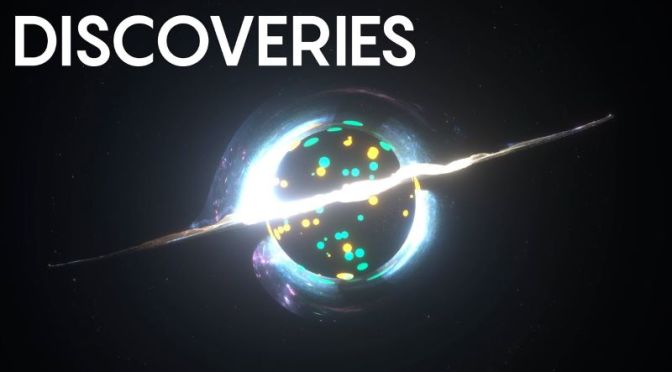
Science: ‘The Biggest Breakthroughs In Physics In 2020’ (Quanta Video)
This year, two teams of physicists made profound progress on ideas that could bring about the next revolution in physics. Another still has identified the source of a long-standing cosmic mystery.
- 1. Here’s an extremely brief version of the black hole information paradox: Stuff falls into a black hole. Over time — a long, long time — the black hole “evaporates.” What happened to the stuff? According to the rules of gravity, it’s gone, its information lost forever. But according to the rules of quantum mechanics, information can never be lost. Therefore, paradox. This year, a series of tour de force calculations has shown that information must somehow escape — even if how it does so remains a mystery.
- 2. Levitating trains, lossless power transmission, perfect energy storage: The promise of room-temperature superconductivity has fed many a utopian dream. A team based at the University of Rochester in New York reported that they had created a material based on a lattice of hydrogen atoms that showed evidence of superconductivity at up to about 15 degrees Celsius (59 degrees Fahrenheit) — about the temperature of a chilly room. The only catch: Superconductivity at this temperature only works if the material is crushed inside a diamond anvil to pressures approaching those of Earth’s core. Utopia will have to wait.
- 3. A dazzling cosmic strobe has ended an enduring astronomical mystery. Fast radio bursts — blips of distant radio waves that last for mere milliseconds — have eluded explanation since they were first discovered in 2007. Or rather, astronomers had come up with far too many theories to explain what are, for the brief time they’re alight, the most powerful radio sources in the universe. But on a quiet morning in April, a burst “lit up our telescope like a Christmas tree,” said one astronomer. This allowed researchers to trace its source back to a part of the sky where an object had been shooting out X-rays. Astronomers concluded that a highly magnetized neutron star called a magnetar was behind the phenomenon.
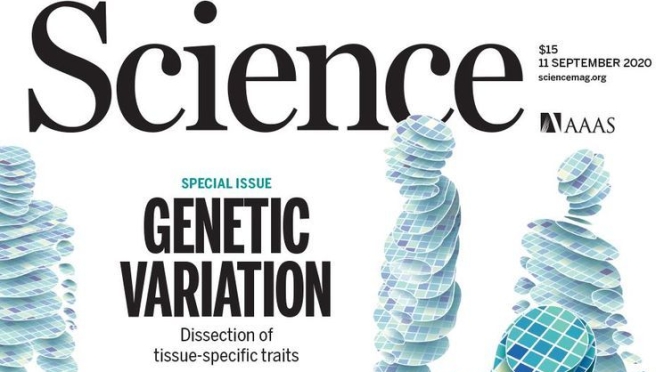
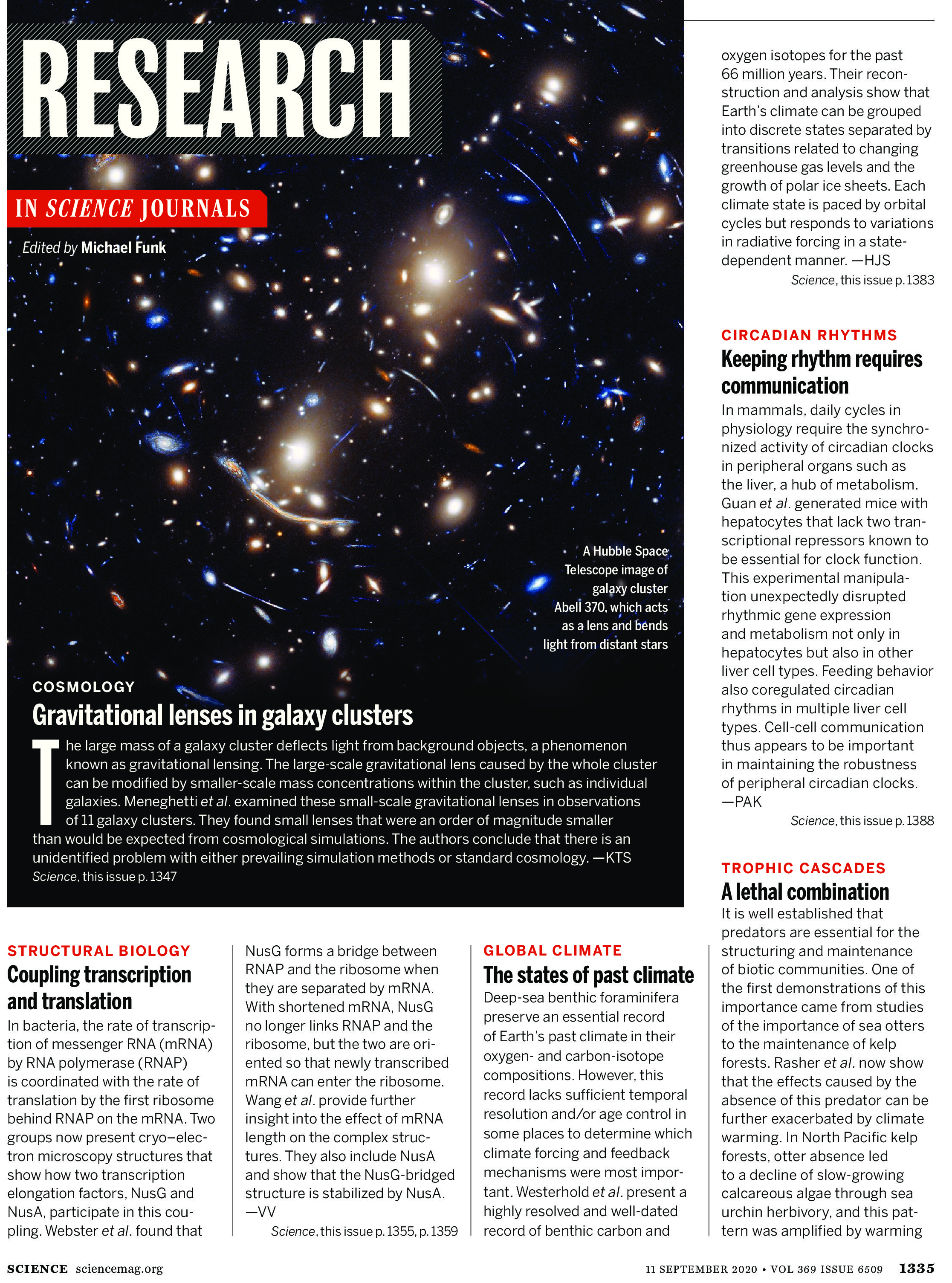
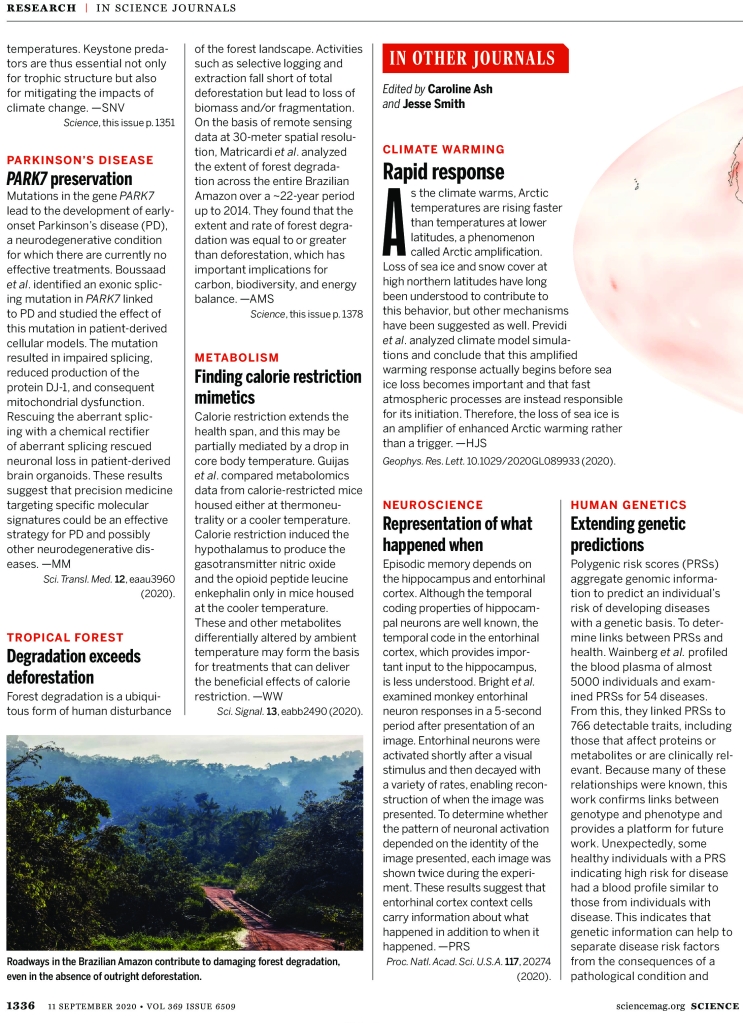
TOP JOURNALS: RESEARCH HIGHLIGHTS FROM SCIENCE MAGAZINE (SEPT 11, 2020)
Top New Science Podcasts: Gravity, Ancient Teeth & Containing Coronavirus
What happens if you overwater a plant? How does gravity actually work? And should we be cancelling mass events to contain the coronavirus?
It’s Q&A time on the show, and this week Phil Sansom is joined by a brainy panel of experts: plant biologist Nadia Radzman, particle physicist Chris Rogers, bioarchaeologist Emma Pomeroy, and virologist and Naked Scientist Chris Smith. Prepare to have your curiosity satisfied…
 Boomers Daily