No bloc of countries has, for the past 75 years, been as umbilically tied to the United States as Europe. First, its western half and, since the end of the Cold War, much of its eastern half have prospered under the world’s most extensive bonds in trade, finance, and investment. Europe could also depend on the U.S. military’s iron commitment—enshrined in the 75-year-old NATO alliance—to come to its defense. Together with a few other nations, the United States and Europe defined many of the institutions that comprise what we call the Western-led order. The U.S.-European alliance has arguably been the bedrock of the global system as we know it today.
Without Washington’s embrace, the continent could revert to an anarchic and illiberal past. By HAL BRANDS
Which is the real Europe? The mostly peaceful, democratic, and united continent of the past few decades? Or the fragmented, volatile, and conflict-ridden Europe that existed for centuries before that? If Donald Trump wins the U.S. presidential election in November, we may soon find out.
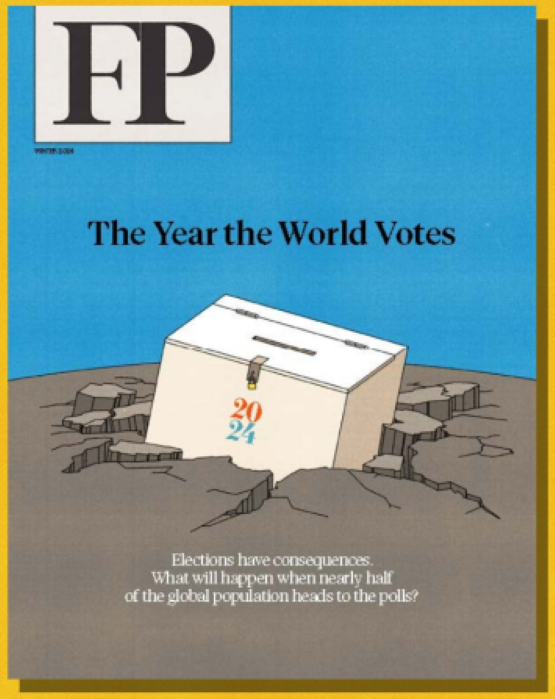
Foreign Policy Magazine – December 28, 2023: The new issue features ‘The Year The World Votes’ – Elections have consequences. What will happen when nearly half of the global population heads to the polls?
The world’s most dismal science could make Eurasia safe for illiberalism and predation—or protect it from those forces.
By Hal Brands, a professor of global affairs at the Johns Hopkins School of Advanced International Studies.
Alexander Dugin is a bit of a madman. The Russian intellectual made headlines in the West in 2022, when his daughter was killed, apparently by Ukrainian operatives, in a Moscow car bombing likely meant for Dugin himself. Dugin would have been targeted because of his unapologetic, yearslong advocacy for a genocidal war of conquest in Ukraine. “Kill! Kill! Kill!” he screeched after Russian President Vladimir Putin’s first invasion of that country in 2014, adding: “This is my opinion as a professor.” Even at his daughter’s funeral, Dugin stayed on message. Among her first words as an infant, he claimed, were “our empire.”
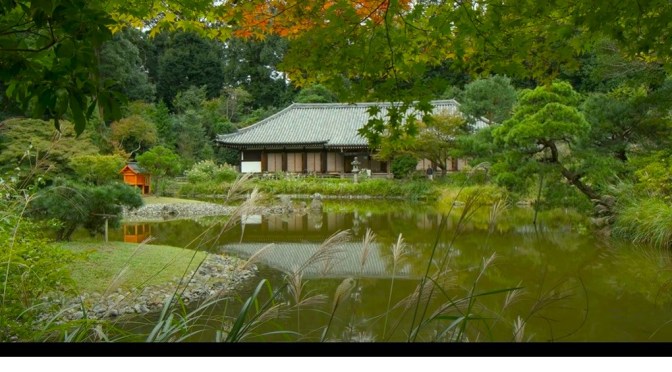
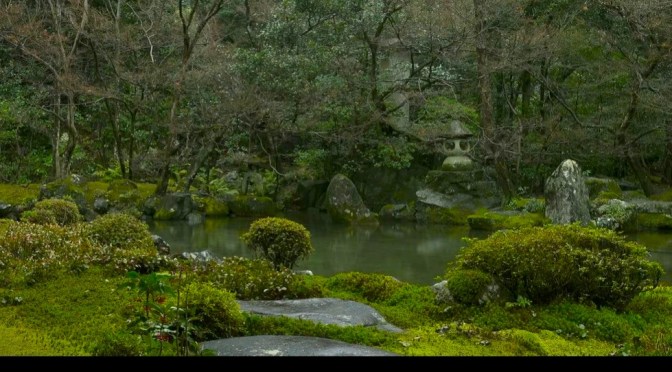
Yurara Sarara (October 21, 2023) – Joruri-ji Temple, located in the “Kyoto Infused with Tea” region, is a temple of the Shingon Ritsu Buddhism (Nara sect) that holds 4 national treasures and 9 important cultural properties.
According to the records of the temple, the temple was opened in 1047 by Yoshiaki Shonin and enshrines the “Yakushinyourai,” the Buddha who can cure all illness. The name of the temple is said to come from “Joruri,” the realm where the Buddha lives.
The main hall of Joruri-ji is particularly long with nine Amida Buddhas enshrined inside. During the Heian period about 30 such nine-body Amida temples were built around Kyoto, but Joruri-ji is the only temple that still exists. Both the main hall and nine-body Amida Buddha are designated as national treasures.
*The Nine Amida Buddhas sitting statues are being repaired two at a time over a five-year period from July 2018.
Foreign Policy Magazine – Fall 2023: The new issue features The G-7 Becomes a Power Player – Russia’s war and China’s rise are turning a talking shop into a fledgling alliance of democracies; Vivek Ramaswamy’s Foreign Policies Raise Eyebrows in Washington – The GOP’s rising star offers up a grab bag of ideas cribbed from Eminem to Richard Nixon and more…
Russia’s war and China’s rise are turning a talking shop into a fledgling alliance of democracies.
By G. John Ikenberry, a professor of politics and international affairs at Princeton University.
Time and again over the last century, the United States and the other liberal democracies in Europe, East Asia, and elsewhere have found themselves on the same side in grand struggles over the terms of the world order. This political grouping has been given various names: the West, the free world, the trilateral world, the community of democracies. In one sense, it is a geopolitical formation, uniting North America, Europe, and Japan, among others. It is an artifact of the Cold War and U.S. hegemony, anchored in NATO and Washington’s East Asian alliances.
End American dependence on Taiwan’s semiconductor factories. Declare economic independence from China. Give India an AUKUS-like submarine deal. And stage a dramatic visit to Moscow to broker a deal to end Russia’s full-scale invasion of Ukraine.
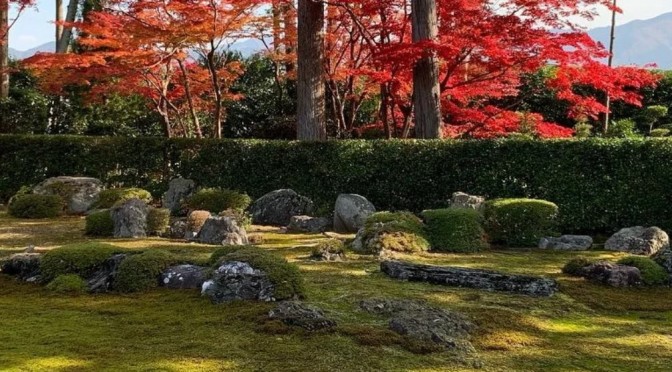
Yurara Sarara Films (July 16, 2023) – Wabi sabi can be defined as “beauty in imperfection” and can incorporate asymmetry, incompleteness, impermanence, and simplicity.
In addition to gardens, wabi sabi influences many other aspects of Japanese art and culture, such as the tea ceremony and pottery making, and it is also seen as a way of life.
A garden based around wabi sabi incorporates natural and manmade elements in a way that allows visitors to appreciate their humble and imperfect forms. This typically involves using not only plants but also stones and weathered manmade objects as design elements.
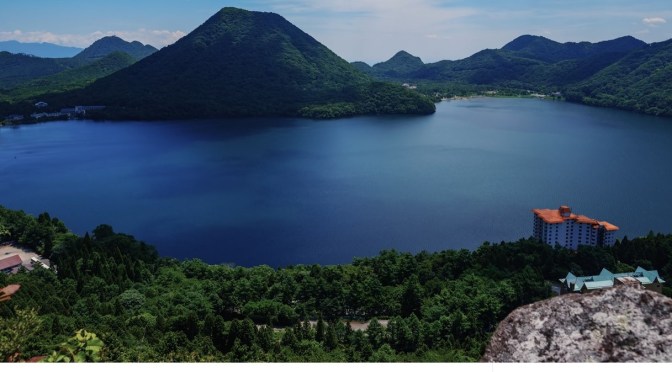
AirPano VR (March 31, 2023) – Lake Hibara is a lake located in Yama District, Fukushima, Japan. It is a part of the Bandai-Asahi National Park and is the largest of the lakes in the Bandai-kōgen plateau.
A mesotrophic lake, Lake Hibara was formed as a result of the July 15, 1888 eruption of Mount Bandai. The resulting debris avalanche created a natural dam that then filled with water, submerging Hibara Village.The remains of Hibara Village still lie at the bottom of the lake.
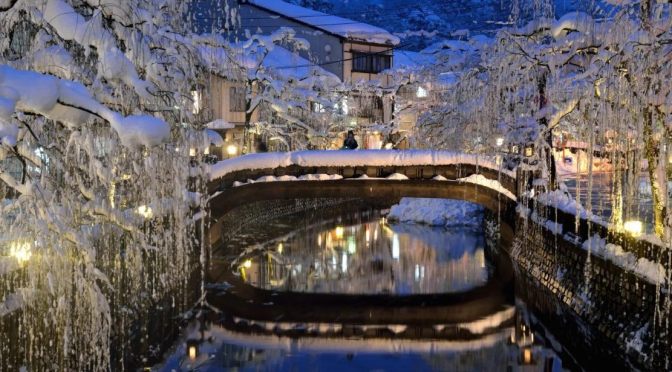
Kinosaki Onsen (城崎温泉) is located in northern Hyogo Prefecture on the coast of the Sea of Japan. This pleasant town, built along a willow-lined river, is one of the top onsen destinations of the Kansai Region.
Hot springs were discovered in Kinosaki around the 8th century and since then the town has developed into a charmingly old-fashioned onsen town. In the evenings guests of the local ryokan stroll about town in yukata and geta (wooden clogs), visiting the numerous public baths and nostalgic game arcades.
“雄大 (YUDAI)” means magnificent in Japanese. The film is a Timelapse and Hyperlapse depiction of magnificent Japan.
Japan, island country lying off the east coast of Asia. It consists of a great string of islands in a northeast-southwest arc that stretches for approximately 1,500 miles (2,400 km) through the western North Pacific Ocean. Nearly the entire land area is taken up by the country’s four main islands; from north to south these are Hokkaido (Hokkaidō), Honshu (Honshū), Shikoku, and Kyushu (Kyūshū). Honshu is the largest of the four, followed in size by Hokkaido, Kyushu, and Shikoku. In addition, there are numerous smaller islands, the major groups of which are the Ryukyu (Nansei) Islands (including the island of Okinawa) to the south and west of Kyushu and the Izu, Bonin (Ogasawara), and Volcano (Kazan) islands to the south and east of central Honshu. The national capital, Tokyo (Tōkyō), in east-central Honshu, is one of the world’s most populous cities.






 Yurara Sarara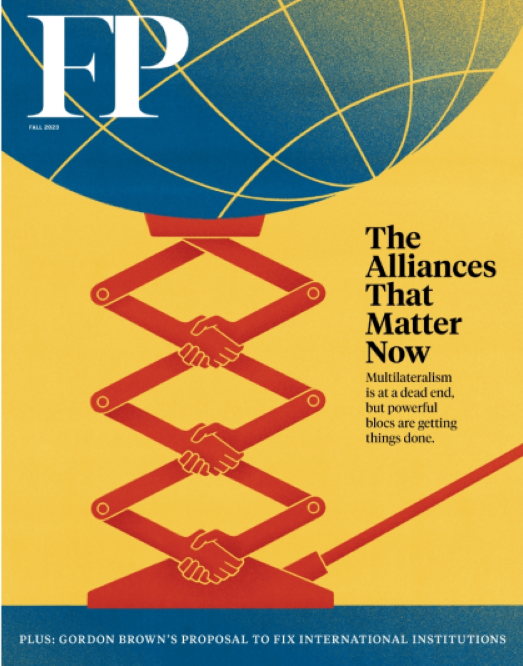


 Yurara Sarara


 Boomers Daily