

From a The Telegraph online article:
A new study (in The Lancet, Aug 16, 2019) reveals that pensioners who have an operation have a one in 14 chance of suffering a silent or “covert” stroke – an event that shows no obvious symptoms but can damage the brain.

More than 1,100 patients across the world were given MRI scans nine days after some form of major non-cardiac surgery.
They were then followed up a year later to assess their cognitive abilities.
The researchers found that not only did having a silent stroke double the chances of cognitive decline a year on, it also increased the chances of a full life-threatening stroke.
Suffering a mini-stroke increased the risk of experiencing postoperative delirium as well.
The Lancet Study: https://www.thelancet.com/journals/lancet/article/PIIS0140-6736(19)31795-7/fulltext?utm_campaign=clinical19&utm_content=98869259&utm_medium=social&utm_source=twitter&hss_channel=tw-27013292
To read more click on the following link: https://www.telegraph.co.uk/science/2019/08/15/silent-stroke-risk-major-surgery-revealed-new-study/

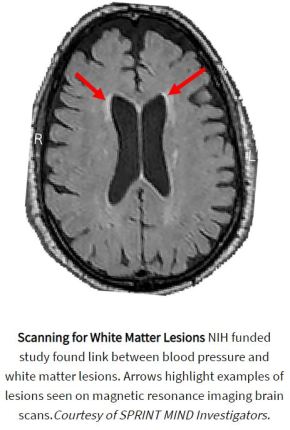 “These initial results support a growing body of evidence suggesting that controlling blood pressure may not only reduce the risk of stroke and heart disease but also of age-related cognitive loss,” said Walter J. Koroshetz, M.D., director of the NIH’s National Institute of Neurological Disorders and Stroke (NINDS). “I strongly urge people to know your blood pressure and discuss with your doctors how to optimize control. It may be a key to your future brain health.”
 Boomers Daily