Diocletian’s Palace is an ancient palace built for the Roman emperorDiocletian at the turn of the fourth century AD, which today forms about half the old town of Split, Croatia. While it is referred to as a “palace” because of its intended use as the retirement residence of Diocletian, the term can be misleading as the structure is massive and more resembles a large fortress: about half of it was for Diocletian’s personal use, and the rest housed the military garrison.
The complex was built on a peninsula six kilometres southwest from Salona, the former capital of Dalmatia, one of the largest cities of the late empire with 60,000 people and the birthplace of Diocletian. The terrain around Salona slopes gently seaward and is typical karst, consisting of low limestone ridges running east to west with marl in the clefts between them. Today the remains of the palace are part of the historic core of Split, which in 1979 was listed by UNESCO as a World Heritage Site.
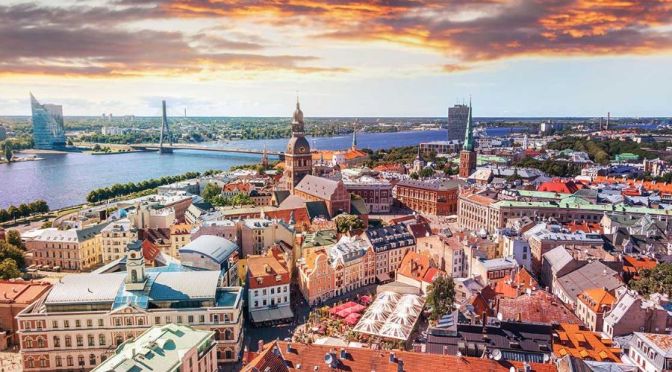
Riga, Latvia’s capital, is set on the Baltic Sea at the mouth of the River Daugava. It’s considered a cultural center and is home to many museums and concert halls. The city is also known for its wooden buildings, art nouveau architecture and medieval Old Town. The pedestrian-only Old Town has many shops and restaurants and is home to busy Livu Square, with bars and nightclubs.
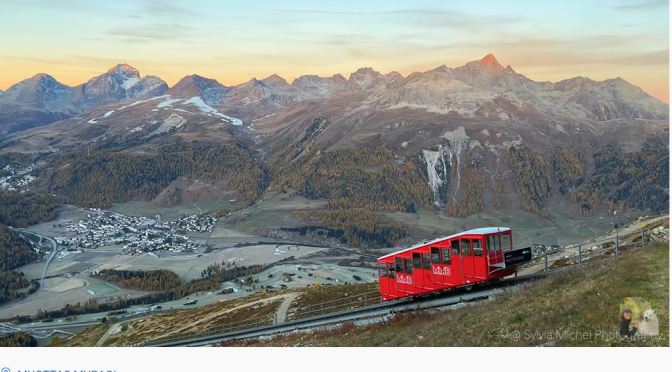
Muottas Muragl is a location on the southern slopes of the Blais da Muottas, a summit at the western end of the range descending from Piz Vadret, in the Swiss canton of Graubünden. It overlooks the Engadin, between the towns of Samedan, St. Moritz and Pontresina. The mountain is within the municipality of Samedan.
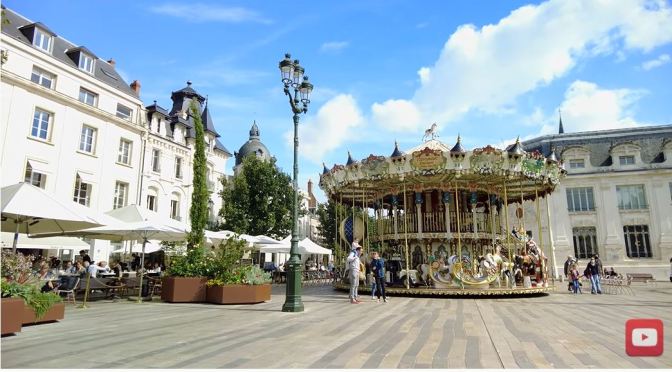
Orléans is a city on the banks of the Loire River in north-central France, and it’s the capital of the Centre-Val de Loire region. Joan of Arc famously saved the city from English siege in 1429, an event celebrated with an annual festival. A re-creation of the house where she stayed during the battle, the Maison de Jeanne d’Arc, features multimedia exhibits on her life.
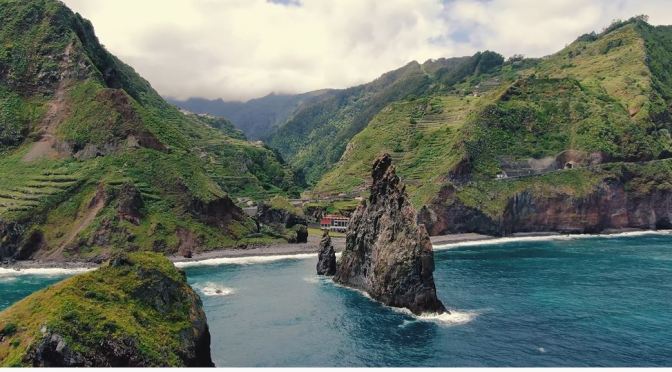
Madeira, an autonomous region of Portugal, is an archipelago comprising 4 islands off the northwest coast of Africa. It is known for its namesake wine and warm, subtropical climate. The main island of Madeira is volcanic, green and rugged, with high cliffs, pebbly beaches and settlements on deltas of the Fajã River. Capital Funchal has botanic gardens and is known for its harbor and a large New Year’s fireworks show.
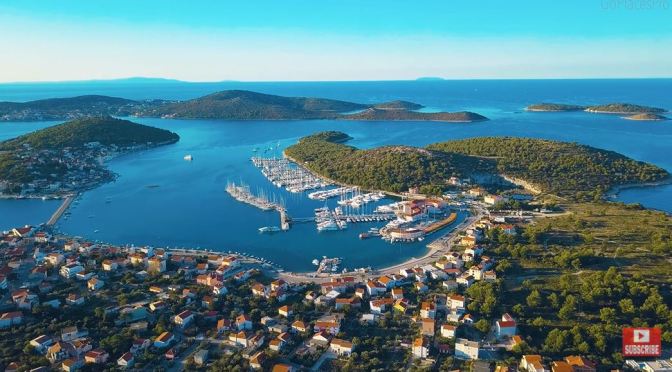
Croatia, country located in the northwestern part of the Balkan Peninsula. It is a small yet highly geographically diverse crescent-shaped country. Its capital is Zagreb, located in the north.
The present-day republic is composed of the historically Croatian regions of Croatia-Slavonia (located in the upper arm of the country), Istria (centred on the Istrian Peninsula on the northern Adriatic coast), and Dalmatia (corresponding to the coastal strip).
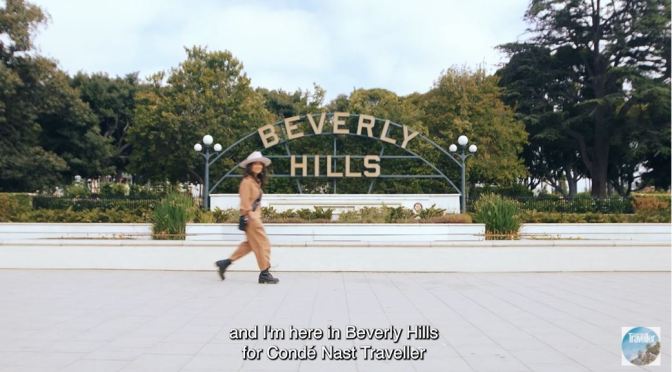
Take a trip around Beverly Hills with influencer Arnelle Lozada to discover the city’s unique features and experiences In this video, Lozada meets local business owners, restaurateurs and stylists to hear about the insider things to see and do across the Californian hotspot, home to many Hollywood A-listers. From its beautiful leafy green parks and cactus gardens to its cutting-edge health and wellness scene, innovative restaurants, quirky galleries and unique boutiques, follow Lozada’s excursion to discover the very best of Beverly Hills right now.
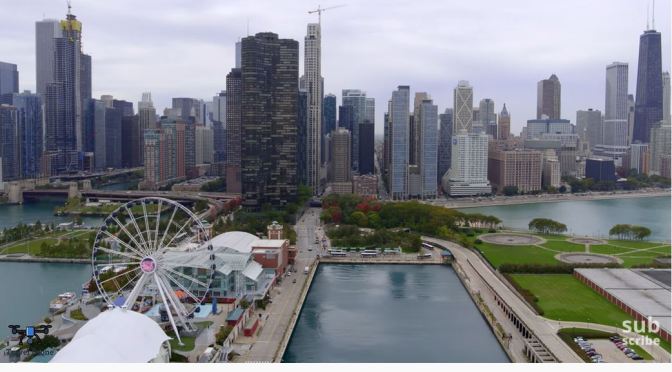
Chicago, on Lake Michigan in Illinois, is among the largest cities in the U.S. Famed for its bold architecture, it has a skyline punctuated by skyscrapers such as the iconic John Hancock Center, 1,451-ft. Willis Tower (formerly the Sears Tower) and the neo-Gothic Tribune Tower. The city is also renowned for its museums, including the Art Institute of Chicago with its noted Impressionist and Post-Impressionist works.
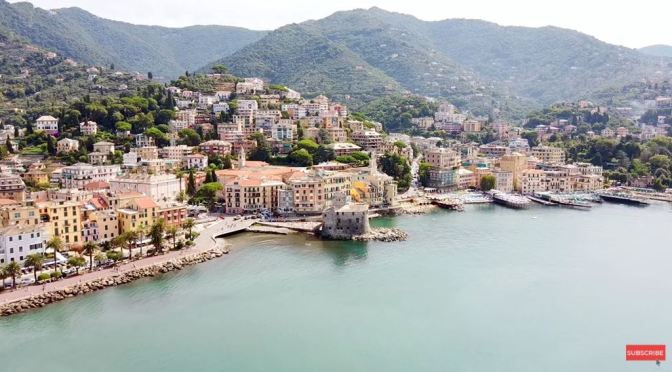
Rapallo is a town on the Italian Riviera coastline. It’s known for the hilltop Sanctuary of Our Lady of Montallegro, a pilgrimage site with sea views. The Castello di Rapallo, a 16th-century fortress, sits on the waterfront. Southwest, near Portofino village, 10th-century San Fruttuoso Abbey sits in a small cove. Nearby, the Portofino Protected Marine Area includes the underwater Christ of the Abyss bronze statue.
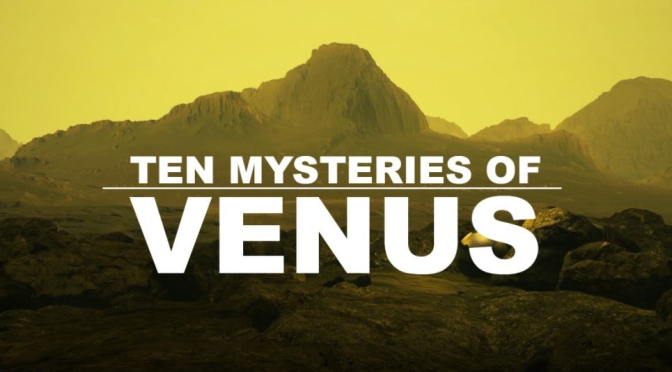
The surface of Venus is completely inhospitable for life: barren, dry, crushed under an atmosphere about 90 times the pressure of Earth’s and roasted by temperatures two times hotter than an oven. But was it always that way? Could Venus once have been a twin of Earth — a habitable world with liquid water oceans? This is one of the many mysteries associated with our shrouded sister world. 27 years have passed since NASA’s Magellan mission last orbited Venus. That was NASA’s most recent mission to Earth’s sister planet, and while we have gained significant knowledge of Venus since then, there are still numerous mysteries about the planet that remain unsolved. NASA’s DAVINCI (Deep Atmosphere Venus Investigation of Noble gases, Chemistry, and Imaging) mission hopes to change that. Video credit: NASA’s Goddard Space Flight Center
News, Views and Reviews For The Intellectually Curious


 Boomers Daily