


Adults aged 85 years and older, the “oldest old,” are the fastest-growing age group in the United States, yet relatively little is known about their cancer burden. Combining data from the National Cancer Institute, the North American Association of Central Cancer Registries, and the National Center for Health Statistics, the authors provide comprehensive information on cancer occurrence in adults aged 85 years and older. In 2019, there will be approximately 140,690 cancer cases diag-nosed and 103,250 cancer deaths among the oldest old in the United States. The most common cancers in these individuals (lung, breast, prostate, and colorectum) are the same as those in the general population. Overall cancer incidence rates peaked in the oldest men and women around 1990 and have subsequently declined, with the pace accelerating during the past decade. These trends largely reflect declines in cancers of the prostate and colorectum and, more recently, cancers of the lung among men and the breast among women.

To read entire study click on following link: https://onlinelibrary.wiley.com/doi/epdf/10.3322/caac.21577
 For the study, nearly 8,300 people at risk for heart disease had fasting and nonfasting lipid profile tests done at least four weeks apart. (Fasting means they had nothing to eat or drink except water for at least eight hours before the test.) The differences in their total, LDL, and HDL cholesterol values were negligible. Triglyceride levels were modestly higher in the nonfasting samples.
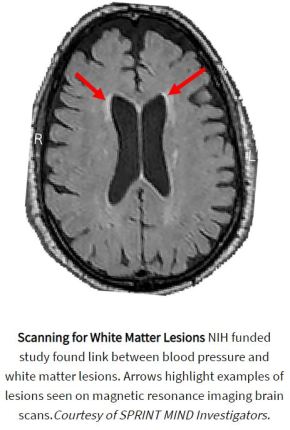 “These initial results support a growing body of evidence suggesting that controlling blood pressure may not only reduce the risk of stroke and heart disease but also of age-related cognitive loss,” said Walter J. Koroshetz, M.D., director of the NIH’s National Institute of Neurological Disorders and Stroke (NINDS). “I strongly urge people to know your blood pressure and discuss with your doctors how to optimize control. It may be a key to your future brain health.”
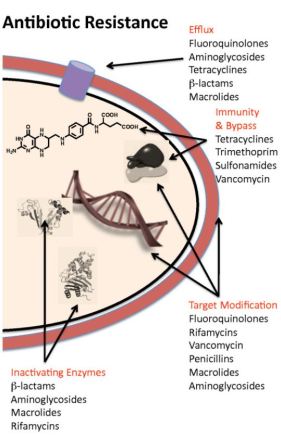 Antibiotic resistance is a global threat for public health. It is widely acknowledged that antibiotics at sub-inhibitory concentrations are important in disseminating antibiotic resistance via horizontal gene transfer. While there is high use of non-antibiotic human-targeted pharmaceuticals in our societies, the potential contribution of these on the spread of antibiotic resistance has been overlooked so far. Here, we report that commonly consumed non-antibiotic pharmaceuticals, including nonsteroidal anti-inflammatories (ibuprofen, naproxen, diclofenac), a lipid-lowering drug (gemfibrozil), and a β-blocker (propanolol), at clinically and environmentally relevant concentrations, significantly accelerated the conjugation of plasmid-borne antibiotic resistance genes.
 Boomers Daily