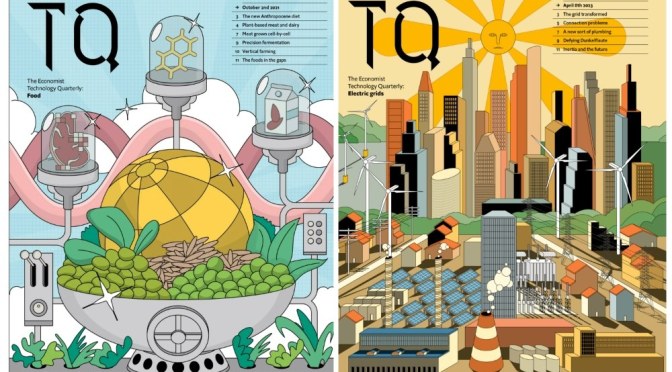


Silicon returns to Silicon Valley
AI has returned chipmaking to the heart of computer technology, says Shailesh Chitnis

AI has returned chipmaking to the heart of computer technology, says Shailesh Chitnis

AIs will make health care safer and better, reports Natasha Loder. It may even get cheaper too

Users of the internet can ignore its physical underpinnings. But for technologies like artificial intelligence and the metaverse to work, others need to pay attention, argues Abby Bertics

Video timeline: 0:00 Google Maps 9:07 LED wristbands 14:30 Spotify’s algorithm 21:30 Tap-to-Pay 28:18 Noise-canceling headphones 34:33 MSG Sphere 41:30 Shazam
From the unique tech that works in seconds to power tap-to-pay to how Shazam identifies 23,000 songs each minute, WSJ explores the engineering and science of technology that catches our eye. Chapters:
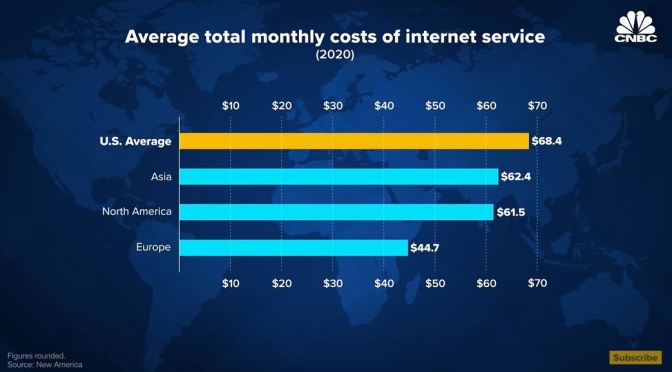
People in the U.S. frequently pay more for slower internet service than people abroad, according to a report from the Open Technology Institute. Lawmakers in Washington are attempting to address the high price of internet service, as well as the lack of access for many low income families, by deeming internet access infrastructure. Here’s why high speed internet is so expensive in the U.S., why so many Americans struggle to gain access and what policymakers can do about it.”
Chapters 0:00 – Introduction 1:55 – Prices 4:22 – Economic impact 6:39 – Lack of competition 9:54 – Solutions
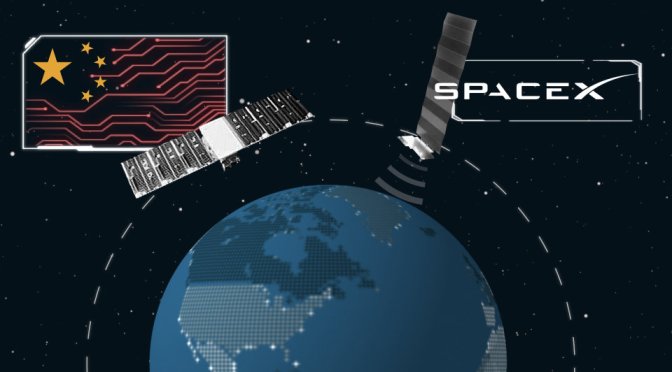
SpaceX has more than 1,000 satellites beaming high-speed internet to Earth, but China promises to offer higher speeds with the launch of what it calls the world’s first 6G satellite. Here’s how both are on a quest to build powerful internet networks in space. Photo illustration: Sharon Shi
SpaceX’s broadband satellite internet, Starlink, is still in beta, but already has over 10,000 customers. The fledgling service is expected to be a cash cow for SpaceX, bringing in as much as $30 billion a year — more than 10 times the annual revenue of its existing rocket business. This revenue will be used to fuel Elon Musk’s ultimate goal of building a colony on Mars. Eventually, Starlink may even keep us connected on the Red Planet.
Video timeline: 00:00 – Introduction 02:24 – Understanding Starlink 07:15 – SpaceX’s golden ticket 10:05 – Challenges 16:12 – Future of Starlink
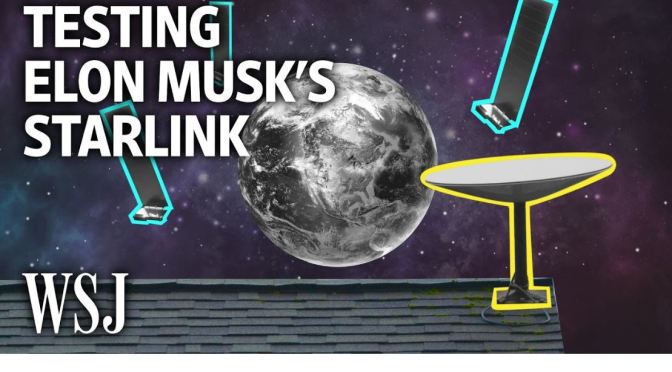
SpaceX’s new Starlink satellite internet service is being touted as a rural internet game changer. WSJ spent time with a few beta testers in a very remote area of Washington state to see if it’s truly the solution to the global broadband gap. Photo Illustration: Laura Kammermann


 Boomers Daily