Boomers visited Laetitia on August 25, 2019:
 Laetitia Vineyard and Winery in Aroyo Grande, Ca is known for its respected Pinot Noir and “seven unique sparkling wines”. Santa Rosa-based Vintage Wine Estates recently (February 2019) bought Laetitia for an undisclosed sum. Here is the wineries mission statement as posted on the website:
A deep and abiding respect for Laetitia’s estate-grown fruit is the mark of Eric Hickey’s winemaking. Beginning his hands-on training in the cellar at the age of 16, Eric has lived and breathed Laetitia all the way to the top, where he is now the Head Winemaker and the winery’s President. “I keep it simple,” he says, “and I stay eye-to-eye with Lino (Bozzano) because the interplay between us is what determines the wines’ quality. Everything done in the cellar starts with what we do out in the vineyard.”
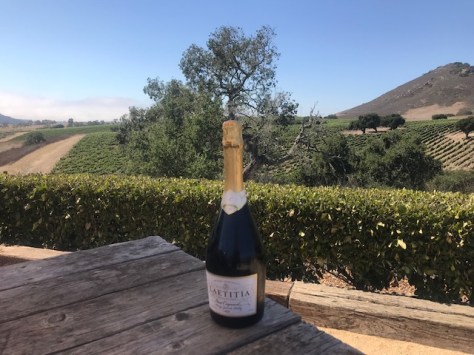
We tasted the 2014 Brut Coquard Sparkling wine (rated 93 points). We appreciated its balance between sweet fruit and dry hazelnut. The view from our picnic table north of the tasting room was spectacular.
 The property offers a Bocce Ball area to have fun with as you sample their extensive wine flights. Additionally, there is a hiking trail through the 1986-acre estate. Here is a description of the estate from their website:
The Laetitia Estate Vineyards were first planted to grapes in 1982 when French viticulturists found ideal growing conditions in the Arroyo Grande Valley for producing wines of similar character to those of 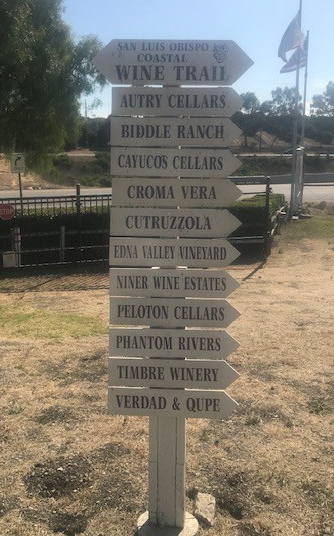 their homeland in Epernay, France. Nineteen years later, the property would be acquired by Selim Zilkha, founder of a successful wind power development company and champion of environmental sustainability. Between his qualifications in renewable energy solutions and his passion for the pleasures of the harvest, Selim has developed Laetitia into the home of some of California’s highest quality, sustainably-produced wines.
As you exit Laetitia, a “San Luis Obistpo Wine Trail” sign explains just how dynamic this wine regain is.

Boomers
http://www.nadiawines.com/resources/wine-club/wineClub1463612468573cf43430aa61.09541936.pdf


 the lightweight timber structure is built on a wheeled chassis and clad in matte black weathertex, a locally sourced material made from forest thinnings and other industry by-products in the production process. the off-grid cabin features built-in joinery that blends seamlessly with the interior lining and cathedral ceiling so that this sense of openness is preserved.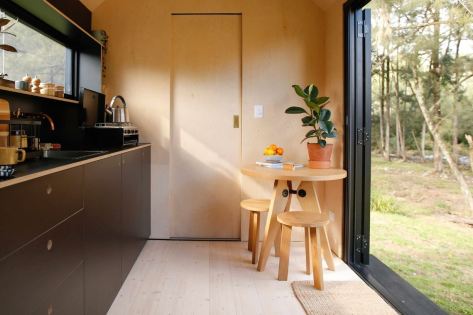

 NPR’s Tamara Keith and Amy Walter of the Cook Political Report join Lisa Desjardins to discuss the latest political news, including recent poll and fundraising numbers for the remaining 2020 Democrats, whether former Rep. Joe Walsh can mount a serious primary threat to President Trump and what the economy and trade tensions mean for Trump’s favorability ratings.
 Now, visitors come to the Lost Coast to hike, fish, beachcomb, bird-watch and scan the ocean for migrating whales in the offshore marine preserve (Ms. Kaai recommended visiting on a weekend, when Shelter Cove’s few restaurants are open). Others come to backpack along the famous



 Enjoy the fruits of their labor during dinner at Farmstead, the James Beard Award-winning restaurant, known for its hyper-seasonal dishes like thyme-basted golden beets and hen of the woods mushrooms drizzled with pine syrup.



 Rivian has demonstrated a fully functional,



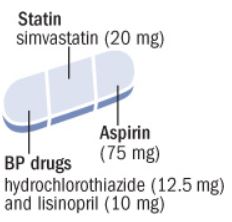 Use of polypill was effective in preventing major cardiovascular events. Medication adherence was high and adverse event numbers were low. The polypill strategy could be considered as an additional effective component in controlling cardiovascular diseases, especially in LMICs.
 Boomers Daily