

From Insider.com (via Business Insider):
 It feels as if nobody read the Mueller report. That’s a shame, because it’s an important document, depicting possible crimes by a sitting US president.
But not reading it makes sense. As a narrative, the document is a disaster. And at 448 pages, it’s too long to grind through. For long stretches, it reads less like a story and more like a terms-of-service agreement. The instinct to click “next” is strong.
And yet, buried within the Mueller report, there is a narrative that reads in parts like a thriller, like a comedy, like a tragedy — and, most important — like an indictment. The facts are compelling, all the more so because they come not from President Donald Trump’s critics or “fake news” reports, but from Trump’s own handpicked colleagues and associates. The story just needed to be rearranged in a better form.
So we hired Mark Bowden, a journalist and author known for his brilliant works of narrative nonfiction like “Black Hawk Down,” “Killing Pablo,” and “Hue 1968.”
Read the full adaptation by clicking link below:
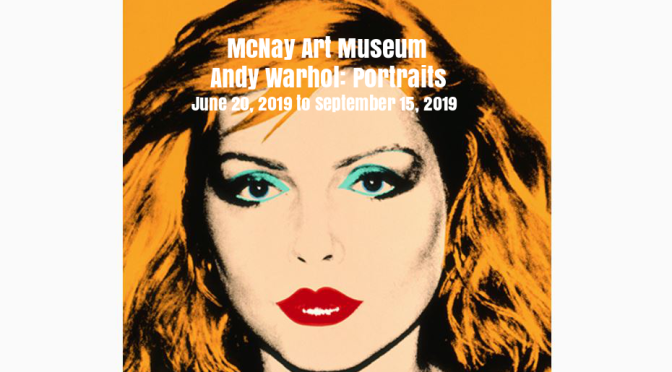
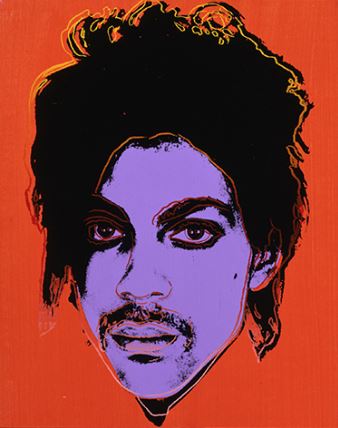 Andy Warhol: Portraits features over 120 paintings, prints, photographs, and films that depict the artist’s favorite genre: the portrait. This exhibition presents a snapshot of New York’s art and social scene from the 1960s through the 1980s through portraits of Warhol’s friends and patrons, movie stars and musicians, and celebrities of the day that range in style from the pristinely-idealized to the heartbreakingly-raw. Personalities who populated Warhol’s inner circle are represented; some widely recognized names include Joan Collins, Debbie Harry, Dennis Hopper, Mick Jagger, Robert Rauschenberg, and Andy Warhol himself. The presentation takes a multi-dimensional approach to the work, exploring the formal, conceptual, social, and political implications of portraiture, identity, and fame. Andy Warhol: Portraits invites the viewer into Warhol’s world, by examining the artist’s personal life, studio process, and use of a variety of mediums.


 Residents can enjoy four beautiful seasons in Flagstaff, says Meg Roederer, of the Flagstaff Convention and Visitors Bureau. She graduated from Northern Arizona University (located at the heart of Flagstaff) 30 years ago and never looked back. “Between the student, professional and retirement populations, the city has a real vibrancy,” she says. Don’t be fooled by downtown Flagstaff’s sleepy western vibe. “It’s really a mountain-foodie town,” Roederer says. It has more than 200 restaurants and award-winning craft beers in abundance along a “brewery trail.”
 Rieder likens his experiences trying to get off prescription pain meds to a game of hot potato. “The patient is the potato,” he says. “Everybody had a reason to send me to somebody else.”
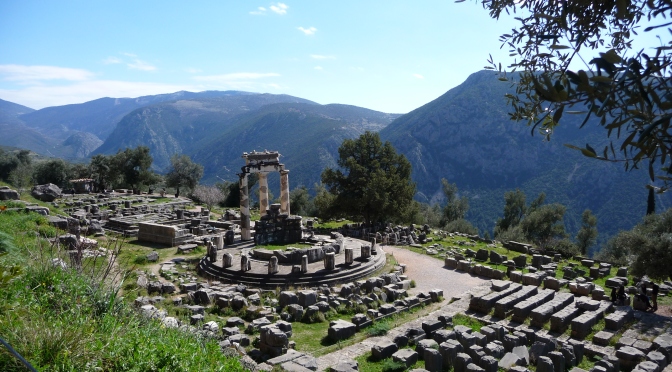
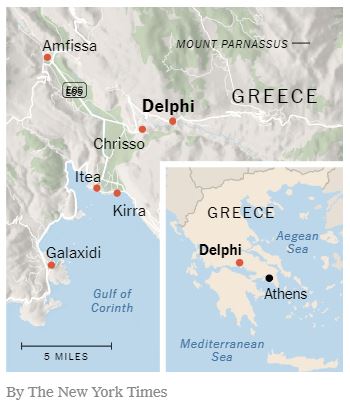 But as I stood on the archaic plateau, I was riveted. The broken columns of once-mighty altars rose like spirits in the pure air. A timeworn stadium and a prodigious stone amphitheater reigned silently over the mountain. The Temple of Apollo, where the Oracle dispensed her cryptic prophecies, was ringed with paths trod by truth-seekers who had labored up the steep valley from the Corinthian Gulf.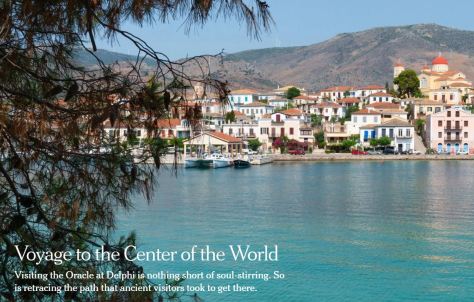

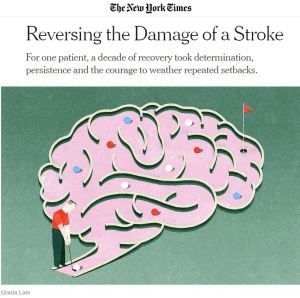 The learning curve was steep: “I couldn’t read; I couldn’t write. I could see the hospital signs, the elevator signs, the therapists’ cards, but I couldn’t understand them,” he wrote. The aphasia — the inability to understand or express speech — “had beaten and battered” his pride.
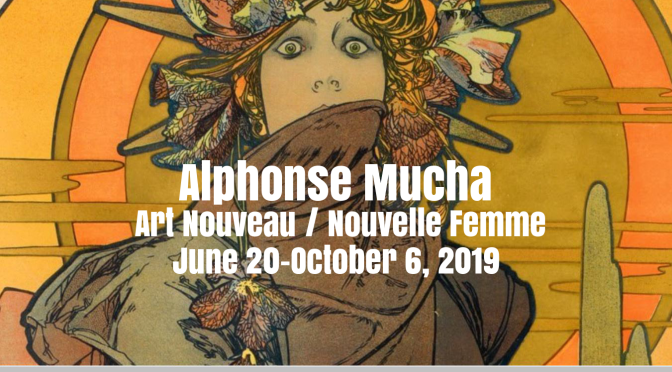
 Alphonse Mucha, born in Bohemia, came to Paris in 1887. Over the next 8 years, he emerged from obscurity to become the most celebrated graphic designer of the Art Nouveau movement. His intricate designs and gorgeous subjects were so popular that he produced pattern books for fellow designers and students, and his publishers repurposed his advertisements for hundreds of other products.
 Boomers Daily