

The Delta blues: As a new surge halts a return to normal, should vaccination be required? Our latest magazine cover: https://t.co/GP8cbUOzw5
— The Week (@TheWeek) August 5, 2021
(Illustration by Fred Harper) pic.twitter.com/AMutADOUII
Tag Archives: The Week
Front Cover Views: ‘The Week’ – July 23, 2021

Food & Drink: Prosecco – A Very “Sophisticated” Sparkling Wine These Days
From a UK The Week online article:
 While all their Proseccos are exceptional, it’s their Brut that blows everyone away. It recaptures a tantalising hint of the yeast I so loved from the Rifermentato in Bottiglia, all sharp apples and sourdough.
Tucked between the formidable fingers of the Dolomites and the enduring opulence of Venice is an overlooked area of Italian countryside. Its steep verdant hills and serene cobble-stone towns won’t be found on any tourist maps – but you will find their handiwork on just about every menu in the UK.
This is Prosecco country: the land that gave us all-you-can-sip sparkle. It’s easy to forget between the 6th and 7th bottomless brunch glass that someone, somewhere actually crafted this world-conquering wine. But craft it they do – carefully, consistently and often quickly – and what the UK sees is a mere price-prioritised glimpse of Prosecco’s true scope.
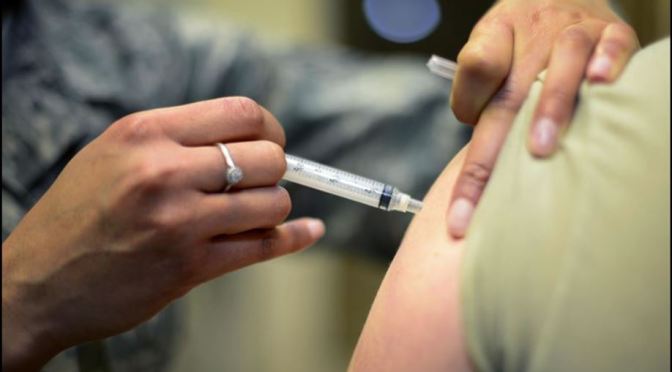
Health: Important Facts Regarding Flu Vaccines And Influenza Virus
From a The Week online article:
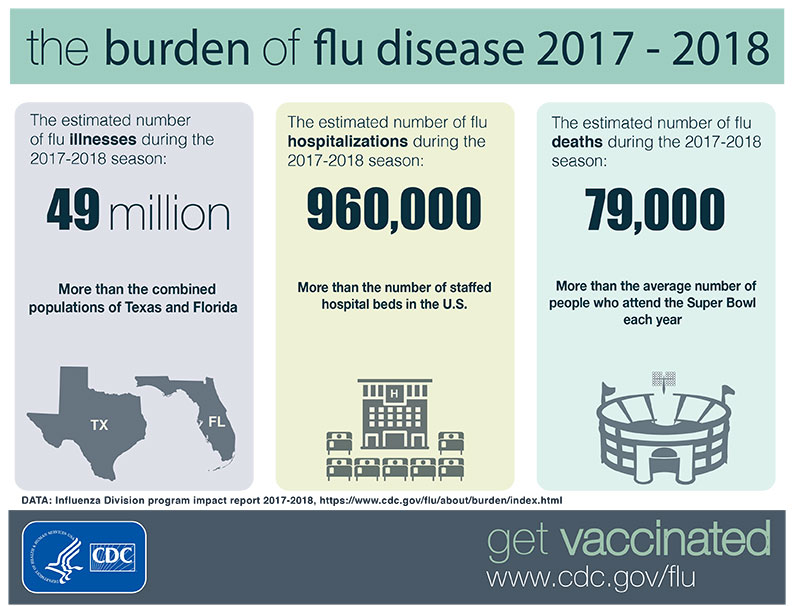
The disease kills 12,000 Americans during mild flu seasons and up to 56,000 in severe ones, with 90 percent of the victims over 65 years old.
Although the U.S. has one of the highest vaccination rates in the world, only 45 percent of adults and 63 percent of children get flu shots each year. Scientists estimate that if the vaccination rates were boosted to between 80 and 90 percent, it could effectively stop seasonal flu from spreading because of herd immunity.
How does the vaccine work?
The flu vaccine contains inactive or weakened versions of three or four different strains of the influenza virus. Most people receive the vaccine via injection, but there is also a nasal spray available. The weakened viruses can’t cause serious illness, but they trigger and train the immune system to fight off the invading microorganisms. White blood cells generate an army of antibodies, which attack and destroy the vaccine viruses by attaching themselves to parts of the virus known as antigens. The vaccine antigens have the same shape as real flu antigens, so the immune system now has antibodies that match up with the real flu virus. That experience teaches the immune system to recognize future flu infections and quickly make antibodies to attack the invading viruses. It takes about two weeks after receiving the vaccine to develop immunity, which is why doctors recommend getting it early in the flu season, which begins in October and can last as late as May.
To read more: https://theweek.com/articles/874101/flu-vaccine-everything-need-know
 Boomers Daily