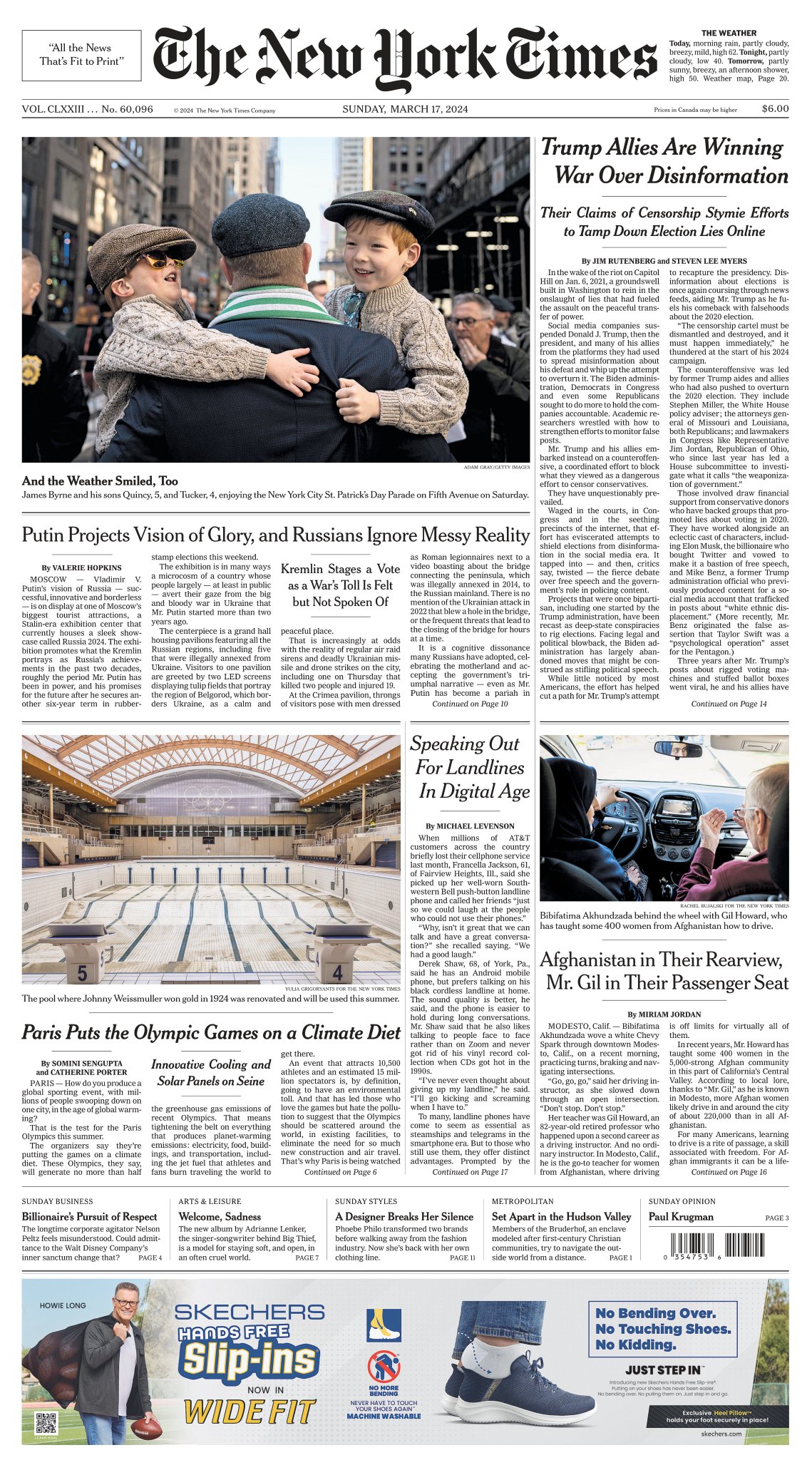
Vladimir V. Putin, casting himself as the only leader able to end the war in Ukraine, is all but assured another term in a rubber-stamp election this weekend.
Local lore says that one 82-year-old professor has probably taught more Afghan women drivers in a California town than there are in all Afghanistan. For them, it’s not about empowerment; it’s for groceries.
When it comes to fiction, humor is serious business. If tragedy appeals to the emotions, wit appeals to the mind. “You have to know where the funny is,” the writer Sheila Heti says, “and if you know where the funny is, you know everything.” Humor is a bulwark against complacency and conformity, mediocrity and predictability.
With all this in mind, we’ve put together a list of 22 of the funniest novels written in English since Joseph Heller’s “Catch-22” (1961). That book presented a voice that was fresh, liberated, angry and also funny — about something American novels hadn’t been funny about before: war. Set during World War II and featuring Capt. John Yossarian, a B-25 bombardier, the novel presaged, in its black humor, its outraged intelligence, its blend of tragedy and farce, and its awareness of the corrupt values that got us into Vietnam, not just Bob Dylan but the counterculture writ large.
These are things gaslighters say, writes Kate Abramson.
As she explains in “On Gaslighting,” the term originated in the 1944 film “Gaslight,” and after entering the therapeutic lexicon of the 1980s, steadily made its way into colloquial usage.
As a society we have become adept at classifying actions within interpersonal relationships using therapy-speak. From “attachment style” to “trauma-bonding,” personal judgments have become diagnoses — without the assistance of a licensed professional: Anyone with a social media account or a jokey T-shirt can get in on the action. (In 2021, the flippant phrase “gaslight, gatekeep, girlboss” became a popular, snide social-media shorthand for a certain kind of capitalist feminism.)
The fall of affirmative action is part of a 50-year campaign to roll back racial progress.
By Nikole Hannah
Anthony K. Wutoh, the provost of Howard University, was sitting at his desk last July when his phone rang. It was the new dean of the College of Medicine, and she was worried. She had received a letter from a conservative law group called the Liberty Justice Center. The letter warned that in the wake of the Supreme Court’s decision striking down affirmative action in college admissions, the school “must cease” any practices or policies that included a “racial component” and said it was notifying medical schools across the country that they must eliminate “racial discrimination” in their admissions. If Howard refused to comply, the letter threatened, the organization would sue.
Researchers are documenting a phenomenon that seems to help the dying, as well as those they leave behind.
By Phoebe Zerwick
Chris Kerr was 12 when he first observed a deathbed vision. His memory of that summer in 1974 is blurred, but not the sense of mystery he felt at the bedside of his dying father. Throughout Kerr’s childhood in Toronto, his father, a surgeon, was too busy to spend much time with his son, except for an annual fishing trip they took, just the two of them, to the Canadian wilderness. Gaunt and weakened by cancer at 42, his father reached for the buttons on Kerr’s shirt, fiddled with them and said something about getting ready to catch the plane to their cabin in the woods. “I knew intuitively, I knew wherever he was, must be a good place because we were going fishing,” Kerr told me.
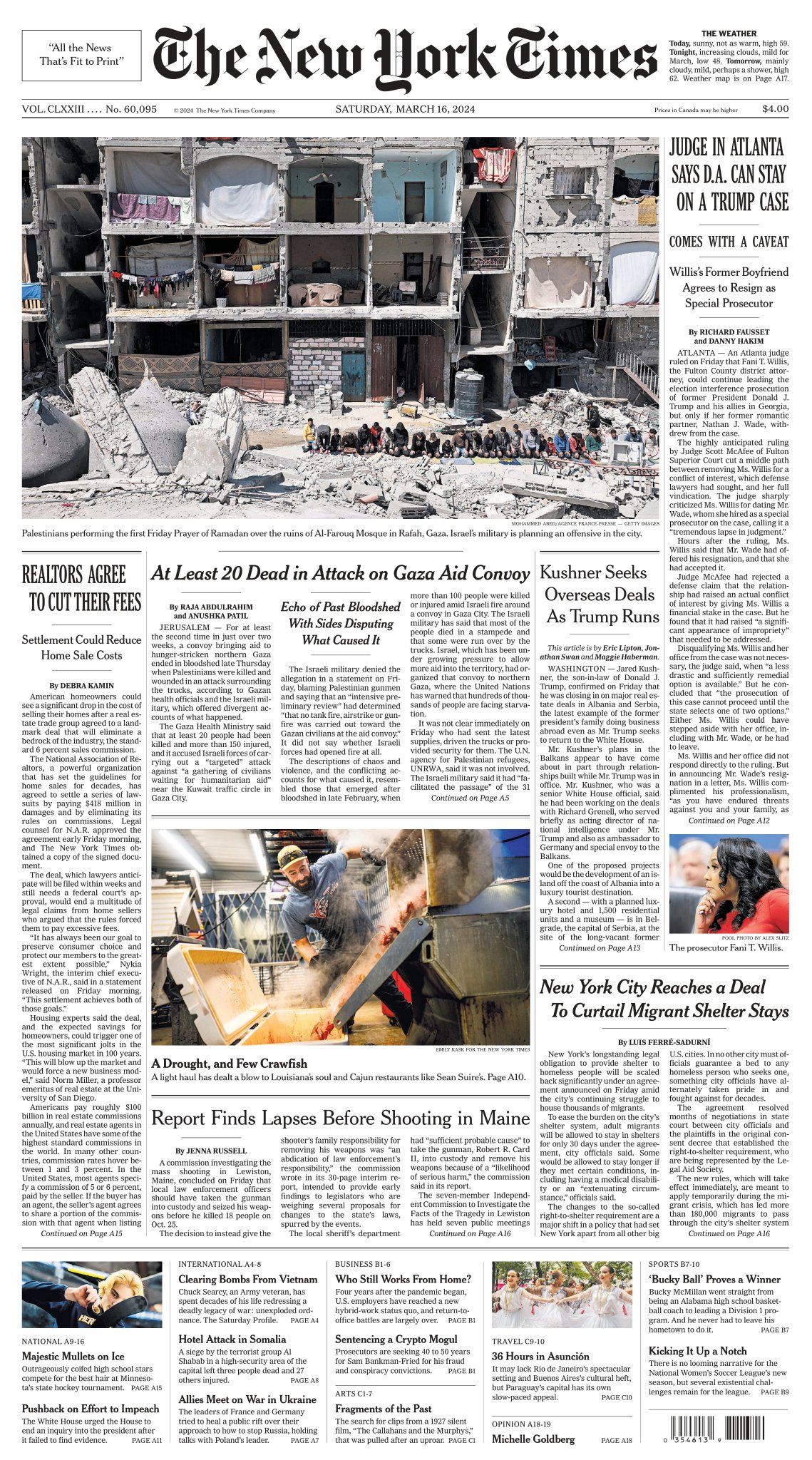
The National Association of Realtors will pay $418 million in damages and will amend several rules that housing experts say will drive down housing costs.
Another Gaza Aid Convoy Ends in Violence, With at Least 20 Killed
The Gaza Health Ministry accused Israel of a “targeted” attack. Israel’s military denied the accusation, blaming Palestinian gunmen for the violence.
The top Senate Democrat, the highest-ranking Jewish elected official in the United States, spoke from the Senate floor to condemn Prime Minister Benjamin Netanyahu and call for elections to replace him.
Mainstream parties are changing laws to protect government institutions. Critics say the changes risk undermining democracy.
Snakes in the Grass — and Under the Piano, by the Pool and in the Prison
Business is good for snake catchers in Australia, as the period of brumation, a sort of hibernation for reptiles, is shrinking — a result of the warming earth.
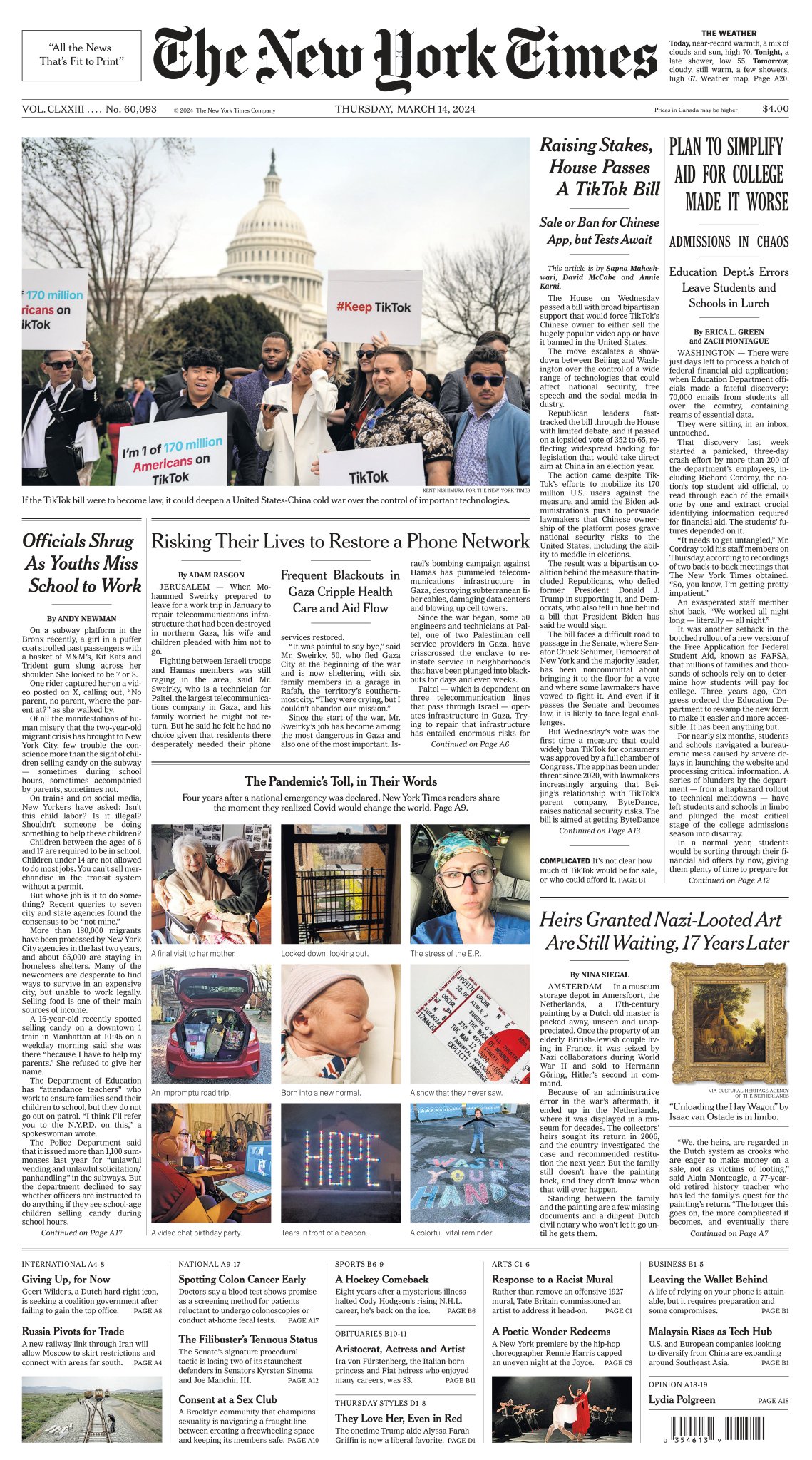
The legislation received wide bipartisan support, with both Republicans and Democrats showing an eagerness to appear tough on China.
They Sell Candy Instead of Going to School. New York Isn’t Stopping Them.
Letting children work in the train system during school hours breaks several laws and rules. But a series of agencies said it was not their place to stop the practice.
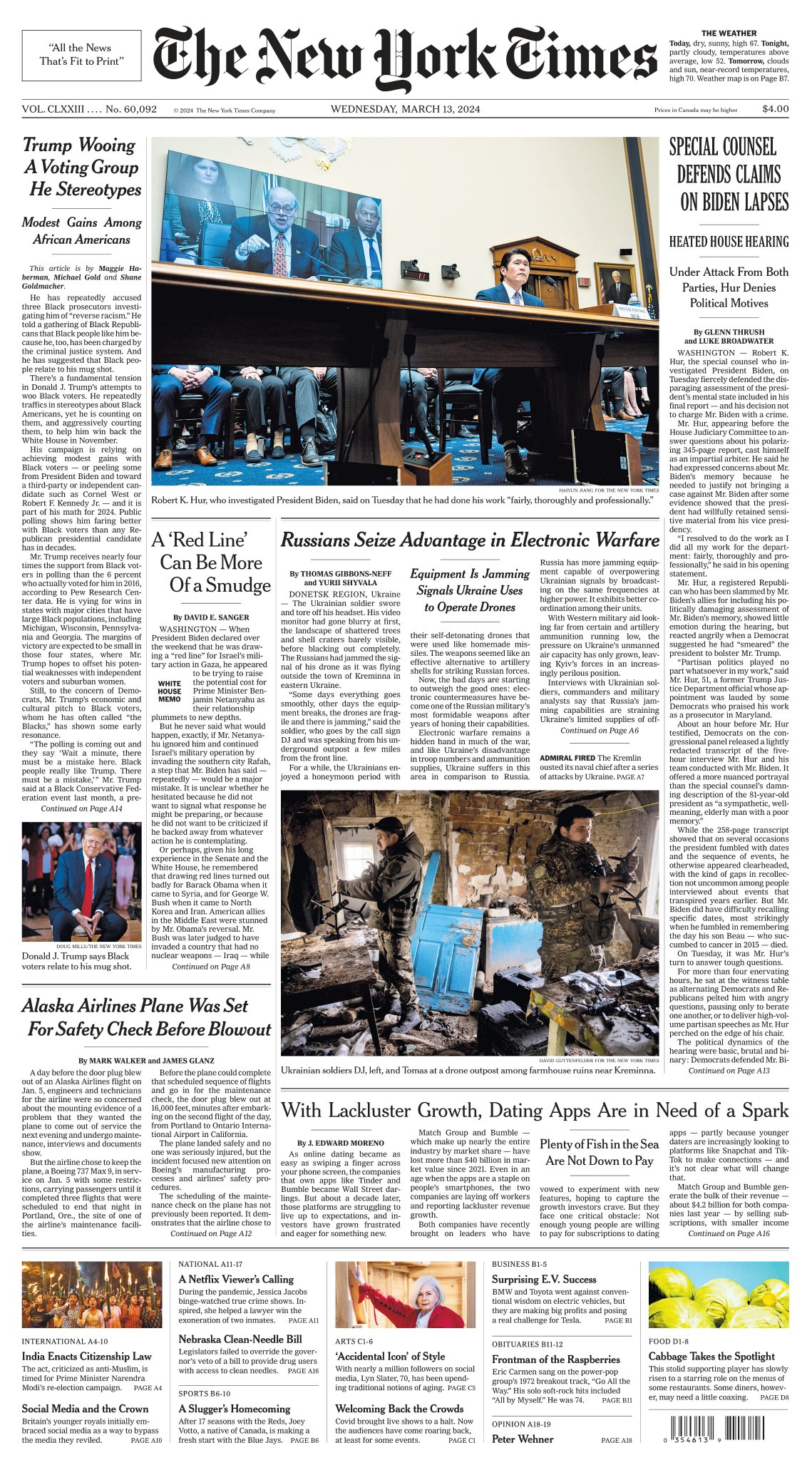
At a hearing, Republicans peppered Robert K. Hur about his justifications for not charging the president, and Democrats rebuked him for broad assertions about Mr. Biden’s memory.
Trump Courts Black Voters Even as He Traffics in Stereotypes
The former president traffics in stereotypes about Black Americans, yet he is counting on them, and aggressively courting them, in seeking to return to the White House.
Jamming’: How Electronic Warfare Is Reshaping Ukraine’s Battlefields
Drones have become a critical weapon for both sides, but a lack of coordination among troops has put Ukraine at a disadvantage.
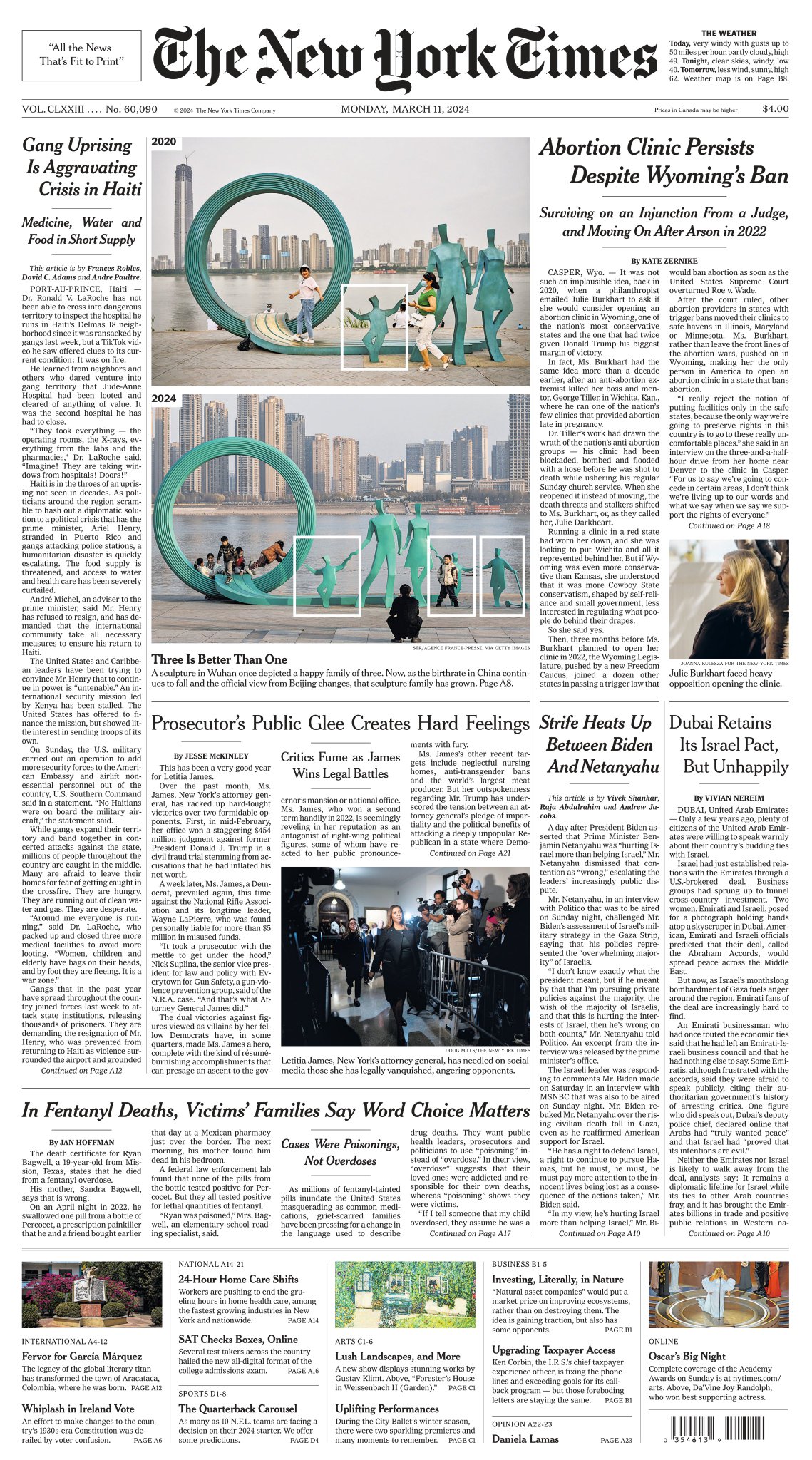
The only abortion clinic left in the state has been protested and set on fire, rebuilt and opened as Wyoming grapples with what it means to be conservative in a post-Roe nation.
As gangs have united in concerted attacks against the state, the prime minister is stranded in Puerto Rico, and food, water, fuel and medical care are in short supply.
The United Arab Emirates has maintained its links to Israel throughout the war in Gaza, but the relationship, built on a U.S.-brokered deal, is under pressure as anger against Israel grows.
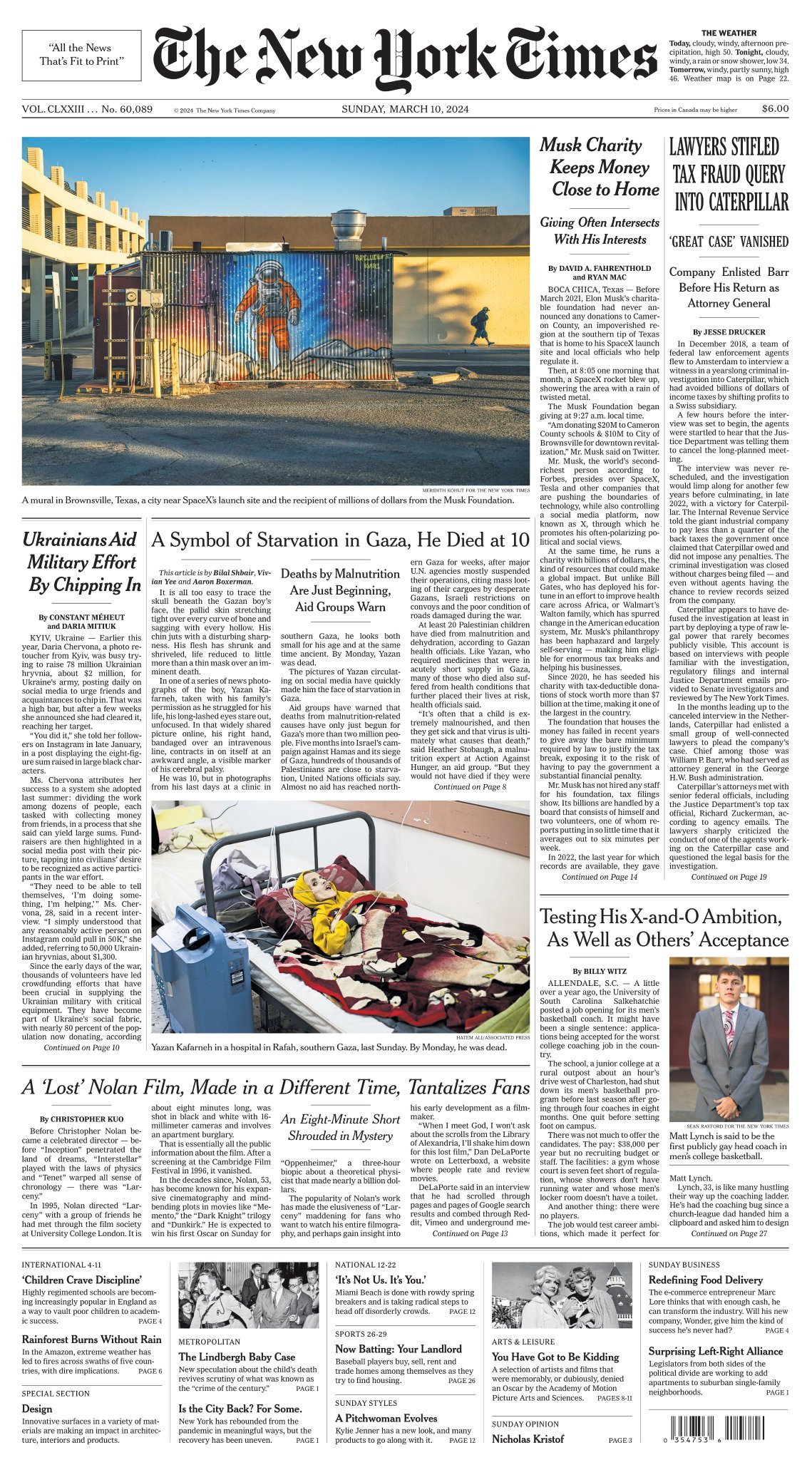
After making billions in tax-deductible donations to his philanthropy, the owner of Tesla and SpaceX gave away far less than required in some years — and what he did give often supported his own interests.
Fund-raisers are borrowing heavily from business techniques to keep donations flowing to the military. The latest trend? Broad approaches that rely on networks of friends and acquaintances.
The 10-Year-Old Boy Who Has Become the Face of Starvation in Gaza
The harrowing image of a skeletal Yazan Kafarneh circulated widely on social media and has served as a graphic warning about the enclave’s dire food situation.
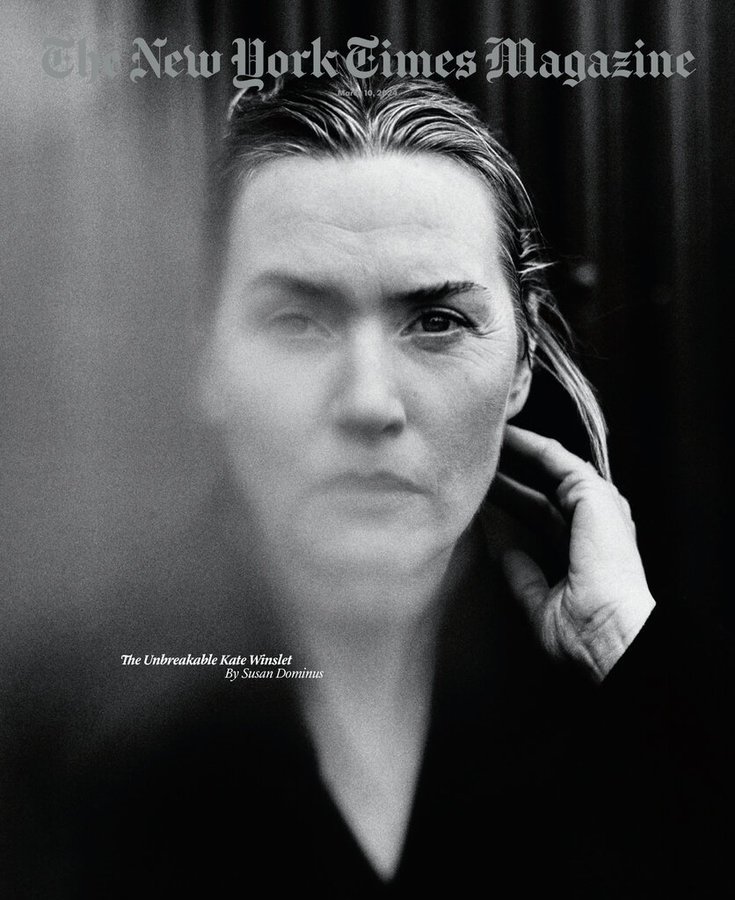
As a young star, she endured Hollywood’s brutal treatment of women. Now she’s putting her resilience and grit on full display.
Kate Winslet was standing in front of a microphone, breathing hard.Sometimes she did it fast; sometimes she slowed it down. Sometimes the breathing sounded anxious; other times, it was clearly the gasping of someone who was winded. Before beginning a new take, Winslet stood stock still, hands opening and closing at her sides; she looked like a gymnast about to bound into a floor routine. Every breath seemed high-stakes, even though she was well into a long day of recording in a dim, windowless studio in London.
France has often been the vanguard of leftist politics — but support in the streets doesn’t always translate to votes at the ballot box.
By Elisabeth Zerofsky
The signs that a protest is happening in Paris are nearly always the same: the quiet of blocked-off streets; the neat rows of police vans containing the gendarmerie stretching down the boulevard; the sound of drumbeats and whistles and the neon red flares that spit smoke into the sky. For six months last year, those signs were constant and ubiquitous, as furious, sometimes violent marches and general strikes protesting President Emmanuel Macron’s pension reforms brought Paris to a standstill. Students and activists, public-transit operators, custodial staff, medics, mechanics, teachers, oil-rig workers, writers and celebrities all gathered to rail against Macron’s plan to raise the national retirement age by two years, to 64.
News, Views and Reviews For The Intellectually Curious












 Boomers Daily