


Clinical-trial data suggest that semaglutide, sold under the name Wegovy, slashes risk of heart attacks and other cardiovascular incidents.
Ecologist Elena Tamburini hopes to show that shellfish farming efficiently absorbs carbon.
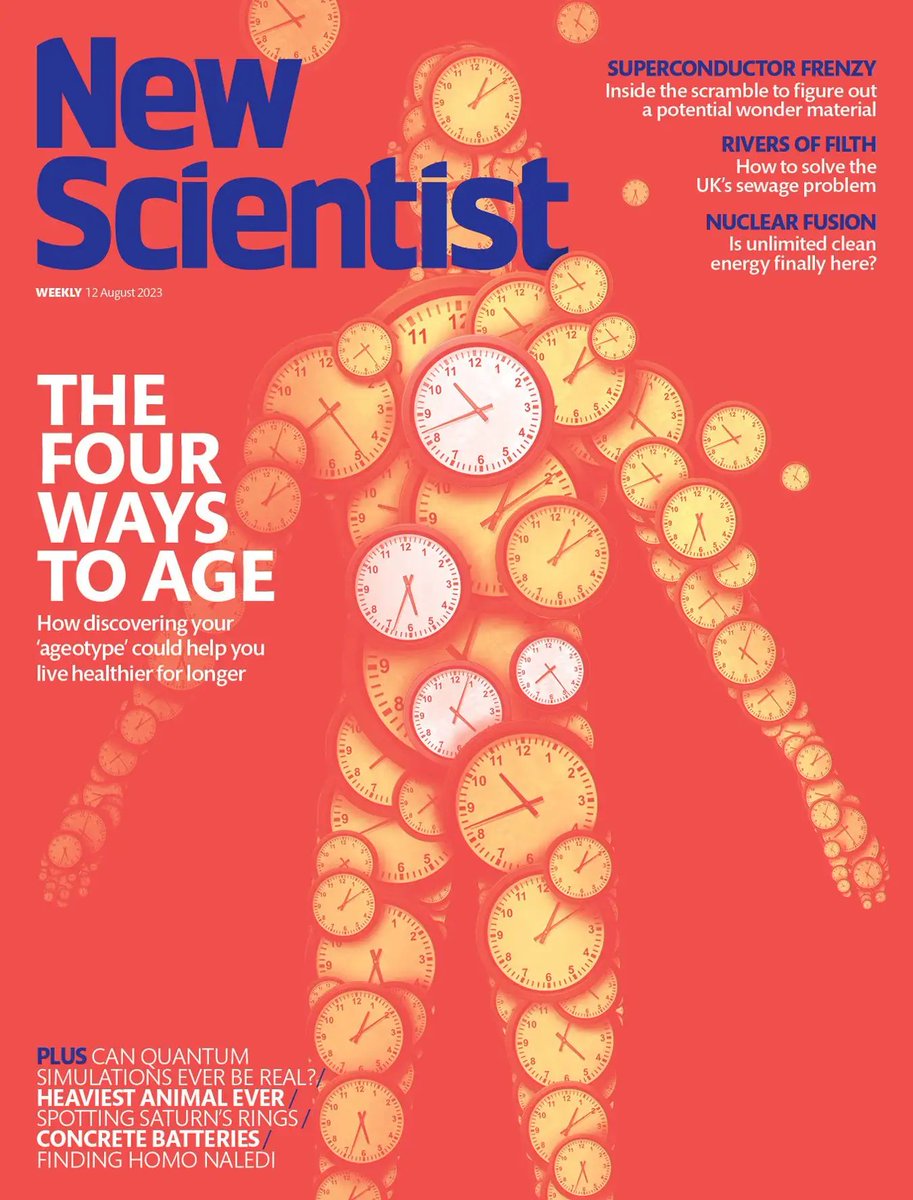

Your body is ageing down one of four – or more – possible pathways. Figuring out your “ageotype” could help you zero in on the things you can do to stay healthier for longer
THERE is a (probably apocryphal) story about Henry Ford sending agents out to junkyards across the US in search of scrapped Model Ts. The famous industrialist wanted to know which of the car’s vital components failed first, so he could do something about it. The agents reported back that every bit of the car was susceptible to failure, but some were more susceptible than others, except for one – a component of the steering system called the kingpin, which almost never failed. They expected Ford to announce plans to extend the working lives of the weaker components. Instead, he ordered his engineers to make less resilient kingpins. No point wasting good money on a component that always outlived the others.

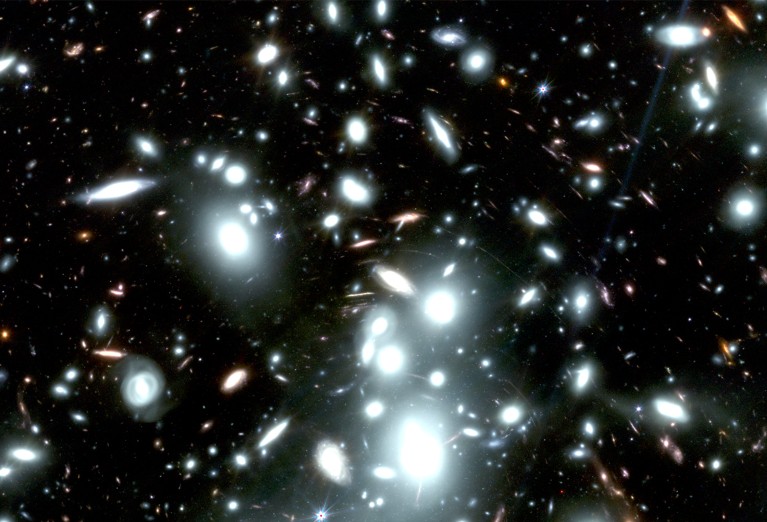
The object’s deep red colour suggests it existed when the Universe was less than 700 million years old.
The James Webb Space Telescope (JWST) has seen what is probably a quasar from the early Universe1.
The Scopus, Dimensions and Web of Science databases are introducing conversational AI search.

The conversational AI-powered chatbots that have come to Internet search engines, such as Google’s Bard and Microsoft’s Bing, look increasingly set to change scientific search, too. On 1 August, Dutch publishing giant Elsevier released a ChatGPT-like artificial-intelligence (AI) interface for some users of its Scopus database, and British firm Digital Science announced a closed trial of an AI large language model (LLM) assistant for its Dimensions database. Meanwhile, US firm Clarivate says it’s working on bringing LLMs to its Web of Science database.
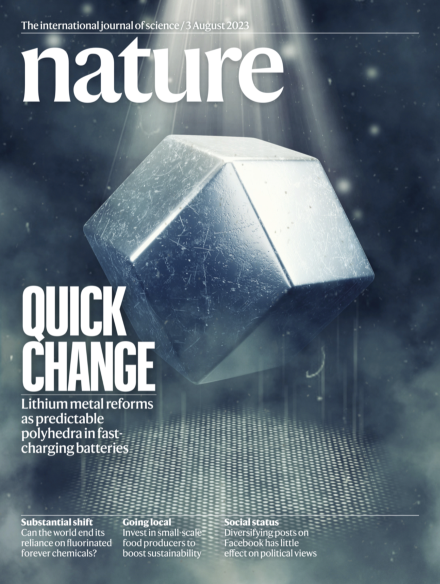
Climate change is making water stress worse for billions worldwide. Scaling up both new and traditional solutions must be a priority.
An immune response triggered by cardiac disease affects the function of a gland with a key role in the sleep–wake cycle.
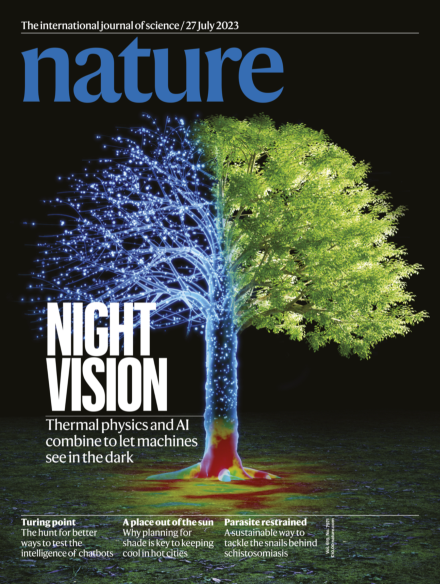
Despite their wide use, large language models are still mysterious. Revealing their true nature is urgent and important.
Bloodstream infections by a common fungus are less deadly in mice engineered to have lower levels of a protein secreted by immune cells.
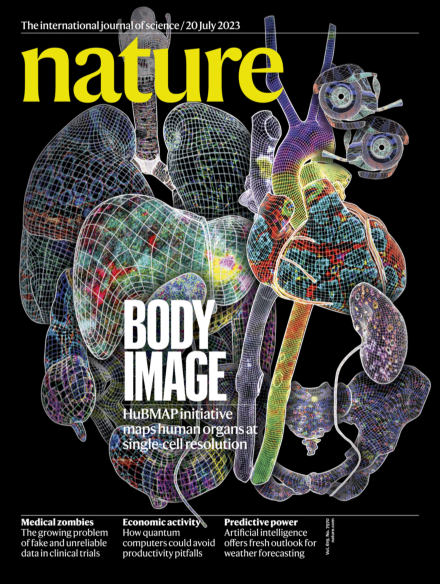
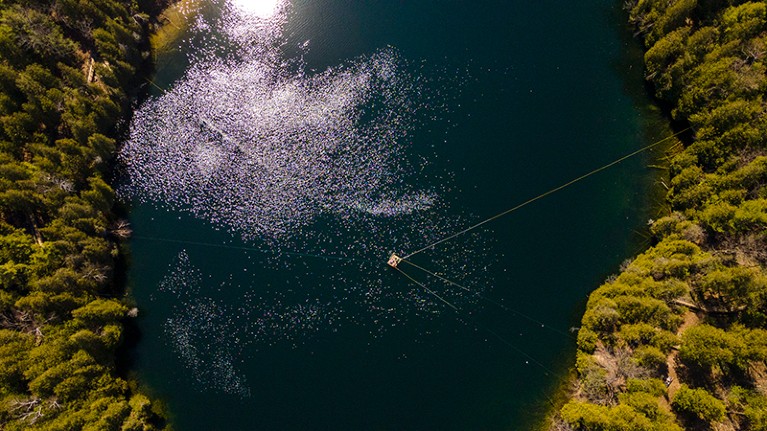
The dawn of a new geological epoch is recorded in the contaminated sediment at the bottom of Crawford Lake in Canada.
The official marker for the start of a new Anthropocene epoch should be a small Canadian lake whose sediments capture chemical traces of the fallout from nuclear bombs and other forms of environmental degradation. That’s a proposal out today from researchers who have spent 14 years debating when and how humanity began altering the planet.
To smooth the path of the quantum revolution, researchers and governments must predict and prepare for the traps ahead.
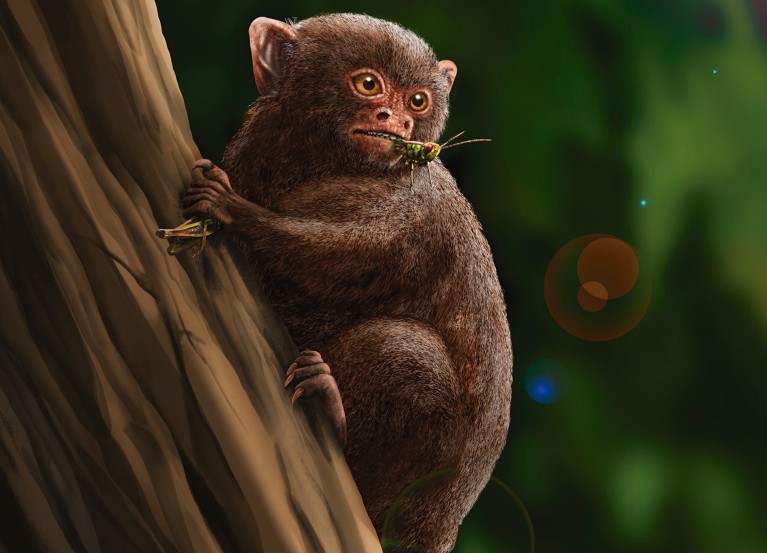
Analysis suggests that three types of primate made the transoceanic journey to South America from Africa millions of years ago.
Some of the first primates to reach South America might have been tiny, insect-loving monkeys that had been swept out to sea.

Coverage of wispy cirrus clouds is linked to episodes of electrical activity.
Lightning is typically seen when imposing cumulonimbus clouds fill the sky. But new research shows that these bolts of electricity can also be used to forecast thin and wispy clouds that warm the world by reflecting heat back to the surface.



OpenAI is back in the headlines with news that it is updating its viral ChatGPT with a new version called GPT-4. But when will this be available, how does it work and can you use it?

Artificial intelligence art generators train themselves on art pulled straight from the internet… but what happens when most of the art out there is now made by AI?
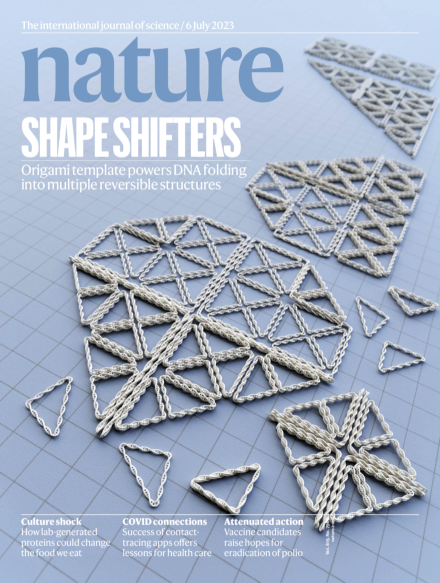
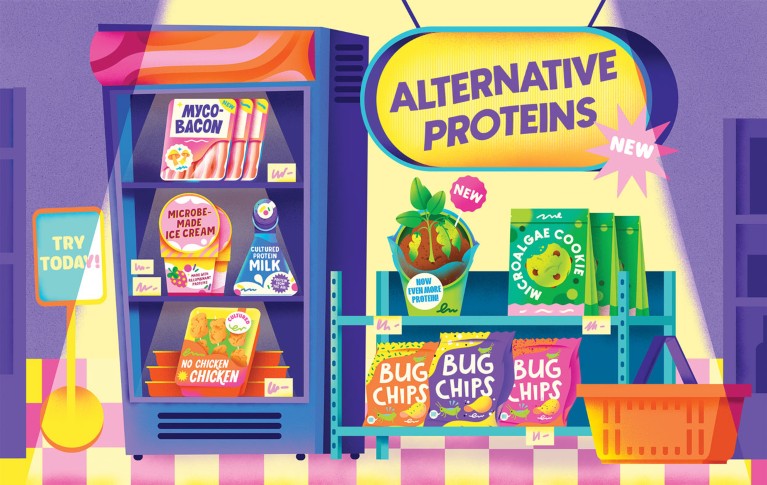
Humanity needs to eat less meat. Here are seven alternatives.
Would you eat a burger enriched with mealworms? Fake bacon sliced from a mass of fermented fungi? Milk proteins extruded by microbes? Maybe you already have. Dozens of companies are now banking on these alternatives to animal protein becoming a regular part of your diet.
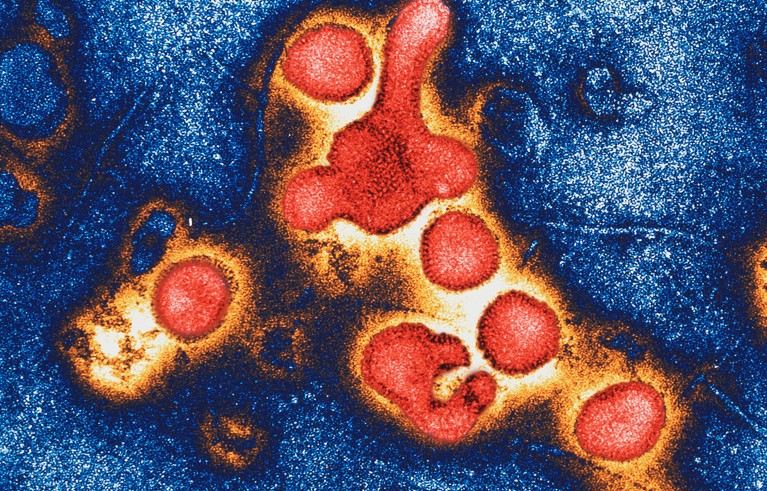
Complexes formed from ‘nanobodies’ and an antiviral drug halt infection in its tracks.
A dynamic duo comprising an antiviral drug joined to an antibody fragment provides strong protection against the two main types of influenza that infect humans, according to research in mice.

 Boomers Daily