
Tag Archives: Research Previews

Research Preview: Science Magazine – June 9, 2023

Image

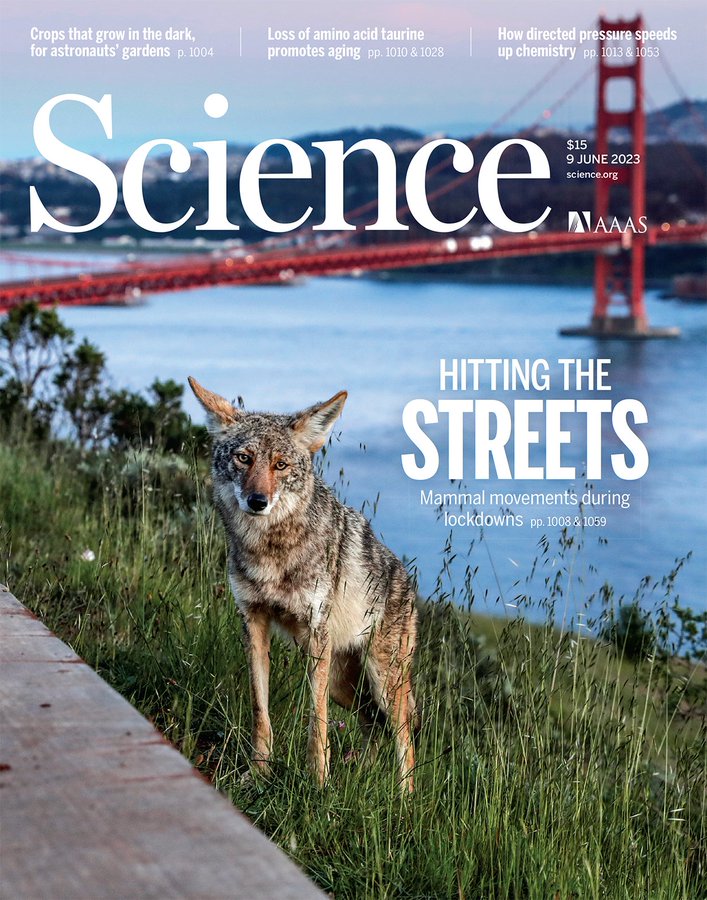
Science Magazine – June 9, 2023 issue: In response Covid-19 lockdowns that severely altered human mobility, with many people confined to their homes, animals such as the coyote (Canis latrans) traveled longer distances and occurred closer to roads. These changes suggest that animals can modify their behavior in response to rapid changes in human mobility.

Was a small-brained human relative the world’s first gravedigger—and artist?

Anthropologists praise Homo naledi fossils but doubt spectacular claims of intentional burial and art

A reconstruction of Homo naledi’s head

A trio of papers posted online and presented at a meeting today lays out an astonishing scenario. Roughly 240,000 years ago, they suggest, small-brained human relatives carried their dead through a labyrinth of tight passageways into the dark depths of a vast limestone cave system in South Africa. Working by firelight, these diminutive cave explorers dug shallow graves, sometimes arranging bodies in fetal positions and placing a stone tool near a child’s hand. Some etched cave walls with crosshatches and others cooked small animals in what amounted to a subterranean funeral, more than 100,000 years before such behaviors emerged in modern humans.

LET THERE BE DARK

Small lettuce sprouts growing on acetate

Crops grown without sunlight could help feed astronauts bound for Mars, and someday supplement dinner plates on Earth

For the first astronauts to visit Mars, what to eat on their 3-year mission will be one of the most critical questions. It’s not just a matter of taste. According to one recent estimate, a crew of six would require an estimated 10,000 kilograms of food for the trip. NASA—which plans to send people to Mars within 2 decades—could stuff a spacecraft with prepackaged meals and launch additional supplies to the Red Planet in advance for the voyage home. But even that wouldn’t completely solve the problem.
Research Preview: Science Magazine – June 2, 2023

Image

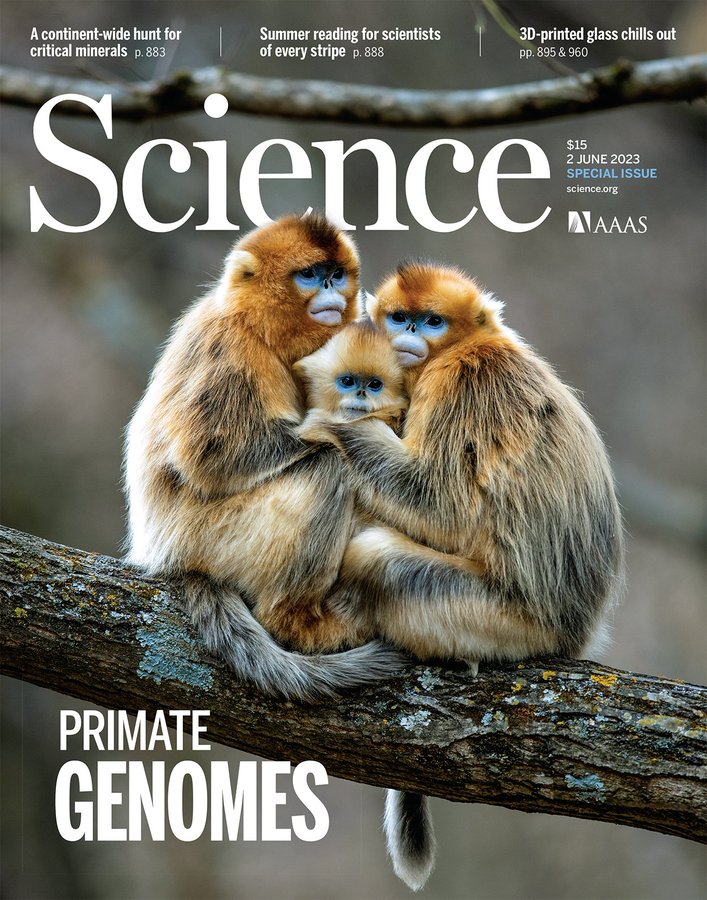
Science Magazine – June 2, 2023 issue: The snub-nosed monkey genus Rhinopithecus comprises five allopatric and morphologically differentiated species, the black-white snub-nosed monkey, the black snub-nosed monkey , the golden snub-nosed monkey, the gray snub-nosed monkey, and the Tonkin snub-nosed monkey. 

Understanding our own order

Humans are primates. If we weren’t able to do things like write poetry and drive cars, we would likely be classified as another species of great ape, along with our closest cousins—chimpanzees, bonobos, gorillas, and orangutans. Thus, understanding the genomes, evolutionary history, sociality, and, some might argue, even ecology of modern primates greatly informs our understanding of ourselves.

A cool path for making glass

Brent Grocholski

Printing glass with additive manufacturing techniques could provide access to new materials and structures for many applications. However, one key limitation to this is the high temperature usually required to cure glass. Bauer et al. used a hybrid organic-inorganic polymer resin as a feedstock material that requires a much lower temperature for curing (see the Perspective by Colombo and Franchin).

A super Sonic circadian synchronizer

Sonic Hedgehog signaling and primary cilia control the core mammalian circadian clock

Virtually all mammalian physiological functions fall under the control of an internal circadian rhythm, or body clock. This circadian rhythm is governed by master neural networks in the hypothalamus that synchronize the activity of peripheral clocks in cells throughout the body.

Research Preview: Science Magazine – May 26, 2023

Image

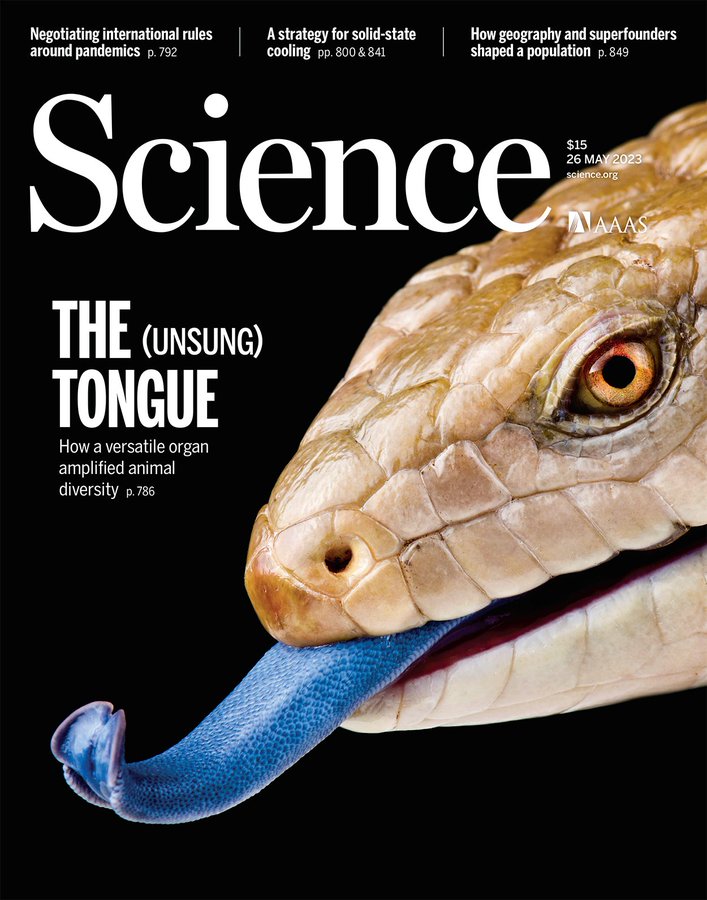
Science Magazine – May 26, 2023 issue: Tongues are thought to have evolved when vertebrates first moved onto land and could no longer rely on suction to ingest food. Since then, they have helped drive animal diversification by adopting functions as varied as pumping nectar, snagging prey, shaping speech, and, in the case of Australia’s northern blue-tongued skink (Tiliqua scincoides intermedia), startling enemies.

The COVID-19 virus mutated to outsmart key antibody treatments. Better ones are coming

illustration of an antibody bound to the SARS-CoV-2 spike protein

As pandemic slows and COVID-19 funding dwindles, researchers worry companies won’t have incentives to bring improved antibodies to market.

TALES OF THE TONGUE

Since first evolving 350 million years ago, the tongue has taken myriad forms, unlocking new niches and boosting the diversity of life

A brightly colored chameleon with its long black tongue extended in the air to capture a black and yellow locust.

Twice, quarterback Patrick Mahomes has led the Kansas City Chiefs to victory in the Super Bowl, the pinnacle of U.S. football. Although most fans have their eyes on the ball as Mahomes prepares to throw, his tongue does something just as interesting.

Research Preview: Science Magazine – May 19, 2023

Contents | Science 380, 6646

Science Magazine – May 19, 2023 issue: More than half of the world’s largest lakes have declined over the past three decades. Human water consumption, warming climate, and sedimentation are largely responsible. Lake Powell, shown here, with its once-submerged walls that now appear as whitened surfaces, exemplifies this drying trend. 

Cloning vigorous crops, and finding the first romantic kiss
First up this week, building resilience into crops. Staff Writer Erik Stokstad joins host Sarah Crespi to discuss all the tricks farmers use now to make resilient hybrid crops of rice or wheat and how genetically engineering hybrid crop plants to clone themselves may be the next step.
After that we ask: When did we start kissing? Troels Pank Arbøll is an assistant professor of Assyriology in the department of cross-cultural and regional studies at the University of Copenhagen. He and Sarah chat about the earliest evidence for kissing—romantic style—and why it is unlikely that such kisses had a single place or time of origin.

Global loss of lake water storage

Drying trends are prevalent worldwide

The ancient history of kissing

Sources from Mesopotamia contextualize the emergence of kissing and its role in disease transmission

The disappearing boundary between organism and machine

Artificial skin mimics the sensory feedback of biological skin

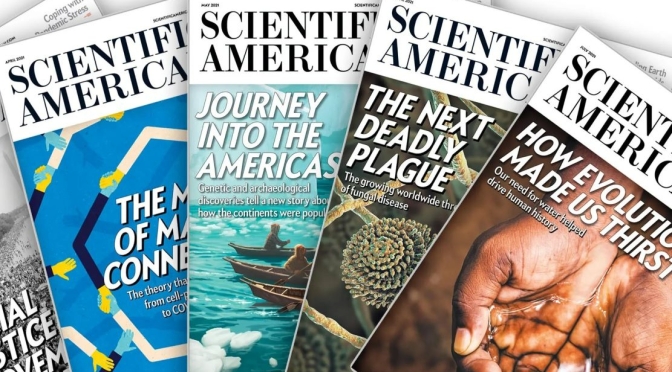
Science Review: Scientific American – June 2023 Issue

Scientific American Magazine Vol 328 Issue 6

Scientific American – June 2023 Issue:

What Is the Future of Fusion Energy?

Nuclear fusion won’t arrive in time to fix climate change, but it could be essential for our future energy needs

What Is the Future of Fusion Energy?

Last December physicists working on fusion claimed a breakthrough. A team at the National Ignition Facility (NIF) in California announced it had extracted more energy from a controlled nuclear fusion reaction than had been used to trigger it. It was a global first and a significant step for physics—but very far from enabling practical exploitation of fusion as an energy source.

Physicists Make Matter out of Light to Find Quantum Singularities

Physicists Make Matter out of Light to Find Quantum Singularities

Experiments that imitate solid materials with light waves reveal the quantum basis of exotic physical effects

By Charles D. Brown II

A Traumatized Woman with Multiple Personalities Gets Better as Her ‘Parts’ Work as a Team

A Traumatized Woman with Multiple Personalities Gets Better as Her 'Parts' Work as a Team

Therapy for dissociative identity disorder has aimed to meld many personalities into one. But that’s not the only solution, a caring therapist shows

By Rebecca J. Lester

Research Preview: Science Magazine – May 12, 2023

Science | AAAS

Science Magazine – May 12, 2023 issue: Scalloped hammerhead sharks (Sphyrna lewini) form daytime schools near the ocean’s surface and, at night, dive into cold, deep waters to hunt deep-sea prey. They keep warm while deep diving by closing their gills—effectively holding their breath.

‘It’s still killing and it’s still changing.’ Ending COVID-19 states of emergency sparks debate

Tedros Adhanom Ghebreyesus speaks at International Health Regulations Emergency Committee for COVID-19 meeting

Moves by WHO and U.S. usher pandemic into new phase of disease monitoring, even as coronavirus kills thousands weekly

Research Preview: Science Magazine – May 5, 2023

Current Issue Cover

Science Magazine – May 5, 2023 issue: The immune system protects us from cancer and infection using a powerful armamentarium that is kept in check by an array of regulatory processes. When they fail, the immune system can start attacking the host in a process known as autoimmunity. This special issue highlights recent advances in our understanding of autoimmune diseases and the regulation of immune tolerance. See the special section beginning on page 468.

When a delicate balancing act goes wrong

Antibodies that target self-antigens are an important component of certain autoimmune diseases and are sometimes used as a clinical marker for these syndromes. ILLUSTRATION: STEPHAN SCHMITZ/FOLIOART

A cardinal feature of the immune system is its ability to distinguish self from nonself. Although many early immunologists thought that its powerful defenses could rarely, if ever, be turned against the host, pioneering research on autoimmune diseases beginning in the early 1900s has documented a different reality. More than 80 different autoimmune disorders have now been described that may affect up to 5% of the population.

Russia tensions keep Arctic research on ice

Collaboration stifled as many scientists look to establish fieldwork elsewhere

Twist of fate

A physician-scientist has probed Parkinson’s disease for more than 30 years. Now, he has it

Research Preview: Science Magazine – April 28, 2023

Image

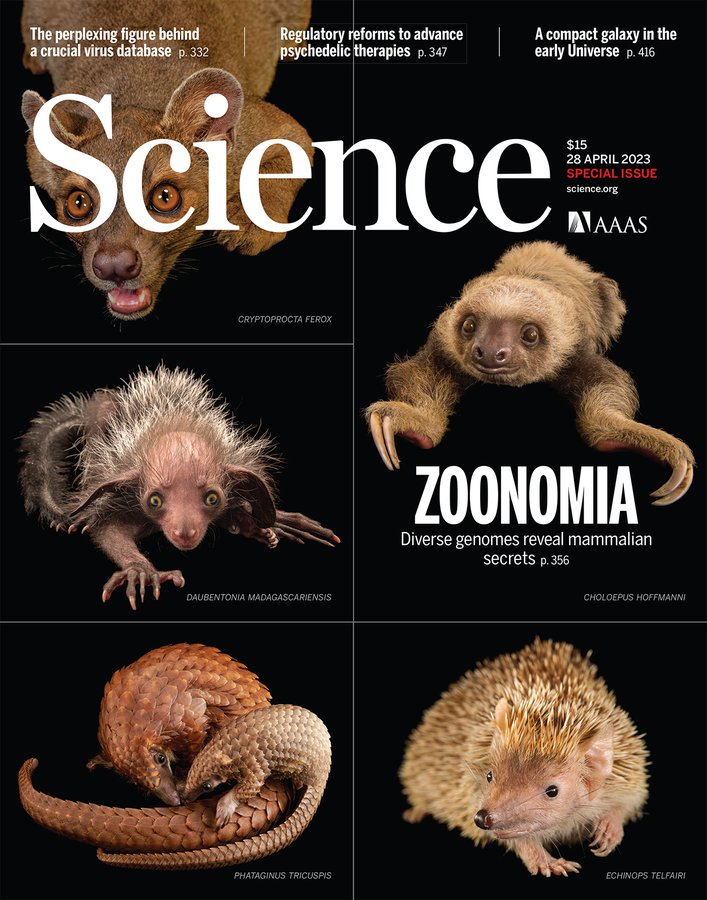
Science Magazine – April 28, 2023 issue: Mammals come in a wide variety of shapes and sizes, here represented by some of the least well known and most unusual—clockwise from top left: a fossa, a Hoffmann’s two-toed sloth, a lesser hedgehog tenrec, two tree (or white-bellied) pangolins, and an aye-aye. 

Zoonomia

Mammals are one of the most diverse classes of animals, ranging both in size, across many orders of magnitude, and in shape—nearly to the limit of one’s imagination. Understanding when, how, and under what selective pressures this variation has developed has been of interest since the dawn of science.

The 240 mammals sequenced through the Zoonomia project include the famous sled dog Balto, who was reported to have led a team of sled dogs in the final leg of the race to carry a life-saving serum to Nome, Alaska, in 1925. His genome, in conjunction with others, was used to reveal his ancestry and adaptations, as well as predict aspects of his morphology, including his coat color.

A two-stage earthquake in the Aleutians

Researchers deploy a wave glider to measure seafloor displacement associated with earthquakes.PHOTO: TODD ERICKSEN

The destructive behavior of great earthquakes in subduction zones, such as in Japan in 2011, depends on details of the earthquake slip. A slip at shallow depth is the dominant driver of tsunami. Using recently developed seafloor geodetic instrumentation, Brooks et al. found that the deeper slip of the July 2021 magnitude 8.2 Chignik, Alaska earthquake was followed 2.5 months later by a second stage of (aseismic) slip. This approximately 2 to 3 meters of “silent” slip allowed the shallow fault to catch up with its deeper portion, reducing its future earthquake potential.

Research Preview: Science Magazine – April 21, 2023

Science | AAAS

Science Magazine – April 21, 2023 issue:

“It’s just mind boggling.” More than 19,000 undersea volcanoes discovered

Sonar mapping image of underwater seamounts including 4776-meter-tall Pao Pao Seamount
The 4776-meter-tall Pao Pao Seamount (right) in the South Pacific Ocean has been mapped by sonar. Many others haven’t.

New seamount maps could aid in studies of ecology, plate tectonics, and ocean mixing

Sleeping deep

Although northern elephant seals do sleep on land, like the one pictured here in California, they can also sleep while diving to 300 meters underwater.PHOTO: RACHEL HOLSER, NMFS 23188

Sleep is essential, but not all mammals live in environments where long periods of time asleep are possible. Marine mammals encounter especially challenging conditions for sleep when they are at sea. 

Science Review: Scientific American – May 2023 Issue

Scientific American – May 2023 - Free PDF Magazine download

Scientific American – May 2023 Issue:

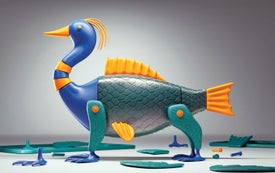
Synthetic Morphology Lets Scientists Create New Life-Forms

Synthetic Morphology Lets Scientists Create New Life-Forms

The emerging field of synthetic morphology bends boundaries between natural and artificial life

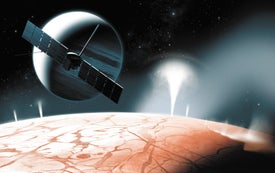
The Six Moons Most Likely to Host Life in Our Solar System

The Six Moons Most Likely to Host Life in Our Solar System

Vast quantities of liquid water may exist on moons of Jupiter, Saturn and Neptune, making life possible there, too

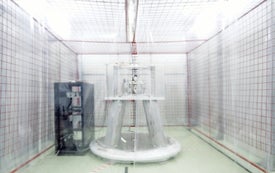
How Much Does ‘Nothing’ Weigh?

How Much Does 'Nothing' Weigh?

The Archimedes experiment will weigh the void of empty space to help solve a big cosmic puzzle