
NPR’s Tamara Keith and Amy Walter of the Cook Political Report join Judy Woodruff to discuss the latest political news, including the challenges of bipartisanship under President Biden, Biden’s economic relief package, and cooperation in the Democratic Party.
Tag Archives: Politics
Political News: ‘Brooks & Capehart’ On Biden’s Executive Actions (Video)
New York Times columnist David Brooks and Washington Post columnist Jonathan Capehart join Judy Woodruff to discuss the week in politics, including President Biden’s use of executive actions, Biden’s $1.9 trillion relief package, and the state of the Republican Party after former President Trump.

Morning News Podcast: Climate Change Policies & Facebook’s Pullback
Yesterday, President Joe Biden signaled a new direction for the country when it comes to climate change. He said it should be considered an essential part of foreign policy and national security.
He signed an extremely wide ranging executive order that includes a number of new measures that could kick off the battle between the White House and the oil industry.
- Plus, Facebook’s pull back from politics.
- And, the second round of small business loans are off to a slow start.
Guests: Axios’ Ben Geman, Courtenay Brown, Sara Fischer and Joann Muller

Politics Monday: Tamara Keith And Amy Walter On Biden’s First Days (Video)
NPR’s Tamara Keith and Amy Walter of the Cook Political Report join Judy Woodruff to discuss the latest political news, including President Biden’s first days in office, the prospects for bipartisanship in Congress, and former President Trump’s impeachment trial.
Morning News Podcast: Impeachment Trial Dates, Covid-19 Vaccine Delays
Today, the U.S. Senate will receive the article of impeachment against former President Donald Trump for inciting an insurrection. But the actual trial won’t start for another two weeks. Why the delay?
Logistics continue to be a challenge in the fight against the coronavirus. Only about half of the vaccines that have been distributed have been administered. And NPR’s investigations team finds that 135 unarmed Black people were killed by police in the past five years.
Views: ‘4 Years Of Trump Presidency In 6 Minutes’
We revisit memorable moments from the past four years.
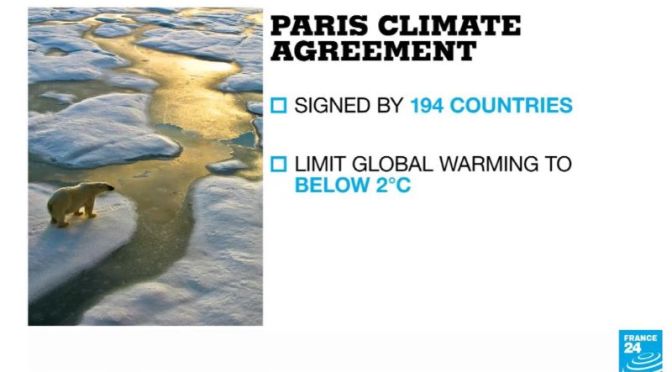
News: U.S. Rejoins The Paris Climate Agreement (Video)
Hours after being sworn in as US 46th President, Joe Biden kicked off his mandate by signing 17 executive orders. Among those, some were destined to undo the legacy of his predecessor Donald Trump, including rejoining the Paris Climate Agreement. The new president seems to keep climate as his administration’s priority, as promised.
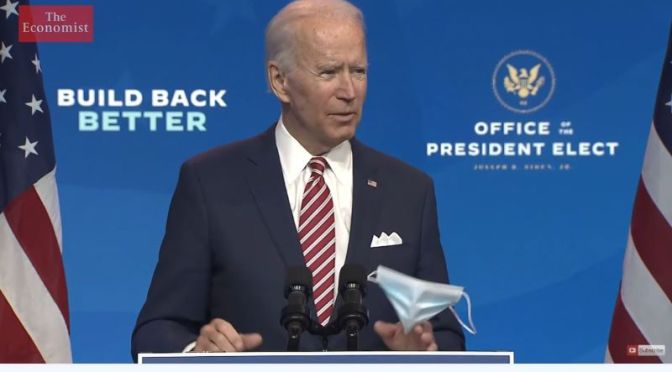
World Affairs: How Will ‘President Biden’ Repair America’s Reputation?
Joe Biden’s greatest challenge will be to repair America’s reputation—currently the lowest it’s been for two decades. How can the new president re-boot America’s global leadership?
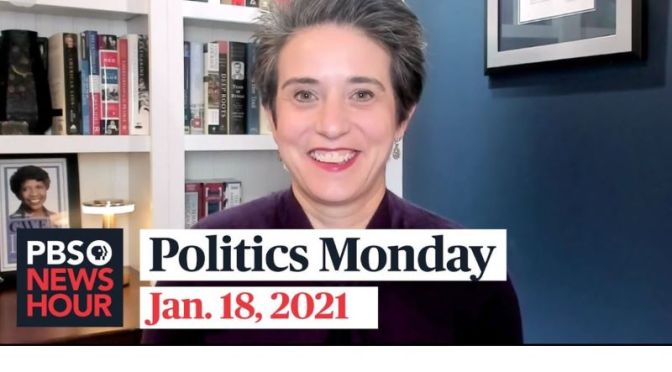
Politics Monday: Tamara Keith And Amy Walter On Trump’s Legacy (PBS Video)
NPR’s Tamara Keith and Amy Walter of the Cook Political Report join Judy Woodruff to discuss the latest political news, including President Trump’s legacy, President-elect Biden’s first days in office, and how Biden will be received by Republicans.
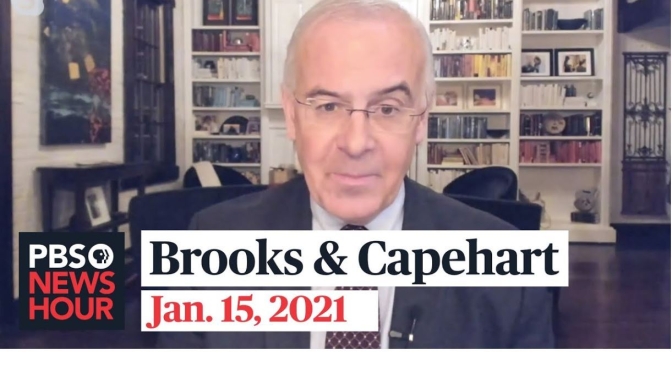
Political News: ‘Brooks & Capehart’ On Trump Impeachment, D.C. Fallout
New York Times columnist David Brooks and Washington Post columnist Jonathan Capehart join Judy Woodruff to discuss the week in politics, including President Trump’s historic impeachment, the fallout from the Capitol insurrection and President-elect Biden’s economic relief plan.
 Boomers Daily