
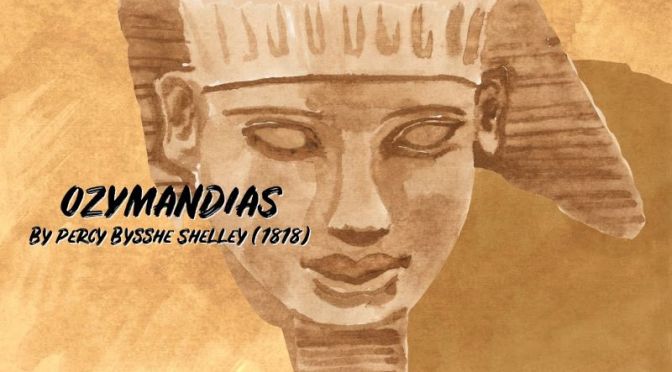
Directed and animated by Alvaro Lamarche-Toloza
“OZYMANDIAS” is the animated 3D adaptation of a poem written by English poet Percy Bysshe Shelley in December 1817. It was created with a series of wash paintings animated with the Unreal Engine and EbSynth to test an experimental 3D animation pipeline.
Additional info:
Using EbSynth, a texture synthesis / transfer tool created by Secret Weapon, we applied wash paintings to 3D scenes created in real-time with the Unreal Engine. The result is a unique look and a promising experimental pipeline which dramatically speeds up the production of 3D animation stylized with traditional 2D art.
About the poem:
Written in 1817 by Percy Shelley, “Ozymandias” refers to pharaoh Ramesses II and was perhaps inspired by the acquisition of a large Ramesses statue by the British Museum the same year. References to this poem have often appeared in pop culture, though Shelley himself might not have considered it to be one of his major works.
It was first published in the 11 January 1818 issue of The Examiner of London.
Credits:
Directed and animated by Alvaro Lamarche-Toloza
Wash paintings by Estelle Chauvard
Voice by Bryan Cranston, taken from the Breaking Bad Teaser Trailer
“Menkaure colossal statue base” model by Zhejiang University
“Ramses II” model by Taoetsia
“Horse Skeleton” model by Diego Luján García
‘OZYMANDIAS’ By Percy Bysshe Shelley
I met a traveller from an antique land,
Who said—“Two vast and trunkless legs of stone
Stand in the desert. . . . Near them, on the sand,
Half sunk a shattered visage lies, whose frown,
And wrinkled lip, and sneer of cold command,
Tell that its sculptor well those passions read
Which yet survive, stamped on these lifeless things,
The hand that mocked them, and the heart that fed;
And on the pedestal, these words appear:
My name is Ozymandias, King of Kings;
Look on my Works, ye Mighty, and despair!
Nothing beside remains. Round the decay
Of that colossal Wreck, boundless and bare
The lone and level sands stretch far away.”
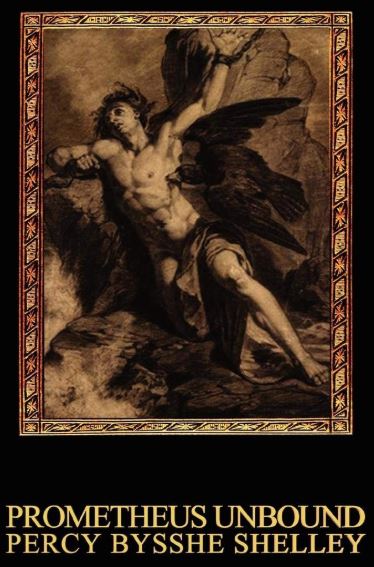 Prometheus Unbound is a four-act lyrical drama by Percy Bysshe Shelley, first published in 1820. It is concerned with the torments of the Greek mythological figure Prometheus, who defies the gods and gives fire to humanity, for which he is subjected to eternal punishment and suffering at the hands of Zeus. It is inspired by the classical Prometheia, a trilogy of plays attributed to Aeschylus. Shelley’s play concerns Prometheus’ release from captivity, but unlike Aeschylus’ version, there is no reconciliation between Prometheus and Jupiter (Zeus). Instead, Jupiter is abandoned by his supportive elements and falls from power, which allows Prometheus to be released.
 Boomers Daily