Tag Archives: Nature Magazine

Nature Reviews: Top New Science Books – Fall 2024

nature Magazine Science Book Reviews – October 14, 2024: Andrew Robinson reviews five of the best science picks.

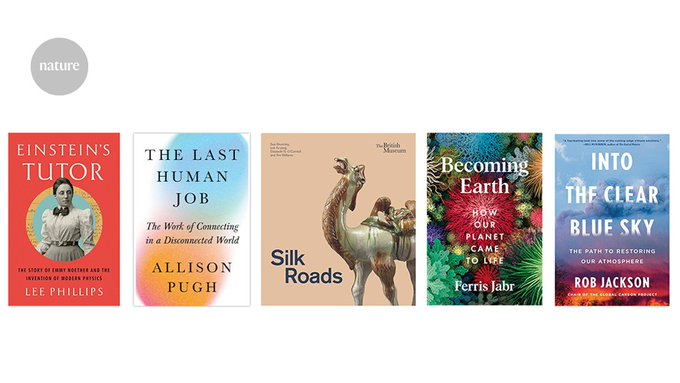
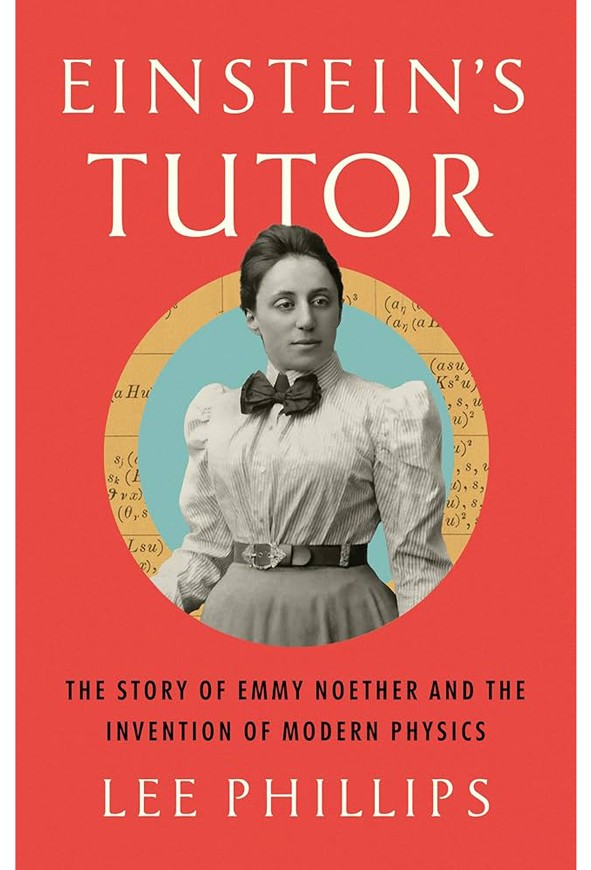
Einstein’s Tutor

Lee Phillips PublicAffairs (2024)

Major studies of Albert Einstein’s work contain minimal, if any, reference to the role of German mathematician Emmy Noether. Yet, she was crucial in resolving a paradox in general relativity through her theorem connecting symmetry and energy-conservation laws, published in 1918. When Noether died in 1935, Einstein called her “the most significant creative mathematical genius thus far produced since the higher education of women began”. In this book about her for the general reader, physicist Lee Phillips brings Noether alive.

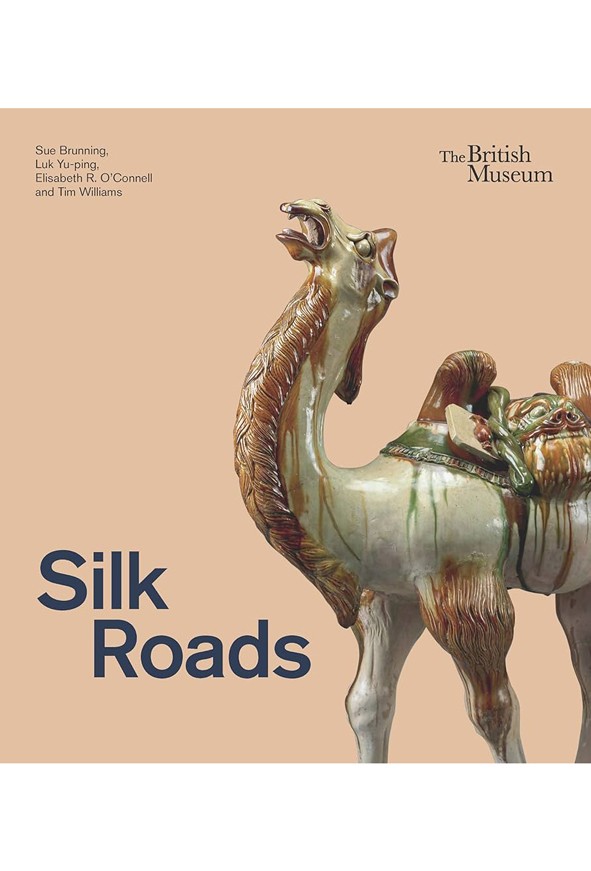
Silk Roads

Sue Brunning et alBritish Museum Press (2024)

The first object discussed in this lavishly illustrated British Museum exhibition book reveals the far-ranging, mysterious nature of the Silk Roads. It is a Buddha figure, excavated in Sweden from a site dated to around ad 800, and probably created in Pakistan two centuries earlier. No one knows how it reached Europe or its significance there. As the authors — three of them exhibition curators — admit, it is “impossible to capture the full extent and complexity of the Silk Roads in a single publication”— even by limiting their time frame to only five centuries.

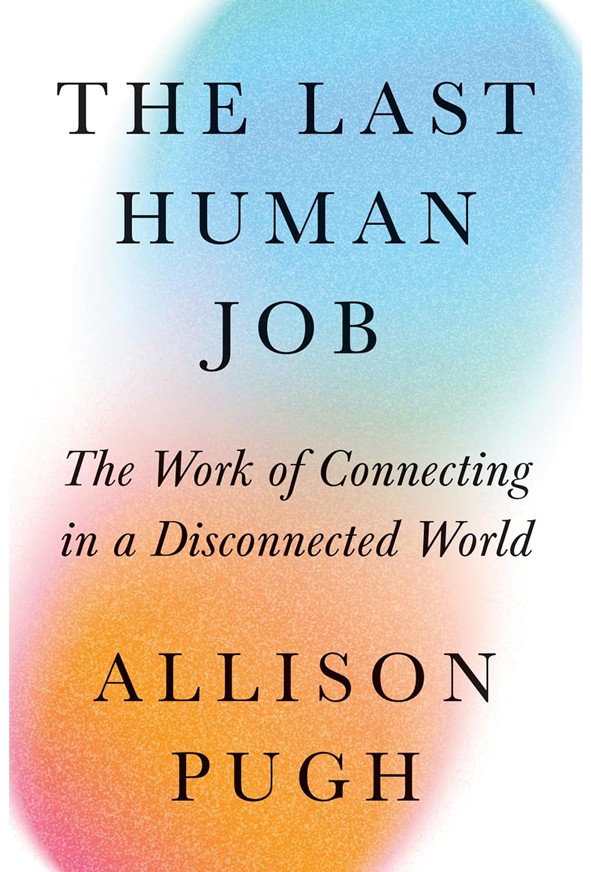
The Last Human Job

Allison Pugh Princeton Univ. Press (2024)

A century ago, notes sociologist Allison Pugh, people doing their food shopping gave lists to shop workers, who retrieved the goods then haggled over the prices. The process epitomized what she terms connective labour, which involves “an emotional understanding with another person to create the outcomes we think are important”. A healthy society requires more connective labour, not more automation, she argues in her engaging study, which observes and interviews physicians, teachers, chaplains, hairdressers and more.

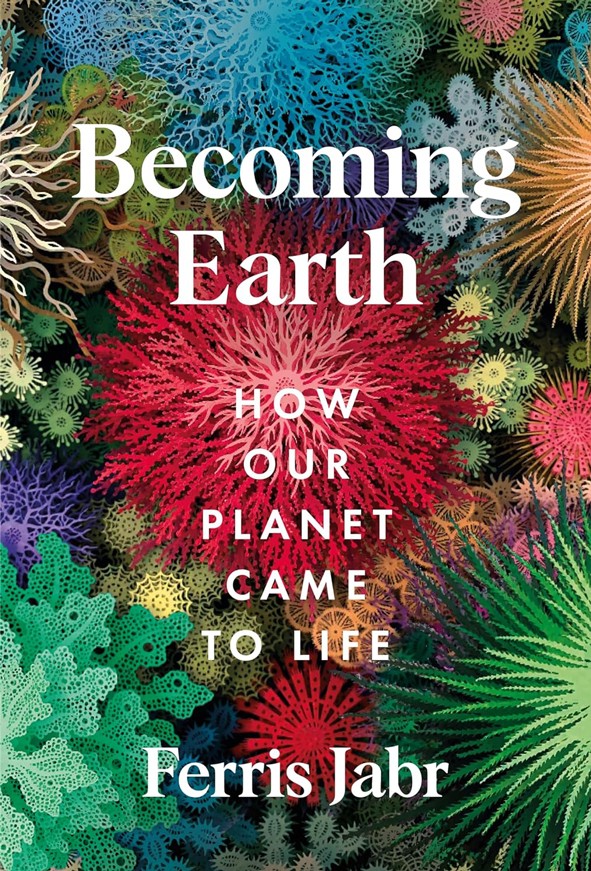
Becoming Earth

Ferris Jabr Random House (2024)

According to science journalist Ferris Jabr, his intriguing book about Earth — divided into three sections on rock, water and air — is “an exploration of how life has transformed the planet, a meditation on what it means to say that Earth itself is alive”. If this definition sounds similar to the Gaia hypothesis by chemist James Lovelock and biologist Lynn Margulis, that is welcome to Jabr, who admires Lovelock as a thinker and personality. He also recognizes how the 1970s hypothesis, which evolved over decades, still divides scientists.

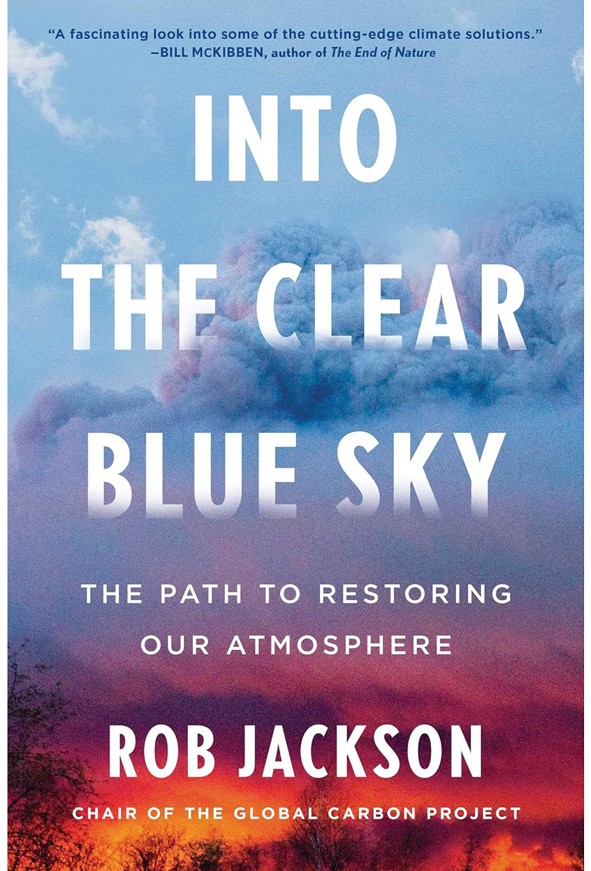
Into the Clear Blue Sky

Rob Jackson Scribner (2024)

Earth scientist Rob Jackson chairs the Global Carbon Project, which works to reduce greenhouse-gas emissions and improve air and water quality. His book begins hopefully on a visit to Rome, where Vatican Museums conservators discuss the “breathtaking” restoration of the blue sky in Michelangelo’s fresco The Last Judgement, damaged by centuries of grime and visitors’ exhalations. But he ends on a deeply pessimistic note on a research boat in Amazonia, which is suffering from both floods and fires: the “Hellocene”.

Research Preview: Nature Magazine – Oct. 10, 2024

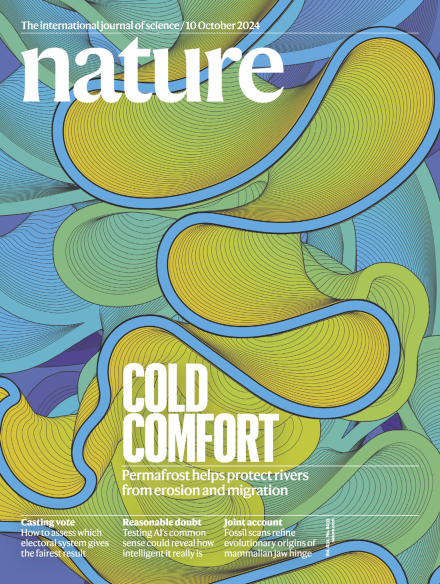
Volume 634 Issue 8033

Nature Magazine – October 9, 2024: The latest issue features ‘Cold Comfort’ – Permafrost helps protect rivers from errosian and migration..

Hundreds of methane super-sources pinpointed in satellite data

Algorithm homes in on wetlands and industrial sites linked to high emissions of the powerful greenhouse gas.

Baby sea turtles ‘swim’ up from buried nests to the open air

Turtle hatchlings, which can begin life up to a metre deep in sand, point their heads towards the surface and make their way out onto the beach.

How a potent immune therapy loses its punch against a blood cancer

Therapeutic T cells used to treat acute myeloid leukaemia secrete proteins that impair the cells’ own ability to attack cancer.

A ‘Swiss army knife’ microscope that doesn’t break the bank

The parts of a 3D-printed device can be changed out, allowing for versatility as well as ultrahigh resolution.

Research Preview: Nature Magazine – Oct. 3, 2024

Volume 634 Issue 8032

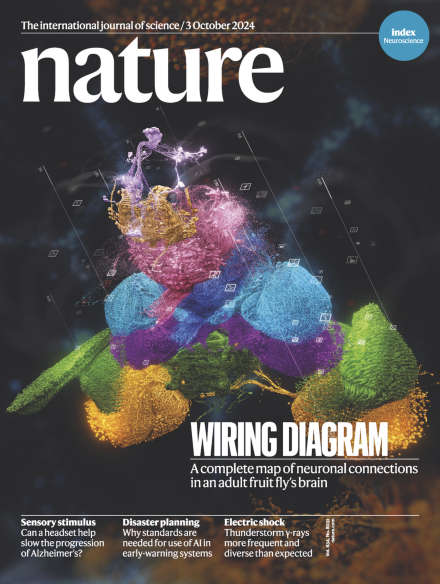
Nature Magazine – October 2, 2024: The latest issue features ‘Wiring Diagram’ – A complete map of neuronal connections in an adult fruit fly’s brain…

Why cannibal queens make a meal of fungus-ridden larvae

Ant larvae infected with a pathogenic fungus had better watch out for Mum.

Bronze Age clash was Europe’s oldest known interregional battle

Artefacts found in modern-day Germany suggest that northern and southern peoples clashed in the Tollense Valley millennia ago.

Mathematicians discover new class of shape seen throughout nature

‘Soft cells’ — shapes with rounded corners and pointed tips that fit together on a plane — feature in onions, molluscs and more.

Nature Reviews: Top New Science Books – Fall 2024

Nature

nature Magazine Science Book Reviews – September 27, 2024: Andrew Robinson reviews five of the best science picks.

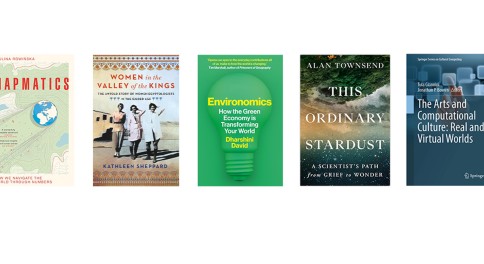
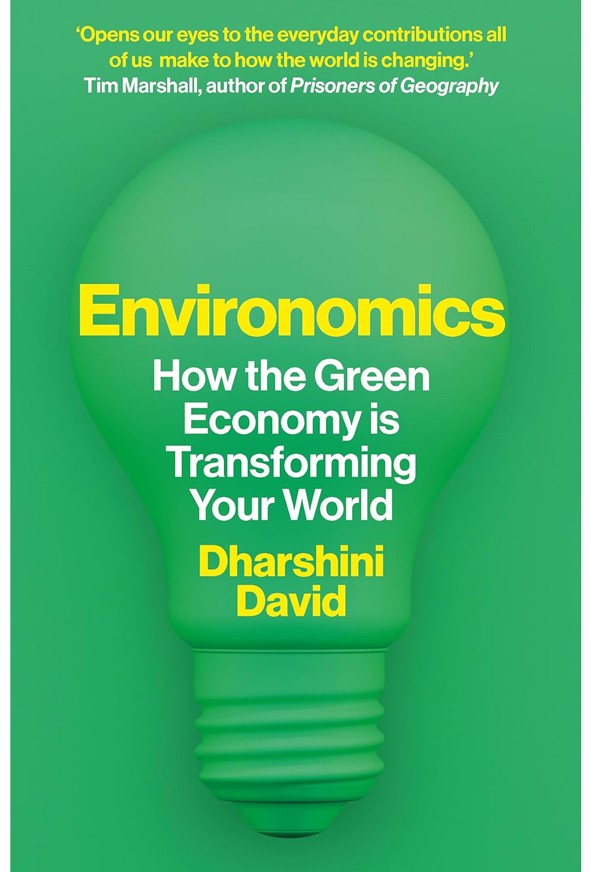
Environomics

By Dharshini David 

Why should an orangutan care what toothpaste a person uses, asks economist Dharshini David, in her appealing book about how human lifestyle choices affect the planet. Answer: some toothpastes use palm oil to create foam, whereas others don’t, and palm-oil production requires the clearing of tropical forests, eliminating the habitats of creatures such as orangutans. “Nearly every issue that affects the environment comes down, in some way, to what someone, somewhere, is doing to make (or save) money,” she writes.

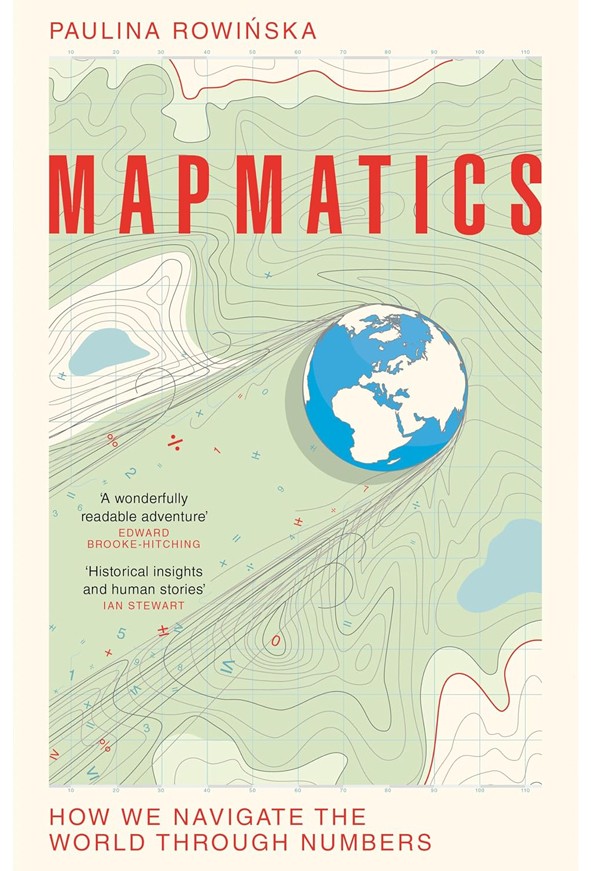
Mapmatics

By Paulina Rowińska 

From world maps designed by geographer Gerardus Mercator for marine navigation in the sixteenth century to online maps created by Google for self-driving cars in the twenty-first century, maps rely on mathematics. “While different on the surface, the jobs of a mathematician and a cartographer are surprisingly similar,” writes mathematician Paulina Rowińska in her engaging and original history of ‘mapmatics’. Indeed, maps not only depend on mathematics but have also inspired many mathematical breakthroughs.

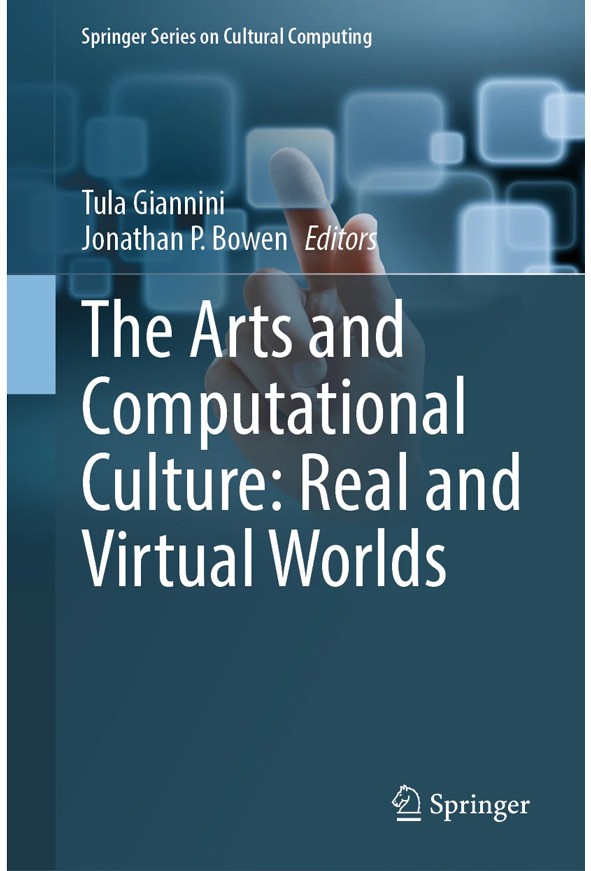
The Arts and Computational Culture

By Tula Giannini & Jonathan P. Bowen 

This substantial, topical collection on the arts and computing, edited by information scientist Tula Giannini and computer scientist Jonathan Bowen, begins with polymath Leonardo da Vinci’s blending of art and science and ends with a survey of modern art exhibitions that involve computing. As the editors write, “facilitated by computing, artificial intelligence, machine learning, algorithms, and simulated human senses, the arts are expanding their horizons”. Perhaps AI will eventually stand also for Artistic Imagination?

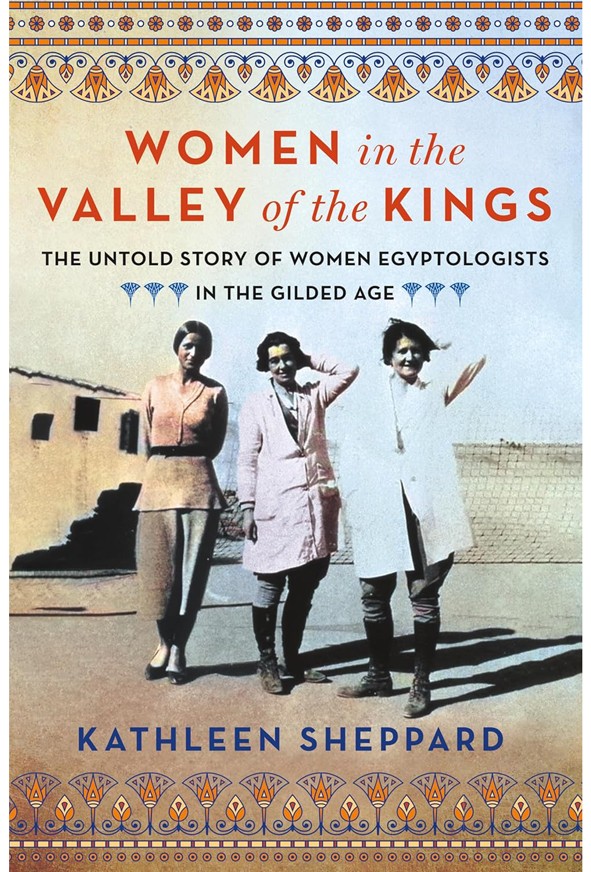
Women in the Valley of the Kings

By Kathleen Sheppard

Discussions of Egyptologists tend to focus on men — for example, Howard Carter, who excavated Tutankhamun’s tomb in 1922. Yet, women played an important part in Egyptology, as historian Kathleen Sheppard describes. She begins in the 1870s with Marianne Brocklehurst and Amelia Edwards’s A Thousand Miles up the Nile, and ends with Caroline Ransom Williams’s death in 1952. Lacking permission to find artefacts, these women “acquired, organized and maintained” the world’s largest collections of Egyptian objects.

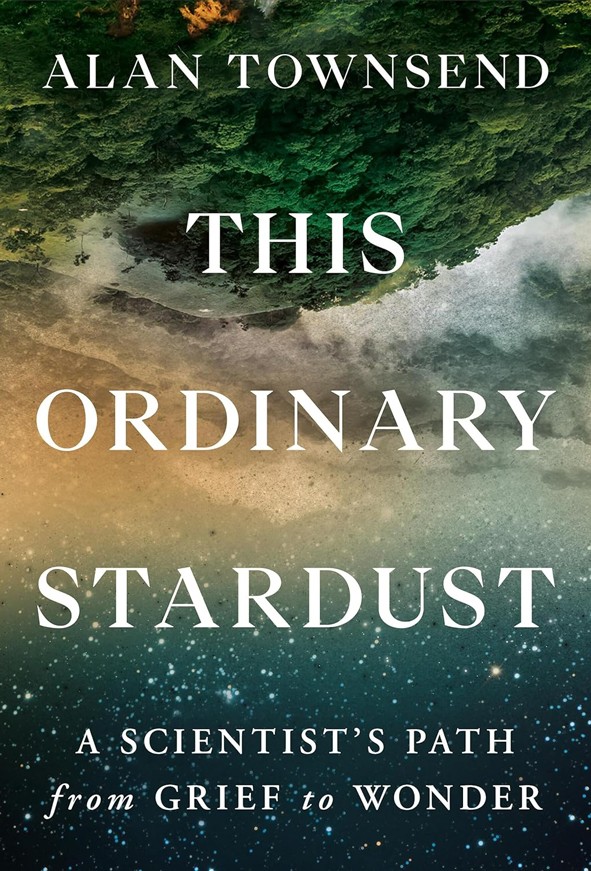
This Ordinary Stardust

By Alan Townsend

Alan Townsend, dean of the college of forestry and conservation at the University of Montana in Missoula, calls himself a biogeochemist. This field can teach us, he remarks, about cornfields, fertilizers, lake colours, sea life and even planetary warming. It can also “nurture the soul”. He learnt this truth when both his beloved wife and four-year-old daughter fell ill with brain cancer, and only the child recovered. His moving memoir describes how scientific wonder rescued him from appalling grief and suicidal thoughts.


Research Preview: Nature Magazine – Sept. 26, 2024

Volume 633 Issue 8031

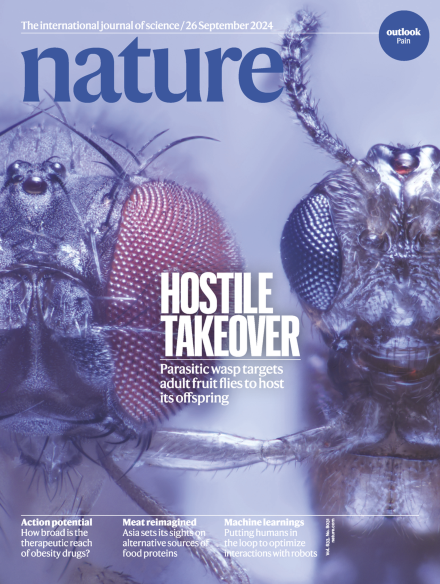
Nature Magazine – September 18, 2024: The latest issue features ‘Hostile Takeover’ – Parasitic wasp targets adult fruit flies to host its offspring…

Black holes as big as atoms might be speeding through the Solar System

Primordial black holes, which are smaller than their better-known cousins, visit the inner Solar System once a decade, simulations suggest.

This ‘scuba diving’ lizard has a self-made air supply

A bubble of air on its snout extends the water anole’s underwater time by more than a minute.

Thalidomide-like drug staunches bleeding from genetic disease

Severe nosebleeds caused by hereditary hemorrhagic telangiectasia dwindled in people who took a drug used to treat cancer

Research Preview: Nature Magazine – Sept. 19, 2024

Image

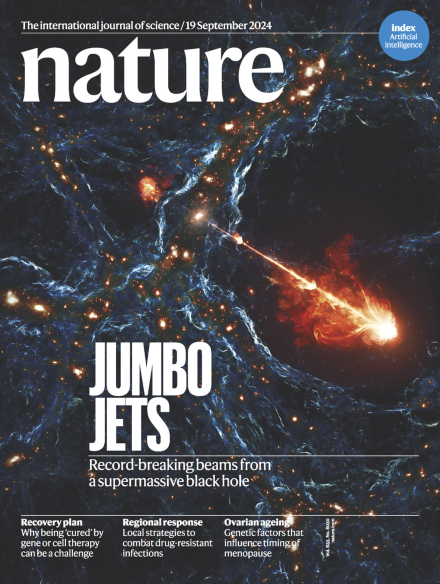
Nature Magazine – September 18, 2024: The latest issue features ‘Jumbo Jets’ – Record-breaking beams from a supermassive black hole…

Brain region boosts avoidance of unpleasantness and pain — in mice

Discovery could help to identify ways to prevent relapse into opioid usage.

The Amazon’s gargantuan gardeners: manatees

The aquatic mammals disperse seeds of their favourite foods as they migrate, according to a serendipitous study of their poo.

Plagued by mosquitoes? Try some bite-blocking fabrics

Scientists create textiles with just the right weave and yarn to keep biting insects at bay.

Islands are rich with languages spoken nowhere else

Extremely remote islands are more likely than less isolated ones to have a high number of endemic languages.

Research Preview: Nature Magazine – Sept. 12, 2024

Volume 633 Issue 8029

Nature Magazine – September 11, 2024: The latest issue features ‘Island Life’ – Genomic analysis sheds light on population history of Rapa Nui….

Ancient fish dined on bats — or died trying

Fossils hint that bats’ wings sometimes lodged in fish’s throats, leading the bat-eater to die of hunger.

Lassa fever to have a fearsome toll without vaccination

Modelling suggests that the Lassa virus could infect millions in a decade, but vaccines under development could sharply reduce deaths.

Simple steps could shrink US beef industry’s carbon hoofprint

Beef production accounts for 3% of country’s carbon emissions, but measures such as tree-planting offer help.

Nature Magazine: Best Science Books Of 2024

Nature

Nature Magazine (September 9, 2024): Consider the finches: Books in brief. Andrew Robinson reviews five of the best science picks…

What If Fungi Win?

Arturo Casadevall Johns Hopkins Univ. Press (2024)

Earth’s largest organism, the ‘Humongous Fungus’, thrives under the floor of Malheur National Forest in Oregon. Sprung from a tiny spore 8,000 years ago, it weighs an estimated 31,500 tonnes spread over 10 square kilometres, sucking in nutrients from trees. Fungi are regarded as being more closely related to animals than to plants. “Fungi and humans share nearly 50% of their DNA,” observes epidemiologist Arturo Casadevall, in his brilliant book exploring the properties of fungi that are both fruitful and deadly to humans.

Possible: Ways To Net Zero

Chris Goodall Profile (2024)

Net-zero carbon emissions by 2050 are the global goal. China leads the world in installing wind- and solar-energy capacity, comments businessperson and environmental writer Chris Goodall, in this realistic but hopeful analysis of the technological and attitudinal challenges that all nations face in achieving net zero. The UK laundry company Oxwash — founded in 2018 by a university student tired of broken washing machines — provides services fuelled by renewable electrical power and gas from anaerobic digesters of farm waste.

Human Rights: The Case For The Defence

Shami Chakrabarti Allen Lane (2024)

International agreements on fundamental human rights, such as entitlement to a fair trial and free speech, are now under threat in Europe, the United States and elsewhere. Shami Chakrabarti, a human-rights lawyer and former director of the UK National Council for Civil Liberties, considers how to defend these rights. How can “global inequality, conflict, climate catastrophe and the new and under-governed continent of the Internet” be tackled without global values and higher laws, or ways to enforce them?

One Step Sideways, Three Steps Forwards: One Woman’s Path to Becoming A Biologist

Rosemary Grant Princeton Univ. Press (2024)

A scientific life “requires critical thinking, following exceptions to your pet theory, respect for others and strong ethical values”, concludes evolutionary biologist Rosemary Grant. Her memoir tells of a girl fascinated by birds and fossils, who later formed a celebrated team with her biologist husband Peter. While raising a family, the couple studied Darwin’s finches in the Galapagos Islands, Ecuador, for six months each year from 1973 to 2012. They revealed visible natural selection in a bird’s lifetime — contrary to Charles Darwin’s initial thinking.

The Occasional Human Sacrifice: Medical Experimentation and the Price of Saying No

Carl Elliott W. W. Norton (2024)

Bioethicist Carl Elliott’s analysis of medical malpractice begins grippingly: “Let me present my credentials as a coward.” He then lists the times he failed to object to mistreatments as a medical student, followed by his frustrating campaign to publicize a case of suicide at his university in which a psychiatrist enrolled a patient in a dubious drug study. These experiences illuminate six historical cases of “occasional human sacrifice” caused by people’s alleged consent to participate in programmes that they did not comprehend.

Nature 633, 277 (2024)

doi: https://doi.org/10.1038/d41586-024-02918-0

Research Preview: Nature Magazine – Sept. 5, 2024

Image

Nature Magazine – September 4, 2024: The latest issue features ‘About Time’ – Ultra-precise nuclear clocks become a practical reality…

A familiar drug can repair a broken heart

An existing treatment for multiple sclerosis also prevents heart cell death and improves organ function, animal experiments show.

Bumblebees’ sense of smell can’t take the heat

Climate change could compromise the pollinators’ ability to detect flowers.

Natural acid makes super-sticky eco-friendly glue

Recyclable spray, patch and film adhesives work as well as existing petroleum-based products.

Research Preview: Nature Magazine – August 29, 2024

Volume 632 Issue 8027

Nature Magazine – August 28, 2024: The latest issue features ‘Space Omics’ – Biomedical atlas captures health effects of spaceflight…

Why record wildfires scorched Canada last year

Snows melted earlier than usual because of climate change, fuelling the unprecedented blazes.

These decoy ‘female’ fireflies lure males to their doom in a spider’s embrace

Certain spiders take advantage of the fact that a male firefly can flash even after being bitten and wrapped.

Gut microbes’ genomes are a trove of potential antibiotics

Newfound compound is as effective at treating infected skin wounds as is the antibiotic of last resort.

This unlucky star got mangled by a black hole — twice

Bursts of light hint that a star in a nearby galaxy was partially shredded in 2022 and 2024 and might be in for another round.