Tag Archives: Nature Magazine

Research Preview: Nature Magazine – June 15, 2023

Image

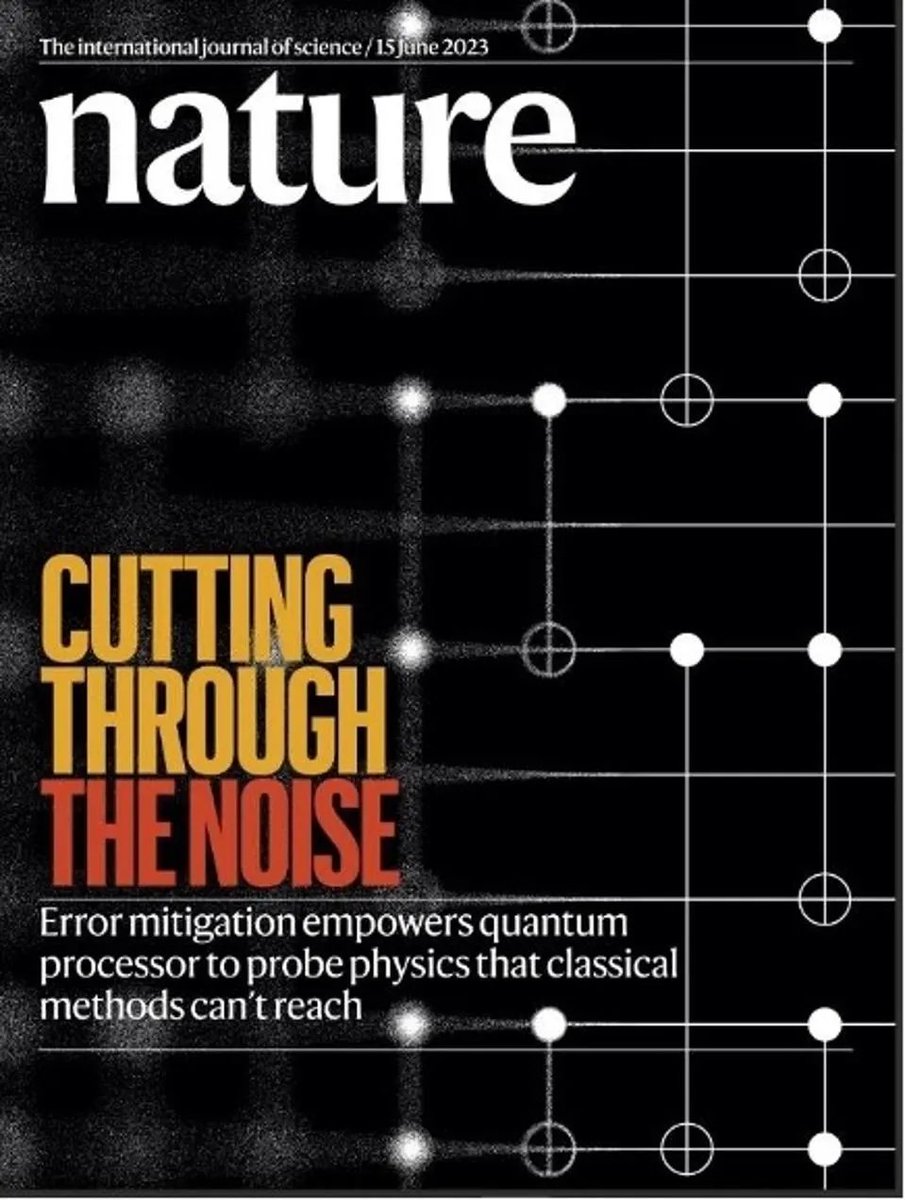
nature Magazine – June 15, 2023 issue: In this week’s issue, Abhinav Kandala and his colleagues show that it is still possible for a quantum computer to outperform a classical computer, by mitigating, rather  than correcting, the errors. 

DeepMind AI creates algorithms that sort data faster than those built by people

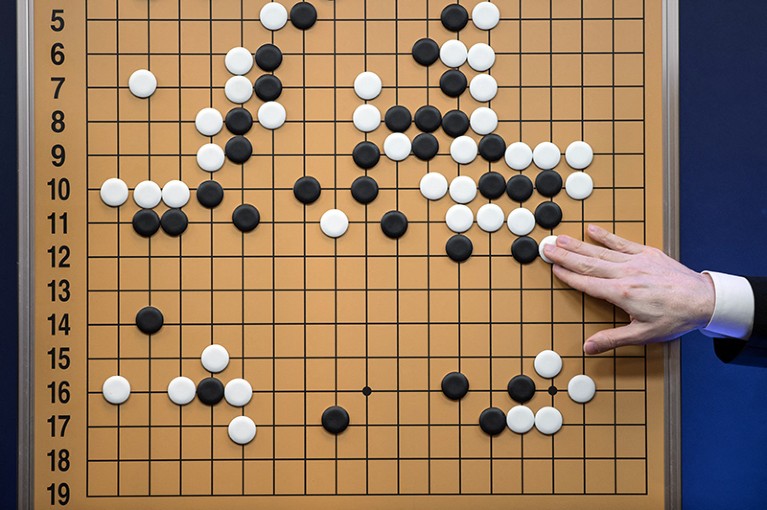
A replica of a game between 'Go' player Lee Se-Dol and a Google-developed super-computer, in Seoul, Korea, 2016.

The technology developed by DeepMind that plays Go and chess can also help to write code.

An artificial intelligence (AI) system based on Google DeepMind’s AlphaZero AI created algorithms that, when translated into the standard programming language C++, can sort data up to three times as fast as human-generated versions.

“We were a bit shocked,” said Daniel Mankowitz, a computer scientist at DeepMind who led the work. “We didn’t believe it at first.”

Ukraine dam collapse: what scientists are watching

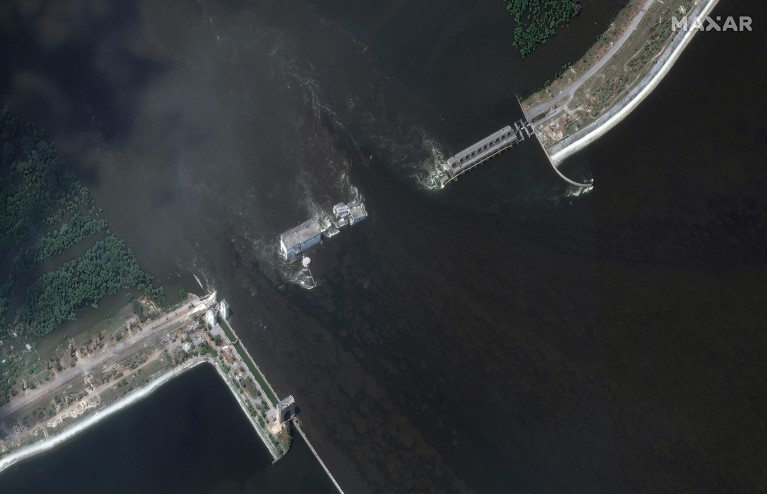
Maxar satellite imagery of the destruction of the Nova Kakhovka dam and hydroelectric power facility.
Large sections of the Kakhovka dam have collapsed, unleashing catastrophic floods. Credit: Satellite image (c) 2023 Maxar Technologies via Getty

Extensive flooding could have severe consequences for farming, health and the environment.

The 66-year-old Kakhovka dam on the Dnieper River in south Ukraine collapsed on the morning of 6 June after a suspected explosion, triggering a catastrophic humanitarian and environmental crisis.

Research Preview: Nature Magazine – June 8, 2023

Image

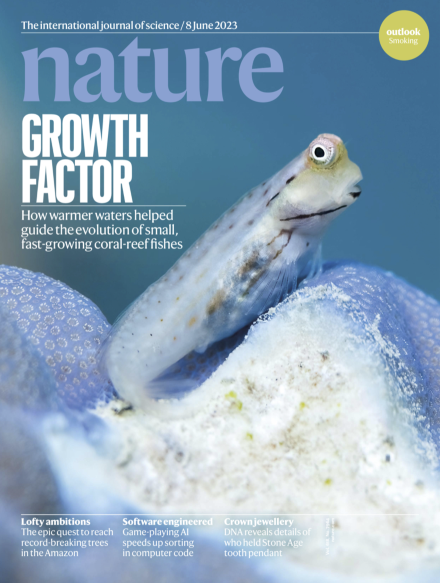
nature Magazine – June 8, 2023 issue:  Coral reef fishes, such as the blenny Ecsenius stictus pictured on the cover, are diverse, abundant and grow quickly. In this week’s issue, Alexandre Siqueira and his colleagues investigate the evolutionary history of these fishes to find out how growth has shaped life on coral reefs. 

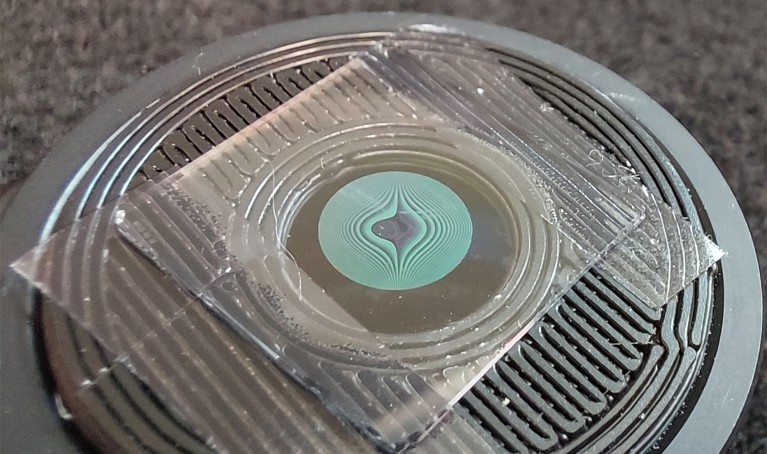
Camera that could fit on a penny captures vivid colour photos

Optimized phase mask of five-millimetre diameter fabricated using a nanofabrication approach.

A ‘meta-lens’ and corrective algorithms allow a tiny device to produce high-resolution images.

A computational-imaging technique paves the way for ultra-small cameras that could be used in various portable devices.

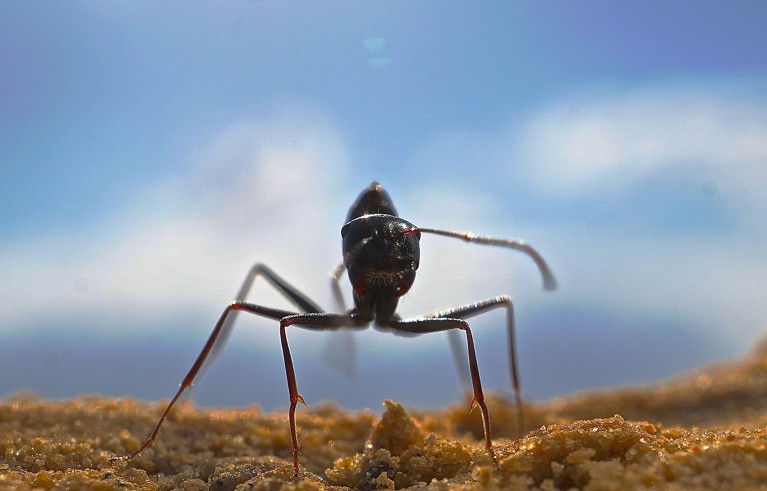
These hardy ants build their own landmarks in the desert

Tunisian desert ant Cataglyphis fortis.

Ants living on the sprawling salt pans of Tunisia use DIY markers to find their way home.

The desert ant Cataglyphis fortis lives in Tunisia’s arid salt flats, and can travel more than a kilometre from its underground nest in search of food. Now scientists have found that these ants build tall hills on top of their nests that help the insects to find their way home across the vast, featureless landscape1.

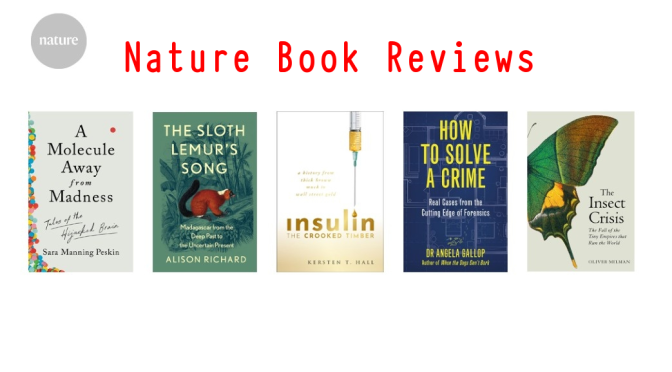
Nature Reviews: Top New Science Books – June 2023

nature Magazine Science Book Reviews – June 2, 2023: The mortality revolution, and the myth of the market. Andrew Robinson reviews five of the best science picks.

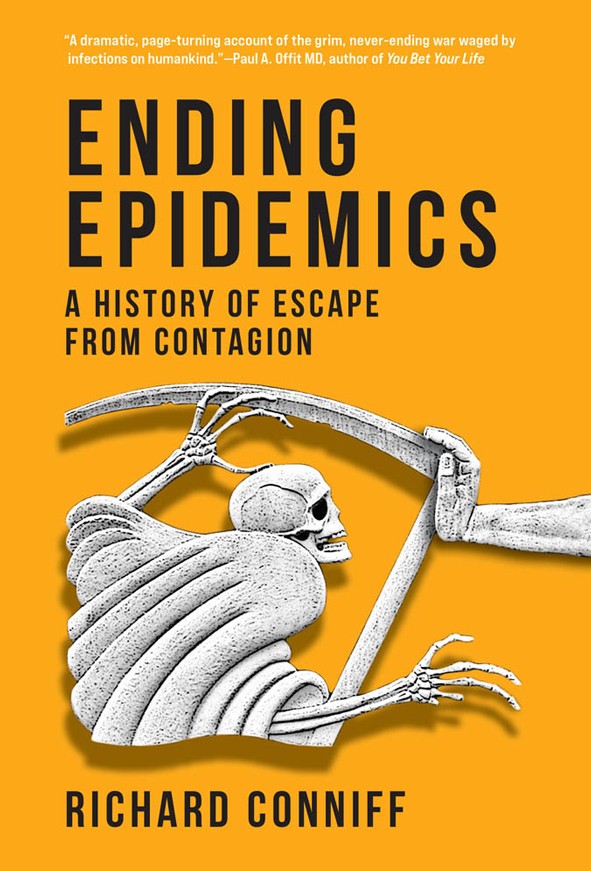
Ending Epidemics

Richard Conniff MIT Press (2023)

In 1900, one in three people died before the age of five. By 2000, this death rate was down to one in 27, and one in 100 in wealthy countries. This astonishing revolution has attracted surprisingly little attention, notes Richard Conniff. Instead, there is a “stubborn, stupid sense that we have somehow become invulnerable” — epitomized by opposition to vaccines. Conniff’s highly readable history of epidemic diseases and vaccinologists, from the first description of bacteria in 1676 to the eradication of smallpox in 1978, combats this worrying vulnerability.

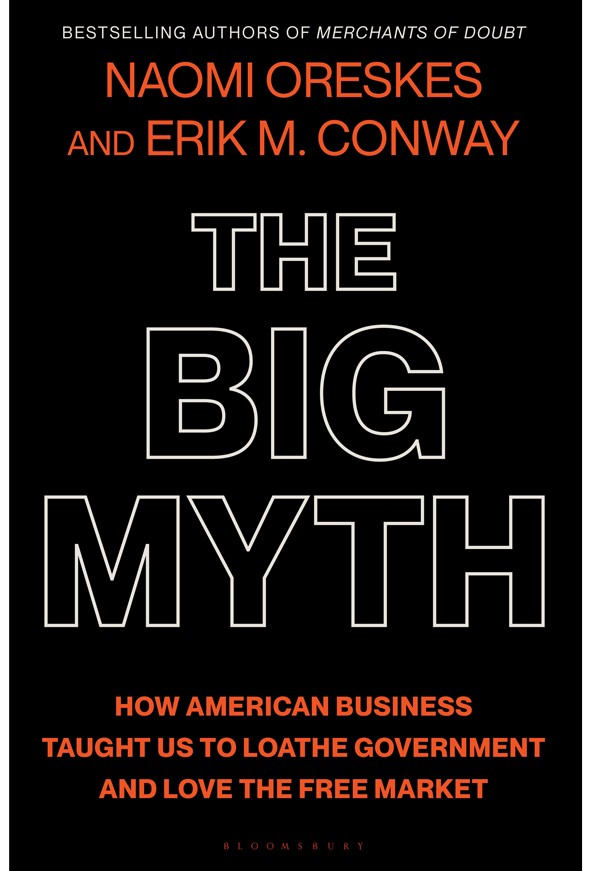
The Big Myth

Naomi Oreskes & Erik M. Conway  Bloomsbury  (2023)

Free enterprise is not in the US Constitution. The government was deeply involved in the US economy in the nineteenth century; its success led many to be suspicious of ‘big business’ and support government intervention. But commerce later came to dominate, as advocated by Ronald Reagan, through manipulation by businesses and some economists and scientists. In this hard-hitting, persuasive book, historians of science Naomi Oreskes and Erik Conway tell “the true history of a false idea” — that of “the magic of the marketplace”.

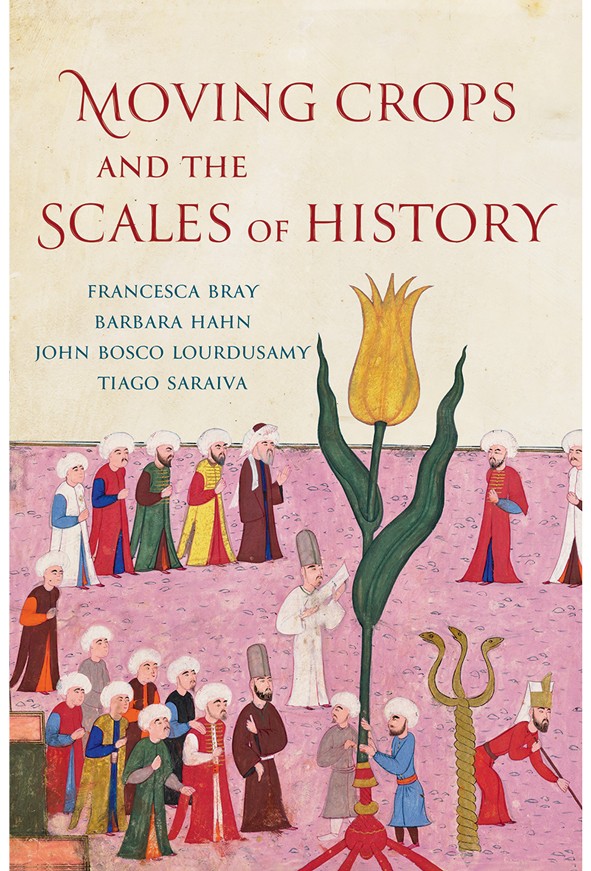
Moving Crops and the Scales of History

Francesca Bray et alYale Univ. Press  (2023)

Movement of crops by humans is “a key driving force in history”, notes this global academic study by an anthropologist and three historians in Europe, India and the United States. In the 1830s, British merchants smuggled tea plants from China to set up plantations in India — but then replaced them in the 1870s with indigenous bushes. Indian competition prompted the Chinese industry to reorient to other markets. The book therefore focuses on “cropscapes”: the people, creatures, technologies, ideas and places surrounding a crop.

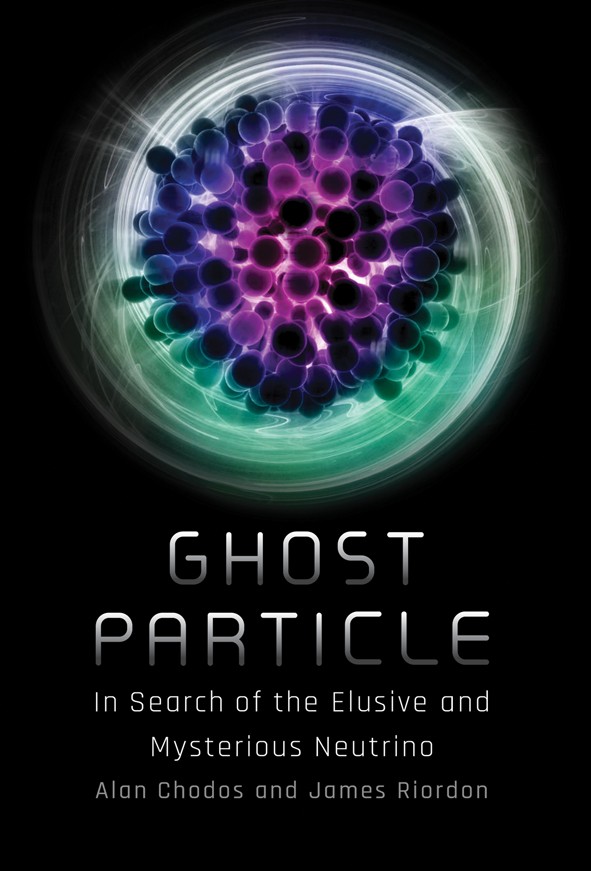
Ghost Particle

Alan Chodos & James Riordan MIT Press (2023)

Proposed by Wolfgang Pauli in 1930, detected by Clyde Cowan and Frederick Reines in 1956 and dubbed the “nothing-particle” by Isaac Asimov in 1966, neutrinos — first created in the Big Bang — are still highly mysterious, despite endless experimental investigation. Hence their current nickname of ‘ghost particle’ — the title of physicist Alan Chodos and journalist James Riordan’s enjoyable, non-mathematical portrait. “You have over 300 Big Bang neutrinos in the tip of your pinky at this moment,” they write.

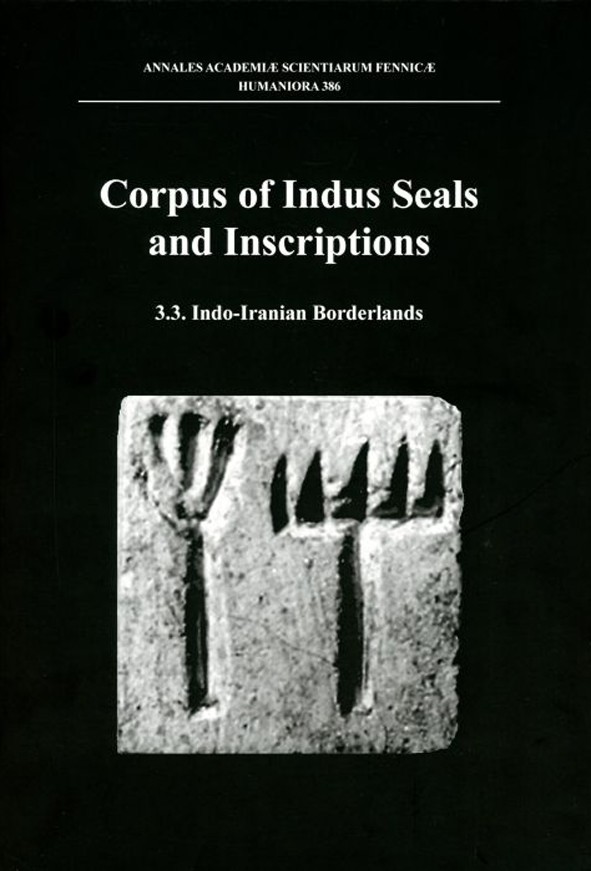
Corpus of Indus Seals and Inscriptions 3.3

Eds Asko Parpola & Petteri Koskikallio  Suomalainen Tiedeakatemia  (2022)

The Indus civilization of around 2500–1900 BC was huge, with sophisticated cities, long-distance trade and no known internal warfare. But perhaps most remarkable is its exquisite system of writing on stone and terracotta, undeciphered by modern scholars despite more than a century of effort. In 1987, Indologist Asko Parpola launched a fascinating series of catalogues of Indus seals and inscriptions. The latest shows discoveries in the “Indo-Iranian Borderlands”: western Pakistan, Afghanistan, Uzbekistan, Tajikistan and China.

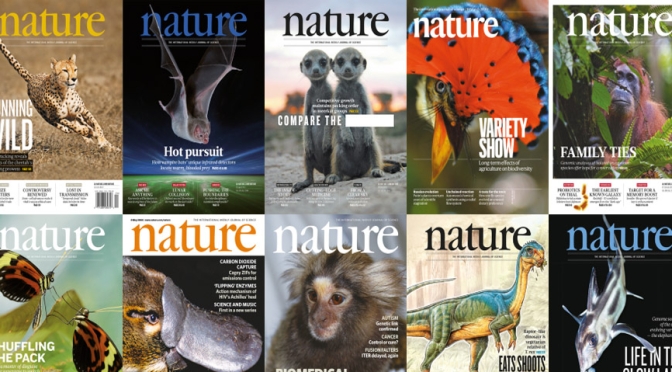
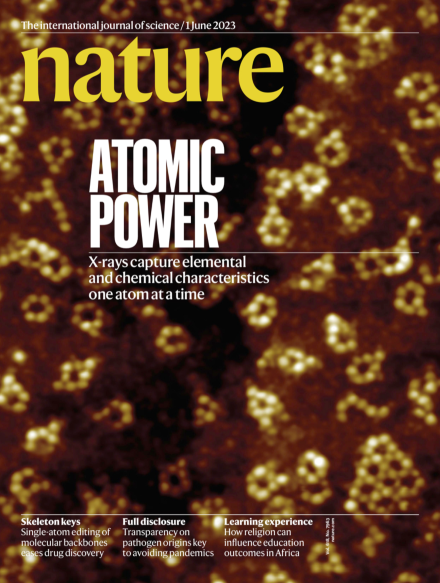
Research Preview: Nature Magazine – June 1, 2023

Volume 618 Issue 7963

nature Magazine – June 1, 2023 issue:  X-rays are widely used to characterize materials, but samples still require a reasonably high number of atoms for success. In this week’s issue, Saw-Wai Hla and his colleagues report that they have used synchrotron X-rays to characterize the elemental and chemical state of an individual atom. The team was able to detect X-ray-excited currents generated from an iron and a terbium atom in molecular hosts.

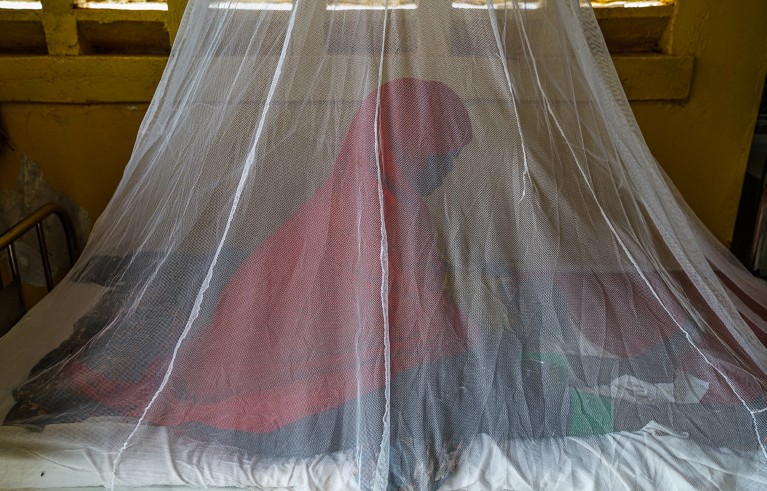
How can mosquitoes find you? All you have to do is exhale

A person sits on a bed behind a mosquito net.

Free-flying mosquitoes gravitate toward pads that emit carbon dioxide, which is found in human breath.

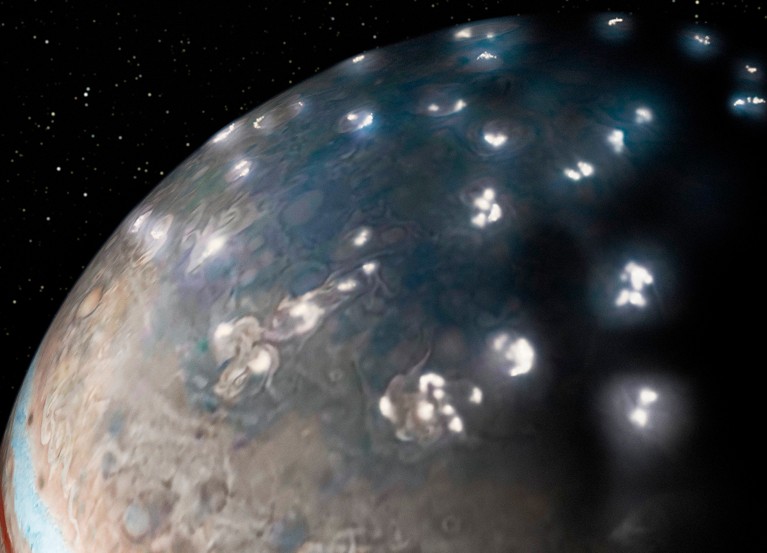
Jupiter’s lightning has rhythm — just like Earth’s

Lightning on Jupiter, composite image.

Bolts begin as a series of short pulses both on Earth and on its much bigger, gassier neighbour in the Solar System.

Research Preview: Nature Magazine – May 25, 2023

Image

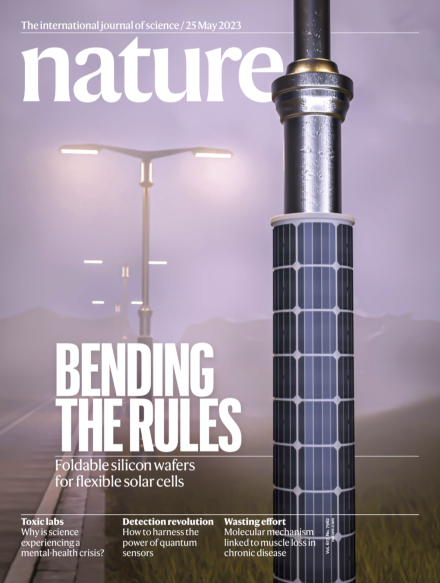
nature Magazine – May 25, 2023 issue:  In this week’s issue, Wenzhu Liu and colleagues present a way to make foldable silicon wafers that can be used in flexible solar cells. The secret to success was to blunt the edges of the silicon wafers, thereby stopping them from undergoing brittle fracturing. As a result, the researchers were able to make 15-centimetre solar cells with a bending angle of more  than 360°.

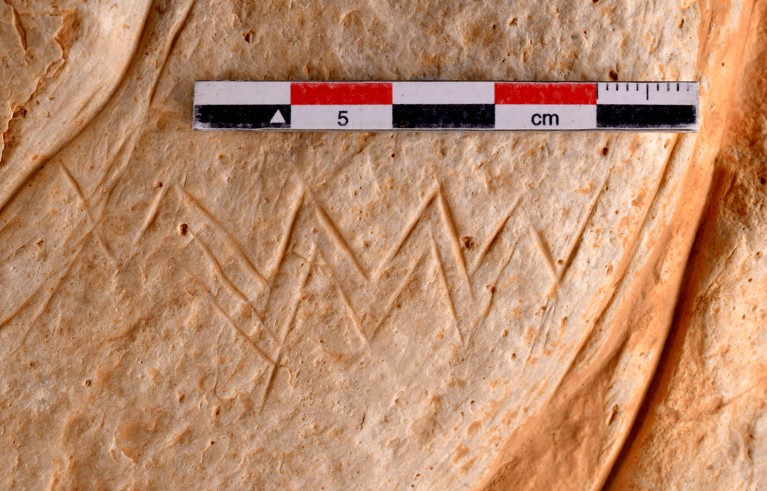
Oldest known ‘blueprints’ aided human hunters 9,000 years ago

Prehistoric engravings depict vast hunting traps with extraordinary precision.

Photograph of a stone engraved with zig-zag lines.

The oldest blueprints ever found might have been used to prepare for large-scale hunts1.

Engraved lines on a stone in Jordan might depict landscape features near a large-scale hunting structure.

Research Preview: Nature Magazine – May 18, 2023

Volume 617 Issue 7961

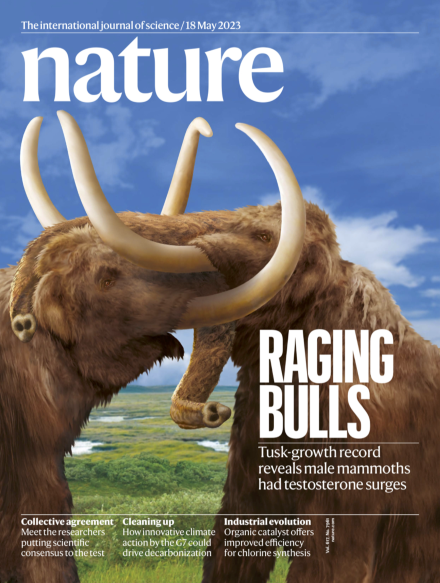
nature Magazine – May 18, 2023 issue: The cover shows an artist’s impression of two male mammoths fighting. During episodes of musth, adult male elephants undergo periods of elevated testosterone levels associated with aggression and competition for mating. In this week’s issue, Michael Cherney and his colleagues show that male woolly mammoths (Mammuthus primigenius) experienced similar episodes of musth. 

The ocean is hotter than ever: what happens next?

Record temperature combined with an anticipated El Niño could devastate marine life and increase the chances of extreme weather.

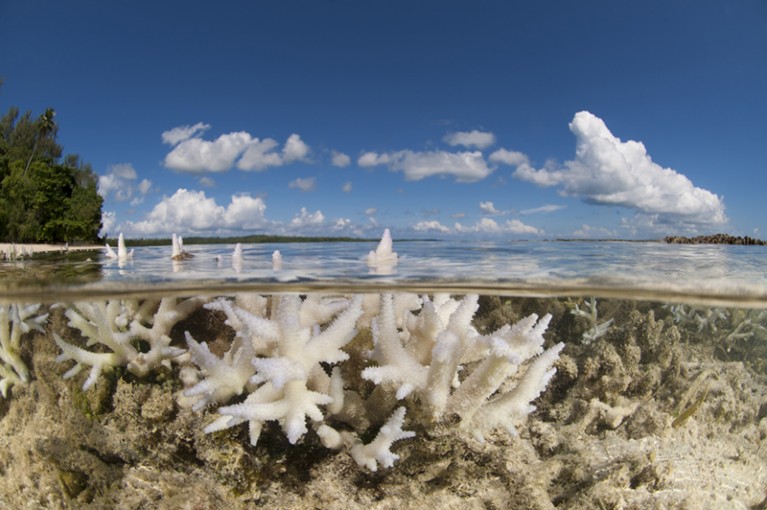
Split level of shallow bleaching corals and island, New Ireland, Papua New Guinea, June 2010

The global ocean hit a new record temperature of 21.1 ºC in early April, 0.1 ºC higher than the last record in March 2016. Although striking, the figure (see ‘How the ocean is warming’) is in line with the ocean warming anticipated from climate change. What is remarkable is its occurrence ahead of — rather than during — the El Niño climate event that is expected to bring warmer, wetter weather to the eastern Pacific region later this year.

For chemists, the AI revolution has yet to happen

Machine-learning systems in chemistry need accurate and accessible training data. Until they get it, they won’t achieve their potential.

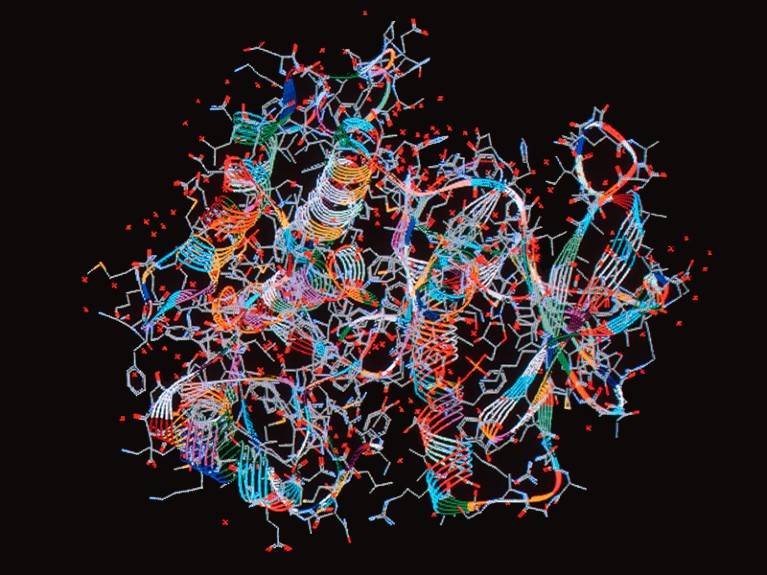
Cancer protein. Computer model of the enzyme protein tyrosine kinase, which is involved in cancer cell formation.

Many people are expressing fears that artificial intelligence (AI) has gone too far — or risks doing so. Take Geoffrey Hinton, a prominent figure in AI, who recently resigned from his position at Google, citing the desire to speak out about the technology’s potential risks to society and human well-being.

Nature Reviews: Top New Science Books – May 2023

nature Magazine Science Book Reviews – May 15, 2023: Prejudice in technology, and the necessity of time. Andrew Robinson reviews five of the best science picks.

More Than a Glitch

Meredith Broussard – MIT Press (2023)

An artificial-intelligence (AI) ‘glitch’ is a problem neither expected nor consequential. Bias, by contrast, is baked in and disastrous, argues data scientist Meredith Broussard, one of very few Black women in this field, who focuses on AI and journalism. “Tech is racist and sexist and ableist because the world is so,” she says. Vivid examples in her disturbing book include that of a man arrested by US police using facial-recognition technology — purely because both he and the suspect in a blurry surveillance photo were Black.

Assyria

Eckart Frahm – Basic (2023)

The world’s first empire flourished in Assyria in the eighth and seventh centuries bc, and has long been seen as the epitome of barbarism. But, as Assyriologist Eckart Frahm reveals in his deeply informed, challenging history, Assyria produced many features of the modern world. Its innovations included long-distance trade, sophisticated communications networks, mass deportations and widespread political surveillance. Unlike most later empires, he writes, it was at least honest in its “open celebration of plunder, torture, and murder”.

Hands of Time

Rebecca Struthers –  Hodder & Stoughton (2023)

‘Time’ is “the most commonly used noun” in English, according to Rebecca Struthers, the first professional watchmaker in the United Kingdom to earn a PhD in horology. Each chapter of her exquisitely crafted history explores a pivotal moment in watchmaking from the past 500 years. Mechanical timekeepers, she argues, have influenced human culture as much as the printing press. Imagine trying to catch a train by depending on the Sun’s position, or to perform an organ transplant without measuring the patient’s heart rate precisely.

The Deep Ocean

Michael Vecchione et al. Princeton Univ. Press (2023)

“For most people, the deep ocean is out of sight and out of mind,” write three zoologists and an oceanographer. The zone starts where penetration of sunlight can no longer support photosynthesis, about 200 metres down. This guidebook dissipates ignorance with superb colour photographs of astonishing organisms, accompanied by detailed captions and brief essays. For example, the vampire squid (Vampyroteuthis infernalis) is neither vampire nor squid, but was so named because its black ‘cloak’ reminded scientists of Dracula.

Tenacious Beasts

Christopher J. Preston –  MIT Press (2023)

Humans and domestic animals make up 96% of the mass of the world’s mammals. The outlook for wildlife “remains dire”, writes philosopher Christopher Preston. But he describes signs of hope in his well-travelled, thoughtful study of recoveries. Populations of humpback whales in the western Indian Ocean have surged since the mid-twentieth century; those of Californian black bears have quadrupled in a few decades. He visits farmland, prairie, river, forest and ocean, exploring why only certain species are recovering.

Research Preview: Nature Magazine – May 11, 2023

Volume 617 Issue 7960

nature Magazine – May 11, 2023 issue: The human reference genome has been the backbone of human genomics since the release of the draft sequence in 2001. But it has its limitations: one genome cannot hope to capture the diversity of the human species. In this week’s issue, the Human Pangenome Reference Consortium presents the first draft human pangenome, which combines genetic material from 47 genetically diverse individuals to provide a more complete picture of the human genome.

They’re a couple: JWST is first to spot pair of mysterious ‘Y dwarfs’

A dark brown sphere with lighter bands seen against a starry sky.

Two extremely cool examples of ‘failed stars’ called brown dwarfs are found orbiting each other.

Research Preview: Nature Magazine – May 4, 2023

Volume 617 Issue 7959

nature Magazine – May 4, 2023 issue: As stars evolve, they expand and so will engulf planets in close orbit around them. This planetary catastrophe is expected to generate powerful luminous ejections of mass from the star, although this has not been observed directly.

Is the world ready for ChatGPT therapists?

The current landscape of mobile mental-health apps is the result of a 70-year search to automate therapy. Now, advanced AIs pose fresh ethical questions.

Cartoon of a mobile phone as a psychotherapist surrounded by several other mobile-phone patients
Illustration by Fabio Buonocore

Since 2015, Koko, a mobile mental-health app, has tried to provide crowdsourced support for people in need. Text the app to say that you’re feeling guilty about a work issue, and an empathetic response will come through in a few minutes — clumsy perhaps, but unmistakably human — to suggest some positive coping strategies.

Fish on dry land hint at why we blink

Close up of an Indian mudskipper (Periophthalmodon septemradiatus) blinking on land.
Mudskippers blink by retracting their eyes into the heads, helping them to moisten their corneas. Credit: Brett R. Aiello

Insights from mudskippers suggest that blinking is an adaptation to emerging from the sea.

Research Preview: Nature Magazine – April 27, 2023

Volume 616 Issue 7958

nature Magazine – April 20, 2023 issue:

Massive mosquito factory in Brazil aims to halt dengue

Facility will produce up to five billion bacteria-infected mosquitoes per year

A WMP staff member releases Wolbachia mosquitoes in Niteroi, Rio de Janeiro
A World Mosquito Program (WMP) staff member releases Wolbachia-infected mosquitoes in Niterói, Brazil.Credit: WMP Brasil.

The non-profit World Mosquito Program (WMP) has announced that it will release modified mosquitoes in many of Brazil’s urban areas over the next 10 years, with the aim of protecting up to 70 million people from diseases such as dengue. Researchers have tested the release of this type of mosquito — which carries a Wolbachia bacterium that stops the insect from transmitting viruses — in select cities in countries such as Australia, Brazil, Colombia, Indonesia and Vietnam. But this will be the first time that the technology is dispersed nationwide.

Rewilding the planet

An archipelago constructed of sand and mud is bringing new life to a dead lake but can this bold experiment have a lasting impact