
From a Wall Street Journal article by Edward Rothstein:
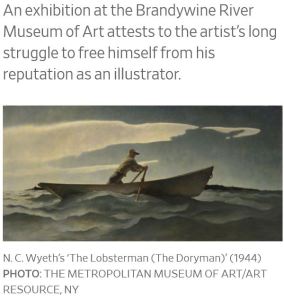 In some cases, Wyeth’s images bore into memory as sharply as the books they illuminate. I’m thankful I never saw Wyeth’s “Captain Nemo” (1918) while steeping myself in Jules Verne’s “The Mysterious Island” (1874): I would never have been able to shed the image Wyeth created of this white-haired, secretive, dying man, surrounded by allusions to his exotic past, his skin seeming bleached, we learn here, by the electrical lighting of his submarine.
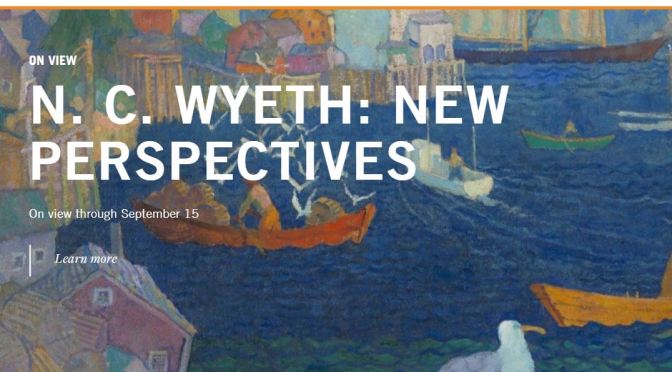
This is the first retrospective Wyeth has received in a generation, and it may be unfair to begin an account of it with the illustrations that made him a commercial success, for they also haunted him as he struggled to free himself from his reputation as an illustrator— a struggle that ultimately involved his relationship with his more
artistically celebrated son, Andrew, and his attempts to both accommodate and bypass modernist taste. But you can see how they could have had that impact. This show—jointly created with Maine’s Portland Museum of Art, and curated by Christine B. Podmaniczky from the Brandywine and Jessica May from the Portland—pays tribute
to the illustrations’ power and notes, too, that Wyeth often cut his artistic cloth to suit the demands of magazine editors, advertising agencies and bank-building mural planners.
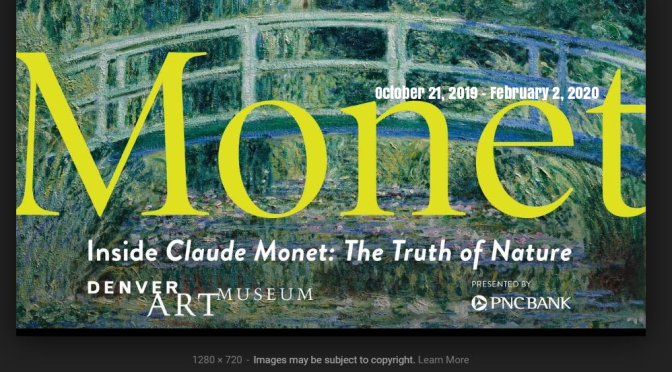
 The Denver Art Museum will be home to the most comprehensive U.S. exhibition of Monet paintings in more than two decades. The exhibition will feature more than 120 paintings spanning Monet’s entire career and will focus on the celebrated French impressionist artist’s enduring relationship with nature and his response to the varied and distinct places in which he worked.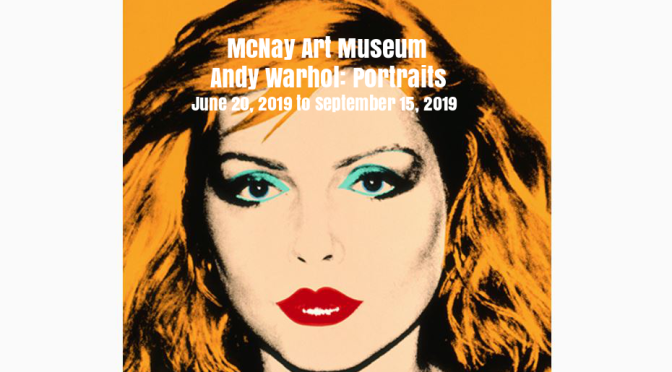
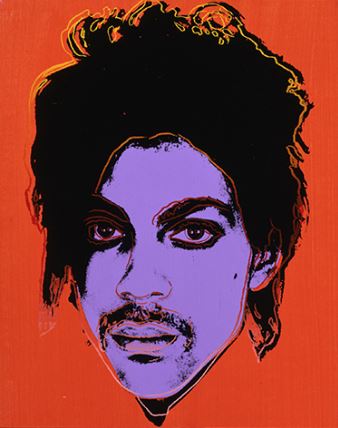 Andy Warhol: Portraits features over 120 paintings, prints, photographs, and films that depict the artist’s favorite genre: the portrait. This exhibition presents a snapshot of New York’s art and social scene from the 1960s through the 1980s through portraits of Warhol’s friends and patrons, movie stars and musicians, and celebrities of the day that range in style from the pristinely-idealized to the heartbreakingly-raw. Personalities who populated Warhol’s inner circle are represented; some widely recognized names include Joan Collins, Debbie Harry, Dennis Hopper, Mick Jagger, Robert Rauschenberg, and Andy Warhol himself. The presentation takes a multi-dimensional approach to the work, exploring the formal, conceptual, social, and political implications of portraiture, identity, and fame. Andy Warhol: Portraits invites the viewer into Warhol’s world, by examining the artist’s personal life, studio process, and use of a variety of mediums.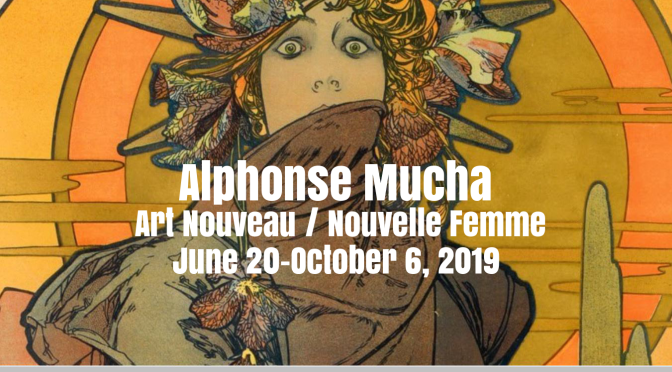
 Alphonse Mucha, born in Bohemia, came to Paris in 1887. Over the next 8 years, he emerged from obscurity to become the most celebrated graphic designer of the Art Nouveau movement. His intricate designs and gorgeous subjects were so popular that he produced pattern books for fellow designers and students, and his publishers repurposed his advertisements for hundreds of other products.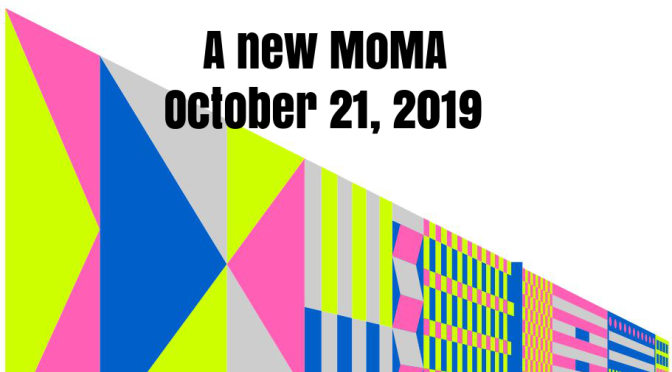
 From our founding in 1929 to the current reimagination of the Museum, MoMA has grown from a bold experiment to New York’s destination for modern and contemporary art. Working with architects Diller Scofidio + Renfro, in collaboration with Gensler, our continued evolution ensures that we always present the most innovative art and meet the changing needs of today’s audiences. To mark this exciting moment, you can explore our history on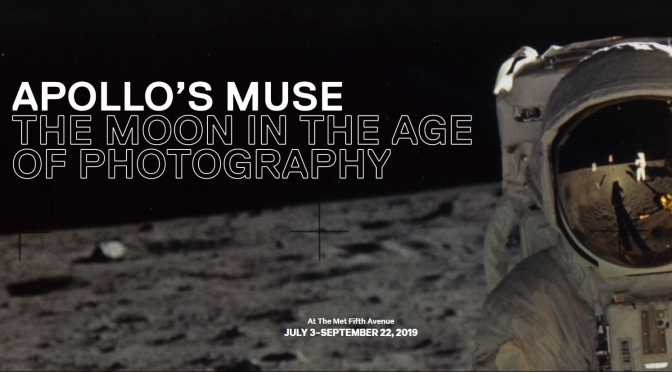
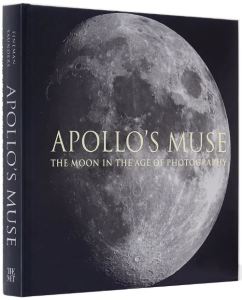 On July 20, 1969, half a billion viewers around the world watched as the first images of American astronauts on the moon were beamed back to the earth. The result of decades of technical innovation, this thrilling moment in the history of images radically expanded the limits of human vision.
 Boomers Daily