Tag Archives: Laphams Quarterly

Interviews: “Break It Up ” Author Richard Kreitner: America’s Imperfect Union

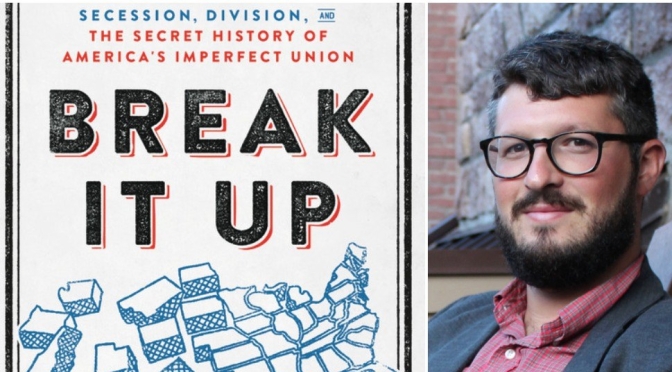
“Disunion—the possibility that it all might go to pieces—is a hidden thread through our entire history,” the journalist and historian Richard Kreitner writes in Break It Up: Secession, Division, and the Secret History of America’s Imperfect Union. 

 “Our refusal to recognize this, like patients who insist, against all evidence, that they are not ill, has been a major cause of our political dysfunction and social strife. Secession is the only kind of revolution we Americans have ever known and the only kind we’re ever likely to see.” On this episode of The World in Time, Lewis H. Lapham and Kreitner start at the beginning of the United States of America and trace this history of disunion up to the present. Lewis H. Lapham speaks with Richard Kreitner, author of “Break It Up: Secession, Division, and the Secret History of America’s Imperfect Union.”

Top Podcast Interviews: Thomas Frank, Author Of “The People, No: A Brief History Of Anti-Populism”

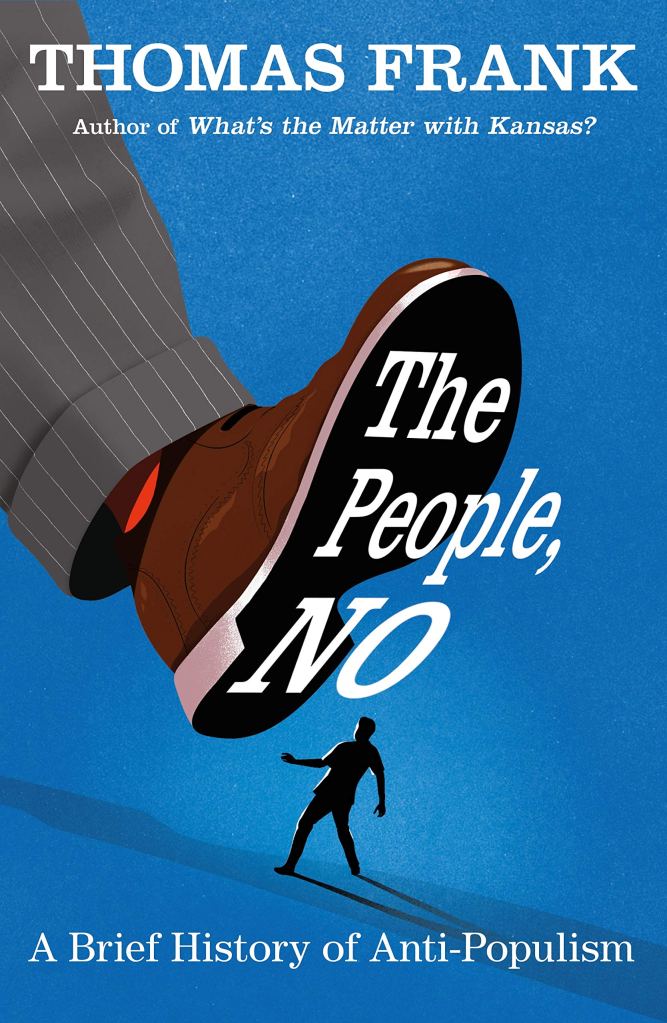
Lewis H. Lapham speaks with Thomas Frank, author of “The People, No”, an eye-opening account of populism, the most important―and misunderstood―movement of our time. 

Rarely does a work of history contain startling implications for the present, but in The People, No Thomas Frank pulls off that explosive effect by showing us that everything we think we know about populism is wrong. Today “populism” is seen as a frightening thing, a term pundits use to describe the racist philosophy of Donald Trump and European extremists. But this is a mistake.

The real story of populism is an account of enlightenment and liberation; it is the story of American democracy itself, of its ever-widening promise of a decent life for all. Taking us from the tumultuous 1890s, when the radical left-wing Populist Party―the biggest mass movement in American history―fought Gilded Age plutocrats to the reformers’ great triumphs under Franklin Roosevelt and Harry Truman, Frank reminds us how much we owe to the populist ethos. Frank also shows that elitist groups have reliably detested populism, lashing out at working-class concerns. The anti-populist vituperations by the Washington centrists of today are only the latest expression.

Frank pummels the elites, revisits the movement’s provocative politics, and declares true populism to be the language of promise and optimism. The People, No is a ringing affirmation of a movement that, Frank shows us, is not the problem of our times, but the solution for what ails us.