Tag Archives: Kyoto

Artistry: Making ‘Hikihaku Obi’ Textile In Japan (Video)

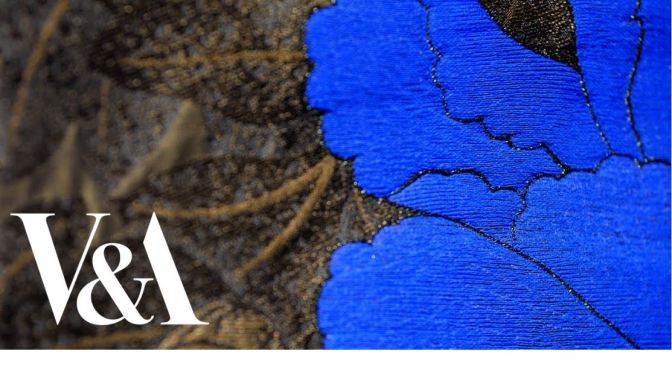
Nishijin-ori textiles are known for their exquisite detail, and have been made in the Nishijin area of Kyoto, Japan for over 1,200 years. Follow the intricate process involved in creating obi (the sash worn with traditional Japanese clothing), using a specialised technique called hikikaku – weaving with precious metallic thread. From the making of the thread itself, to the weaving on the loom, watch as three obis are made – one from 100-year-old silver foil, one from mother of pearl, and one from the semi-precious stone, lapis lazuli.

Processes: Silver foil obi: 1:26​ Mother of pearl obi: 4:17​ Lapis lazuli obi: 6:35

Nishijin-ori (西陣織, Nishijin fabric) is a traditional textile produced in the Nishijin (西陣) district of Kamigyō-ku in KyotoJapan.

Originating in Heian-kyōto over 1200 years ago, Nishijin weaving is known for its highly-decorative and finely-woven designs, created through the use of tedious and specialised production processes. It is well-regarded for the high quality and craftsmanship of the resulting fabrics, commonly used for high-quality obi and kimono.
Winter Walks: Village Of ‘Miyama’ In Kyoto, Japan

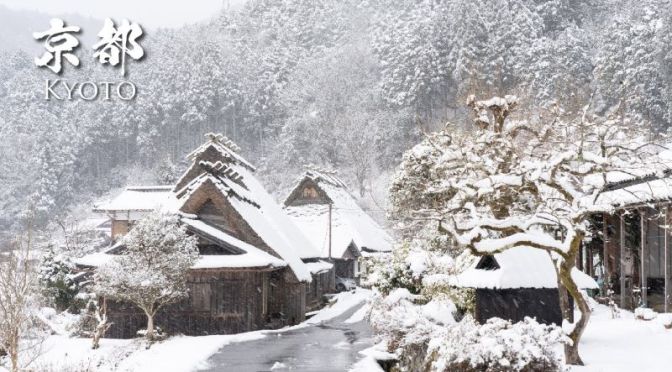
Kyoto is famous for its historic temples and shrines, But Not so many tourists know about the beautiful village like Shirakawa-go, Miyama.

Miyama (美山) is a remote, rural area in the mountains 30 kilometers north of central Kyoto. The area is famous for its traditional, thatched roof (kayabuki) farmhouses of which over 200 can be seen dotting the countryside. Unlike those found in many other historic towns and districts around the country, the majority of Miyama’s old houses survive as residential dwellings where people still live and work. This in turn lends a very nostalgic atmosphere to the area, and gives visitors a chance to experience the traditional, authentic feel of rural Japan.

Autumn Walking Tours: ‘Arashiyama Bamboo Grove’ In kyoto, Japan

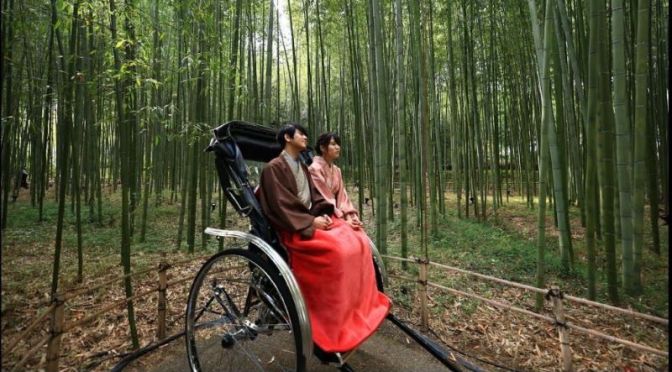
The Arashiyama Bamboo Grove is one of Kyoto’s top sights and for good reason: standing amid these soaring stalks of bamboo is like being in another world.Arashiyama Bamboo Grove
Arashiyama Bamboo Grove

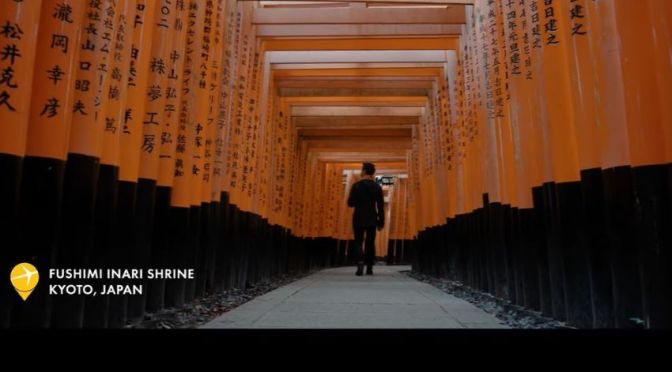
If you’ve been planning a trip to Kyoto, you’ve probably seen pictures of the Arashiyama Bamboo Grove – along with the torii tunnels of Fushimi-Inari-Taisha Shrine and Kinkaku-ji Temple, it’s one of the most photographed sights in the city. But no picture can capture the feeling of standing in the midst of this sprawling bamboo grove – the whole thing has a palpable sense of otherness that is quite unlike that of any normal forest we know of.

Autumn In Japan: ‘Eikando Temple, Kyoto’ (Video)

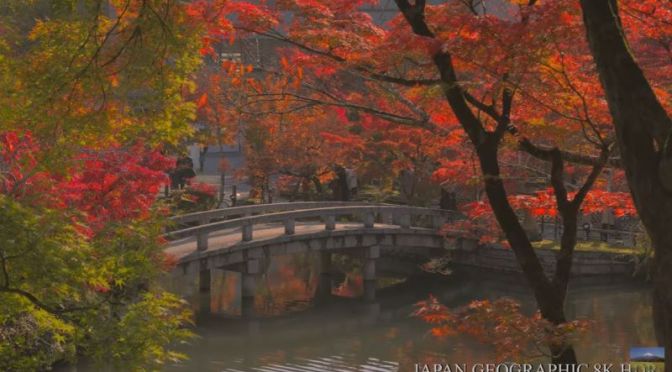
Eikan-dō Zenrin-ji is the head temple for the Seizan branch of Japan’s Jōdo-shū Buddhist sect, located in Kyoto, Sakyō-ku. It was founded by Shinshō, a pupil of Kūkai, and is famous for its fall foliage and for its prominence in the past as a center of learning.

Travel: Autumn In Nantan, Kyoto, Japan (Video)

A walking around Nantan, Kyoto. These temples are located in the Kameoka and Sonobe areas of Kyoto.

Video timestamps: 00:00 タイトル(Title) 00:17 龍潭寺(Ryoutan-ji Temple) 03:22 神蔵寺(Jinzou-ji Temple) 06:17 龍穏寺(Ryouon-ji Temple) 09:10 西光寺(Saikou-ji Temple)

Travel: Autumn Colors In Arashiyama, Kyoto, Japan

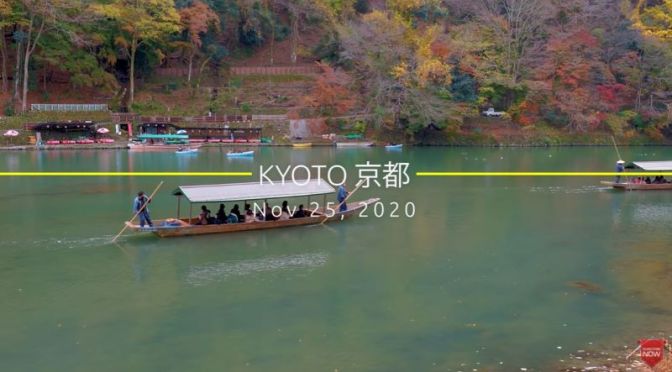
Date taken: 25th of November 2020

Arashiyama is a district on the western outskirts of Kyoto, Japan. It also refers to the mountain across the Ōi River, which forms a backdrop to the district. Arashiyama is a nationally designated Historic Site and Place of Scenic Beauty.

Travel & Photography: ‘Autumn In Japan’ (Video)

We joined Michael George on a trip to Japan to explore nature and the bold autumn of colors of Tokyo, Kyoto, Osaka, and Nara.

Michael had the chance to enrich his budding love for Japan and its culture last November. The experience empowered his work in creative travel and inspired him to learn more about himself, his passions, and how certain colors and aesthetics relate to his craft. Focusing on the color yellow in Japan sharpened his awareness of autumn and the impending seasonal changes; the bold colors of nature matching the intense colors of temples and shrines.

Read more

Top Culinary Arts Videos: “Japanese Fried Rice” From Teppanyaki Hoen In Kyoto

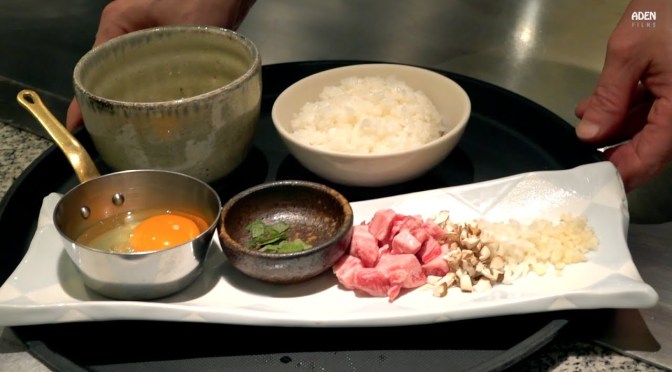
Fried rice in Kyoto as part of a lunch menu, including Wagyu beef, vegetables, herbs and an egg.

Teppanyaki Hoen(鉄板焼 豊園) is a restaurant located on the 2nd floor of the Hotel Nikko Princess Kyoto.

This Teppanyaki restaurant commits on using the best ingredients when cooking your meal. High-quality Japanese Wagyu and seafood, fresh vegetables from the Kyoto area, and salt from France. Their theme is to provide the best fusion of Eastern and Western cuisine. There is also a sommelier present at the restaurant who can recommend you the best wine for your preference.

The restaurant is spacious and even has a private room, so you can come with children without any problems.