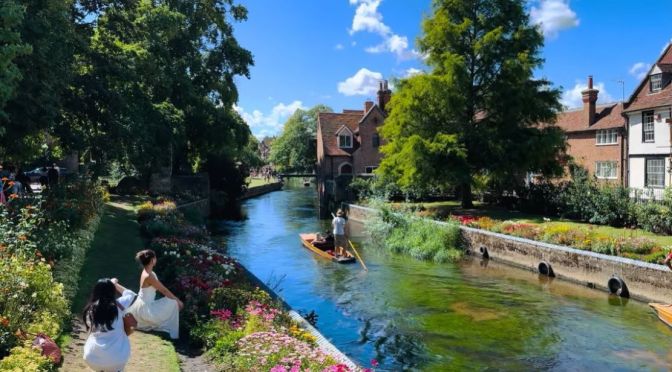
LADmob Films (August 30, 2023) – Canterbury is an historic town in the county of Kent, southeastern England. Its cathedral has been the primary ecclesiastical centre of England since the early 7th century CE.
The site of the town of Canterbury, which has been occupied since pre-Roman times, was in ancient times the mouth of the River Stour, which broadened into an estuary extending to the Wantsum Channel, the strait that once separated the Isle of Thanet from the mainland.
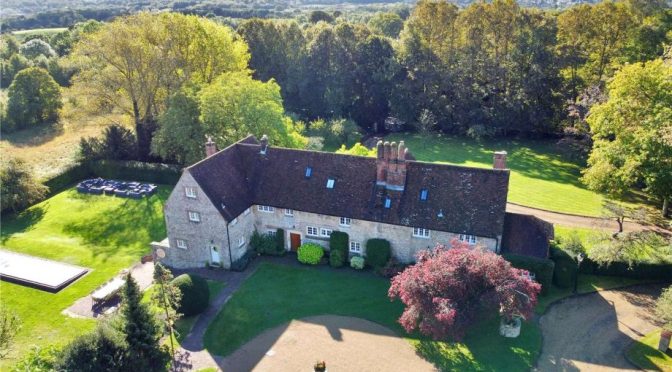
Hunton Court is an ancient house hiding behind a breathtaking Georgian facade, and all set in a truly beautiful corner of Kent.
Take a quick look at Hunton Court — near Maidstone, in Kent — and you’d immediately mark it down as an 18th century country house. Yet its true origins lie many centuries earlier: it’s a building that hides its timbered origins behind a Georgian look.
The house, once known as Court Lodge, had a turbulent history: first built in the 13th century and part of an estate that had belonged to the Canterbury’s Christ Church Priory, it was handed to Sir Thomas Wyatt, Henry VIII’s High Sheriff for Kent, after the Dissolution of Monasteries.
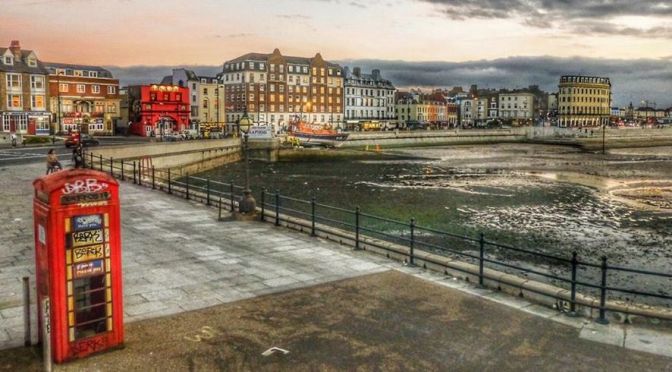
Margate is a town on England’s southeast coast. It’s known for its sandy beach. Near the Harbour Arm stone pier, the modern Turner Contemporary art gallery has rotating exhibitions. Dreamland Margate is an amusement park with vintage rides. Millions of seashells decorate the Shell Grotto’s underground passages. In a former police station in the old town, the Margate Museum has local history displays.
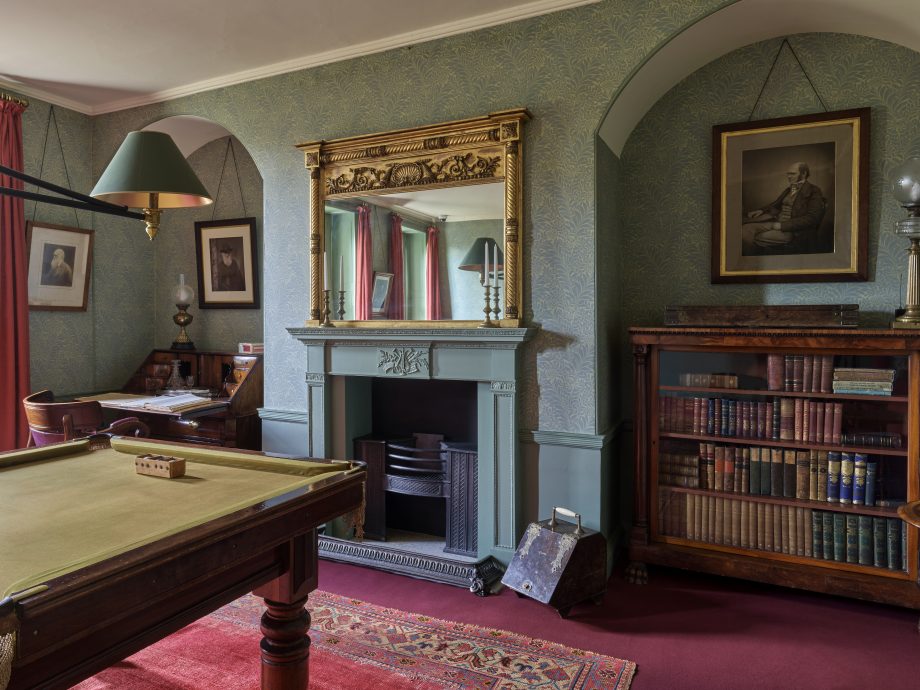
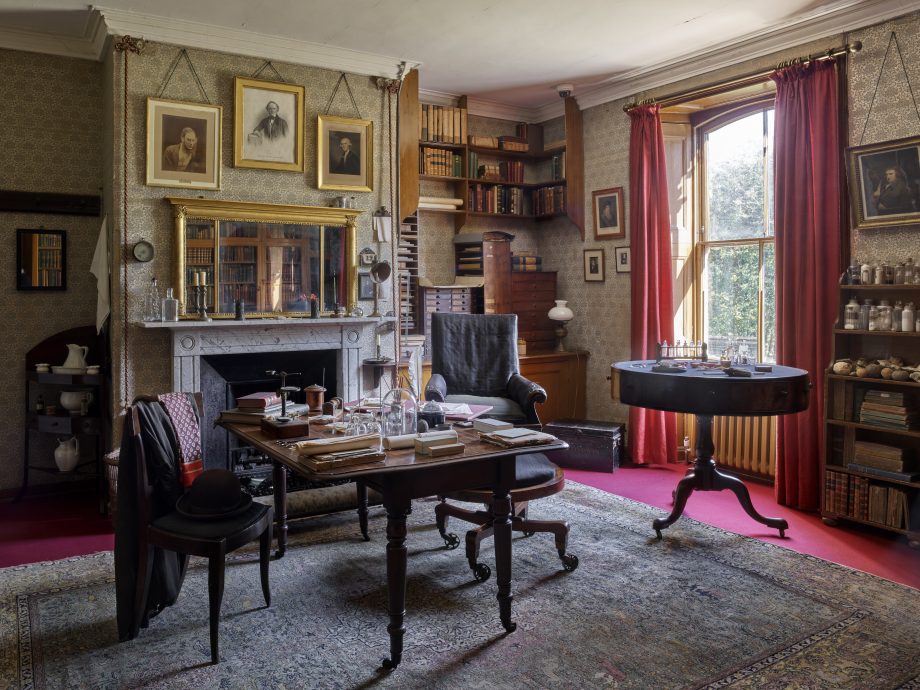
Down House (confusingly, next to Downe village) was Darwin’s family home for nearly 40 years. In its rooms, gardens and grounds, he researched and refined the ideas for which he became famous.
In origin, Down House was a plain Georgian property, a brick box with a main front five window bays wide built in about 1730. It was internally reconfigured and extended with a kitchen block by a wealthy businessman and landowner, George Butler, after he purchased the house in 1778.
At the same time, the main entrance was moved from the front to the side of the building. The house was then leased and sold again before coming into the possession of the Revd J. Drummond, vicar of Downe, in 1837. He employed the London-based architect Edward Cresy to make various improvements and also to render the house in conformity with the taste of the moment.
It was this house, with its 18 acres of land, that the Darwins occupied on September 24, 1842. Charles quickly settled into his new home, establishing a regular routine that distinguished his domestic arrangements. ‘My life goes on as clockwork,’ he wrote in 1843, ‘I am fixed in the place where I shall end it.’
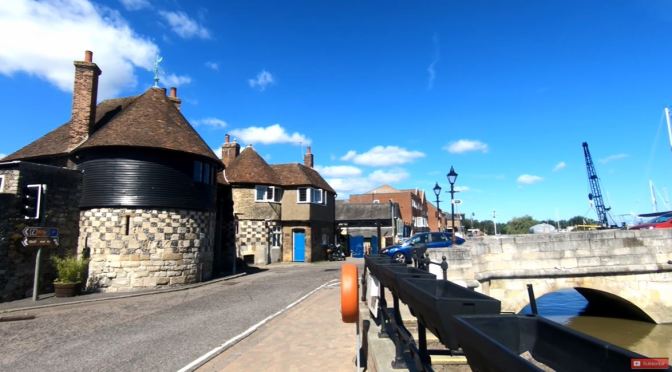
Sandwich is a historic town and civil parish in the Dover District of Kent, south-east England. It lies on the River Stour and has a population of 4,985.
From the 16th century onwards, hop-growing was a major source of income in the Weald of Kent, especially around the village of Horsmonden, eight miles east of Tun-bridge Wells, where an enthusiastic American visitor described how ‘the oast-house towers of Horsmonden seem almost to plough the rich soil of their Kentish hopfield like graceful yachts on a gently rolling sea’.
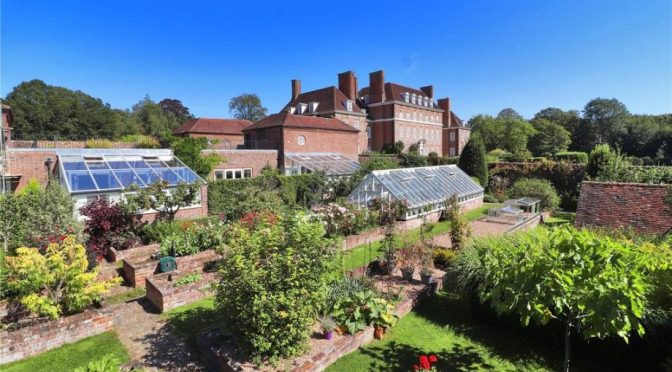
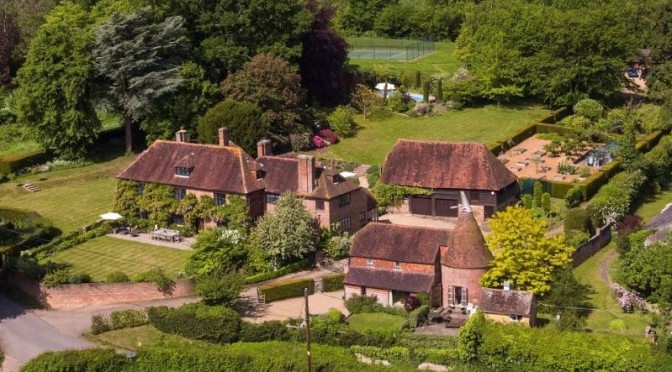
Great Baynden is a superb Kent house that’s full of the sort of touches you’d hope to see when moving to a period home in the country, as Penny Churchill explains.
Such is the backdrop to handsome, Grade II-listed Great Baynden in School House Lane, Horsmonden, which stands on high ground two miles north-east of the village, with panoramic views over the Weald to the North Downs.









 Boomers Daily