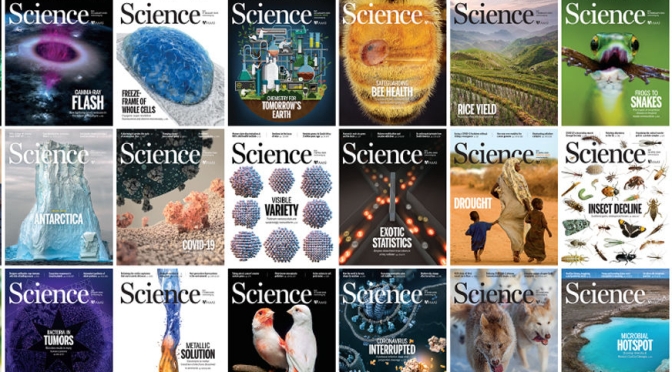
Science Magazine – January 18, 2024: The new issue features‘Plants And People’ – Global Hotspots of Utilized Plants; Long Covid Markers of Immune Dysfunction; A mammoth’s life story, written in tusk, and more…
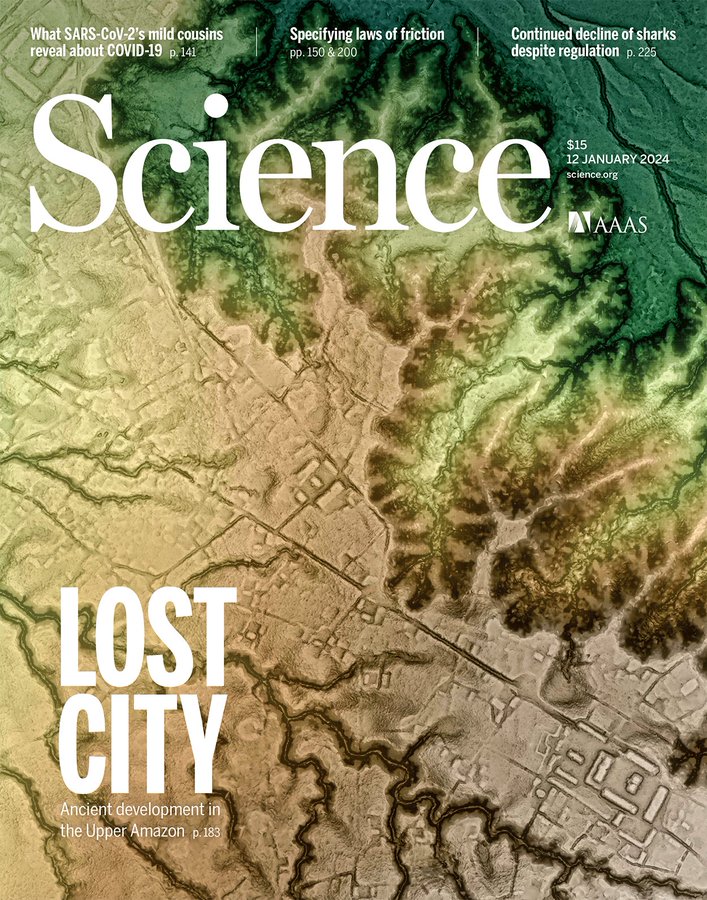
Science Magazine – January 11, 2024: The new issue features‘Lost City’ – Ancient development in the Upper Amazon; What SARS-CoV-2’s mild cousins reveal about Covid-19; Specifying laws of friction and a Continued decline in sharks despite regulation…
Science Magazine – November 17, 2023:The new issue features Heaps of Warming – Municipal solid waste emits large amounts of greenhouse gases; AI is set to revolutionize weather forecasts; Rewriting DNA in the body lowers cholesterol, and more….
Children with some of the most aggressive forms of cancer are being saved by a personalised medicine treatment programme in Australia. The Zero Childhood Cancer Program has saved more than 150 children who would’ve otherwise died. The team shares a moving interview with one of the parents.
Lichens evolve even more slowly than you might think. The team examines new research into the abundant Trebouxia genus of lichen which appears to take around a million years to adapt to changing climate conditions.
On its first day, the new Biden administration announced plans to recalculate the social cost of carbon—a way of estimating the economic toll of greenhouse gases. Staff Writer Paul Voosen and host Sarah Crespi discuss why this value is so important and how it will be determined.
Next up, Alison Barker, a postdoctoral researcher at the Max Delbrück Center for Molecular Medicine, talks with Sarah about the sounds of naked mole-rats. You may already know naked mole-rats are pain and cancer resistant—but did you know these eusocial mammals make little chirps to identify themselves as colony members? Can these learned local dialects make naked mole-rats a new research model for language learning?
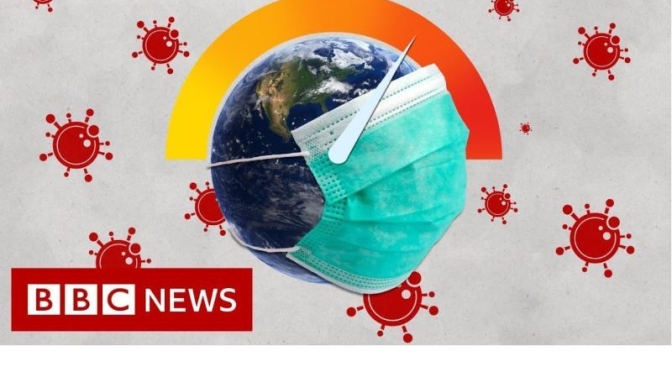
When Covid-19 sparked lockdowns around the world, emissions of one of the greenhouse gases responsible for climate change, atmospheric carbon dioxide, plummeted. But is this record drop a short-term effect of the 2020 pandemic or a ‘new normal’? BBC Weather’s Ben Rich explores the impact of coronavirus on the global climate.
Motion graphics by Jacqueline Galvin
Produced by Soraya Auer
News, Views and Reviews For The Intellectually Curious





 Boomers Daily