Geriatricians like Dr. Brandon Verdoorn see the wide range of effects of chronic pain on older patients. Minor, short-lived pain can be managed at home with ice, heat or over-the-counter medication.
If you have severe pain, persistent pain or pain that affects function, you should see your health care provider to determine the underlying cause and develop a pain management plan. That might mean physical therapy, exercise, massage or acupuncture.
Medication strategies often are used, too — typically starting with lower-risk approaches like acetaminophen and topical medications, and reserving higher-risk medications for more difficult cases.
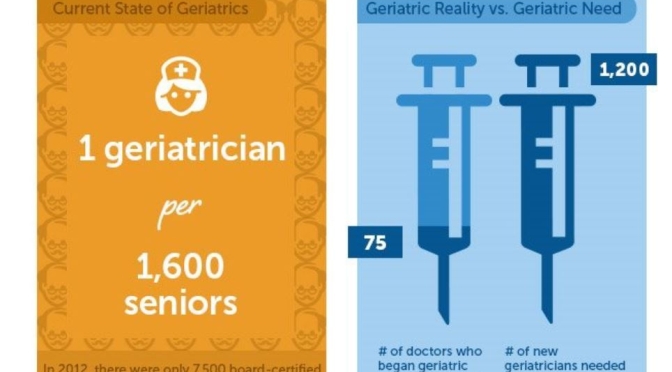
If one geriatrician can care for 700 patients with complicated medical needs, as a federal model estimates, then the nation will need 33,200 such doctors in 2025. It has about 7,000, only half of them practicing full time. (They’re sometimes confused with gerontologists, who study aging, and may work with older adults, but are not health care providers.)
Geriatrics became a board-certified medical specialty only in 1988. An analysis published in 2018 showed that over 16 years, through academic year 2017-18, the number of graduate fellowship programs that train geriatricians, underwritten by Medicare, increased to 210 from 182. That represents virtually no growth when adjusted for the rising United States population.
“It’s basically stagnation,” said Aldis Petriceks, the study’s lead author, now a medical student at Harvard.
More than 60% of cancers in the U.S. occur in people older than 65. As the population grows older, so will the rate of cancer among seniors. The cancer incidence in the elderly is expected to rise 67% from 2010 to 2030, according to a 2017 study in the Journal of Clinical Oncology. Yet many oncologists don’t have geriatric training.
“When the doctor saw how physically active and mentally sharp my father was at 89 years of age, but that he had several chronic, serious medical problems, including end stage kidney disease, she didn’t advise him to have aggressive treatment like the first time around,” says Griggs, who lives in Rochester, N.Y.
Geriatric assessment is an approach that clinicians use to evaluate their elderly patients’ overall health status and to help them choose treatment appropriate to their age and condition. The assessment includes questionnaires and tests to gauge the patients’ physical, mental and functional capacity, taking into account their social lives, daily activities and goals.
Today, 10,000 people in the U.S. turn 65 every day. The U.S. Census Bureau projects the number of older adults to grow by 55 percent from 2010 to 2050, eventually making up 21 percent of the population.1 Currently, older adults account for more than 40 percent of all inpatient operations, and 33 percent of outpatient procedures performed annually in the U.S. This number will grow as the population ages, and the need for surgical services concurrently rises
The GSV Program will help hospitals of any size prepare for the influx of older adults considering surgery with care standards that define the resources hospitals need to have in place to perform operations effectively, efficiently, and safely in this vulnerable population. The standards take into account that older adults have distinct physical and social vulnerabilities, as well as unique goals for their care, that warrant a more thorough and individualized approach to surgery.
The standards outline processes for systematically improving older adult surgical care, including, but not limited to:
Improving communications with patients before surgical procedures to focus on outcomes that matter most to the patient

 If one geriatrician can care for 700 patients with complicated medical needs,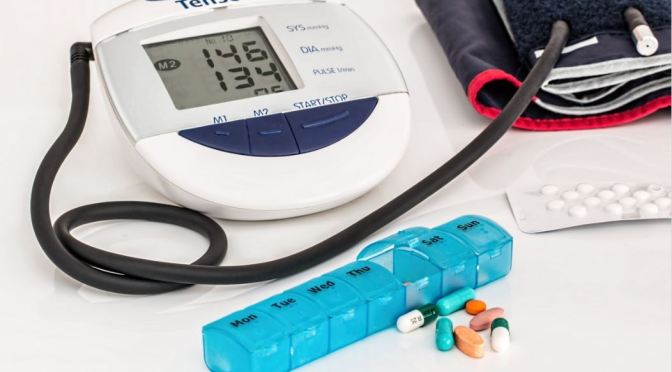
 More than 60% of cancers in the U.S. occur in people older than 65. As the population grows older, so will the rate of cancer among seniors. The cancer incidence in the elderly is expected to rise 67% from 2010 to 2030, according to a 2017 study in the Journal of Clinical Oncology. Yet many oncologists don’t have geriatric training.
 Boomers Daily