Tag Archives: English Estates

English View: The Nunnery In Eden Valley, Cumbria

An exquisite private estate in the Cumbrian countryside — complete with fabulous interiors and secret waterfalls in the grounds .

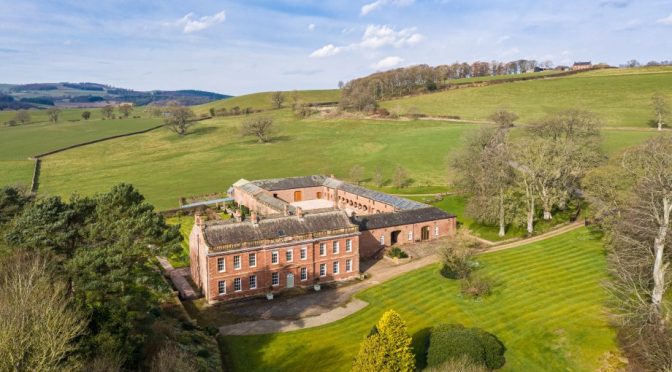
The Nunnery is — as the name suggests — a former Benedictine Nunnery that has been the recipient of years of renovation works, transforming the historic property into a breathtaking, spacious home. Penny Churchill reports.

Cumbria’s glorious Eden Valley has been well-named and the setting for imposing, Grade I-listed The Nunnery at Staffield, 10 miles from Penrith, on the fringes of the Lake District National Park, is typical of the area, with traditional livestock farms and rolling grassland falling away to the River Eden, against a distant backdrop of dark, moody fells.

The former country-house hotel, set in almost 52 acres of wonderfully private park and woodland close to the village of Kirkoswald, has been beautifully renovated, remodelled and extended by its present owners who acquired it in a fairly run-down state in the early 2000s.

Although the origins of The Nunnery can be traced to a mid-13th-century Benedictine nunnery, according to Country Life (November 23, 2000), the present ‘plain but imposing red sandstone house’ was built by Henry Aglionby in 1718.
Views: Cragside Mansion In Northumberland, UK

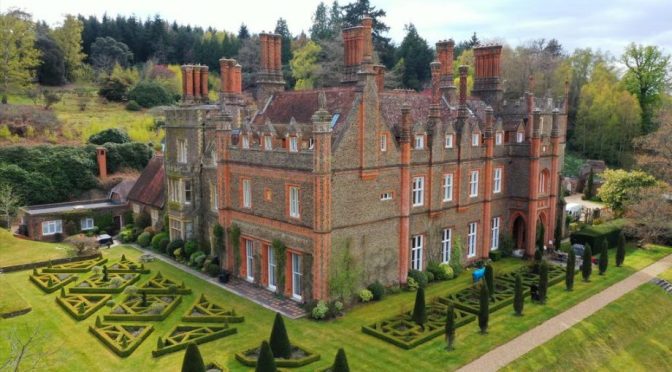
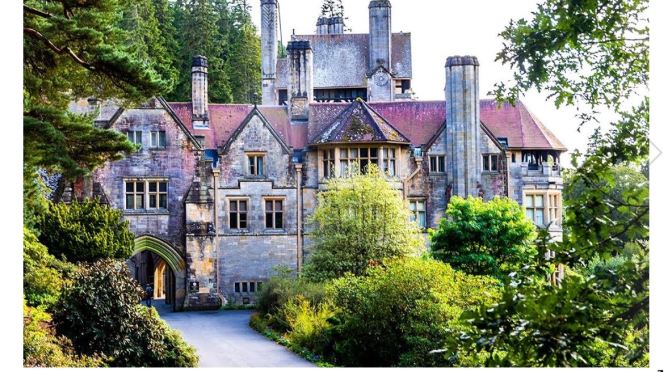
The first house in the world to be lit by hydroelectricity and full of Victorian gadgets and innovations, Cragside in Northumberland has always been at the forefront of modern living.

But now, climate change has started to catch up with this pioneering place. More frequent and intense rainfall is overwhelming the house’s drainage system and beginning to find its way inside of the Arts and Crafts mansion. Most affected is the drawing room with its immense, two-story high, ornately carved marble fireplace.

Rainwater is pushing salts that are in the stonework of the house through to the decorative marble and plasterwork of fireplace inside, causing its surface to deteriorate, meaning urgent work is needed to save this irreplaceable piece of architecture from crumbling away.

A two-stage project is currently underway to stabilise and future-proof the fireplace against climate-change, conserving it for future generations. As conservation work continues, Cragside is once again looking to the future – this time by looking to its past. Originally built by architect Lord Armstrong and his wife Lady Margaret, this pair of innovators created Britain’s original smart home when Cragside became the first house in the world to be illuminated by hydroelectricity, generated by its man-made lakes.

A project in 2014 gave the estate the ability to yield enough energy from water to light the whole house by installing an Archimedes Screw, which works at an angle and allows water to pass between the Tumbleton Lake and the burn below. This converts the power of the water flowing through it into electricity, a never-ending source that now illuminates the whole house and sends excess power back to the National Grid. Watch this video to discover more.

English Gardens: 19th-Century Brodsworth Hall In South Yorkshire

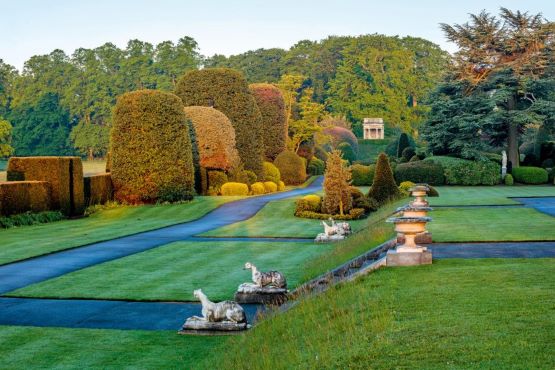
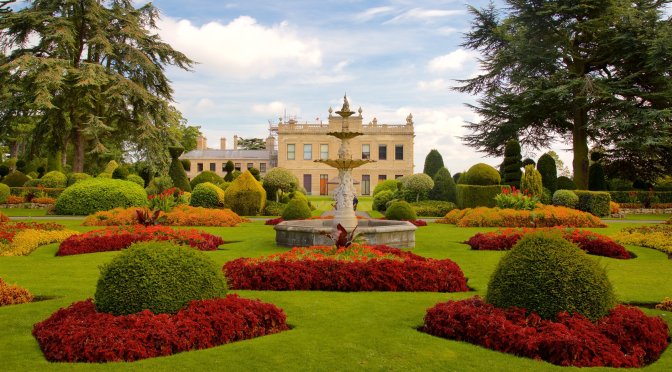
The mid-19th-century Gardens of Brodsworth Hall in South Yorkshire are striking. House and grounds are a perfect complement of Italianate green architecture and are linked by formal terraces with three staircases decorated by marble urns and recumbent — probably Italian — greyhounds acquired by the Italian sculptor Chevalier G. M. Casentini.

Tiffany Daneff, August 14, 2021

If this all feels rather unlikely in Yorkshire, that is because it reflects the taste of one man, Charles Sabine Augustus Thellusson, who came into an extraordinary inheritance in 1858 and devoted much of it to creating the hall and its gardens in his own personal style.

‘Today, he would be an oligarch,’ says Michael Klemperer, senior gardens advisor for the North and Midlands regions at English Heritage (EH), which now looks after house and gardens. ‘The money he received from the will was £700,000, which, with interest, equates to £140 million today.’ With the cash came the estate that had belonged to his great-grandfather Peter Thellusson, a Swiss financier, who had moved to London in 1760 and built up a fortune as a merchant and banker.

Charles Thellusson was an avid traveller, sailor and photographer. ‘He was a big, robust Victorian gentleman, a patrician walrus,’ notes Dr Klemperer, who sees Brodsworth as representing a transition between Continental styles and the Victorian era. ‘It is a garden that is interesting on a number of levels,’ he adds, citing influences as varied as Caspar David Friedrich (1774–1840) and Blackpool pier.

Read more

Country Estates: Albury Park Mansion In Surrey Hills, Southeast England

Towering amongst the stunning  parkland setting in the Surrey Hills Area of Natural Beauty is Albury Park Mansion, a magnificent estate that dates back a century — it’s mentioned in the Domesday Book — and which has had a great house at its heart since the early 17th century.

Lydia Stangroom June 18, 2021

The house has evolved over the years, and as it stands now bears the fingerprints of one of the great 19th century architects, Augustus Pugin, who remodelled it for Henry Drummond in the 19th century.

St Paul’s Church, located within the estate grounds, was used as the setting for Four Weddings and a Funeral, during the famous wedding scene between Carrie, played by Andie MacDowell, and Hamish, Corin Redgrave. Episodes of the television series Midsomer Murders have also filmed in the house and grounds on the estate.

Read and see more in Country Life

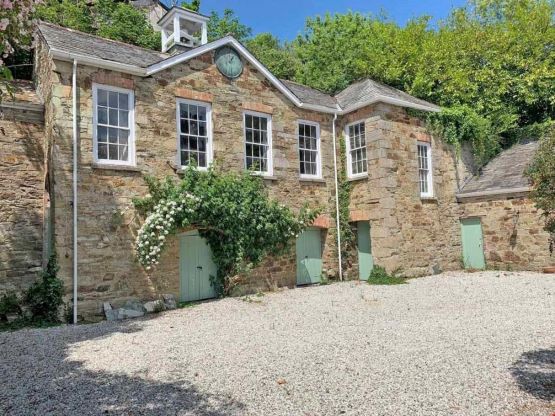
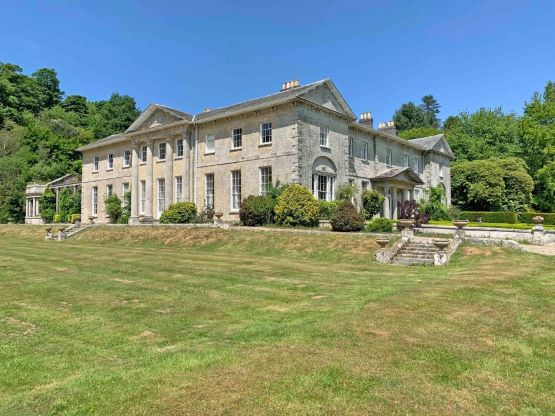
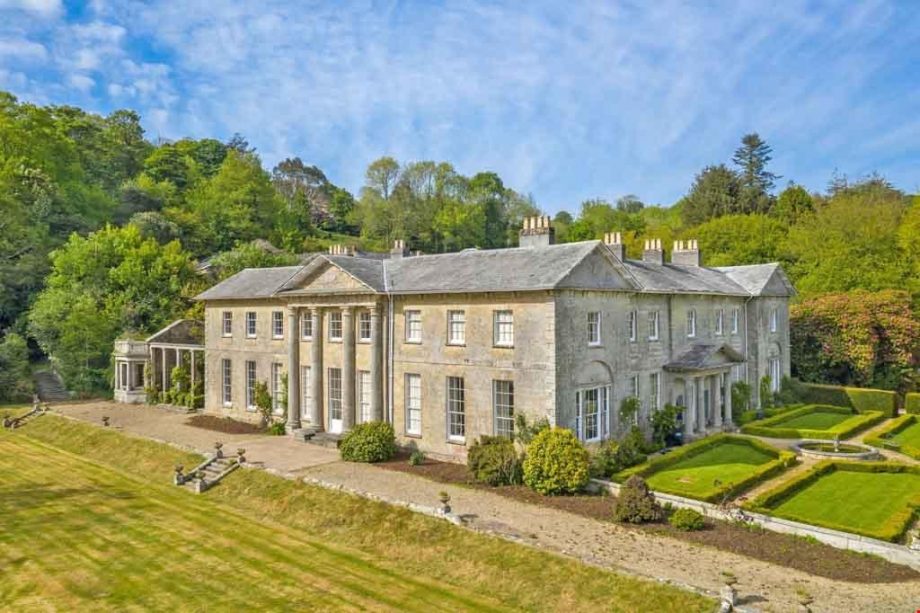
English Country Estates: Glynn House, Cornwall

Much of the building as it stands today was completed in 1805 by Edmund Glynn, son of American Independence supporter John Glynn, but its history is much older.

Penny Churchill June 9, 2021

The manor was mentioned in the Domesday Book and was later home to distinguished personages such as Henry II’s Justiciar, Richard de Lucy, and perhaps most extraordinary of all the Earl of Warwick, ‘the Kingmaker’.

In the 18th century, the estate belonged to Waterloo hero Sir Hussey Vivian and, in the 1960s, to Nobel-prize winning chemist Peter Mitchell.

Read more

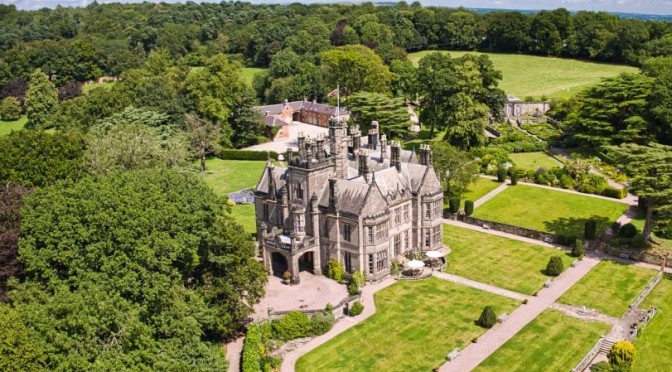
English Estates: ‘Heath House’ – Staffordshire

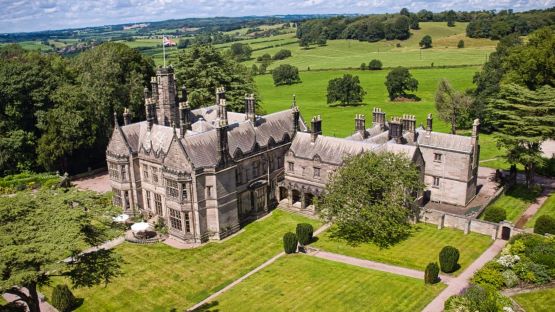
Leave your wellies at the door. This 19th Century farm in rural Staffordshire looks less farm, more Downton Abbey. Sitting in a cool 404 acres of land, The Heath House Estate is palatial in all aspects (with not a stray chicken in sight).

It’s hard to know where to begin with a property of this magnitude. The main house (could we try the world ‘palace’?) is a spectacular Grade II-listed, Tudor Gothic mansion, designed and built by Thomas Johnson of Litchfield. With five reception rooms, 14 bedrooms, two flats and a service wing, you’re certainly not short on space.

The main house boasts tall, ornate ceilings, beautiful fireplaces and large, grand rooms, and is not hard to see why this property is listed due to its historical and architectural importance.

Read more