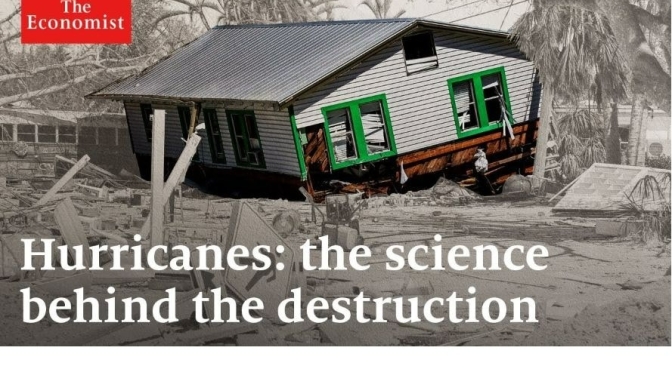

Video timeline: 00:00 – What are tropical cyclones? 00:46 – The history of tropical cyclones 02:06 – How do they form? 04:33 – What happens when they reach land? 07:13 – What is the impact of climate change?

Video timeline: 00:00 – What are tropical cyclones? 00:46 – The history of tropical cyclones 02:06 – How do they form? 04:33 – What happens when they reach land? 07:13 – What is the impact of climate change?
Last weekend, hundreds of young people boarded a specially chartered train in Amsterdam to travel to Glasgow ahead of the United Nations COP26 climate summit.
Among them were scientists, activists and policy makers. In a Nature Podcast special, we boarded the train to catch up with some of them – to talk about their science, their motivations and their message.
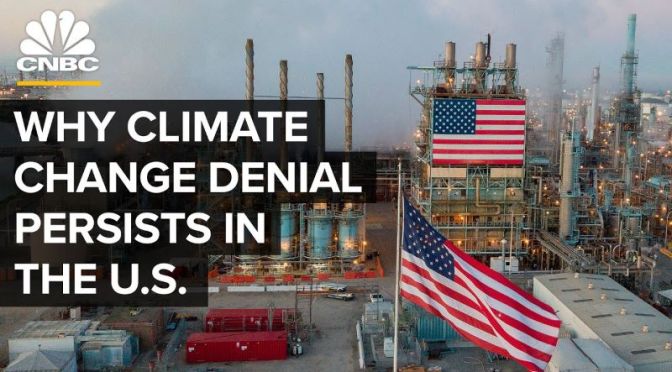
Despite overwhelming scientific evidence, some American politicians continue to deny that climate change exists, while others question the severity of its impact. But public opinion is shifting, and today even oil and gas companies publicly admit that climate change demands action. So why does climate denialism continue to influence U.S. politics? Here’s a look into who is funding the movement, and why denial is mainly a U.S. problem.

 Boomers Daily