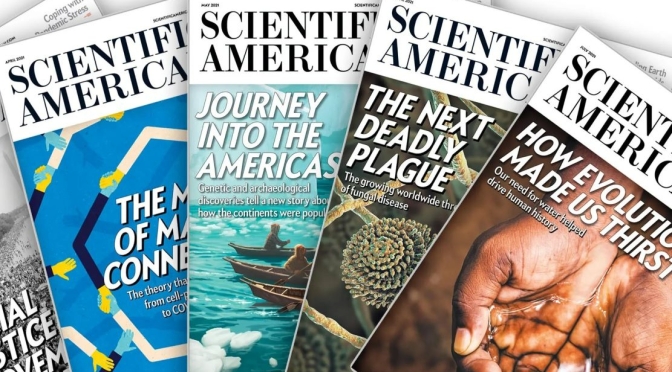
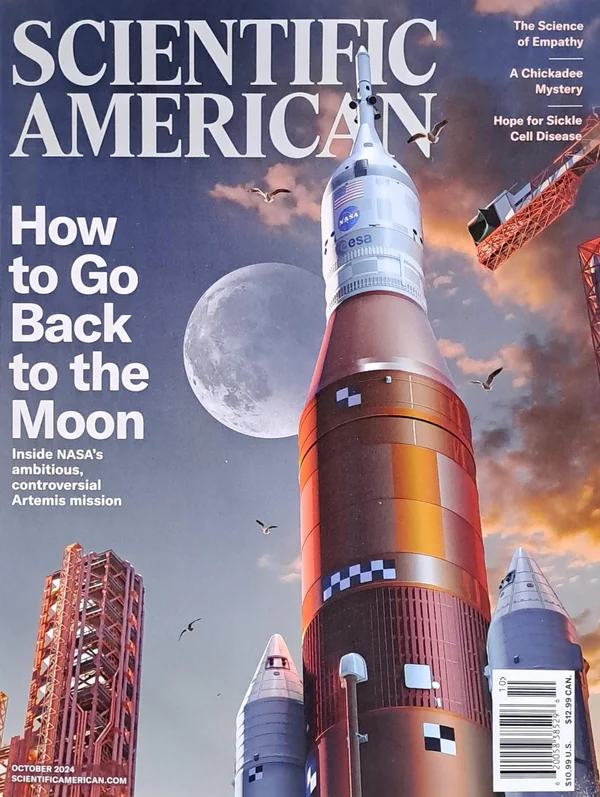

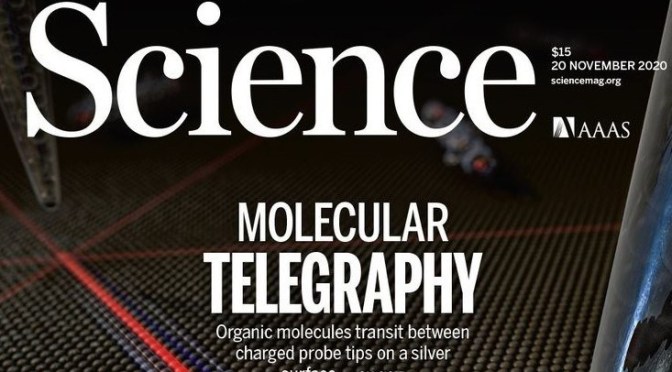
Scientific American (September 16, 2024): The October 2024 issue features ‘How To Go Back To The Moon’ – Inside NASA’s ambitious, controversial Artemis mission; The science of Empathy and Hope for Sickle Cell Disease…

Scientific American (September 16, 2024): The October 2024 issue features ‘How To Go Back To The Moon’ – Inside NASA’s ambitious, controversial Artemis mission; The science of Empathy and Hope for Sickle Cell Disease…
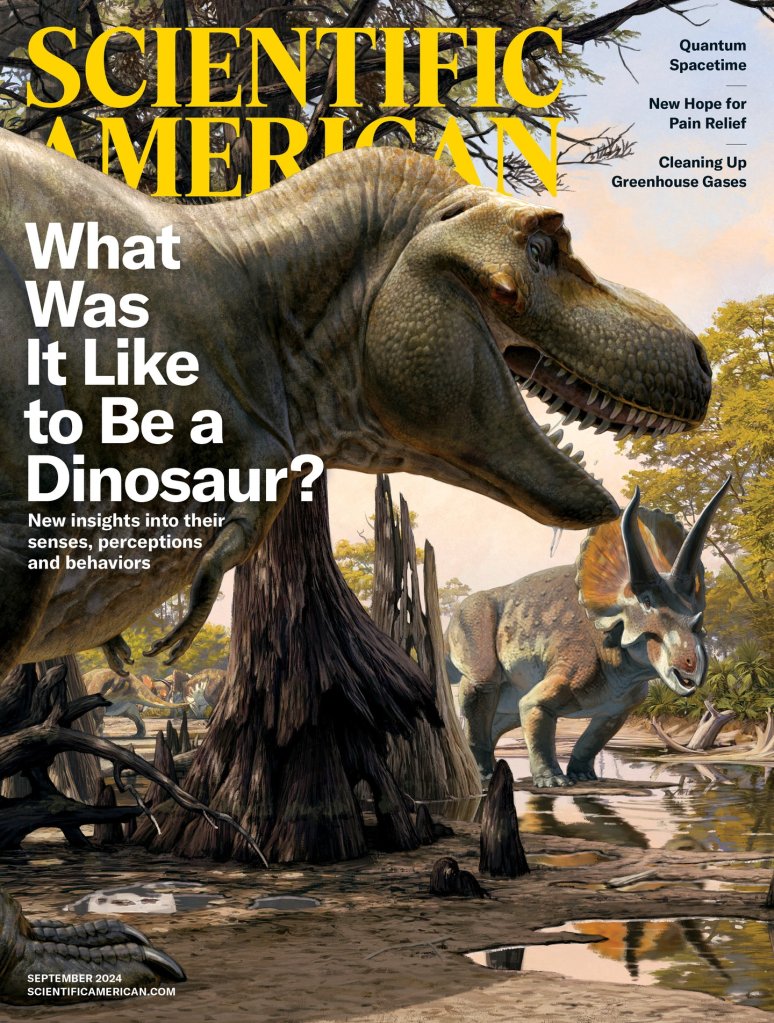
Scientific American (August 21, 2024): The September 2024 issue features ‘What Was It Like To Be A Dinosaur? – New insights into their senses, perceptions and behaviors…
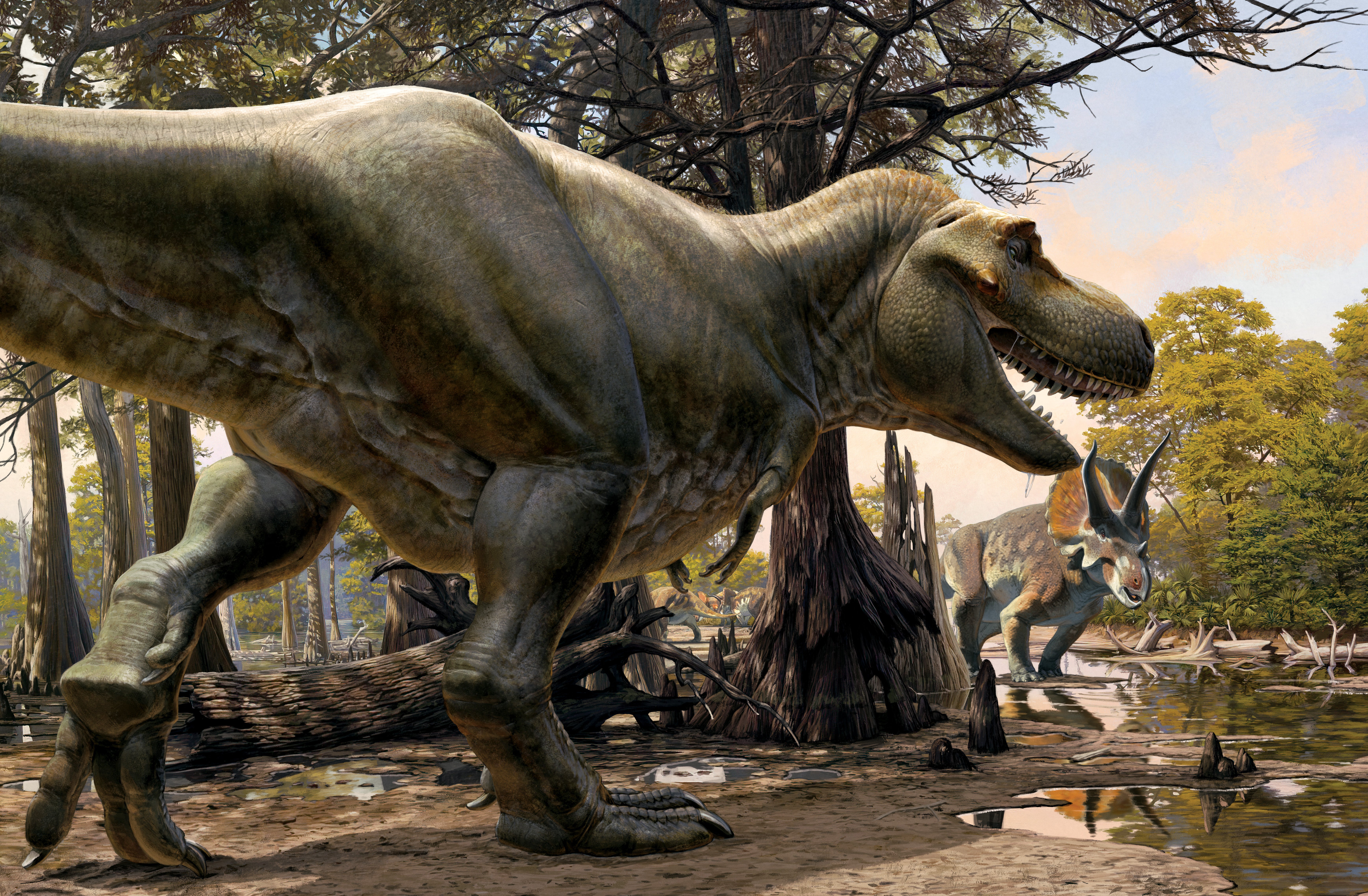
New fossils and analytical tools provide unprecedented insights into dinosaur sensory perception by Amy M. Balanoff, Daniel T. Ksepka
Alone Tyrannosaurus rexsniffs the humid Cretaceous air, scenting a herd of Triceratops grazing beyond the tree line. As the predator scans the floodplain, its vision suddenly snaps into focus. A single Triceratops has broken off from the herd and wandered within striking distance. Standing motionless, the T. rex formulates a plan of attack, anticipating the precise angle at which it must intersect its target before the Triceratops can regain the safety of the herd. The afternoon silence is shattered as the predator crashes though the low branches at the edge of the forest in hot pursuit.
T. rex has hunted Triceratops in so many books, games and movies that the encounter has become a cliché. But did a scene like this one ever unfold in real life? Would T. rex identify its prey by vision or by smell? Would the Triceratops be warned by a loudly cracking branch or remain oblivious because it was unable to locate the source of the sound? Could T. rex plan its attack like a cat, or would it lash out indiscriminately like a shark?

Dark matter has turned out to be more elusive than physicists had hoped by Tracy R. Slatyer, Tim M. P. Tait
Nick Huggett, Carlo Rovelli
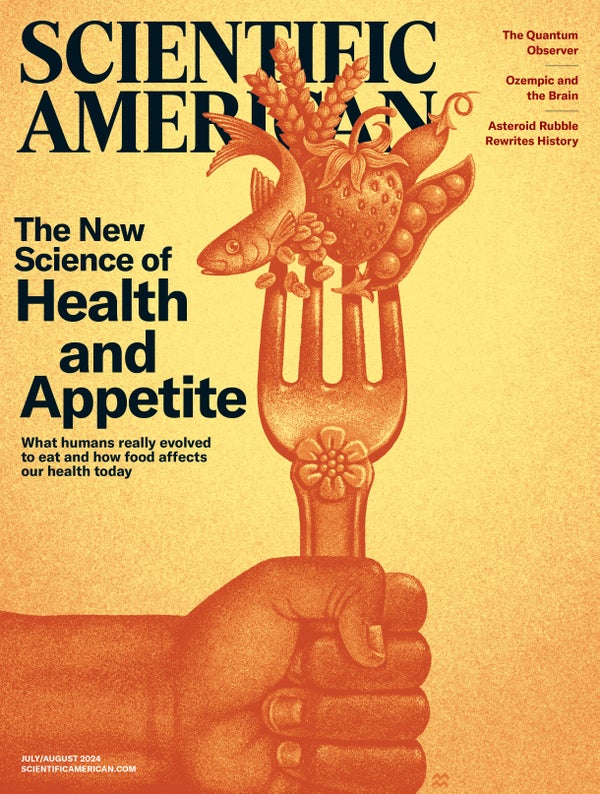
Scientific American (June 26, 2024): The July/August 2024 issue features The New Science of Health and Appetite – What humans really evolved to eat and how food affects our health today…
Nutrition influencers claim we should eat meat-heavy diets like our ancestors did. But our ancestors didn’t actually eat that way
“Heavy and healthy” can be a rare or common condition. But either way it may signal that some excess weight is just fine
Blockbuster weight-loss drugs are revealing how appetite, pleasure and addiction work in the brain
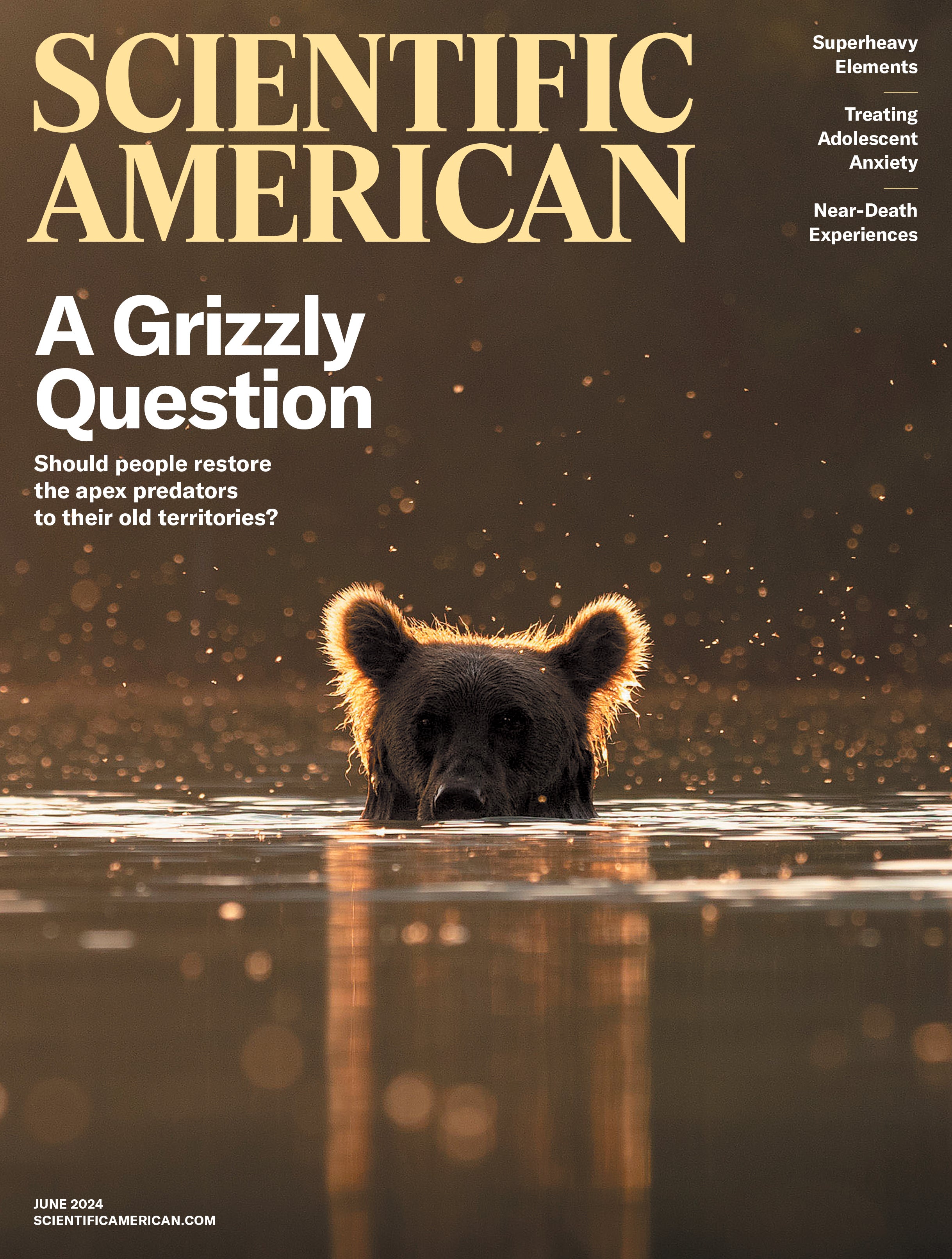
Scientific American (May 15, 2024): The June 2024 issue features:
BENJAMIN CASSIDY
RACHEL NUWER
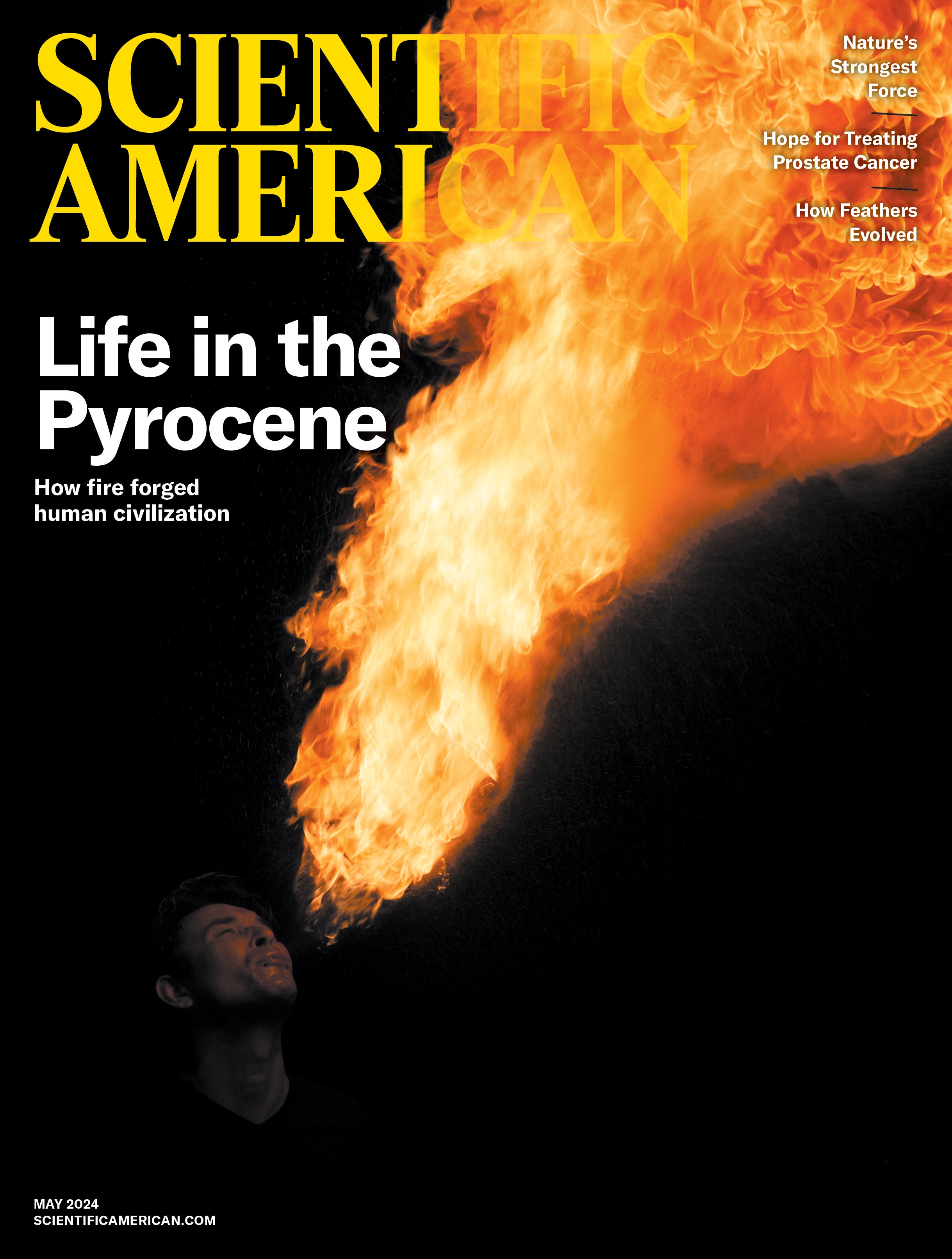
Ancient prophecies of worlds destroyed by fire are becoming realities. How will we respond?
New discoveries demystify the bizarre force that binds atomic nuclei together
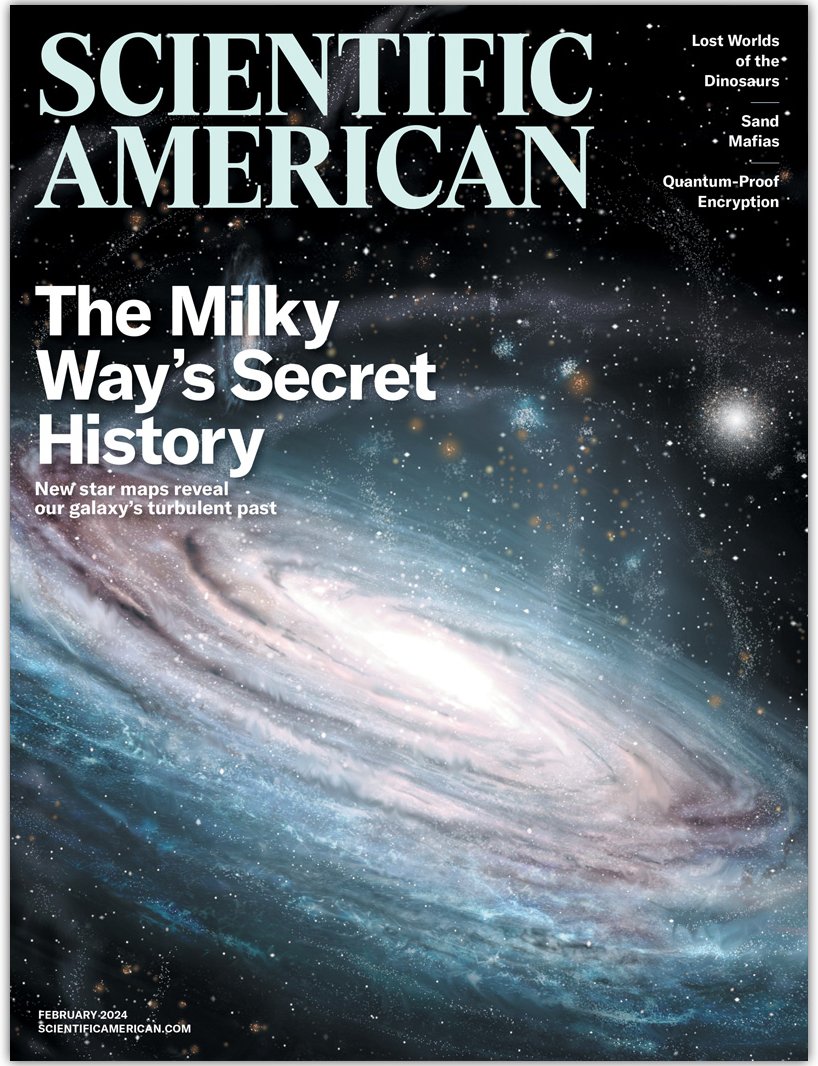
The latest star maps are rewriting the story of our Milky Way, revealing a much more tumultuous history than astronomers suspected
To understand why the universe is made of matter and not antimatter, physicists are looking for a tiny signal in the electron
Special assemblages of minuscule fossils bring dinosaur ecosystems to life
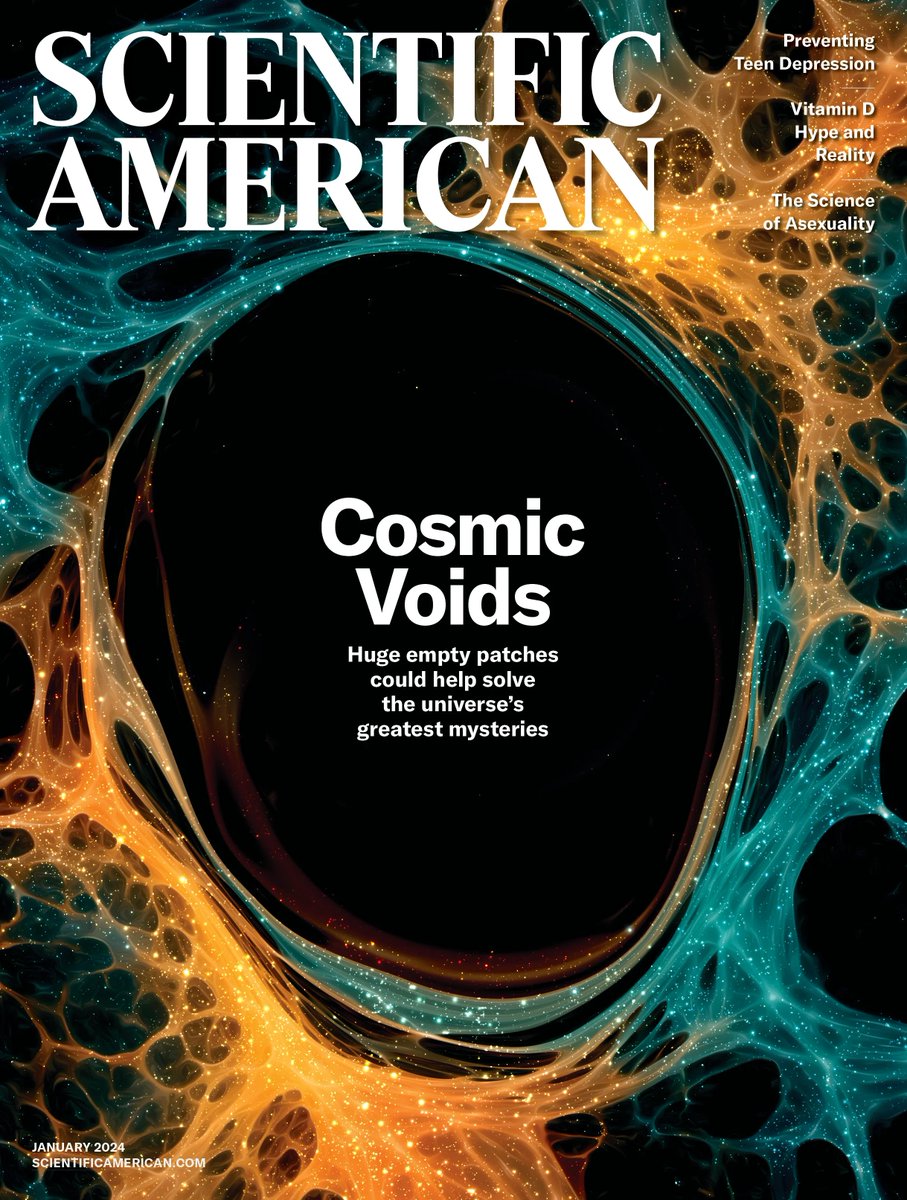
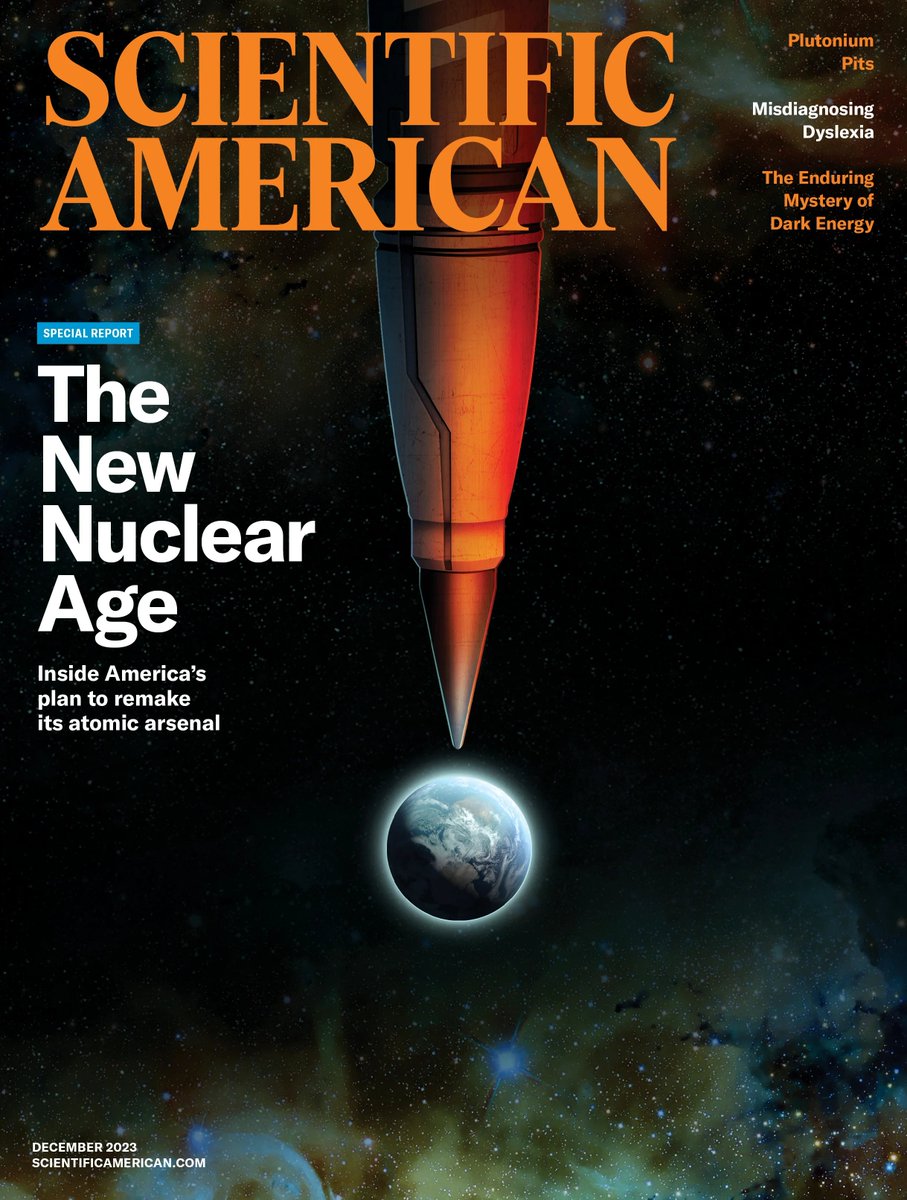
A quarter of a century after detecting dark energy, scientists are still trying to figure out what it is
One afternoon in early 1994 a couple of astronomers sitting in an air-conditioned computer room at an observatory headquarters in the coastal town of La Serena, Chile, got to talking. Nicholas Suntzeff, an associate astronomer at the Cerro Tololo Inter-American Observatory, and Brian Schmidt, who had recently completed his doctoral thesis at the Center for Astrophysics | Harvard & Smithsonian, were specialists in supernovae—exploding stars. Suntzeff and Schmidt decided that the time had finally come to use their expertise to tackle one of the fundamental questions in cosmology: What is the fate of the universe?

A road trip through the communities shouldering the U.S.’s nuclear missile revival
BY ABE STREEP
The point of the thing was to forever change our concept of power. When the U.S. military assembled a team of scientists, led by physicist J. Robert Oppenheimer, to build a nuclear bomb during World War II with the hope of beating the Nazis to such a terrible creation, many of those involved saw their efforts as a strange kind of civic destiny. The Manhattan Project, wrote Richard Rhodes, Pulitzer-winning author of The Making of the Atomic Bomb, was “compelled from the beginning not by malice or hatred but by hope for a better world.” Oppenheimer himself once said, “The atomic bomb was the turn of the screw. It made the prospect of future war unendurable. It has led us up those last few steps to the mountain pass; and beyond there is a different country.”
From a New York Times online article (February 13, 2020):
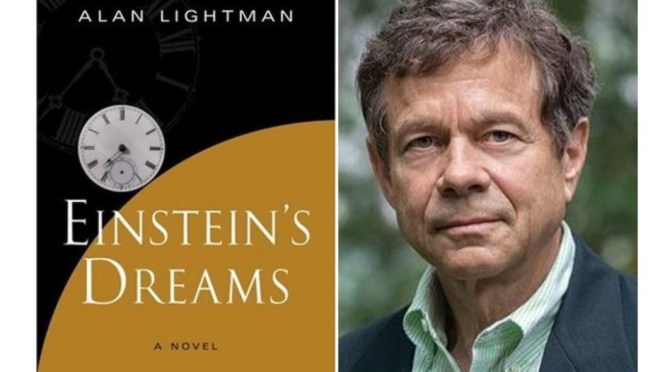
“I love physics, but what was even more important to me was leading a creative life,” Dr. Lightman said. “And I knew that writers could continue doing their best work later in life.”
Lightman is best known in literary circles for his 1992 novel, “Einstein’s Dreams,” which is all about the vicissitudes – romantic, physical and otherwise – of time. It recounts the nightly visions of a young patent clerk in Bern, Switzerland, as he struggles to finish his theory of relativity.
But before that, Dr. Lightman was an astrophysicist, a card-carrying wizard of space and time, with a Ph.D. from the California Institute of Technology and subsequent posts at Cornell and Harvard In 1989, at the peak of his prowess as a physicist, he began to walk away from the world of black holes to enter the world of black ink and the uncertain, lonely life of the writer.
Recently he was in New York for the opening of “Einstein’s Dreams,” an off-Broadway play based on his book. There have been dozens of such stage adaptations over the last 30 years.
 Boomers Daily