Tag Archives: Astronomy

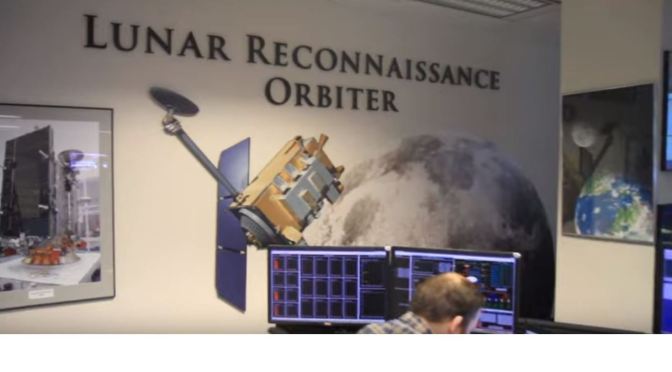
Space Exploration: NASA Goddard “Modernizing For The Future” (Video)

“We are modernizing Goddard Space Flight Center (GSFC) and its six sites for the future. A comprehensive Facilities Master Plan is an essential element in developing a blueprint for the future of our Center. Goddard recognizes the importance of fostering a work environment that is enjoyable, rewarding and aligned with meeting the challenges of tomorrow. The Master Plan will develop the infrastructure to support our business goals and missions, inform future investment decisions and respond to the growth and diversity of our mission and customer requirements. Its content will be informed by site visits, stakeholder interviews and workshops at all campuses, starting at the Greenbelt campus. This will be followed by similar efforts at the Columbia Scientific Balloon Facility in Texas, White Sands Complex in New Mexico, Wallops Flight Facility in Virginia, Goddard Institute for Space Studies in New York, and Katherine Johnson Independent Verification & Validation Facility in West Virginia.Goddard’s master plan process is scheduled to continue through 2021.

Website: https://www.nasa.gov/goddard
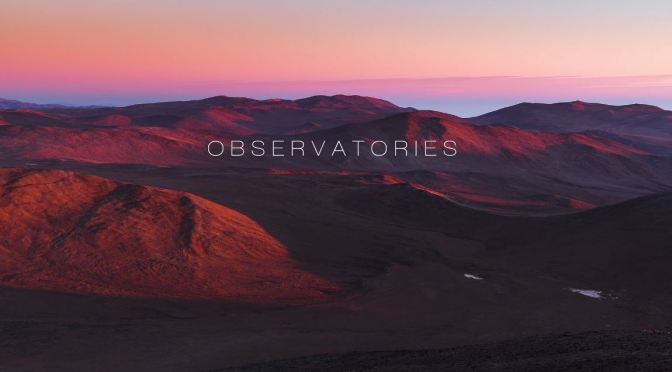
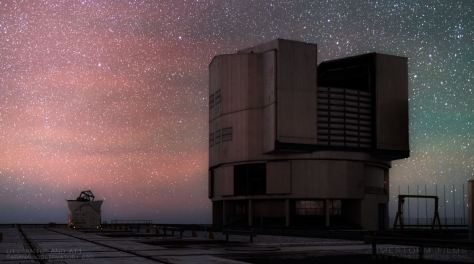
Top Timelapse Videos: “Observatories – ESO” In Chile By Martin Heck

Filmed, Edited and Directed by: Martin Heck

Music: “Chasing Time” by David A. Molina

Observatories European Southern Observatory ESO in Chile timelapse video by Martin Heck 2019

Part two of a series of journeys to the big astronomical observatories of this planet. In this video: The Paranal Observatory and the Atacama Large Millimeter Array – ALMA. With some of the biggest ground-based telescopes on earth, the observatories of the European Southern Observatory in Chile are at the bleeding edge of astronomical research. These incredibly complex machines, operating synchronized and precisely in the very remote and hostile environments of the Atacama Desert and Andes, enable deep views into the universe.

All the sequences were shot in only 4 nights in total, but on two trips in 2017 and 2019.

Website: https://timestormfilms.net/

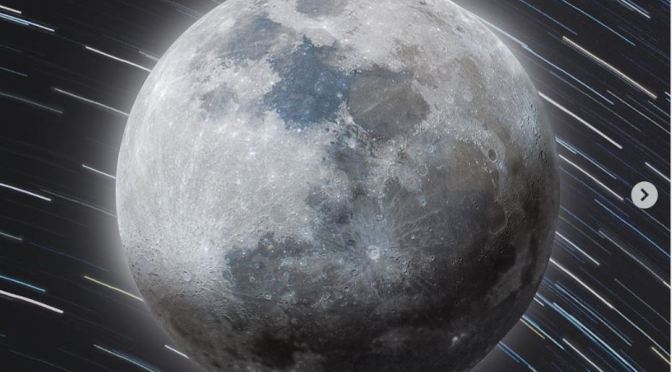
Photography: “Stunning” 52-Megapixel Photos Of Moon By Eric Morgunov

From an Interesting Engineering online article:

Morgunov said, “This picture is two different types of photos, a long exposure (to capture earthshine) and a fast shutter to capture the illuminated side.”

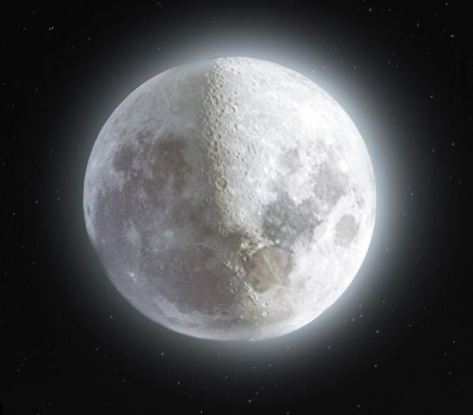
Eric Morgunov 52 Megapixel Photo of the Moon Using 500 Images

He continued to explain the additional images he used, which created the final piece: “The illuminated side is 500 photos of 1/60 at 100iso, was stacked and sharpened in autostakertt3 and registax6. The earthshine was around 15 photos at 3-second expo w/ 1600iso stacked and sharpened in autostakertt3 and registax6. I blended the two photos together in photoshop (a lot more work then it seems) added a star trail background gave it glow.”

https://www.instagram.com/ericmorgunov/

Eric Morgunov’s image of the Moon stands out for one main reason: it’s 500 pictures of the Moon brought together to create one incredible 52 megapixel photograph.

To read more: https://interestingengineering.com/man-creates-amazing-52-megapixel-photo-of-the-moon-using-500-images?_source=newsletter&_campaign=23rY2Mo8goQjd&_uid=46dBBxnxd7&_h=0c209d493fa27bb2c39469a873cbbd733289c833&utm_source=newsletter&utm_medium=mailing&utm_campaign=Newsletter-19-11-2019

Top Science Podcasts: Measles Wipes Out Immune System Memory, Black Holes (Science Magazine)

scimag_pc_logo_120_120 (2)Measles is a dangerous infection that can kill. As many as 100,000 people die from the disease each year. For those who survive infection, the virus leaves a lasting mark—it appears to wipe out the immune system’s memory. News Intern Eva Fredrick joins host Sarah Crespi to talk about a pair of studies that looked at how this happens in children’s immune systems.

In our second segment this week, Sarah talks with Todd Thompson, of Ohio State University in Columbus, about his effort to find a small black hole in a binary pair with a red giant star. Usually black holes are detected because they are accruing matter and as the matter interacts with the black hole, x-rays are released. Without this flashy signal, black hole detection gets much harder. Astronomers must look for the gravitational influence of the black holes on nearby stars—which is easier to spot when the black hole is massive. Thompson talks with Sarah about a new approach to finding small, noninteracting black holes.

https://www.sciencemag.org/podcast/how-measles-wipes-out-immune-memory-and-detecting-small-black-holes