 nature Magazine Science Book Reviews – May 15, 2023: Prejudice in technology, and the necessity of time. Andrew Robinson reviews five of the best science picks.
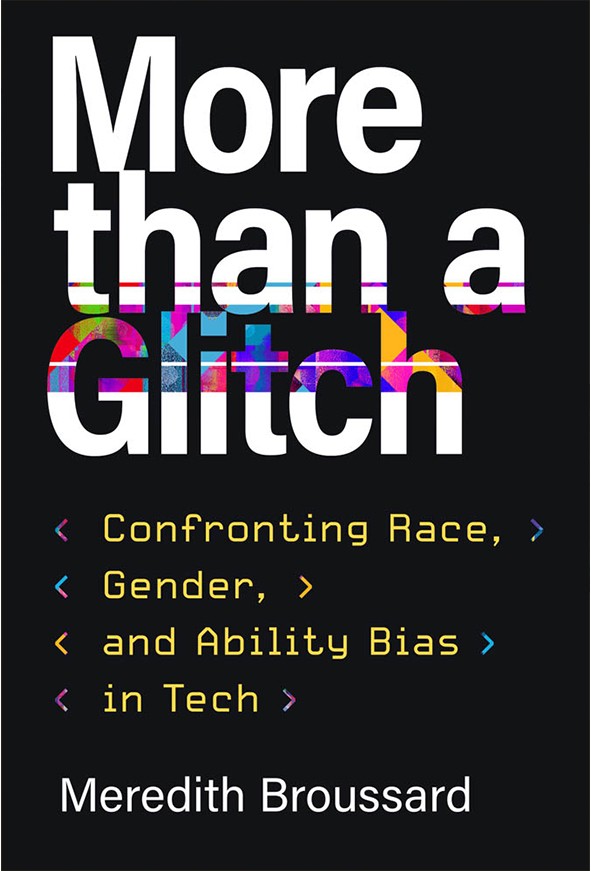
More Than a Glitch
Meredith Broussard – MIT Press (2023)
An artificial-intelligence (AI) ‘glitch’ is a problem neither expected nor consequential. Bias, by contrast, is baked in and disastrous, argues data scientist Meredith Broussard, one of very few Black women in this field, who focuses on AI and journalism. “Tech is racist and sexist and ableist because the world is so,” she says. Vivid examples in her disturbing book include that of a man arrested by US police using facial-recognition technology — purely because both he and the suspect in a blurry surveillance photo were Black.
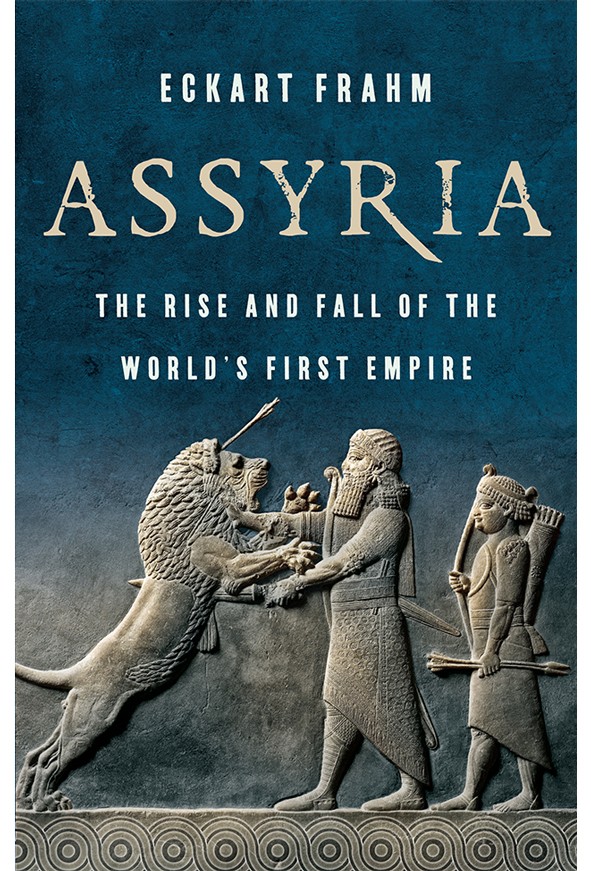
Assyria
Eckart Frahm – Basic (2023)
The world’s first empire flourished in Assyria in the eighth and seventh centuries bc, and has long been seen as the epitome of barbarism. But, as Assyriologist Eckart Frahm reveals in his deeply informed, challenging history, Assyria produced many features of the modern world. Its innovations included long-distance trade, sophisticated communications networks, mass deportations and widespread political surveillance. Unlike most later empires, he writes, it was at least honest in its “open celebration of plunder, torture, and murder”.
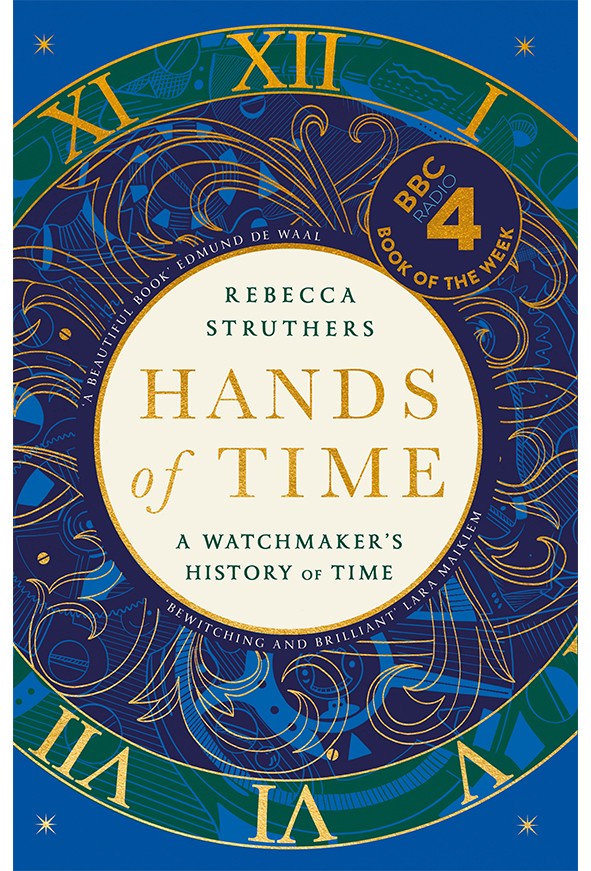
Hands of Time
Rebecca Struthers – Hodder & Stoughton (2023)
‘Time’ is “the most commonly used noun” in English, according to Rebecca Struthers, the first professional watchmaker in the United Kingdom to earn a PhD in horology. Each chapter of her exquisitely crafted history explores a pivotal moment in watchmaking from the past 500 years. Mechanical timekeepers, she argues, have influenced human culture as much as the printing press. Imagine trying to catch a train by depending on the Sun’s position, or to perform an organ transplant without measuring the patient’s heart rate precisely.
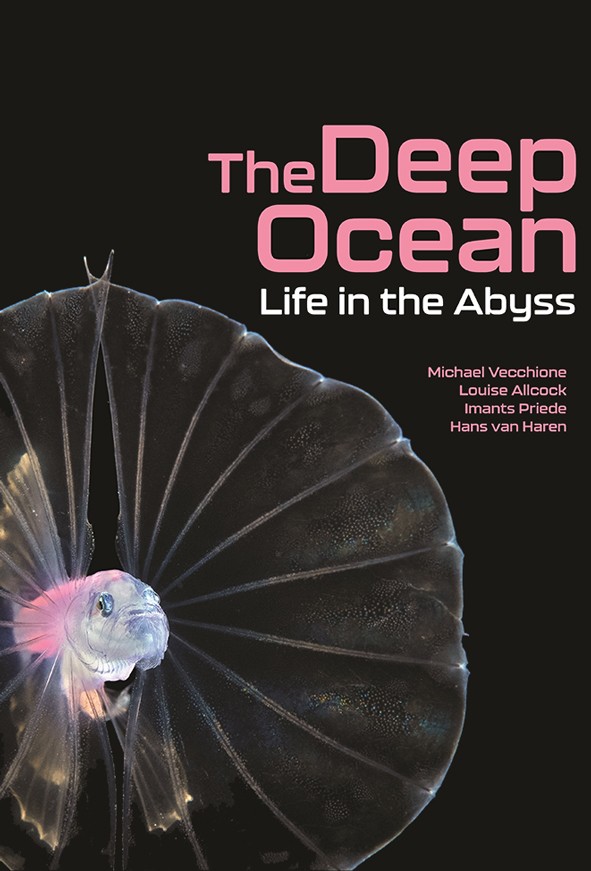
The Deep Ocean
Michael Vecchione et al. Princeton Univ. Press (2023)
“For most people, the deep ocean is out of sight and out of mind,” write three zoologists and an oceanographer. The zone starts where penetration of sunlight can no longer support photosynthesis, about 200 metres down. This guidebook dissipates ignorance with superb colour photographs of astonishing organisms, accompanied by detailed captions and brief essays. For example, the vampire squid (Vampyroteuthis infernalis) is neither vampire nor squid, but was so named because its black ‘cloak’ reminded scientists of Dracula.
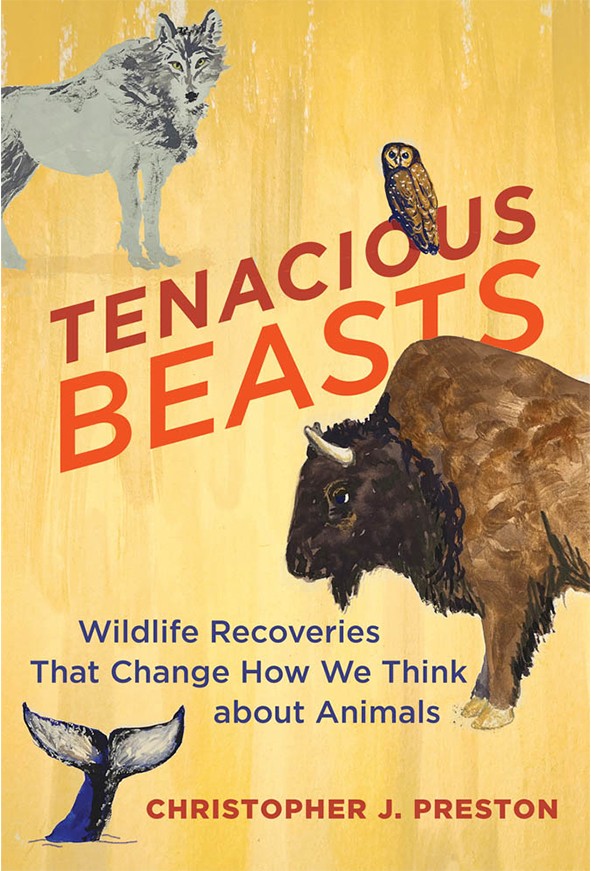
Tenacious Beasts
Christopher J. Preston – MIT Press (2023)
Humans and domestic animals make up 96% of the mass of the world’s mammals. The outlook for wildlife “remains dire”, writes philosopher Christopher Preston. But he describes signs of hope in his well-travelled, thoughtful study of recoveries. Populations of humpback whales in the western Indian Ocean have surged since the mid-twentieth century; those of Californian black bears have quadrupled in a few decades. He visits farmland, prairie, river, forest and ocean, exploring why only certain species are recovering.



 Boomers Daily