
Gored in the Afternoon
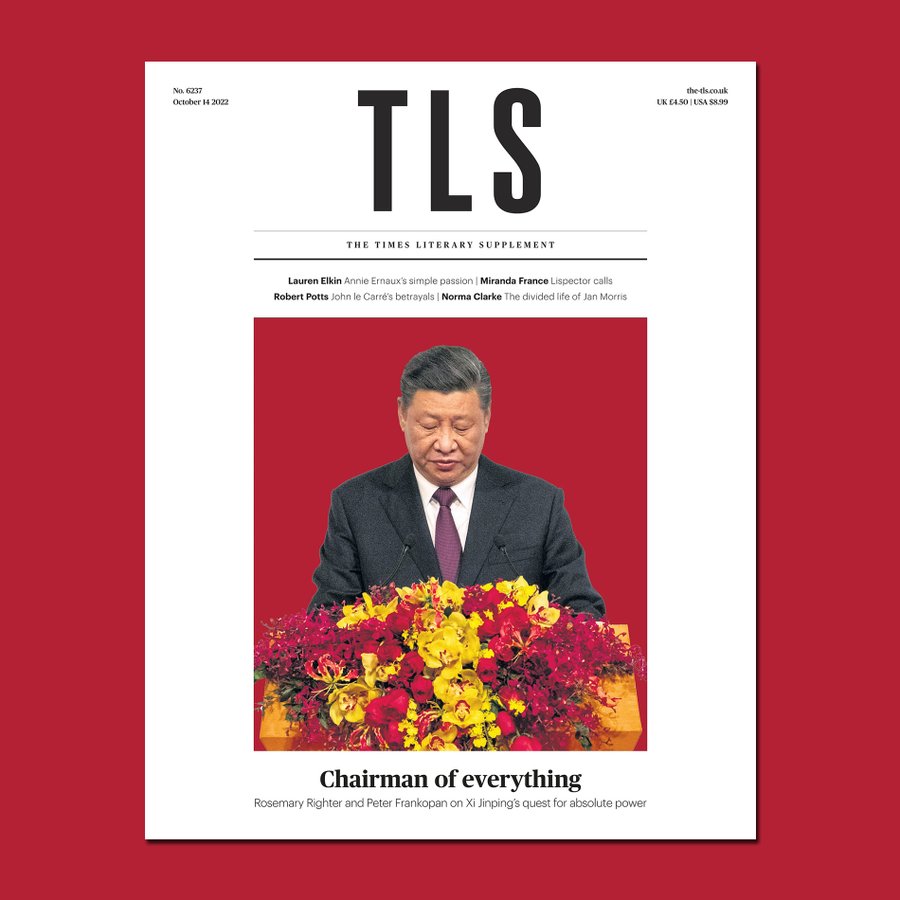
Getting Lost by Annie Ernaux, translated from the French by Alison L. Strayer
Annie Ernaux, the 2022 Nobel Literature laureate, has published a diary of a sublime love affair—both a quest for self-awareness and a desire to escape the self—in which she traces a familiar arc of loss.
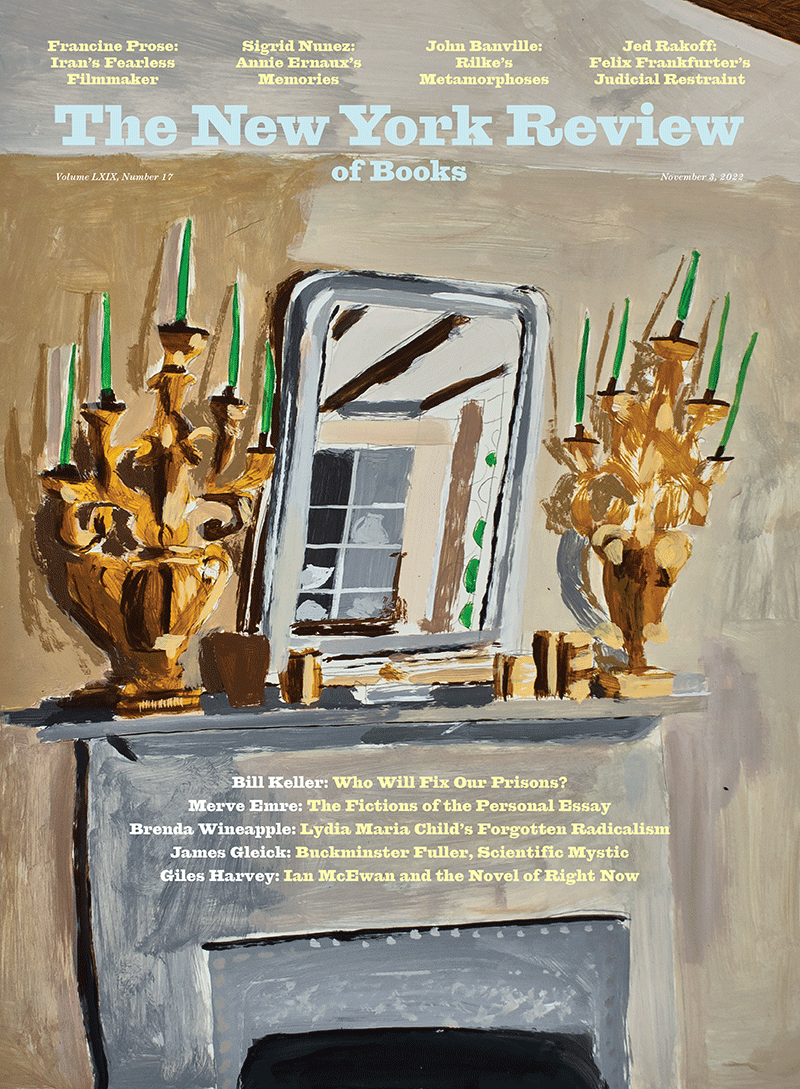
Reform or Abolish?
American prisons are often unjust, inhumane, and ineffective at protecting public safety. Mariame Kaba and Ruth Wilson Gilmore believe they should be eliminated entirely.
We Do This ’Til We Free Us: Abolitionist Organizing and Transforming Justice by Mariame Kaba, edited by Tamara K. Nopper and with a foreword by Naomi Murakawa
Abolition Geography: Essays Towards Liberation by Ruth Wilson Gilmore, edited by Brenna Bhandar and Alberto Toscano
Then What Happened?
Yasmine Seale’s new translation of The Thousand and One Nights has a texture—tight, smooth, skillfully patterned—that make previous versions seem either garish or slightly dull by comparison.
The Annotated Arabian Nights: Tales from 1,001 Nights translated from the Arabic by Yasmine Seale, edited and with an introduction and notes by Paulo Lemos Horta
The Limits of Press Power
To what extent did newspapers influence public opinion in the US and Britain before and during World War II?
The Newspaper Axis: Six Press Barons Who Enabled Hitler by Kathryn S. Olmsted
The Media Offensive: How the Press and Public Opinion Shaped Allied Strategy During World War II by Alexander G. Lovelace
‘We Know What That’s Like’
The filmmaker Jafar Panahi’s recent arrest in Tehran’s notorious Evin prison marks the latest phase in a campaign that the Iranian judiciary has been waging against him for over a decade.
No Bears a film written and directed by Jafar Panahi
A Prisoner of His Own Restraint
Felix Frankfurter was renowned as a liberal lawyer and advocate. Why did he turn out to be such a conservative Supreme Court justice?
Democratic Justice: Felix Frankfurter, the Supreme Court, and the Making of the Liberal Establishment by Brad Snyder
The Illusion of the First Person
A historical survey of the personal essay shows it to be the purest expression of the lie that individual subjectivity exists prior to the social formations that gave rise to it.
 Boomers Daily