

Bracciano is a small town in the Italian region of Lazio, 30 kilometres northwest of Rome. The town is famous for its volcanic lake and for a particularly well-preserved medieval castle Castello Orsini-Odescalchi.
Tag Archives: Village Walks
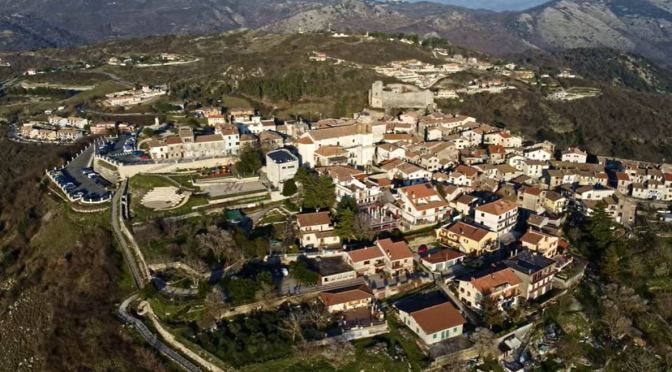
Village Walks: Castel San Pietro Romano, Italy (4K)
Castel San Pietro Romano is a comune in the Metropolitan City of Rome in the Italian region of Latium, located about 35 kilometres east of Rome. In 2017, it had a population of 883.
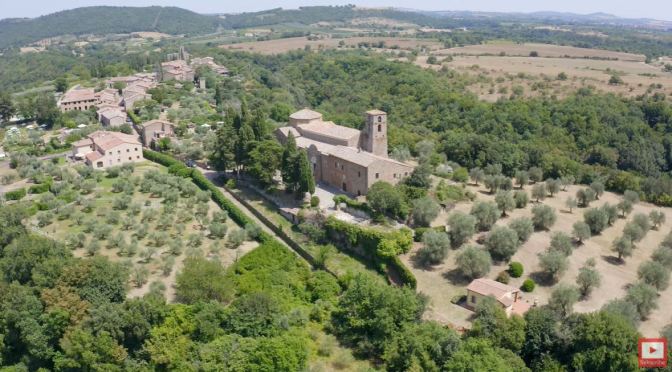
Village Walks: Sovana – Southern Tuscany, Italy
Sovana is a small town in southern Tuscany, Italy, a frazione of Sorano, a comune in the province of Grosseto.
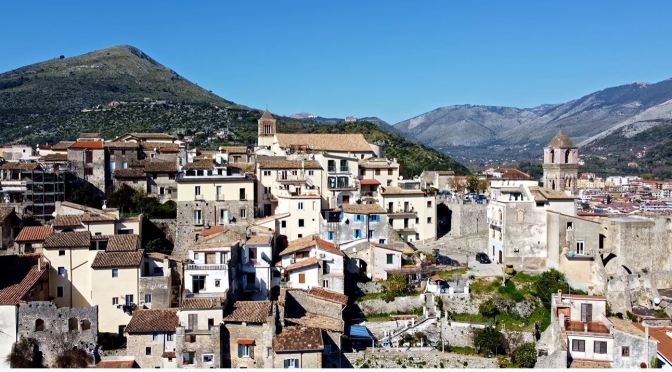
Village Walking Tours: Itri – Central Italy (4K Video)
Itri is a small city and comune the province of Latina, Lazio, central Italy. Itri is an agricultural centre divided in two parts by a small river, the Pontone. It lies in a valley between the Monti Aurunci and the sea, not far from the Gulf of Gaeta.
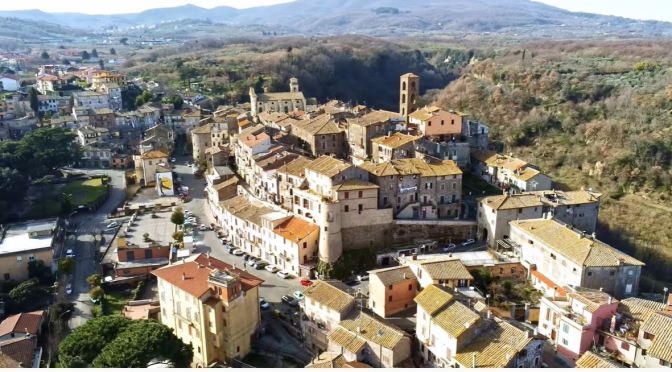
Village Walks: Vallerano – Central Italy (4K Video)
Vallerano is a comune in the Province of Viterbo in the Italian region Latium, located about 60 kilometres northwest of Rome and about 13 kilometres southeast of Viterbo. Vallerano borders the following municipalities: Canepina, Caprarola, Carbognano, Fabrica di Roma, Soriano nel Cimino, Vignanello.
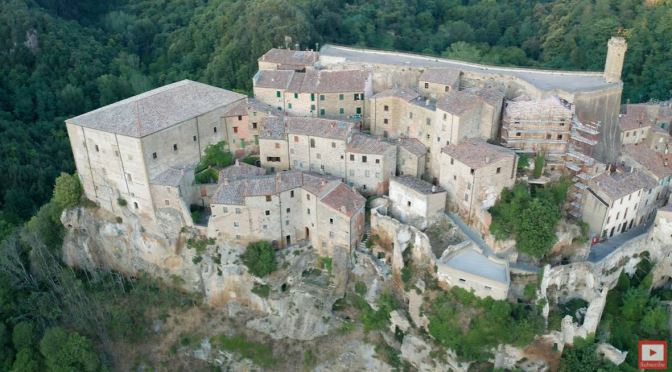
Village Walks: ‘Sorano – Central Italy’ (4K Video)
Sorano is a town and comune in the province of Grosseto, southern Tuscany. It as an ancient medieval hill town hanging from a tuff stone over the Lente River.
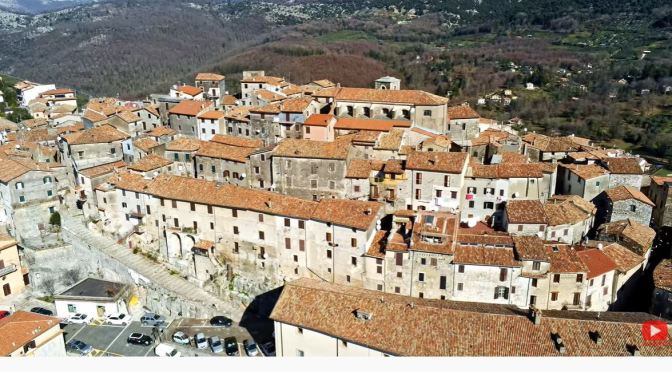
Village Walks: ‘Bassiano – Central Italy’ (Video)
Bassiano is a municipality in the Province of Latina in the Italian region Lazio, located about 60 kilometres southeast of Rome and about 14 kilometres northeast of Latina. As of 31 December 2004, it had a population of 1,664 and an area of 31.6 square kilometres.
𝗧𝗶𝗺𝗲𝗹𝗶𝗻𝗲 🔻 0:00 – [Drone intro] 1:30 – [Walking tour begins / Northern gate] 3:34 – [Via Manunzio] 10:28 – [“Gate of the Holy Souls” / Archangel Micheal – the angel is visible past the gate on the left] 15:00 – [Via Giulio Bernardini] 19:32 – [Gate “Decarcia Tower” – holes for the ancient door still visible. On a house nearby there is scupted the head of God Fauno] 21:20 – […tour continues…] 24:12 – [Beautiful view on stone stairs] 30:00 – [Beautiful little square] 31:28 – [St.Erasmus Square & Chrcuh (closd unfortunately)] 33:20 – […tour continues…] 34:34 – [Suggestive interior hallway] 35:20 – […tour continues…] 39:50 – [*Poem on Bassiano* – 𝘁𝗿𝗮𝗻𝘀𝗹𝗮𝘁𝗶𝗼𝗻 𝗶𝗻 𝗰𝗮𝗽𝘁𝗶𝗼𝗻𝘀] 41:29 – [Via Manunzio] 43:04 – [Inside the town again] 46:25 – [Northern wall hallway] 49:05 – [Outside the Walls / Monument to the fallen soldiers of the town]
The history of Bassiano certainly begins around the 10th century and starts with a small group of shepherds and farmers forced to take refuge in this place completely covered by the view of the plain, due to the continuous barbarian raids. The first written records of Bassiano date back to 1169. In a document found in the archive of the collegiate church of Santa Maria in Sermoneta, reference is made to the recovery of the Castrum stolen by deception by a certain Gregorio Leonis from a Lord of Bassiano. 𝗠𝗶𝗱𝗱𝗹𝗲 𝗔𝗴𝗲𝘀 In 1240, Pope Gregory IX appointed Tasmondo Annibaldi as Lord of the Castles of Sermoneta and Bassiano, to thank him for the help received against the invasion attempts of Frederick II. The Annibaldi ruled the town until 1297 when the castle passed into the possession of the Caetani who ruled it until the fiefs were abolished, except for a decade (1492 – 1502) in which the Borgias ruled. The history of Bassiano is profoundly marked by the action of the spiritual movements of the 13th and 14th centuries, which were the promoters of a social renewal, also by the Knights Templar who, it is believed, have left the mark of their passage here. 𝗥𝗲𝗻𝗮𝗶𝘀𝘀𝗮𝗻𝗰𝗲 It was only at the beginning of the 16th century that the Caetani, with the construction of the Baronial palace, left an imprint of their dominion on the land of Bassiano. It was Bonifacio Caetani who in 1554 had an important palace built, as a refuge from the dangers of the swamp and a place of treatment for his ill health. The palace incorporates in its interior houses and medieval shops that the Caetani had bought in the 15th century in the “Porta salamandra” area which was the main access road to the Castrum. Important citizen of the town is the humanist typographer Aldo Manuzio.
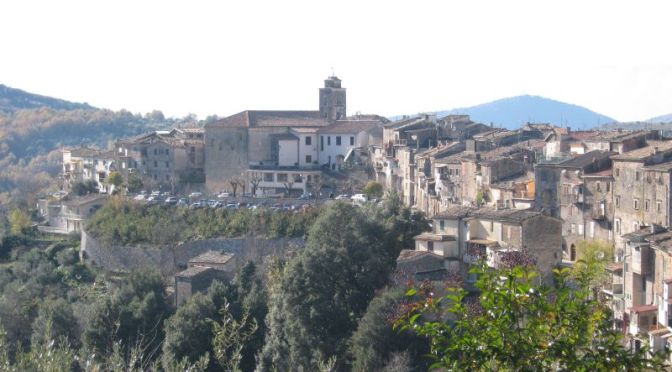
Walks: ‘Collepardo In Central Italy’ (Video)
Collepardo is a small commune and town located in the Lazzio region in Italy in the province of Frosinone. The town is located close to Rome and Frosinone. The area of Collepardo is 25 sq. km and the population is close to 950.
Collepardo is not really a tourist destination; however, several people who visit Rome and Frosinone come to Collepardo as a day excursion. The economy of the town is based on agriculture and production of olive oil. The locals in town have a laid back lifestyle and the village like atmosphere is what attracts many people to Collepardo.
 Boomers Daily