


Nature podcast discusses: Mapping the migration of the Vikings, a leading Covid-19 vaccine trial was abruptly halted and the world’s smallest ultrasound device.
In this episode:
00:45 Following the Viking footprint across Europe
To better understand who the Vikings were, and where they went, researchers have mapped genomes from hundreds of archaeological artifacts. Research Article: Margaryan et al.
08:00 Coronapod
Phase III trials of a leading coronavirus vaccine were abruptly paused last week – we discuss how news of the event leaked out, and the arguments for transparency in clinical trials. News: A leading coronavirus vaccine trial is on hold: scientists react; News: Scientists relieved as coronavirus vaccine trial restarts — but question lack of transparency; If you are involved in a clinical trial for a coronavirus vaccine or treatment, please fill in our survey.
21:05 Research Highlights
A burnt grain silo gives insight into ancient tax collection, and how hummingbirds survive the cold Andean nights. Research Highlight: Ancient tax collectors amassed a fortune — until it went up in smoke; Research Highlight: Why some of the world’s zippiest birds go stiff and cold every night
23:40 Ultra-tiny ultrasound
Scientists have developed an ultrasound detector which is smaller than the wavelength of sound it detects, providing highly detailed imaging at a cellular level; Research Article: ; Research Article: Shnaiderman et al.
29:53 Briefing Chat
We discuss some of the latest stories highlighted in the Nature Briefing. This week we talk about why California has an orange hue, and the strangeness at the edge of the Solar System. Forbes: The Science Behind Mysterious Orange Skies In California; BBC Future: The weird space that lies outside our Solar System
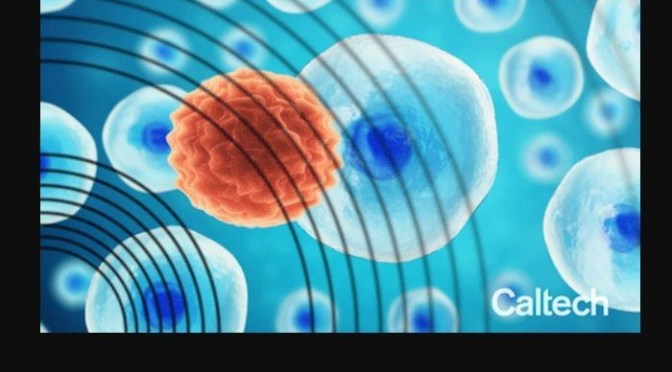
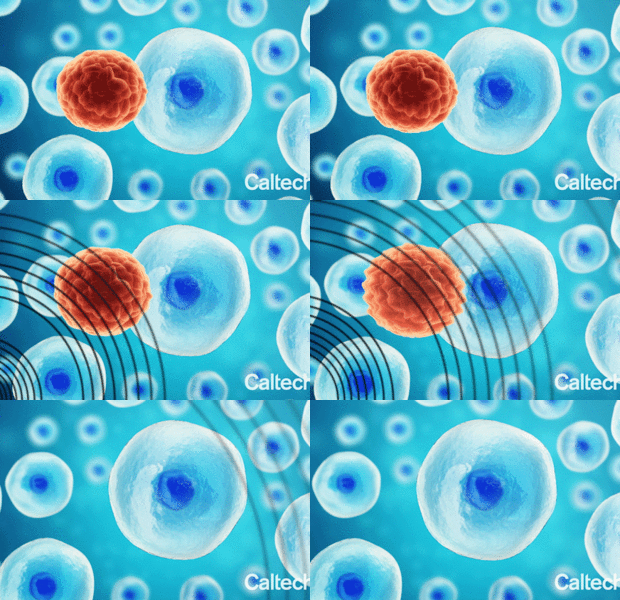 The hope, Lee says, is that ultrasound will kill cancer cells in a specific way that will also engage the immune system and arouse it to attack any cancer cells remaining after the treatment.
 Ultrasound waves—sound waves with frequencies higher than humans can hear—have been used as a cancer treatment before, albeit in a broad-brush approach: high-intensity bursts of ultrasound can heat up tissue, killing cancer and normal cells in a target area. Now, scientists and engineers are exploring the use of low-intensity pulsed ultrasound (LIPUS) in an effort to create a more selective treatment.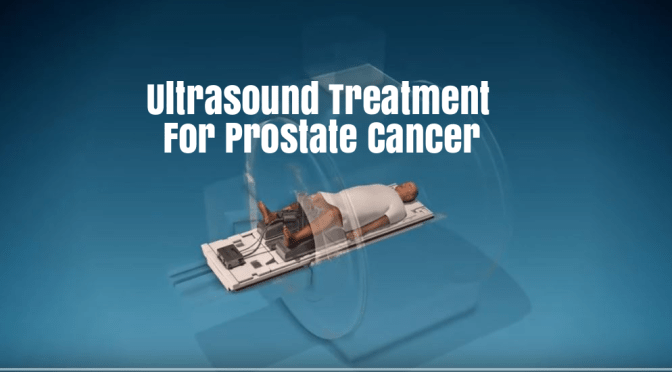
 The TACT Pivotal study of MRI-guided TULSA for whole-gland ablation in men with localized prostate cancer met its primary PSA endpoint in 96% of patients, with low rates of severe toxicity and residual GG2 disease. MRI at 12mo detected residual disease with NPV of 93%.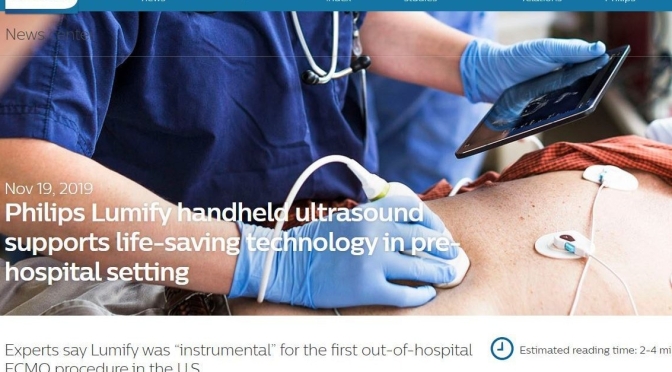
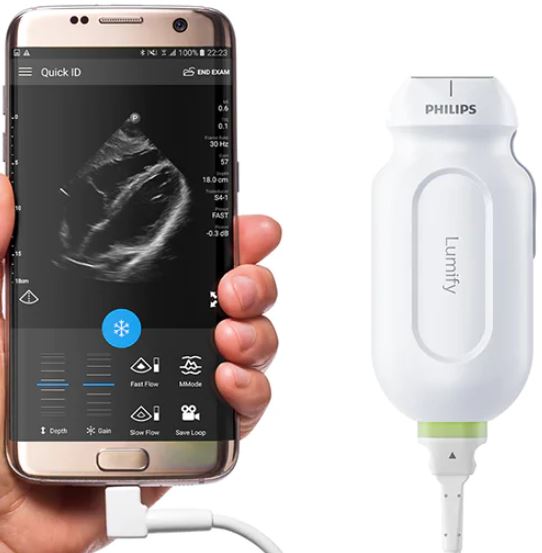 Philips Lumify ultrasound technology is an important component of the mobile ECMO unit. Members of the ECMO team use Lumify for real-time visual guidance when inserting tubes in veins and arteries in a process called ECMO cannulation.
 Boomers Daily