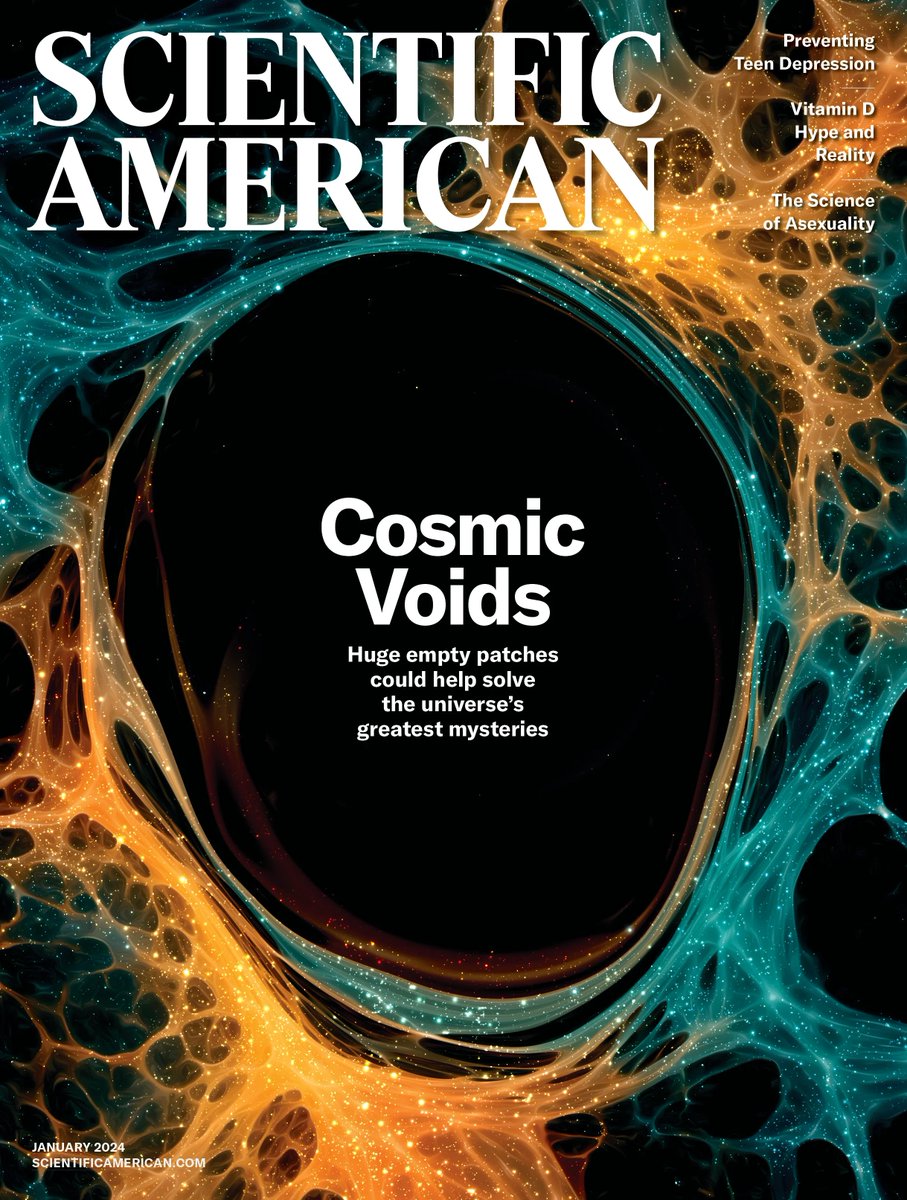



A quarter of a century after detecting dark energy, scientists are still trying to figure out what it is
One afternoon in early 1994 a couple of astronomers sitting in an air-conditioned computer room at an observatory headquarters in the coastal town of La Serena, Chile, got to talking. Nicholas Suntzeff, an associate astronomer at the Cerro Tololo Inter-American Observatory, and Brian Schmidt, who had recently completed his doctoral thesis at the Center for Astrophysics | Harvard & Smithsonian, were specialists in supernovae—exploding stars. Suntzeff and Schmidt decided that the time had finally come to use their expertise to tackle one of the fundamental questions in cosmology: What is the fate of the universe?
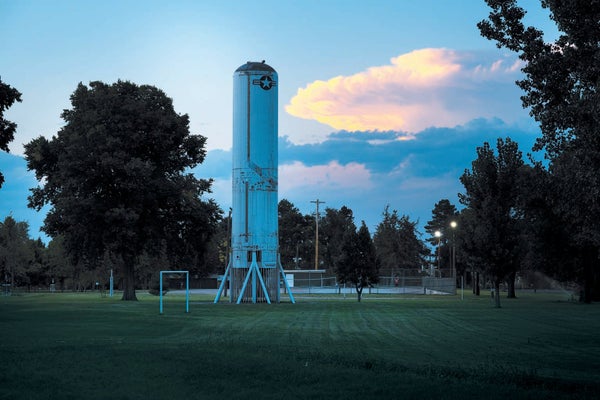
A road trip through the communities shouldering the U.S.’s nuclear missile revival
BY ABE STREEP
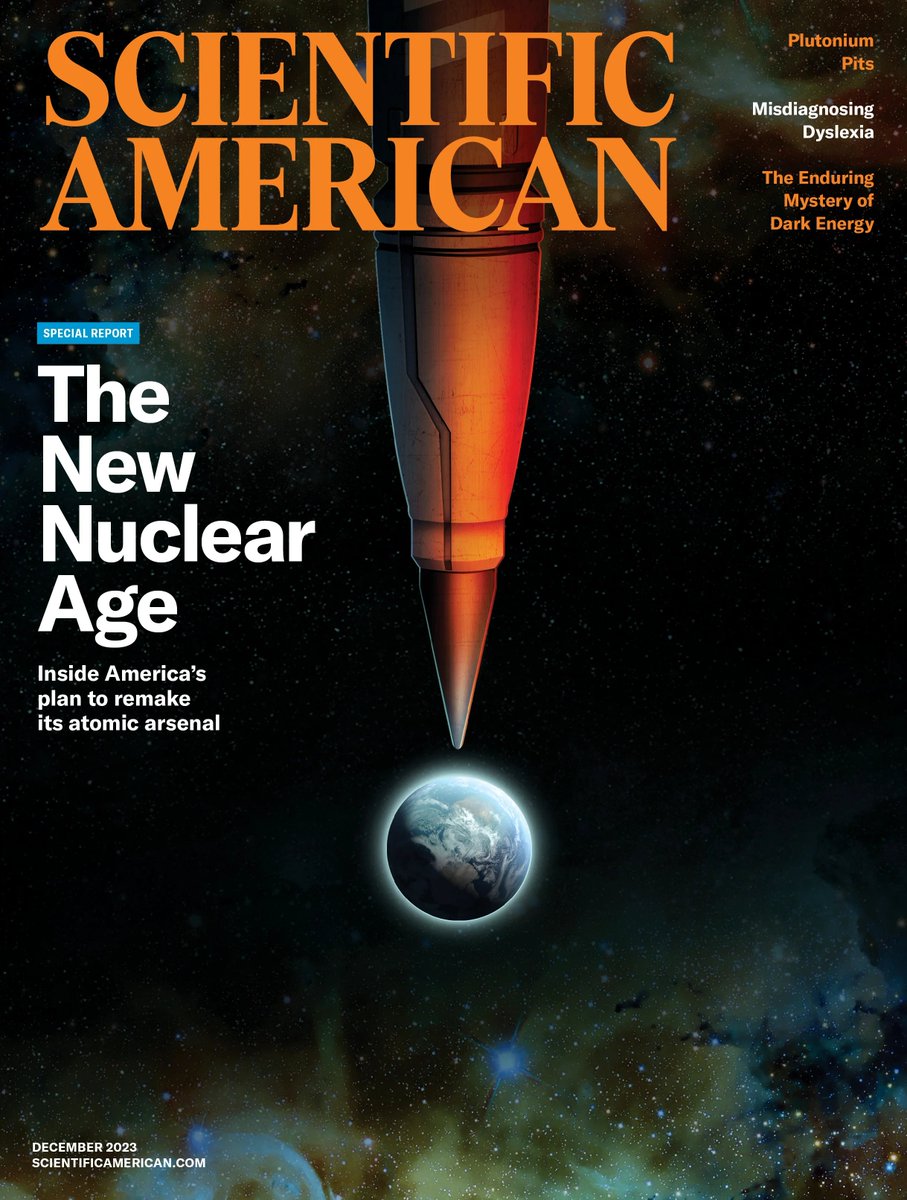
The point of the thing was to forever change our concept of power. When the U.S. military assembled a team of scientists, led by physicist J. Robert Oppenheimer, to build a nuclear bomb during World War II with the hope of beating the Nazis to such a terrible creation, many of those involved saw their efforts as a strange kind of civic destiny. The Manhattan Project, wrote Richard Rhodes, Pulitzer-winning author of The Making of the Atomic Bomb, was “compelled from the beginning not by malice or hatred but by hope for a better world.” Oppenheimer himself once said, “The atomic bomb was the turn of the screw. It made the prospect of future war unendurable. It has led us up those last few steps to the mountain pass; and beyond there is a different country.”
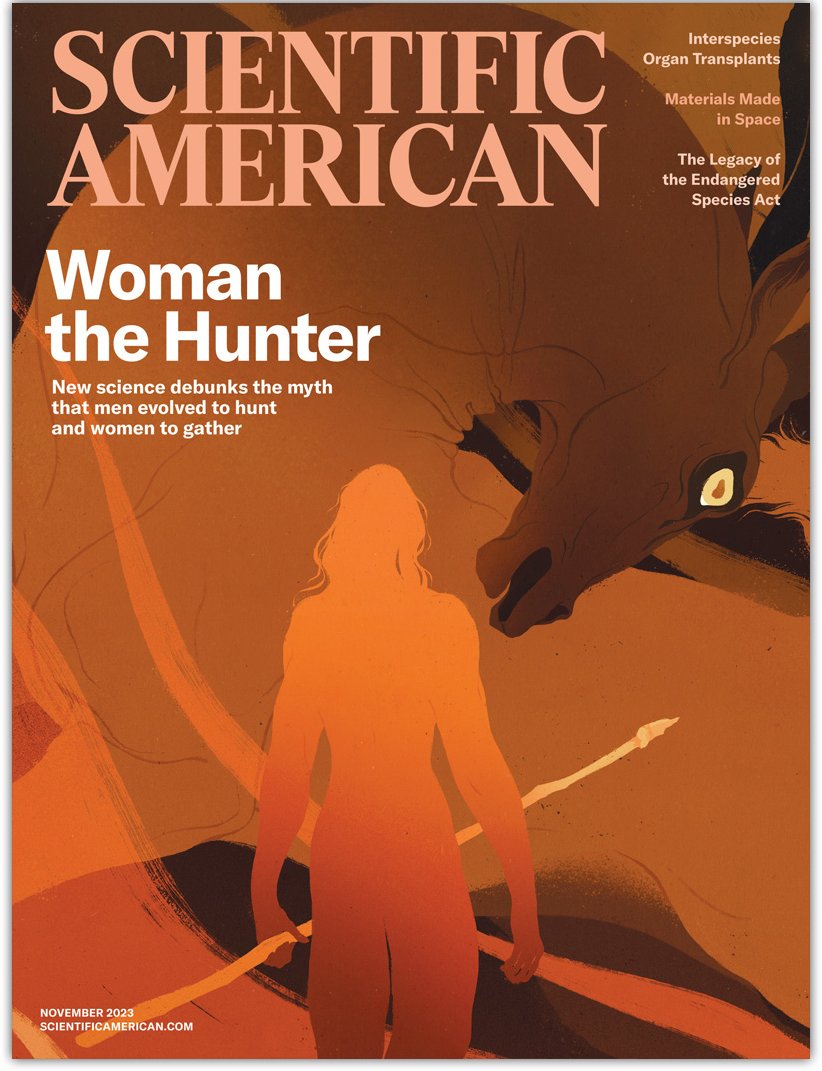

Scary play lets people—and other animals—rehearse coping skills for disturbing challenges in the real world
By Coltan Scrivner and Athena Aktipis
The Endangered Species Act requires that every U.S. plant and animal be saved from extinction, but after 50 years, we have to do much more to prevent a biodiversity crisis

Advances are increasing the supply of organs. But this isn’t enough. Enter the genetically modified donor pig
By Tanya Lewis
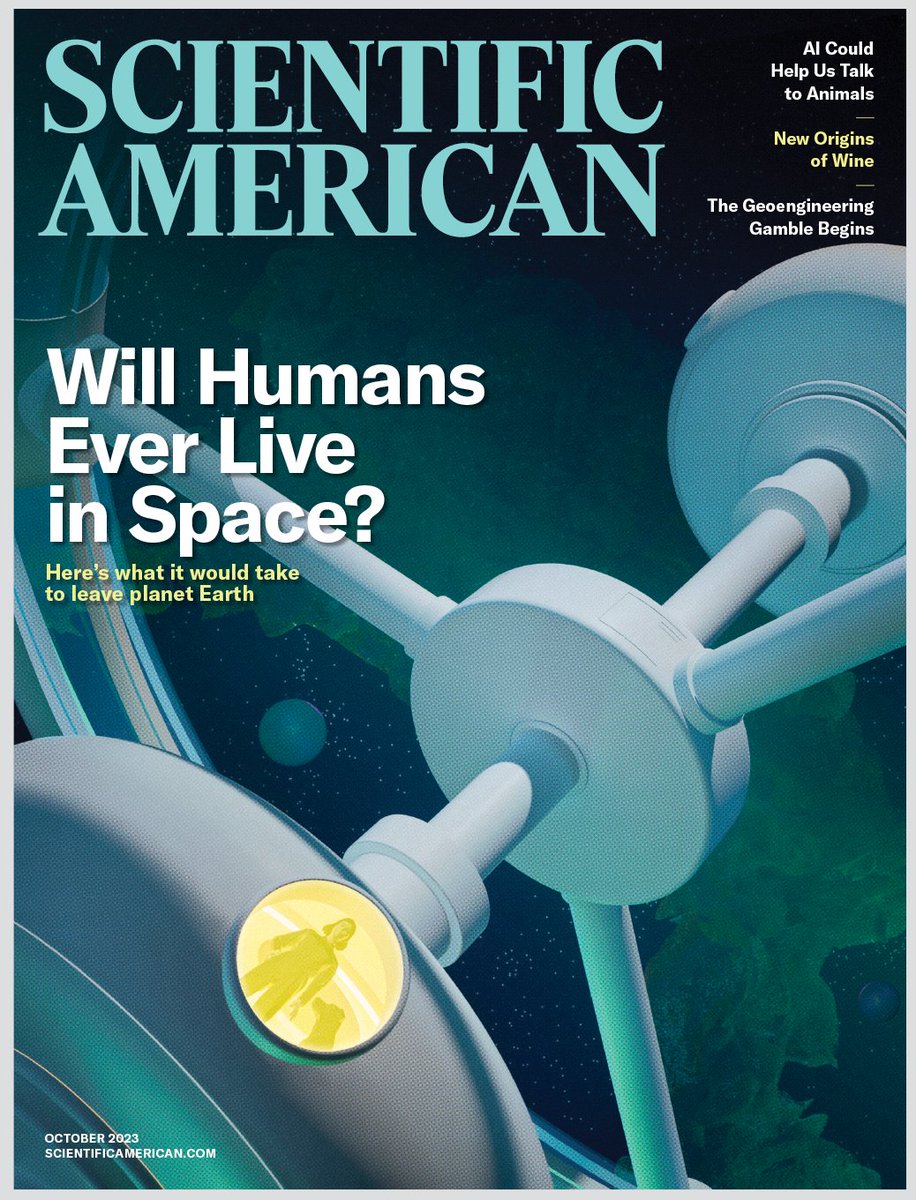
Medical, financial and ethical hurdles stand in the way of the dream to settle in space
By Sarah Scoles

Global warming is so rampant that some scientists say we should begin altering the stratosphere to block incoming sunlight, even if it jeopardizes rain and crops
By Douglas Fox
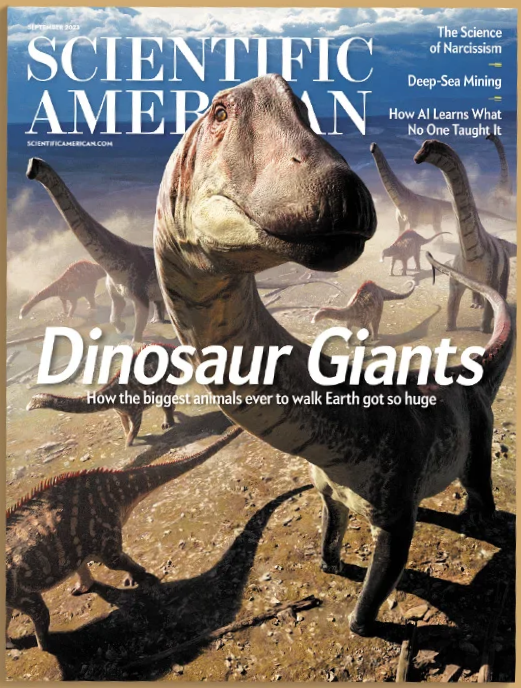
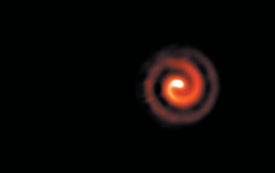
The doomed class of stars named Wolf-Rayets produce mysterious pinwheel shapes
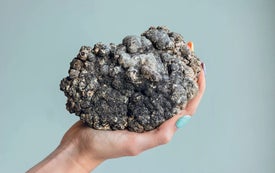
Mining the seafloor could boost global production of clean energy technology—and destroy the ocean in the process
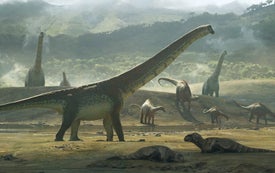
New research hints at how sauropod dinosaurs got to be so gargantuan
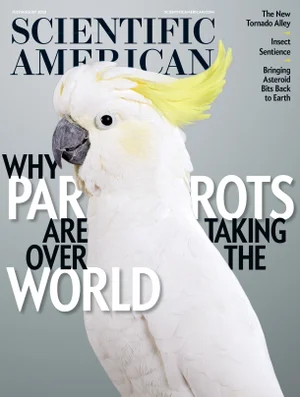

At Brooklyn’s Green-Wood Cemetery the living get as much attention as the dead. Groundskeepers maintain the 478-acre historic landmark as an arboretum and habitat for more than 200 breeding and migratory bird species. But many visiting wildlife lovers aren’t interested in those native birds. They’re at the entryway, their binoculars trained on the spire atop its Gothic Revival arches. They’ve come to see the parrots.

When dangerous heat waves hit cities, better risk communication could save lives
Exposure to extreme heat can damage the central nervous system, the brain and other vital organs, and the effects can set in with terrifying speed, resulting in heat exhaustion, heat cramps or heatstroke. It also exacerbates existing medical conditions such as hypertension and heart disease and is especially perilous for people who suffer from chronic diseases. The older population is at high risk, and children, who may not be able to regulate their body temperatures as effectively as adults in extreme conditions, are also vulnerable.

The minds of social species are strikingly resonant

Nuclear fusion won’t arrive in time to fix climate change, but it could be essential for our future energy needs

Last December physicists working on fusion claimed a breakthrough. A team at the National Ignition Facility (NIF) in California announced it had extracted more energy from a controlled nuclear fusion reaction than had been used to trigger it. It was a global first and a significant step for physics—but very far from enabling practical exploitation of fusion as an energy source.

Experiments that imitate solid materials with light waves reveal the quantum basis of exotic physical effects

Therapy for dissociative identity disorder has aimed to meld many personalities into one. But that’s not the only solution, a caring therapist shows


The emerging field of synthetic morphology bends boundaries between natural and artificial life
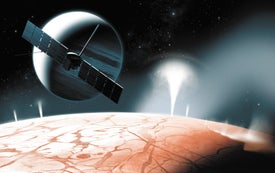
Vast quantities of liquid water may exist on moons of Jupiter, Saturn and Neptune, making life possible there, too
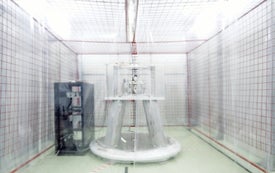
The Archimedes experiment will weigh the void of empty space to help solve a big cosmic puzzle

Imaginary numbers—the square roots of negative numbers—are an inescapable part of quantum theory, a study shows

Open-office designs create productivity and health problems. New insights from Deaf and autistic communities could fix them
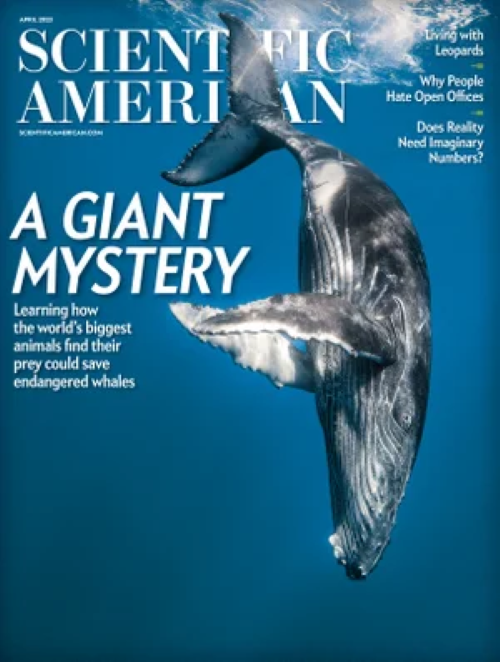
How do giant filter-feeding whales find their tiny prey? The answer could be key to saving endangered species
The causes of long COVID, which disables millions, may come together in the brain and nervous system
New experiments can re-create the young cosmos, when it was a mash of fundamental particles, more precisely than ever before
Plato was right: newborns do math
 Boomers Daily