
Tag Archives: Science Magazine

Research Preview: Science Magazine – Sept 1, 2023

Image

Science Magazine – September 1, 2023: The cover features a drone photograph, taken near the town of Kahramanmaraş, of the surface rupture produced by the first mainshock of the 2023 Turkey earthquake sequence shows agricultural fields offset by the fault slip.

The future of ocean health

Human and environmental health are inextricably linked. Yet ocean ecosystem health is declining because of anthropogenic pollution, overexploitation, and the effects of global climate change. These problems affect billions of people dependent on oceans for their lives, livelihoods, and cultural practices. The importance of ocean health is recognized by scientists, managers, policy-makers, nongovernmental organizations, and stakeholders including fishers, recreationalists, and cultural practitioners. So why are the oceans still degrading?

Research Preview: Science Magazine – August 25, 2023

Image

Science Magazine – August 25, 2023: This image depicts whole chromosomes, some with structural abnormalities that might be found in cancer. The idea that cancer cells have aneuploidy—abnormal numbers of chromosomes and chromosome portions—has been known for decades. 

If AI becomes conscious, how will we know?

Scientists and philosophers are proposing a checklist based on theories of human consciousness

0s and 1s making up the outline of a head

In 2021, Google engineer Blake Lemoine made headlines—and got himself fired—when he claimed that LaMDA, the chatbot he’d been testing, was sentient. Artificial intelligence (AI) systems, especially so-called large language models such as LaMDA and ChatGPT, can certainly seem conscious. But they’re trained on vast amounts of text to imitate human responses. So how can we really know?

First page of PDF

Research Preview: Science Magazine – August 18, 2023

Image

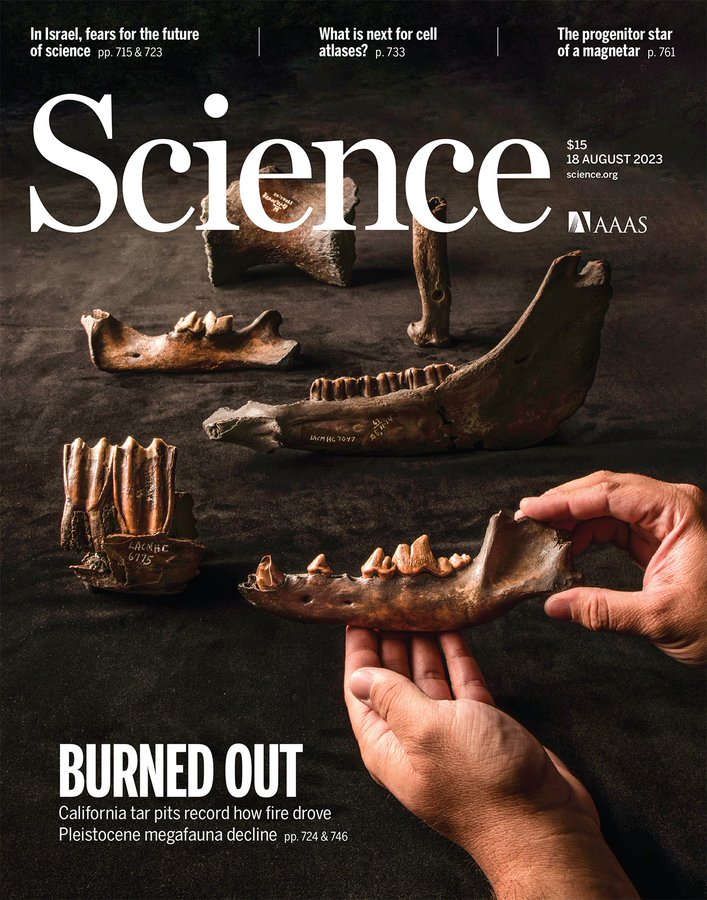
Science Magazine – August 18, 2023: This issue features California tar pits that recorded how fire drove Pleistocene megafauna decline; Maui’s deadly blazes reveal a fire-prone Hawaii; Solar energy projects put food security at risk, and more…

‘Still in shock.’ Amid wildfire tragedy, Maui scientists assess their research losses

Blazes and high winds blew projects apart and left a tight-knit research community shaken. What will it take to prevent future island fires?

The hall of historic Waiola Church in Lahaina and nearby Lahaina Hongwanji Mission engulfed in flames in Lahaina, Hawaii.

In the wake of a series of powerful wildfires that ripped through Maui’s dry forests and the historic city of Lahaina this week killing more than 50 people, researchers on the island remain concerned about the personal fallout for fellow scientists and their families. Some are reeling from disruption to their projects: Studies of whales may be disrupted, for example, and a rare plant facility sustained damage. “We’re still wrapping our heads around what this really means, because right now, most of us are still in shock,” says marine mammal ecologist Marc Lammers. “And, of course, we’re thinking about our colleagues.”

First page of PDF

Research Preview: Science Magazine – August 11, 2023

Image

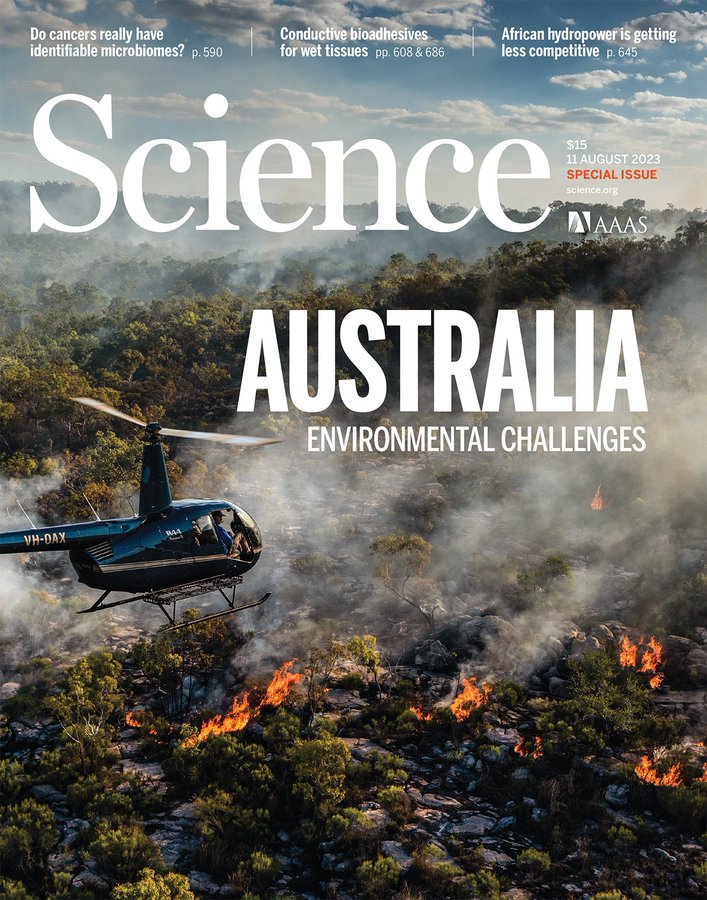
Science Magazine – August 11, 2023 issue: Environmental challenges in Australia; Do cancers really have identifiable microbiomes; Conductive bioadhesives for wet tissues; African hydropower is getting less competitive, and more…

First up on this week’s podcast, we hear about the skewed perception of our own hands, extremely weird giant viruses, champion regenerating flatworms, and more from Newsletter Editor Christie Wilcox

Research Preview: Science Magazine – August 4, 2023

Image

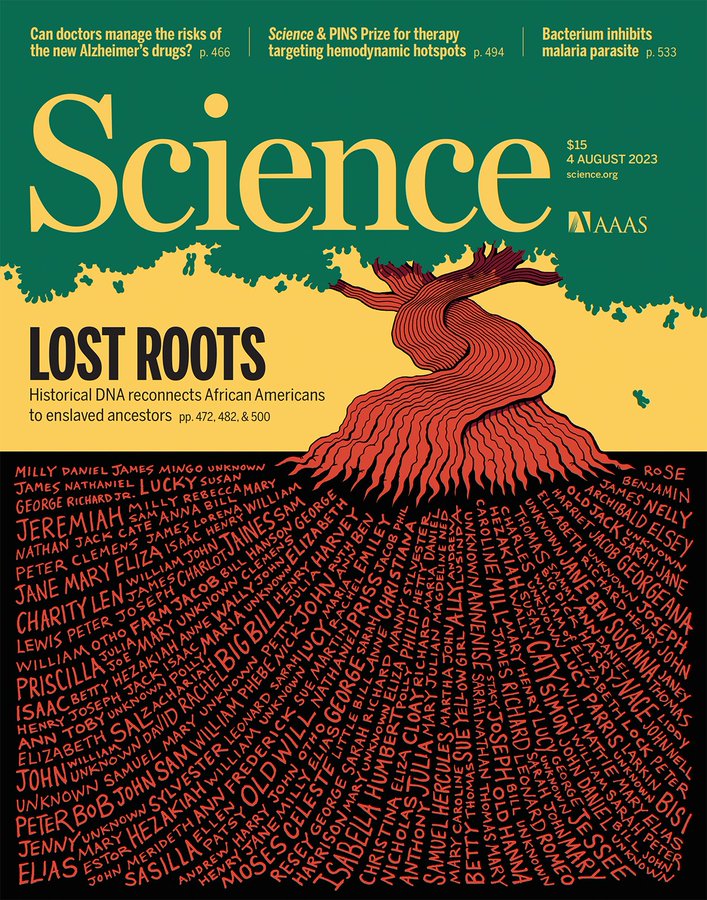
Science Magazine – August 4, 2023 issue: DNA was sequenced from 27 African Americans buried at Catoctin Furnace, Maryland, where enslaved people labored between 1774 and 1850. The tree trunk forms a double helix comprising 27 segments representing each sequenced individual.

‘We’re changing the clouds.’ An unforeseen test of geoengineering is fueling record ocean warmth

Pollution cuts have diminished “ship track” clouds, adding to global warming

Tropical trees deter similar neighbors

Tropical forests host an unusually high diversity of tree species. Strong interactions between individuals are hypothesized to create these patterns. A tree is more likely to survive when surrounded by different tree species with different resource needs, diseases, and herbivores. Kalyuzhny et al. found patterns consistent with this mechanism in a long-term forest plot in Panama. Adult trees in this site are more distant from members of their own species than from other species and more distant than would be expected by chance or by the limits of seed dispersal. This study shows that distances between conspecifics are maintained in adult trees, helping to explain the high diversity of tropical forests.

Research Preview: Science Magazine – July 28, 2023

Image

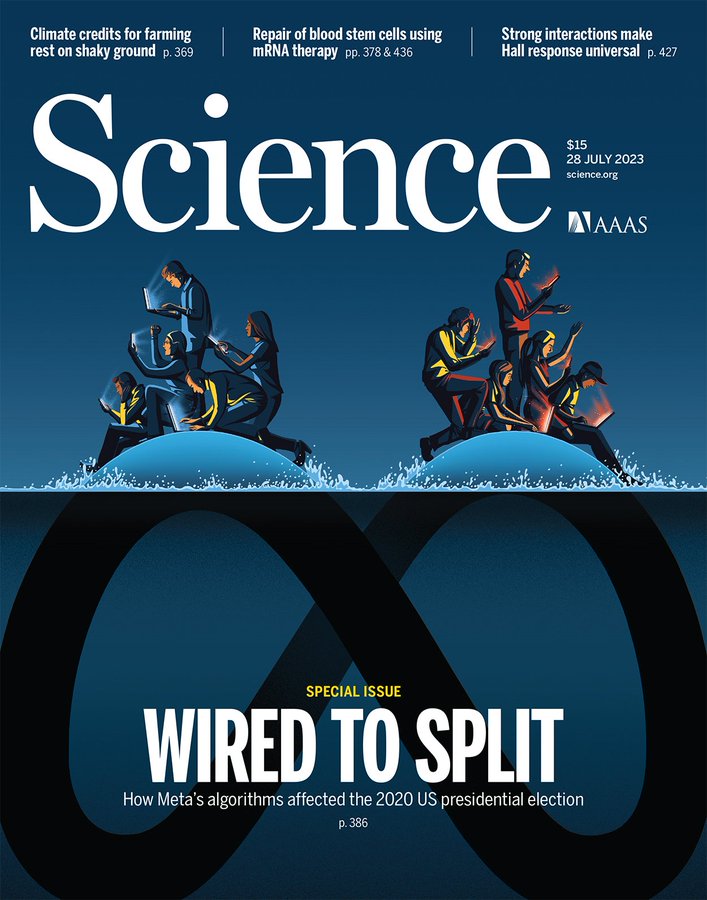
Science Magazine – July 28, 2023 issue: This artwork depicts social media users that are engaged (and often enraged) from the “left” (liberals, blue) and the “right” (conservatives, red) perched on Meta’s logo. Social media algorithms personalize users’ online experiences, recommending engaging content that will interest them and possibly spark outrage.

Social media and elections

The advent of social media forever changed how we consume news. At least half of Americans rely on it for news, and Facebook (owned by parent company Meta) is the most popular. Meta’s Facebook and Instagram platforms are funded through advertisements and generate more revenue when users spend more time on their platforms. To make platforms alluring and increase screen time, tech companies operate on business models that incentivize algorithms that are designed to elevate eye-catching content to the top of users’ feeds—content that captures attention and may go “viral” by stimulating “engagement” through comments, likes, and resharing.

Origin of diamond-bearing eruptions revealed

Deep mantle waves from continental rifting trigger mysterious kimberlite volcanoes

‘I should have done better.’ Stanford head steps down

Probe clears Marc Tessier-Lavigne of misconduct but criticizes lab culture and lack of “appetite” for corrections

Research Preview: Science Magazine – July 21, 2023

Image

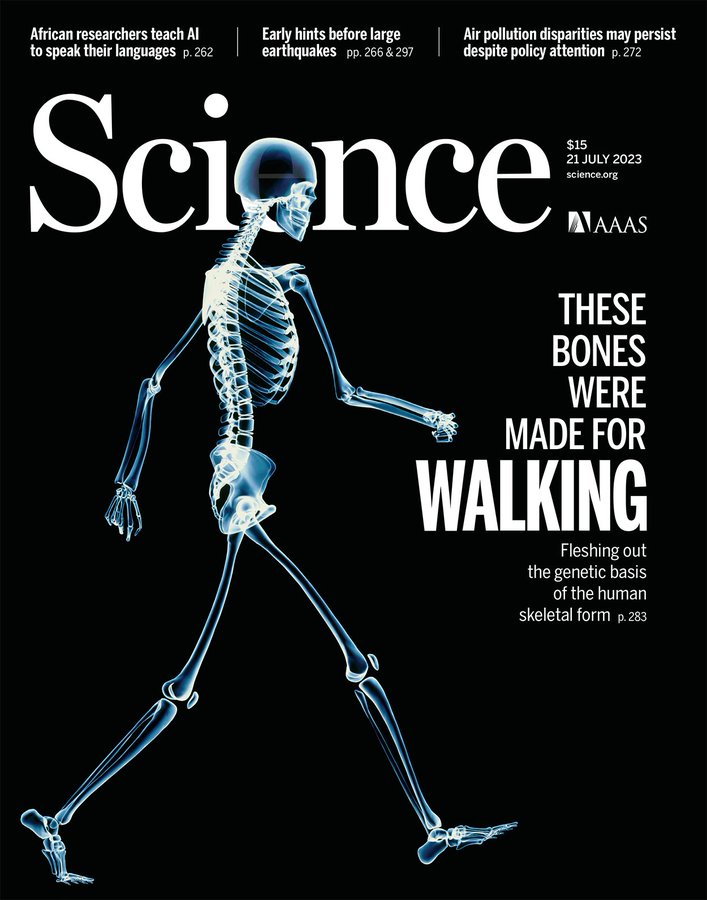
Science Magazine – July 21, 2023 issue: The cover depicts an x-ray of a human skeleton walking. Researchers extracted 23 skeletal proportions from 30,000 individuals using deep learning. Coupled with genetic and biobank data, more than 100 genetic variants associated with these proportions were identified. These analyses shed light on the evolution of the skeletal form, which facilitates bipedalism, and reveal connections to musculoskeletal disorders.

Hollywood movie aside, just how good a physicist was Oppenheimer?

A-bomb architect “was no Einstein,” historian says, but he did Nobel-level work on black holes

Deglaciation of northwestern Greenland during Marine Isotope Stage 11

Research Preview: Science Magazine – July 14, 2023

Image

Science Magazine – July 14, 2023 issue: There have been huge strides in the development and application of artificial intelligence (AI) to science and society. But will AI eclipse humans, or will we find a way to safely and fairly collaborate, allowing us to reach further? 

A machine-intelligent world

Huge strides have been made in the development of machine-learning algorithms to generate what is commonly called artifi cial intelligence (AI). Looking to the forefront of how AI is being used in science and society reveals many benefi ts, as well as grand challenges, that must be addressed.

Leveraging artificial intelligence in the fight against infectious diseases

Despite advances in molecular biology, genetics, computation, and medicinal chemistry, infectious disease remains an ominous threat to public health. Addressing the challenges posed by pathogen outbreaks, pandemics, and antimicrobial resistance will require concerted interdisciplinary efforts.

Research Preview: Science Magazine – July 7, 2023

Image

Science Magazine – July 7, 2023 issue:

The star watcher

Amateur astronomer Koichi Itagaki is one of the most prolific supernova hunters of all time

Rare fossil implies deep roots for vertebrates

Half-billion-year-old tunicate from western Utah “looks like it died yesterday”

Research Preview: Science Magazine – June 30, 2023

Contents | Science 380, 6652

Science Magazine – June 30, 2023 issue: Vapor from liquid nitrogen wafts over a rat kidney awaiting a groundbreaking preservation method at the University of Minnesota. Scientists there have learned how to cool the organ to –150°C and rewarm it while minimizing freezing damage, enabling it to work after being transplanted. 

Long-sought hum of gravitational waves from giant black holes heard for first time

illustration of pulsar on gravitational waves from supermassive black holes.

Subtle shifts in stellar signals reveal pervasive waves from mergers of giant black ho

Frozen in time

Scientists are learning how to cryopreserve living tissues, organs, and even whole organisms, then bring them back to life